The United Nations human rights experts have written to the Japanese government to express their concerns about the release of more than one million metric tonnes of treated nuclear wastewater into the Pacific Ocean.
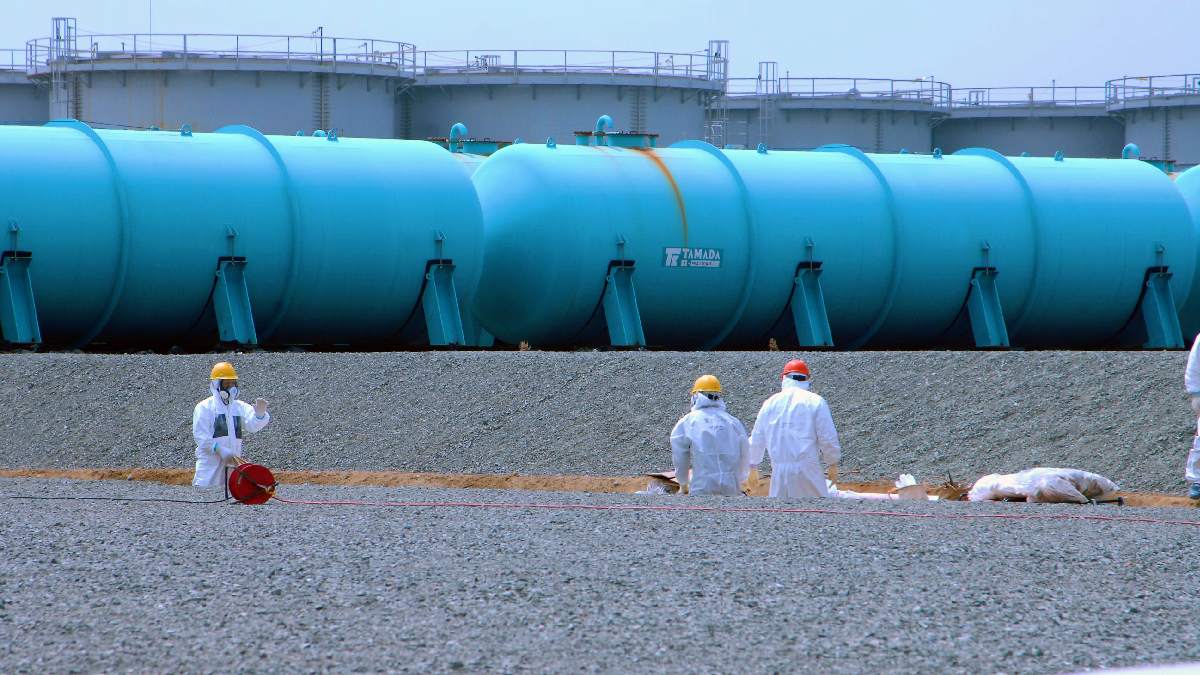
In August 2023, Japan began discharging wastewaster from about 1,000 storage tanks of contaminated water collected after the earthquake and tsunami in 2011 that caused the meltdown of its Fukushima nuclear plant.
In the letter, UN Human Rights Council special rappoteurs addressed the the management of Advanced Liquid Processing System (ALPS)-treated wastewater from the Fukushima Daiichi Nuclear Power Station (NPS) by the Japan government and TEPCO (Tokio Electric Power), and the ongoing discharge of such waters into the Pacific Ocean.
They say they are alarmed that the implementation of contaminated water release operations into the ocean may pose major environmental and human rights risks, exposing people, especially children, to threats of further contamination in Japan and beyond.
In the letter, they also raise their concern about the allegations of the failure to assess the consequences on health of the release of wastewater against the best available scientific evidence.
They have highlighted that the threats to the enjoyment of the right to adequate food do not concern only local people within the borders of Japan.
The letter says given the migratory nature of fish, their contamination represents a risk also for people living beyond the Japanese borders, including Indigenous Peoples across the Pacific Ocean which, according to their culture and traditions, mainly rely on seafood as their primary livelihood.
The letter follows a complaint submitted by Ocean Vision Legal in August 2023 on behalf of the Pacific Network on Globalisation and endorsed by over 50 civil society groups in the Pacific and beyond.
While responding to this development, PANG says this communication sends a clear message - that ocean issues must be understood as human rights issues, requiring precautionary and informed action aligned with international environmental law to safeguard both people and the marine environment.
Professor Robert Richmond from the University of Hawaiʻi, and former panelist of the Pacific Islands Forum Commissioned Expert Panel, has described Japan’s decision to release the treated, radioactively contaminated water as disappointing.
He says for island nations and coastal communities that have long shouldered the burden of Ocean degradation, the communication affirms what Pacific peoples have asserted for generations - the Pacific is not a dumping ground.
PANG says the destructive legacy of nuclear contamination through nuclear testing is still strongly felt across the region.
They say this legacy is marked by severe health impacts across generations and the ongoing failure to properly clean up test sites, which continue to contaminate the islands and waterways that Pacific peoples depend on.
PANG Coordinator Joey Tau says as Pacific groups, they remain disappointed in the Japanese Government and TEPCO’s shameless disregard of the calls by numerous Pacific Leaders and civil society groups to hold off on any further release.
He says their ignorance constitutes a brazen threat to Pacific peoples’ livelihoods, safety, health and well-being, and the sovereignty of Pacific nations.
CEO and founder of Ocean Vision Legal Dr. Anna von Rebay says although not legally binding, this communication is a crucial milestone.
She says it informs the interpretation of human rights and environmental law in response to contemporary threats, contributing to the development of customary international law and strengthens accountability for any actor harming the Ocean.
The CEO says ultimately, it paves the way towards a future where the Ocean's health is fully recognised as fundamental to human dignity, justice, and intergenerational equity.
Questions have been sent to the Minister for Environment Mosese Bulitavu on Fiji’s position now. He is yet to respond.

Stay tuned for the latest news on our radio stations