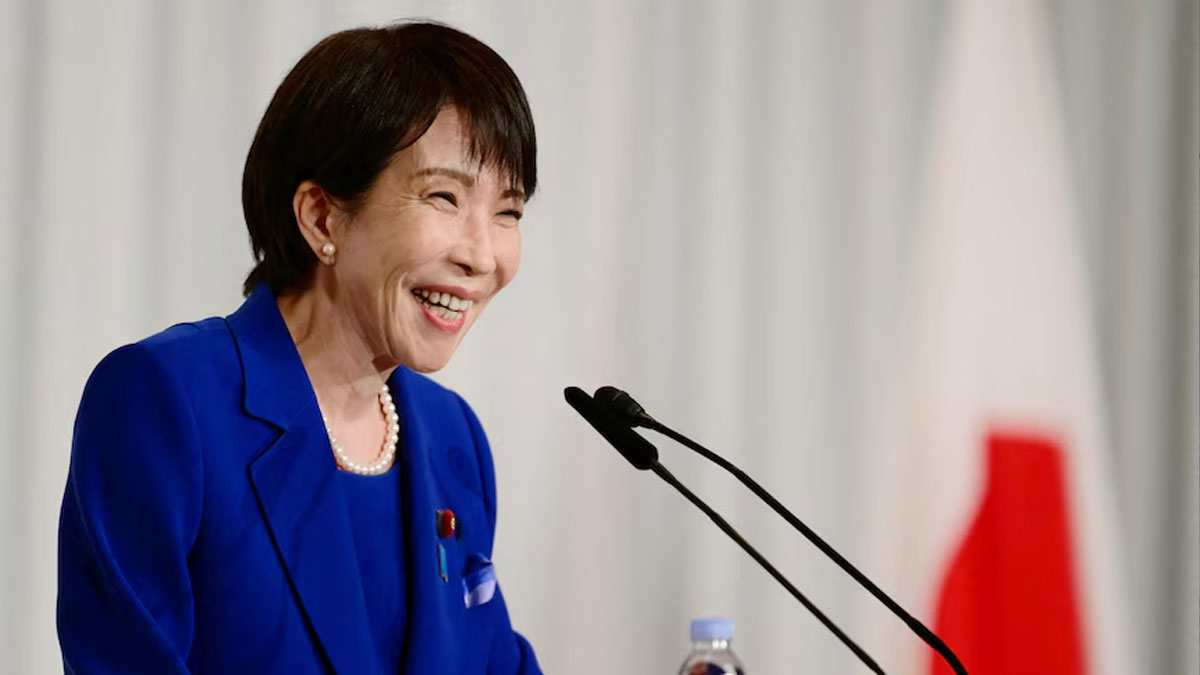
For many young girls in Japan today, the image of Sanae Takaichi taking the helm of power as Japan’s first ever female leader is powerful and formative.
It means a patriarchal society and a political system that has long been dominated by men is now led by a woman.
Japan’s parliament elected Sanae Takaichi as the country’s first female prime minister on Tuesday, with 237 votes in the Lower House and a runoff win in the Upper House after a new coalition with the Japan Innovation Party.
Her Liberal Democratic Party (LDP) partnered with the Osaka-based Japan Innovation Party (JIP), ensuring her selection despite a fragmented opposition.
Observers say her leadership is a tactical move from the ruling Liberal Democratic Party (LDP) to appeal to the more conservative base which had recently gravitated towards Japan's parties further to the right.
Takaichi opposes same-sex marriage and has long stood against legislation that would allow married couples to have separate surnames, preventing many women from keeping their maiden names.
She's also against women being in line for succession in the imperial family.
However, she did soften some of her messaging during her campaign - saying she favours giving tax incentives to companies that provide childcare facilities to their employees and spoke of possible tax breaks for families spending on childcare.
But she has over the years backed the idea of a more traditional role for women in society and in the family.
When it comes to women's issues, Takaichi is consistent with her country's less than impressive record on gender issues.
Source : BBC News

Stay tuned for the latest news on our radio stations