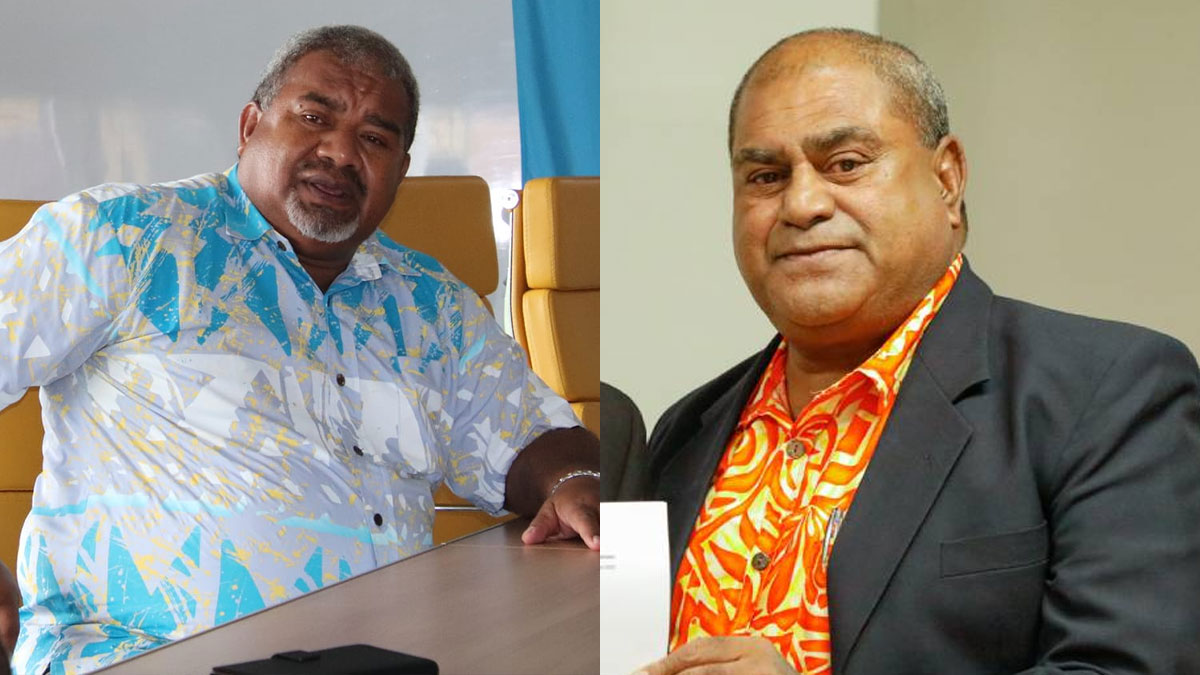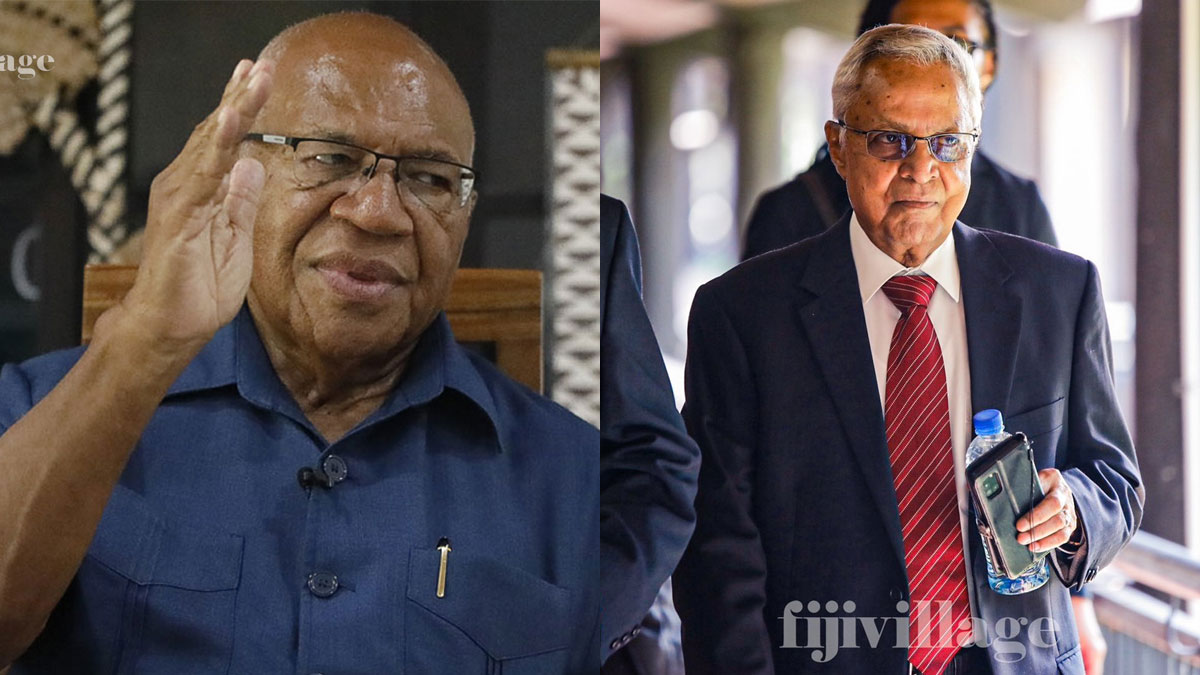
Prime Minister Sitiveni Rabuka has assured all Fijians that a potential national referendum would strengthen democracy for every community, not weaken it and discriminatory ideas would never survive such a public test.
He says the process would be open, transparent, and belong to the people themselves — describing it as the opposite of backroom politics.
Rabuka was responding to comments by Fiji Labour Party leader Mahendra Chaudhry, who claimed that the Supreme Court’s opinion makes the “Indian” community more vulnerable.
The Prime Minister rejected Chaudhry’s concerns, arguing that they do not hold up when considering what a referendum truly means.

He explained that in a referendum, every community is part of the decision, and Indo-Fijians, like all other minority groups, vote as equal citizens.
The Prime Minister says that any government seeking to change the Constitution must gain nationwide support, which means proposals must be fair, broad, and inclusive.
Rabuka also criticised Chaudhry’s call for political negotiations and consensus as the only pathway to reform, saying that this often results in a small group of leaders making deals behind closed doors.
He says this gives a few politicians veto power over the entire country, blocking necessary changes and leaving Fiji stuck.
He emphasised that the Coalition Government is committed to real democracy, where the people — not political elites — have the final say.
Rabuka further says that Chaudhry should stop making generalised statements, especially when he does not have the mandate or numbers to speak for all Indo-Fijians.
He called on Chaudhry to move past the old style of politics and recognise the significance of what could be Fiji’s first-ever referendum.
The FLP leader had initially welcomed the Supreme Court's opinion and had said that we have found the middle ground that the people were looking for.
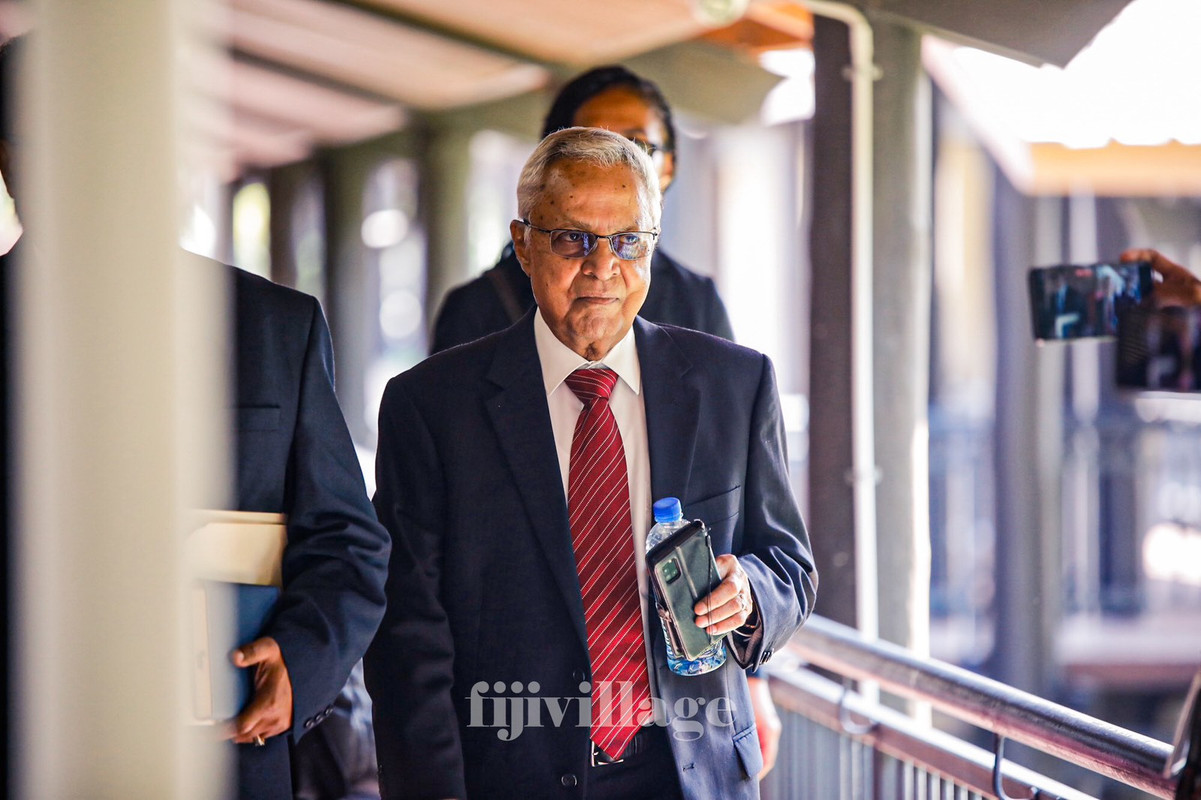
However, now Chaudhry says the lowering of the 75 percent double supermajority requirement is a concern for minority communities with regard to the protection of their rights as equal citizens.
He says the “Indian” community feels particularly vulnerable in light of the country’s history of race-based coups and the trampling of their rights.
He stressed that the Coalition Government’s unwillingness to spell out the constitutional changes it is contemplating has made them more apprehensive.
Chaudhry says that, for this reason, Labour had submitted that constitutional changes should be left to political negotiations, with a view to achieving consensus and stability.
Click here for more stories on the Supreme-Court-Constitution-Case

Stay tuned for the latest news on our radio stations