It is most unfortunate that some sections of policy makers - led by educationists - continue to harp on racial allocation of scholarship funding.
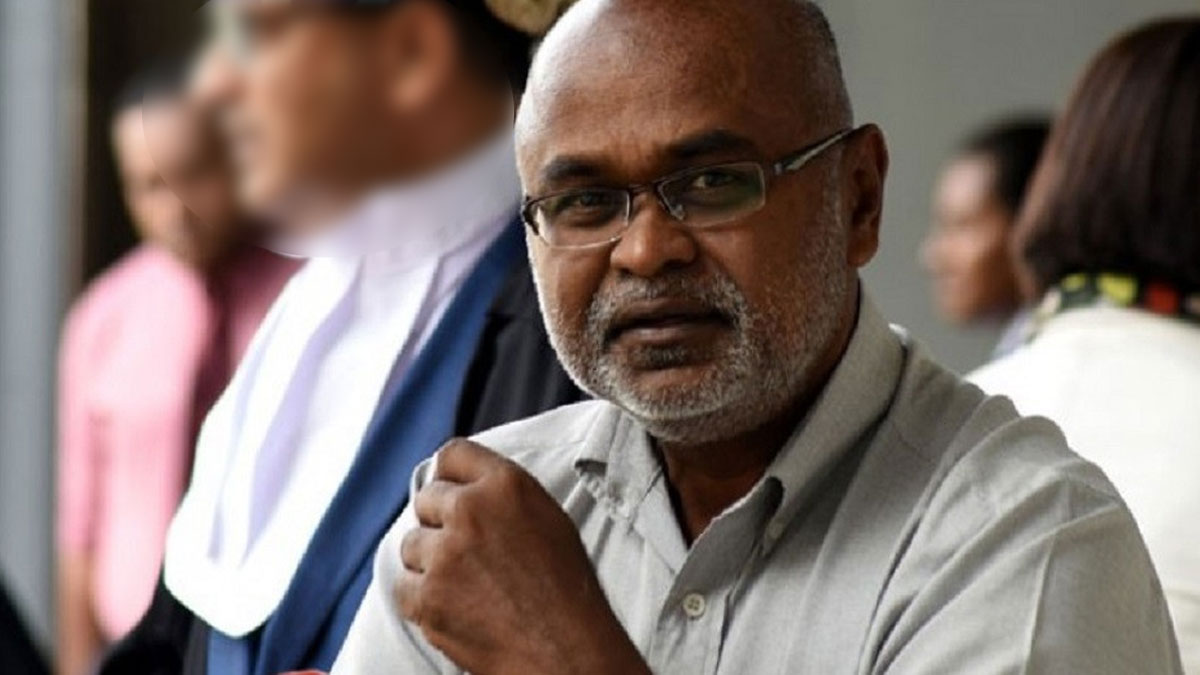
Pacific Polytech Chair, Ganesh Chand highlighted this after the widespread discussion on social media where concerns were raised about majority of recipients reportedly being of i-Taukei ethnicity.
Chand says such a racial narrative only fuels racial division and it becomes fodder for demagogues - of all ethic groups.
The Chair says such politicians continue to thrive on making race a factor in resource allocation.
He says this is disastrous and the new generation does not need actions and statements which keep us divided.
Chand further says the narrative on scholarships - especially public support for tertiary studies - has historically been racial.
He says in the past, this was a result of limited budgets for education, thus each ethnic group was conscious of the support given to their communities.
Chand says however, this situation changed remarkably when the proposal to support every student for tertiary education was adopted by the policy makers over a decade ago.
The Chair says the first step in this direction was to make State assistance available to every student who qualified for tertiary education programmes.
He says this support came through full scholarships for those who performed very well, and interest-free loans for all others, who wanted support for their tertiary education.
Chand says no one could claim that a student was left behind and this was one of the most revolutionary actions any policy maker took on tertiary education; credit for this must go to the then policy makers.
He says the next step in de-ethnicisation of the narrative was to provide full scholarships to all students and this came about, albeit in a roundabout manner, when "loans" were replaced by bonds to serve here.
Chand says now, there is not a single student (of any ethnic group) who can claim that he or she is discriminated against in getting scholarships for tertiary learning.
He concedes there may be cases where a student may wish to study a particular subject, but State policy does not support funding for this subject but this policy applies to students of all ethnic groups.
He says the students in this category are gladly funded for programmes which policy makers consider are high priority.
Chand says the universal funding support for tertiary education is perhaps one of the best measures Fiji has taken in education.
He says as someone who has had a small hand in gradually making tertiary education accessible for all students in Fiji, irrespective of affordability and ethnicity, he is proud that their efforts to de-ethnicise education achieved this success.

Stay tuned for the latest news on our radio stations