The nation needs to learn from the past, as Fiji’s education system was not founded in secularism but was built largely by religious communities.
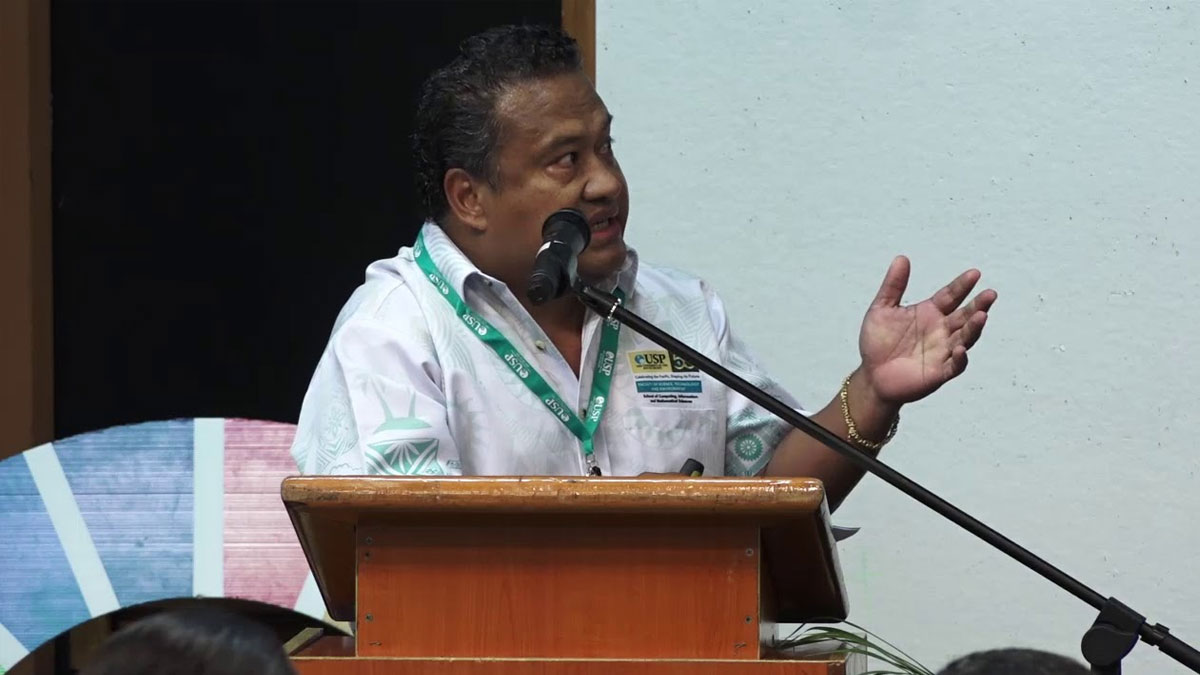
Deputy Vice-Chancellor of the University of the South Pacific, Professor Jito Vanualailai made this statement at the 131st Fiji Principals Association Conference held at the Grand Pacific Hotel.
He says as principals standing at the threshold of leadership, they are the guardians of our educational heritage and the architects of the future.
The Deputy Vice-Chancellor says the theme for this year’s conference, "Threshold of Leadership - Shaping the Future of Education" calls on everyone to reflect deeply on how to bridge past wisdom with the challenges of today and tomorrow.
He says the focus needs to be placed on one transformative principle embraced by everyone, which is the reintegration of moral and religious values into the education system.
The Deputy Vice-Chancellor says the forefathers of various ethnic groups saw education not merely as the pursuit of knowledge, but as the pursuit of wisdom, character, and morality.
He emphasised that understanding the past is crucial, as many of the solutions to today’s and tomorrow’s problems have already been provided.
Professor Vanualailai says religious groups established the first formal schools in the country to ensure that their children were educated in both worldly knowledge and spiritual wisdom.
He explained that they had laid the foundations of an educational framework which included discipline, integrity, compassion for one another, and academic excellence—values that are still needed in schools today.
The Deputy Vice-Chancellor reminded principals that they are standing on the shoulders of visionary educational leaders who understood that true education nurtures both mind and spirit.
He says the Constitution introduced secularism into communities, which perceived religion as divisive and believed that, in order to create unity, faith should be removed from education.
He argued that this has contributed to troubling trends, including increased youth crime, rising HIV/AIDS cases, drug abuse, and a visible moral decline in society.
Professor Vanualailai is calling on principals, as leaders at the threshold of educational transformation, to consider that religion is not a force of division, but a force of unity as all religions agree on the importance of wisdom, knowledge, and truth.
He suggested that principals should consider embracing these shared values as foundations for educational leadership.
The Deputy Vice-Chancellor also says that instilling discipline in students does not mean they need to be physically punished.
He made the comment when asked whether corporal punishment could be used as it was in the past.
Professor Vanualailai explained that, as the society has evolved over the years, people have come to understand the advantages and disadvantages of certain practices, and research has shown that there are more effective ways to discipline students than using the rod.
He says using physical punishment may turn a student into a more difficult person.
The 131st Fiji Principals Association Conference is a two day event, with principals from various schools taking part in constructive sessions on how to bring about positive changes in education.

Stay tuned for the latest news on our radio stations