In the child poverty analysis for Fiji, nutrition has emerged as one of the leading dimensions of deprivation, affecting 61 percent of children.
In the government's Multidimensional Child Poverty in Fiji report, it is stated that children aged 0–5 months are not exclusively breastfed, while 58.1 percent of children aged 6–23 months do not meet international WHO standards for food frequency and dietary diversity.
The report also notes that 46.6 percent of children aged 0–23 months live in households that did not have sufficient water quantities in the month prior to the survey.
It further states that the majority of children experience no problems accessing basic water sources, electricity, and information, with deprivation rates of 10 percent or lower in these areas.
Additionally, the report highlights that at the national level, 28.2 percent of children in Fiji are multidimensionally deprived, suffering from at least three deprivations simultaneously.
It was also revealed that nearly two-thirds of children living in rural areas suffer from multidimensional deprivation, compared to 51.7 percent of children living in urban areas.
According to the report, housing ranks second among the deprivation dimensions at 57.9 percent, while child protection is third at 49.8 percent.
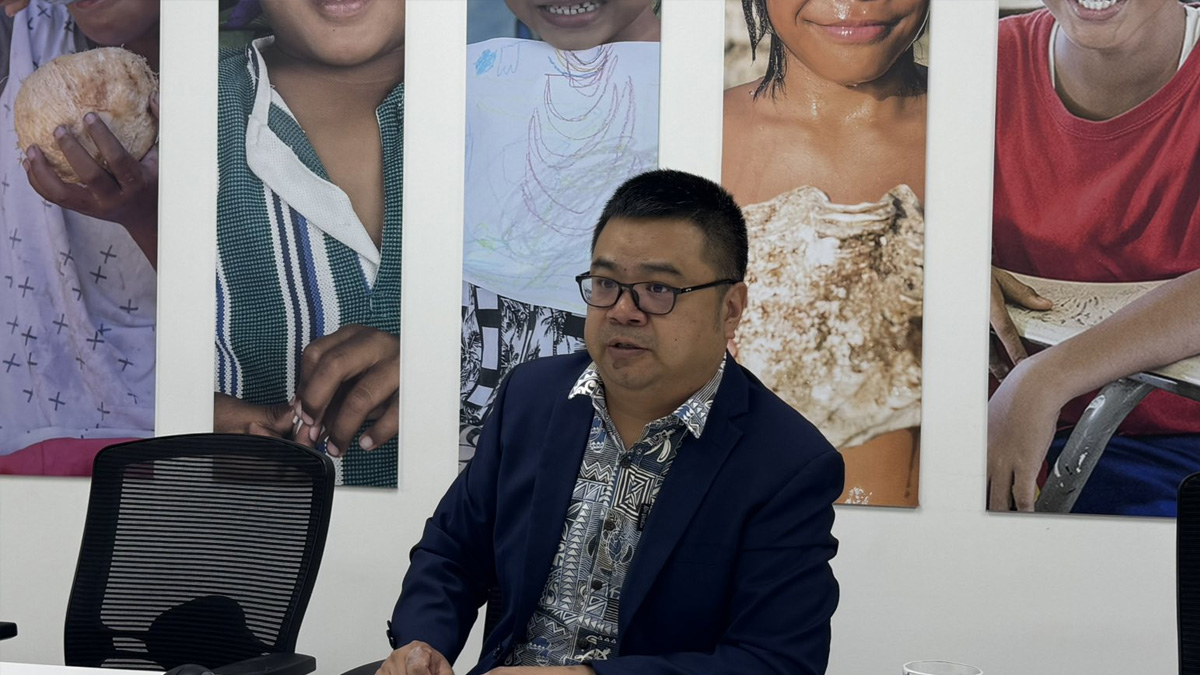
UNICEF Pacific’s Chief of Social Policy, Jun Fan says some of the key policy implications include focusing on early years by promoting early childhood development interventions and strengthening social protection to address the worst deprivations children face, including nutrition, child protection, housing, and access to clean water.

Stay tuned for the latest news on our radio stations