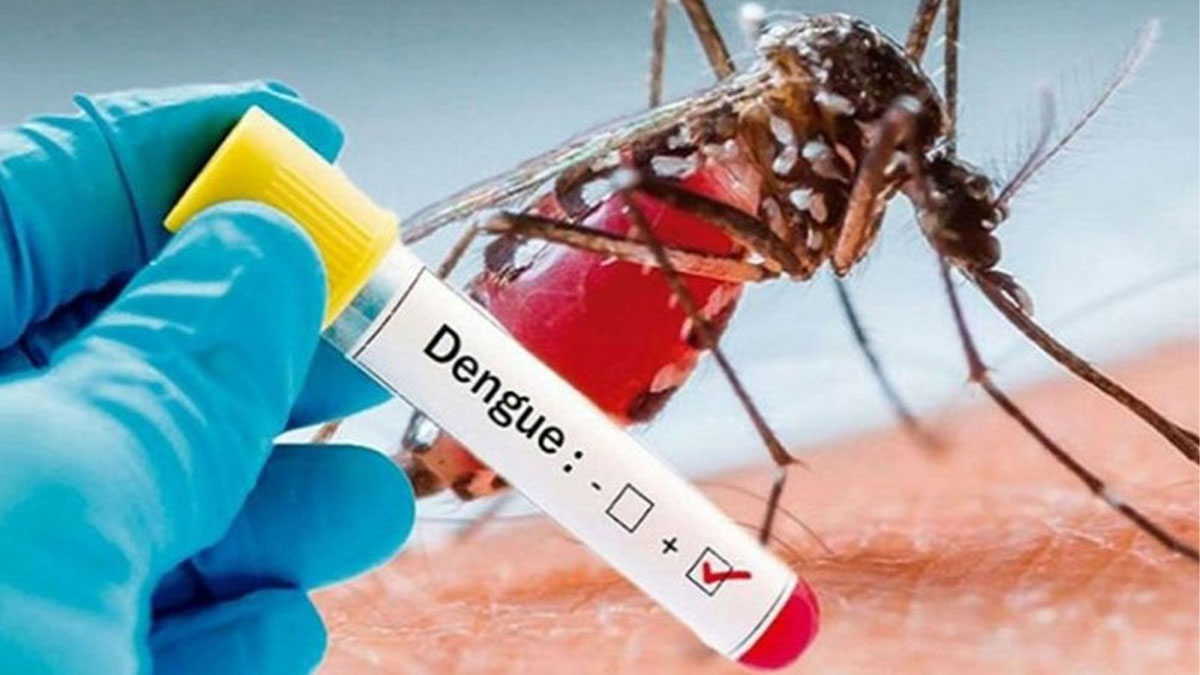
A dengue fever outbreak has been declared for the Central Division following the number surpassing the threshold for an outbreak in the division.
The Health Ministry says the Central Division has reported a total of 1,090 confirmed cases of dengue from January 1st to March 23rd, and the most recent increase in March is above the expected levels for the same period last year.
They say the significant rise in dengue case numbers is expected following periods of heavy rainfall and flooding, especially during the months of November to April.
The Ministry says over the last three weeks, a surge in dengue cases has been observed in the Navua, Suva, and Rewa subdivisions, while the Tailevu and Naitasiri subdivisions have recently reported increased admissions of dengue cases at the Korovou and Vunidawa Hospitals, respectively.
It adds the CWM Hospital has also reported increased admissions above the expected numbers compared to the same period last year.
Meanwhile, the Ministry says the Western Division has started to report a decline in the number of dengue cases, and the divisional team continues to monitor and support response actions in the division.
The Ministry is implementing its Dengue Outbreak Response Plan and continues to monitor the outbreak situation at divisional and national levels.
They say they are also committed to delivering critical medicines such as IV fluids and pain management medication to support the response actions and patient care at healthcare facilities across the country.
The Ministry’s divisional and subdivisional outbreak response teams who have been trained and upskilled to investigate and respond to disease outbreaks continue to lead in the response actions that include vector control, environmental cleaning, and public awareness and education.
The Ministry continue to urge members of the public to learn more about dengue, take necessary precautions to prevent getting infected, and present early to their local health facility should they develop symptoms.
Dengue is caused by the dengue virus. Humans become infected with the dengue virus when mosquitoes (black-and-white striped mosquitoes) bite someone with dengue (blood meal) and then transmit the virus when it bites another healthy person. Dengue affects millions of people around the world, and most people usually recover from dengue after a few days, with some experiencing tiredness for a few weeks afterwards. However, in some cases, dengue fever can be serious and lead to severe bleeding, coma and death.
Dengue is spread only through infected mosquitoes. The mosquito contracts the virus when it bites an infected person. The mosquito is then infected for the rest of its life and can spread the virus every time it bites someone. The mosquito that spreads dengue fever likes to live in urban areas, especially in and around houses and in containers or other receptacles that can hold water, such as bottles, empty cans, tyres, drums, uncovered water drums, flower vases, and others.
Severe dengue fever can be deadly, but most people will recover from dengue fever after an illness of 2 to 7 days, although people may continue to feel tired for weeks afterwards.
Dengue causes flu-like symptoms that generally last for 2 to 7 days. Dengue usually occurs after an incubation period of 4 to 10 days after the bite of the infected mosquito.
High Fever (40°C) is usually accompanied by at least two of the following symptoms: • Nausea, vomiting • Loss of appetite • Headache • Eye pain • Muscle or joint pains • Headaches • Pain behind eyes • A rash Other symptoms may include swollen glands, diarrhoea and generally feeling unwell (malaise).
When dengue develops into severe dengue, the critical phase takes place around 3 to 7 days after the first sign of illness. A decreasing temperature does NOT mean the person is necessarily recovering. Special attention needs to be given to these warning signs as it could lead to severe dengue: • Abdominal pain • Persistent vomiting • Vomiting blood • Rapid breathing • Fatigue/ restlessness • Signs of bleeding such as bleeding gums, vomiting blood, black tarry stools (blood in stool), vaginal bleeding, and bruising of the skin.
Failure to seek medical treatment in time if severe dengue signs are present may lead to severe bleeding, severe organ impairment, coma and even death.
If you think you may have contracted dengue, seek medical attention. Early diagnosis and management of symptoms are critical to reduce the risk of complications and avoid further spread of the virus.
Patients should get plenty of rest and drink plenty of fluids. Take oral rehydration salts if they are available. Paracetamol, such as Panadol can be taken to bring down fever and reduce joint pains.
DO NOT take aspirin, ibuprofen or any other pain medicine without checking with a doctor. These treatments can increase the risk of bleeding because they work to thin the blood.
When the warning signs of severe dengue are present, it is imperative to consult a doctor and seek hospitalisation to manage the disease.
With proper medical care and early recognition, case-fatality rates are very low. However, the overall experience can remain very discomforting and unpleasant for patients.
The best way to avoid dengue is to avoid mosquito bites. This means wearing insect repellent when outdoors, using mosquito nets when sleeping and installing mosquito/insect screens on your windows and doors.
You should also take the time to destroy mosquito breeding habitats in and around your homes, villages and neighbourhoods by clearing leaves and other rubbish from roof gutters and from around the house, removing old tyres, empty cans, bottles, drums, coconut shells and husks, by covering or burying them to prevent the collection of stagnant water where mosquitoes can breed, remove potential indoor breeding habitats including vases, water tray under the fridge, empty bottles and cans, and others, cover water stored in drums and containers securely and cut and clear overgrown grass and shrubs around the compound.

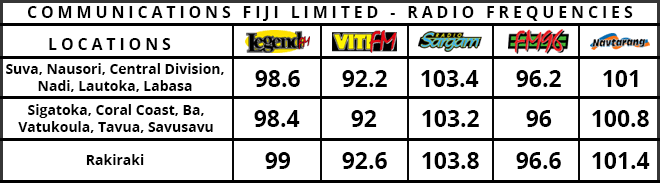
Stay tuned for the latest news on our radio stations