The Fiji Law Society says it respects the binding opinion of the Supreme Court in the 2013 Constitution case and going forward, any change to the Constitution requires the support of at least 37 out of 55 Members of Parliament, and at least 50 percent of registered electors who vote at a referendum.
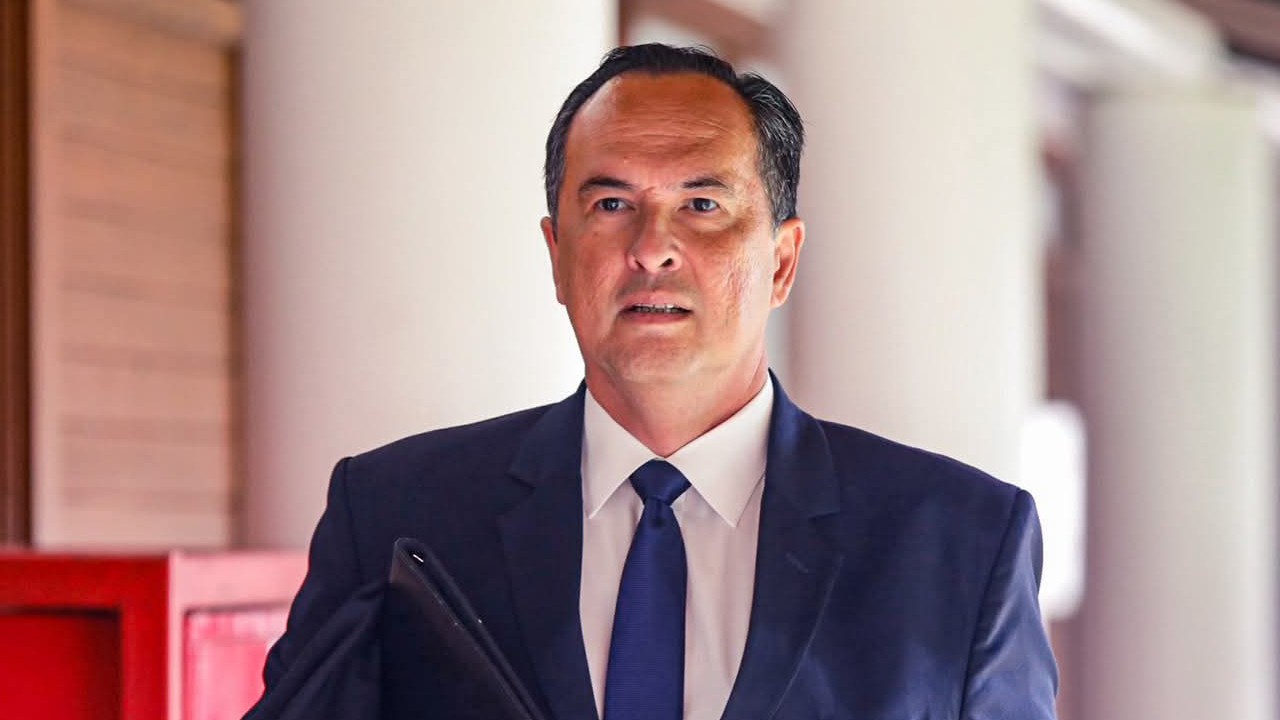
Law Society President, Wylie Clarke says with any future referendum process, it means that all political leaders and Members of Parliament have to work together for any constitutional reform which includes wide engagement with the people of Fiji.
Clarke says the Society was invited by the Supreme Court to be an intervenor in the reference from the Cabinet and made submissions to the Court at the hearings held from 18th to 20th August 2025.
He says the Society welcomes the opinion published by the Supreme Court.
The Court held that the 2013 Constitution should be recognised today as the legally effective supreme law of Fiji.
It said there have been three elections held under it, over 400 Acts made by Parliaments under the 2013 Constitution and there has been reliance on it by individuals and businesses for the past 12 years.
The Society says the Court considered that some portions of Chapter 11 which are about amendments to the Constitution should not be given legal recognition.
It says this is because they were imposed on the people, and the double supermajority thresholds (75 percent of all Members of Parliament and 75 percent of all registered voters in a referendum) were practically unworkable and unachievable.
To address this issue, the Court read down both the thresholds to two thirds of all Members of Parliament and a simple majority of registered voters who vote in a referendum.
During the hearing, the State submitted that the Constitution can be amended by a simple majority of the Parliament, without going to the people in a referendum.
The Fiji Law Society argued that one of the most authentic constitutional mechanisms for self-determination is a referendum of the people in conjunction with a Parliamentary vote.
The opinion of the Court rejected the submission by the State and ensured that any constitutional change must go through a referendum.
Clarke says he thanks the Supreme Court for giving the Fiji Law Society an opportunity to be heard and for deliberating on the very important constitutional questions.

Stay tuned for the latest news on our radio stations