Improving skin health is not just about treating disease - it’s about restoring confidence, protecting livelihoods, enabling education, and upholding dignity.
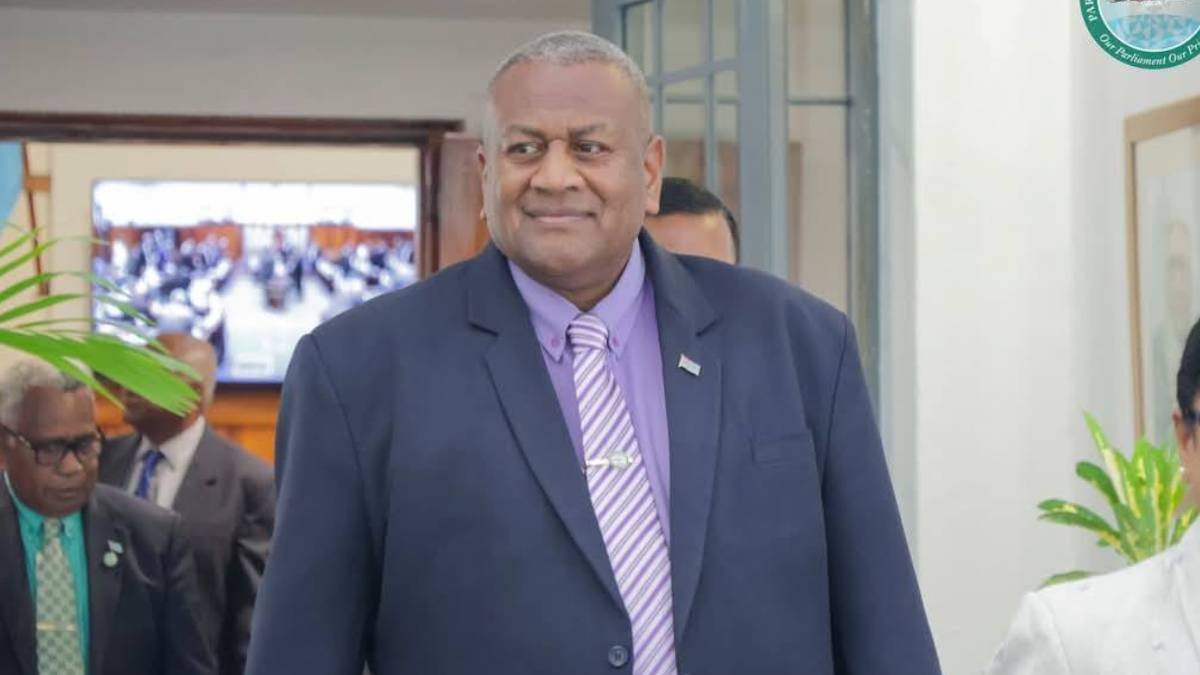
Assistant Minister for Health, Penioni Ravunawa made this statement at the World Skin Health Day 2025 celebrations held at Tamavua Twomey Hospital, highlighting that skin diseases have been overlooked in global health discussions for too long - but that is now changing, and Fiji is part of this change.
He says Fiji is celebrating its first World Skin Health Day, marking an important step in making skin health a key part of the country’s health goals.
He says that our skin is not just our body’s largest organ – it is our first line of defense and a reflection of our overall wellbeing.
The Assistant Minister says this year’s theme, “No Health Without Skin Health,” is timely as Fiji recently joined other countries in supporting a major resolution at the 78th World Health Assembly, which officially recognizes skin diseases — affecting nearly one-third of the world’s population — as a global public health priority.
Ravunawa says the resolution is a big step for public health, as it will lead to more investment, research, and better skin care services in primary health systems.
He says it ensures better access to essential medicines, enhances training for frontline health workers, and affirms that healthy skin is a right – not a privilege.
He adds that for Fiji, the resolution helps boost efforts to improve skin care services, increase skin cancer checks, spread sun safety awareness, fight neglected tropical skin diseases, and get rid of conditions like scabies.
Ravunawa also shared plans to improve monitoring systems and train more health workers so that people in all areas – from cities to remote islands – can get equal access to skin health services.
He praised the hard work of health professionals and community groups who have been working continuously to improve skin health.
He also thanked the Dermatology Department at Tamavua Twomey Hospital and partner NGOs like the Fiji Cancer Society, WOWS Kids, Cure Kids Fiji, the Lupus Foundation, the World Scabies Elimination Project, the National Filariasis Program, and the Albinism Project.
Ravunawa says their work ensures that even our most vulnerable – children, the elderly, people with disabilities, and those in rural areas – receive the care and support they need.
The Assistant Minister encouraged development partners, schools, and community groups to keep up the effort, raise awareness, and support early detection and self-care.
He adds the 2025 celebration is just the start of a long-term national effort to improve skin health for all people in Fiji.
Stay tuned for the latest news on our radio stations