It is deeply concerning that the Fijian Teachers Association continues to advocate for corporal punishment, despite prior discussions and evidence highlighting its ineffectiveness in improving students’ behaviour.
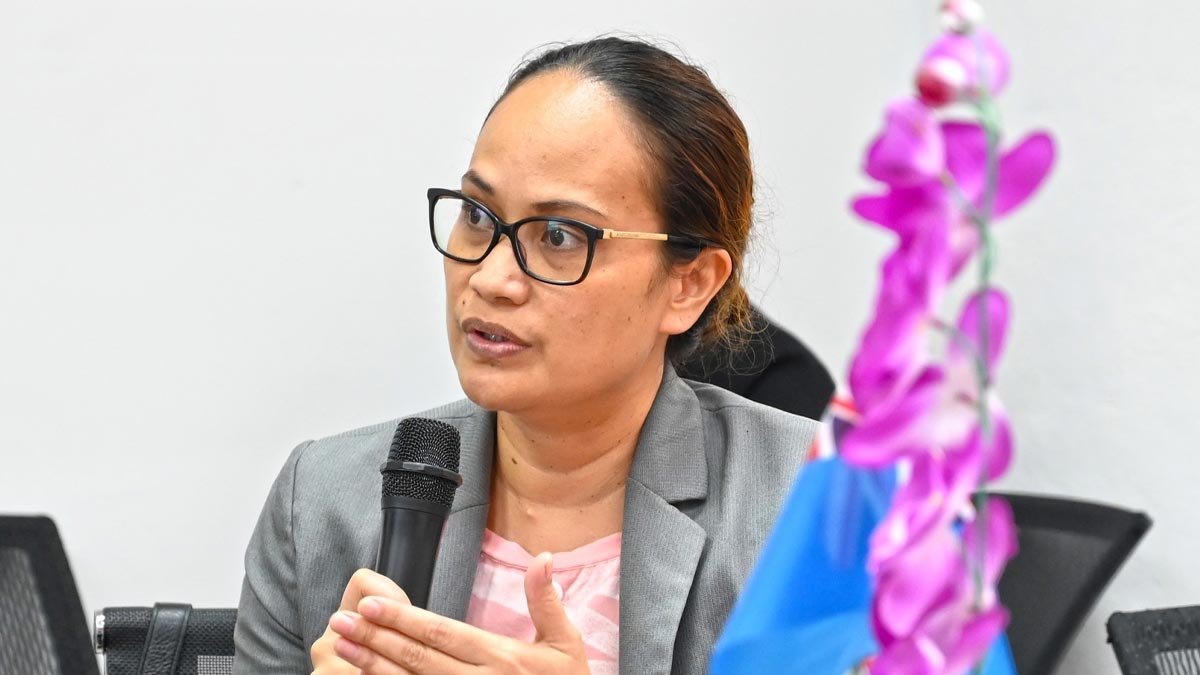
Those are the comments of Human Rights and Anti-Discrimination Commission Director, Loukinikini Lewaravu as she highlights that discipline involves teaching, whereas corporal punishment inflicts pain (physical, emotional, and mental) and hurt.
Lewaravu says discipline is a constructive process of teaching and guiding behaviour, while corporal punishment inflicts physical, emotional, and psychological harm.
She says their recent two-week community awareness program on children's rights in Vanuabalavu, involving the Ministry of Education, Fiji Police Force, Medical Services Pacific, and the Provincial Council, highlighted that children primarily need “discipline”, not corporal punishment.
Lewaravu says we cannot foster respectful, responsible citizens by undermining their trust and dignity with violence.
The Fiji Human Rights and Anti-Discrimination Commission firmly believes that corporal punishment, in any form, is not a solution.
Lewaravu adds that the foundational role of parents discipline begins at home and in communities, with parents, elders and guardians playing the crucial role in instilling values, respect, manners, social responsibility, and self-control.
The Commission recognizes that parental guidance can be compromised by social pressure, and mis-prioritizing lifestyle choices like engaging in excessive kava consumption or other activities, including time away from the family.
Lewaravu says when parental guidance is absent, the child's behaviour often reflects this.
She urges community and religious leaders to support families in promoting positive parenting, ensuring children arrive at school prepared to learn.
The Director says teaching, not punishing students build on this foundation through academic instruction and social development.
She says teachers should not be burdened with teaching basic manners that exacerbate frustration, resulting in sometimes violent responses to mild breaches of behaviour by the student.
Lewaravu says the Ministry of Education's Code of Conduct Policy already provides clear and non-violent methods for addressing student misconduct, including counseling, detention, parent meetings, and, as last resort, suspension or police reporting for criminal offences.
The Commission urges the Ministry of Education to immediately implement school-based support systems that respond to known drivers of student behaviour, such as stress, family issues, peer pressure, and learning difficulties, without waiting for another study.
This includes deploying and resourcing trained counselors in schools, integrating social-emotional learning into the curriculum, and establishing regular parent-teacher engagement forums.

Stay tuned for the latest news on our radio stations