The Ministry of Health is closely monitoring the Measles alerts and reports in Australia and New Zealand after cases were diagnosed in various parts of the countries last month.
The Ministry says they continue to conduct surveillance for Measles through their Early Warning Alert and Response Surveillance system and the Hospital Based Active Surveillance Acute Fever and Rash system.
They say their Essential Immunization Program which has been in place since 2003 whereby all children are offered two doses of the combination Measles-Rubella vaccine is effective against the Measles infection.
The Ministry says the first dose at age 1 and the second dose is given when they enter primary school where Fiji’s immunization coverage for children is currently reported at 95.2 percent.
Measles is a highly infectious airborne viral disease that is spread by coughing and sneezing.
People are at risk of getting Measles if they are not immune to the disease, that is, if they have not been vaccinated, or have never had the disease.
The Ministry says even with a high Measles Immunization coverage, the public remains at risk of having travel related measles infection.
They say members of the public who are travelling to countries with known Measles outbreak are advised to be aware of the mode of transmission of the disease and use protective equipment including face mask and alcohol hand rub while travelling.
The Ministry adds those who recently returned from countries with known Measles outbreak should visit their nearest healthcare facilities if they have the symptoms.
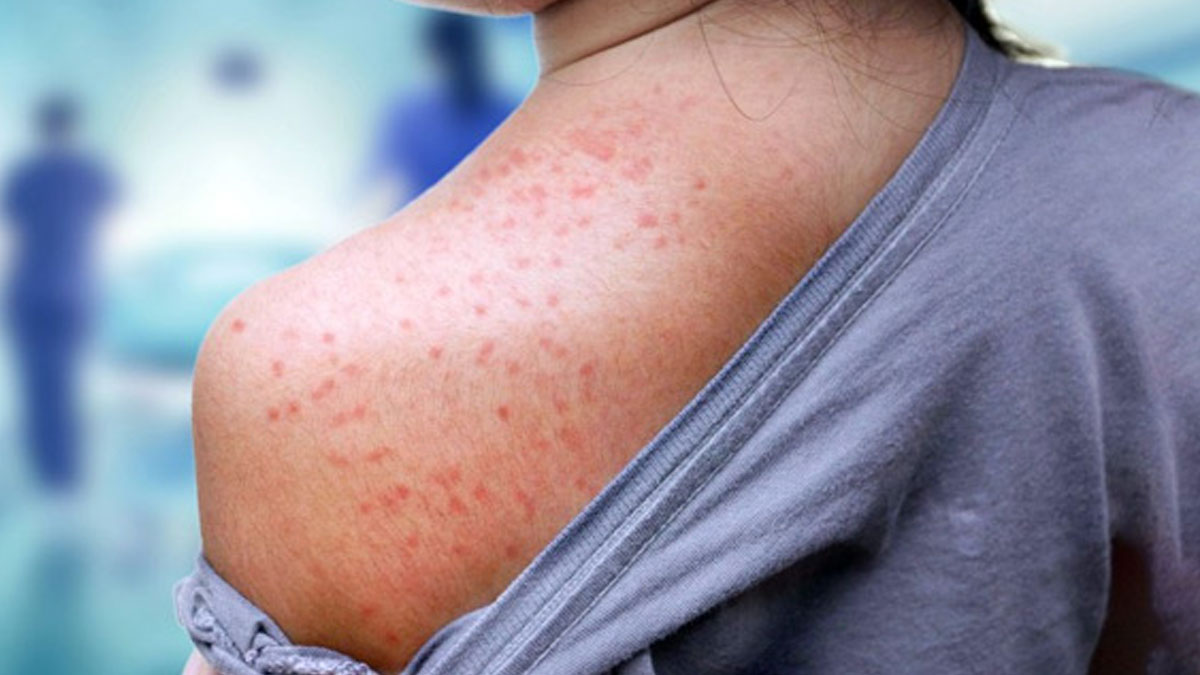
Symptoms of measles include fever,runny nose, cough, sore and red eyes while a rash starts a few days after these symptoms and spreads all over the body.
In some cases, Measles can lead to serious complications such as pneumonia or encephalitis (swelling of the brain), which will require hospitalization.
Certain groups are at higher risk of developing these complications, including children under 5 years old, whose immune systems are still developing; infants younger than 1 year, who are often too young to be vaccinated, pregnant women, as measles can cause complications like preterm birth or low birth weight and people with weakened immune systems, such as those undergoing cancer treatment or living with HIV/AIDS.