Regional HR Manager for Asian Paints Gayanand Singh has warned that a proposed amendment to Section 169 of Fiji’s Employment Relations Act (ERA) could strip employers of their right to report disputes, effectively “tying their hands” in negotiations with unions.
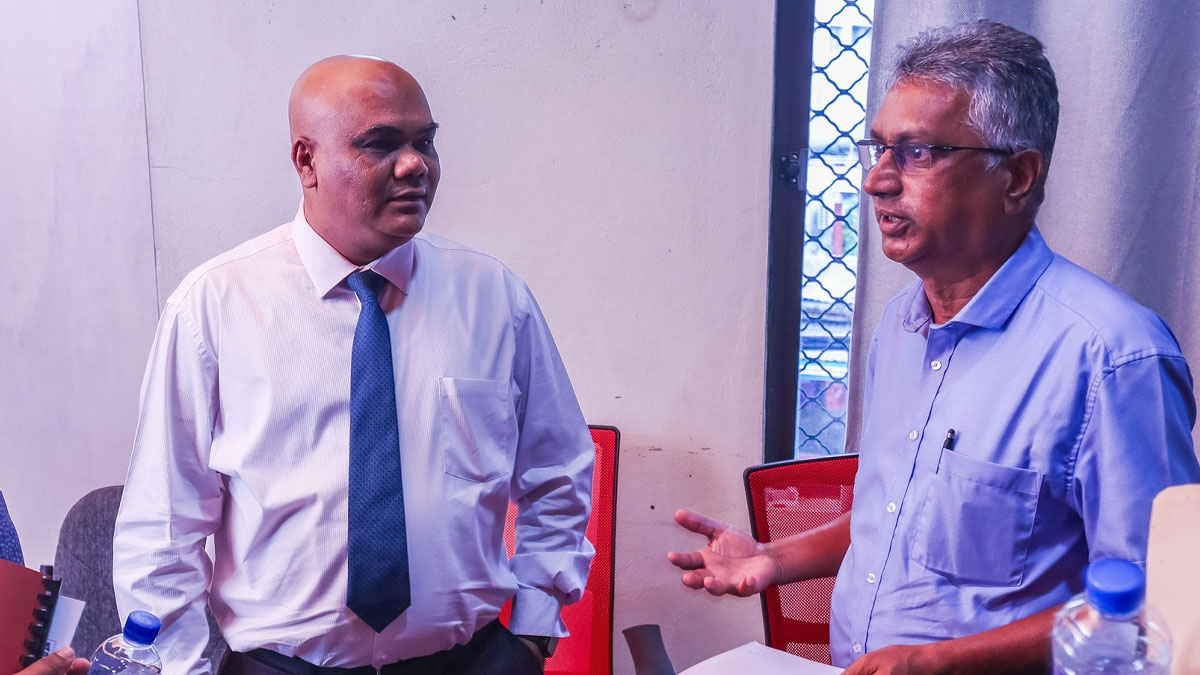
Speaking at the Standing Committee on Economic Affairs’ public consultation on the review of the Employment Relations Bill in Nasinu today, Singh, who has nearly two decades of experience in human resources and industrial relations, says the change would “cause irreversible harm” to employers and undermine the balance between unions and management.
Singh says under the draft amendment, an employer would not be permitted to report a dispute before a notice of secret ballot is served on the Registrar, or over issues already included in such a notice by a trade union.
He argued that this change leaves “nothing meaningful” for employers to report, as the right to initiate dispute resolution would depend entirely on union action.
Insert: Gayanand Nov 11 TV
Citing New Zealand’s Employment Relations Act 2000, Singh shared that Fiji should not preclude either party from accessing the dispute resolution system.
Singh also raised concerns over another proposed change requiring all workers to “voluntarily join a union and engage in collective bargaining,” arguing that such a provision could breach Fiji’s 2013 Constitution, which guarantees freedom of association and expression.
Responding to Singh, Acting Permanent Secretary for Labour Atish Kumar, says the proposed amendments were designed to ensure alignment between sections of the ERA and the ILO’s recommendations, and that both employers and unions currently have the right to report disputes.
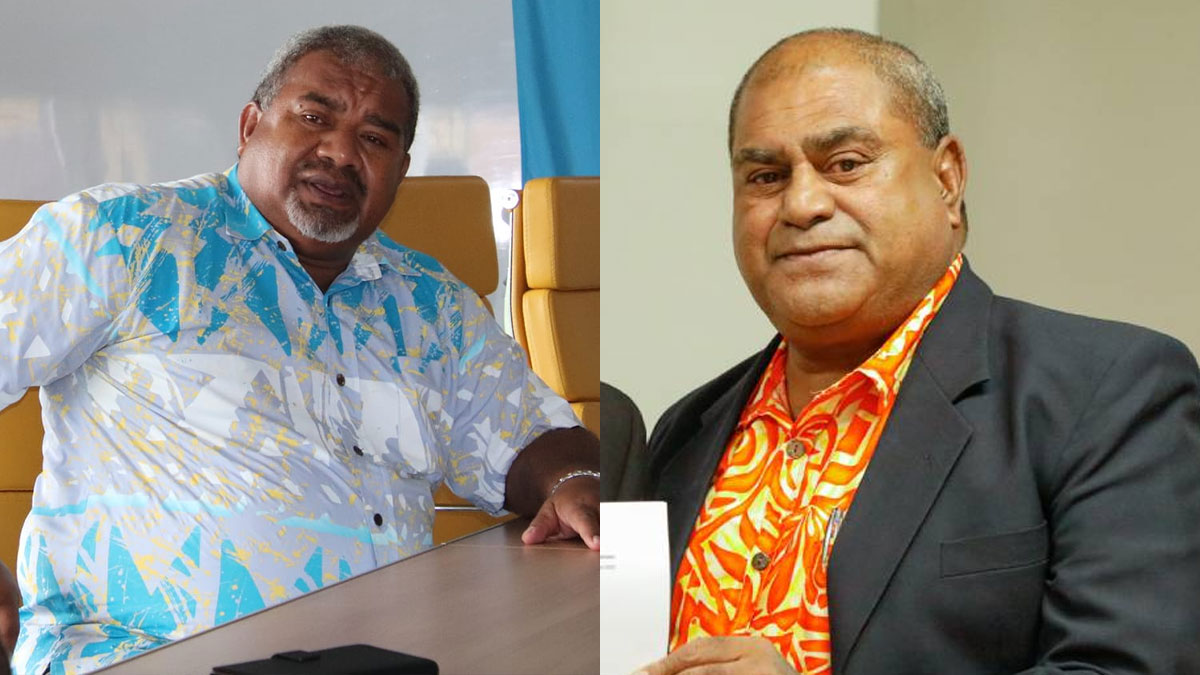
Speaking during public consultations at the Nasinu Council Chambers, Professor Shameem urged the government not to rush the review process, emphasising that the legislation defines the relationship between labour and capital and must therefore be handled with great care.
She highlighted a major flaw in the proposed Bill, which states that "a worker must voluntarily join a trade union and engage in collective bargaining."
She adds that mixing both will only lead to confusion, disputes, and endless court cases.
The Vice-Chancellor also criticised the removal of the Labour Management Consultation and Cooperation mechanism from the main Act.
She says the mechanism, which was part of the original 2007 Employment Relations Act, played a vital role in fostering good-faith dialogue between employers and employees, thereby promoting mutual understanding and workplace productivity.
Professor Shameem says that just because many employers and workers have not used this, or have only used it in a limited way, does not mean it is unimportant to the landscape of modern labour-capital relations in Fiji.
She says the mechanism is based on good-faith relations and should be retained.
Another concern raised by the Vice-Chancellor was that the Fiji Police Force and the Fiji Corrections Service were included in the proposed Bill, but the Republic of Fiji Military Forces was not.
She questioned why these two institutions were being included in the proposed Bill and asked how a situation would be managed if the police encountered a problem and decided to go on strike.
She says it also needs to be clear why the RFMF is being excluded from the proposed Bill.
Professor Shameen also stressed that there are heavy penalty clauses, particularly those targeting employers, with some clauses imposing fines or imprisonment immediately upon a breach.
She says that in previous drafts, employers and workers found in breach of the law were given an opportunity to be heard before penalties were applied, but the new draft triggers fines and imprisonment automatically.
She adds that the Bill also proposes extending the time limit for resolving grievances or disputes from 12 months to six years.
She warned that such an extended timeframe could weaken the effectiveness of mediation and tribunal processes, as witnesses may disappear and cases could be left unresolved.
The Vice-Chancellor is urging lawmakers to return to the foundational principles of the 2007 Employment Relations Act, stressing the importance of clarity, good-faith consultation, and balance between labour and capital to ensure sustainable industrial harmony in Fiji.
In response, Acting Permanent Secretary for the Ministry of Employment, Atish Kumar clarified that the mechanism had not been completely removed but had been relocated from the main Act to the regulations.
He says the Employment Relations Advisory Board, which includes both union and employer representatives, had agreed to keep the mechanism at the regulatory level since its primary purpose is to promote workplace productivity rather than address industrial or union disputes.
Kumar adds that the Ministry is training both employers and workers to establish mechanism committees, particularly in workplaces with 20 or more employees.
He also clarified that while police and prison personnel have the right to collective bargaining under the proposed Bill, they will not be permitted to go on strike.
Deputy Chairperson of the Standing Committee on Economic Affairs, Premila Kumar acknowledged that the wording of the Bill leaves room for multiple interpretations.
She says that when the Acting Permanent Secretary explains it, it makes sense, but when reading the law, it does not.
She adds that this is something the committee has realised and discussed at length in various forums.

Stay tuned for the latest news on our radio stations