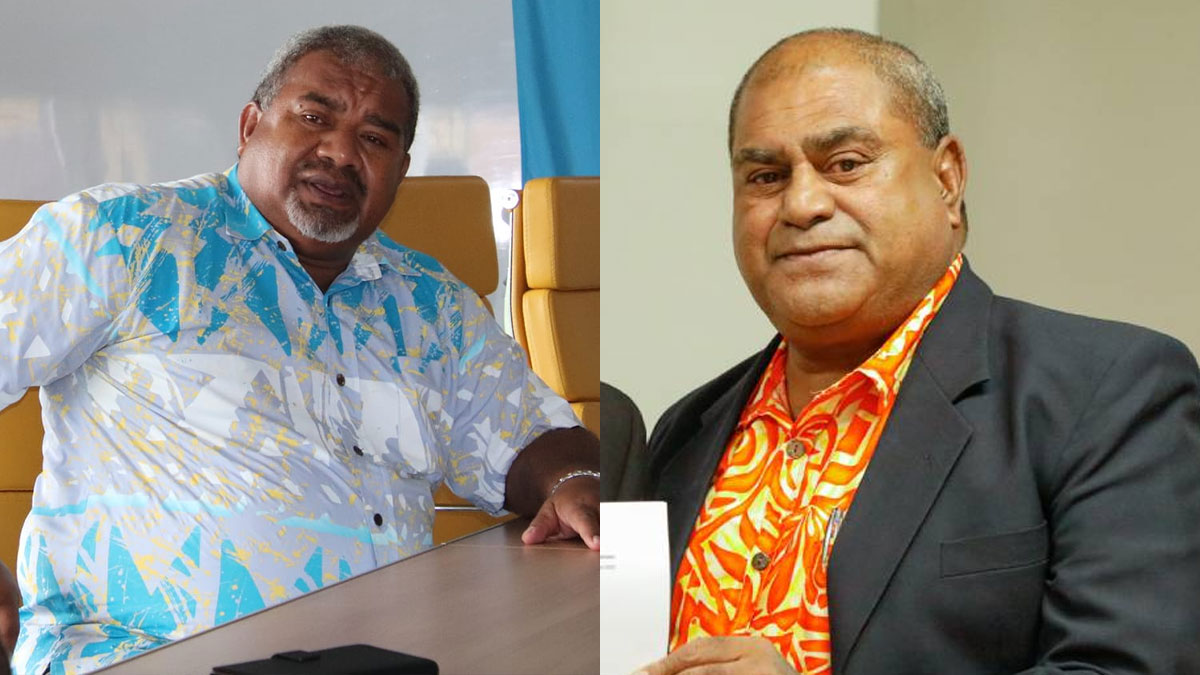
With concerns raised over 25 percent of the health budget previously allocated to Aspen under past agreements, Deputy Prime Minister and Minister for Finance, Professor Biman Prasad says negotiations are underway to ensure better value for money.
As a result, only 75 percent of the health budget was left to cover the rest of the country’s health infrastructure and services.
When questioned on fijivillage Straight Talk With Vijay Narayan, Professor Prasad says this issue is being addressed through ongoing intensive negotiations to reach a fair and affordable agreement and improved healthcare services.
He says the Permanent Secretary for Health will lead a delegation to Sydney for some final negotiations.
The Deputy Prime Minister says the government is taking a holistic approach to improving the country’s health infrastructure and addressing the critical shortage of consumables and medication.
He says they inherited one of the most dilapidated health systems—from CWM Hospital to health centres, sub-divisional hospitals and nursing stations.
He recalled the condition of Kadavu Hospital, where mothers gave birth on the verandah, and doctors struggled to work in appalling conditions.
Professor Prasad says while a new $2 billion National Hospital is in the pipeline with a clinical services plan already completed, there is an urgent need to continue upgrading CWM Hospital in the interim to maintain critical services.
When asked about renowned cardiologist Dr. Vijay Kapadia raising concerns about the number of Fijians dying due to a lack of accessible cardiac care, the Deputy Prime Minister says the government has assured that necessary consumables and equipment will be provided at any cost, and the Health Minister is working on it.
On the issue of medicine shortages, Professor Prasad says the government has made it clear that such shortages should not occur.
He says funding is not the problem; instead, the focus is on improving procurement and supply systems.
He confirms that Fiji has signed a pharmacopeia agreement with India and is negotiating a direct government-to-government procurement arrangement, with support from UNDP.
The Deputy Prime Minister further says that they expect this will soon result in the regular supply of quality, affordable medicines, especially to health centres, nursing stations and sub-divisional hospitals.
He says that India as a global leader in pharmaceuticals, offers a strategic advantage for Fiji, and the government has taken decisive steps to secure this partnership.
When asked about insurance companies not engaging with some of the new private hospitals, Professor Prasad says that while no direct negotiations have taken place yet, the government aims to support private sector hospitals so that people gain confidence in receiving quality treatment locally.
He adds that once that confidence is built, patients may no longer feel the need to go for overseas treatment from their insurance providers.

Stay tuned for the latest news on our radio stations