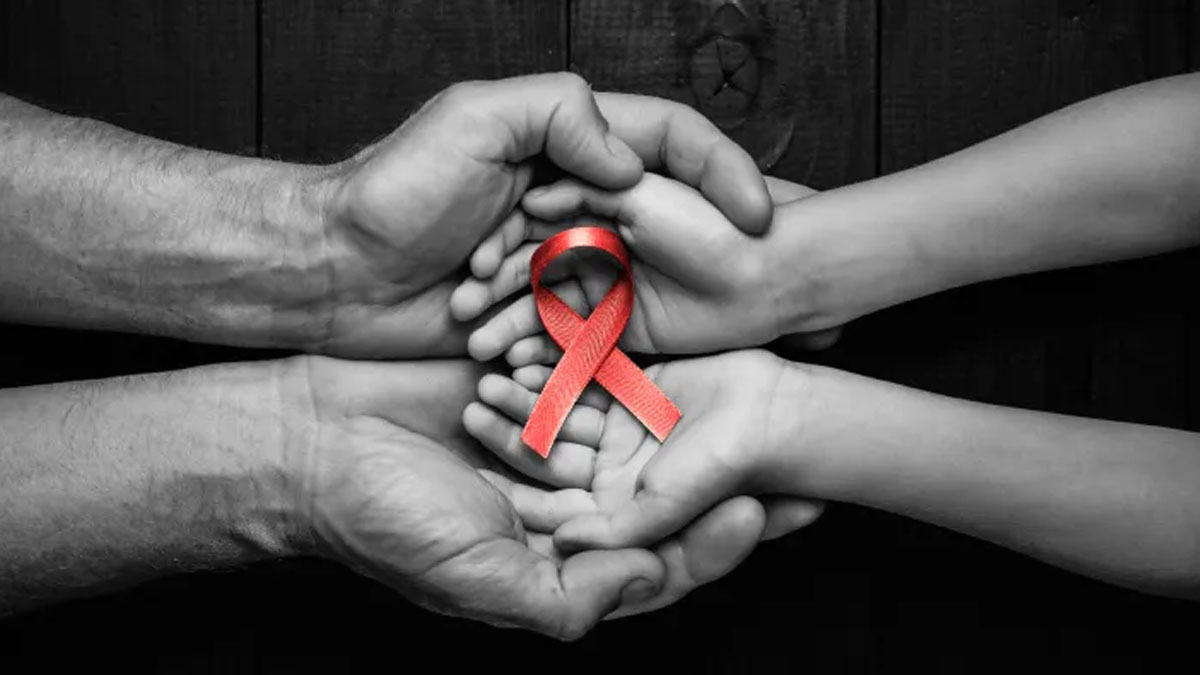
As we mark World AIDS Day today, the Pacific Sexual and Gender Diversity Network (PSGDN) says the Fijian government must do more including reaching out to the Global Fund and other donors to secure stronger resourcing for HIV prevention, testing, treatment, and community-led advocacy.
Fiji confronts one of the fastest-growing HIV epidemics in the world and as new HIV cases continue to rise across several Pacific Island countries, the Network is calling for urgent action to address not only the spread of the virus, but the deepening stigma and discrimination that are fuelling the crisis.
PSGDN Interim CEO Loata Tucika says Fiji’s HIV situation has reached an alarming point, but the biggest issue ballooning within our communities is the stigma and discrimination that continue to drive people away from testing, treatment, and care.
She says at the forefront of these attacks are the most vulnerable, LGBTQI people and sex workers, who already face entrenched discrimination and barriers to healthcare.
Tucika is calling on Pacific communities to embrace the vuvale spirit — working together as one family to break the myths and misconceptions surrounding HIV.
She says World AIDS Day reminds our communities and governments that HIV has not gone away, and still need to raise money, increase awareness, fight prejudice, and improve education.
Tucika says human rights are fundamental to an effective HIV response across Fiji and the Pacific yet violations continue to undermine the region’s fight against the epidemic.
She adds we know that by improving respect for human rights, we can go a long way in curbing the spread and alleviating the impact of the epidemic.
The Network says discrimination based on sexual orientation, gender identity, and homophobia is fuelling the HIV epidemic among marginalised people, especially transgender women, gay and bisexual men, and sex workers.
They say these barriers deprive people of their right to the highest attainable standard of physical and mental health.
Tucika says ending AIDS requires every part of society - teachers, activists, healthcare workers, politicians, faith leaders, and communities, to work together to confront the stigma and taboo.
“As we mark World AIDS Day, we remember the many Pacific Islanders lost to AIDS-related illnesses, acknowledge the significant advances made, and recognise the setbacks we still face in achieving a Pacific region free of AIDS,” Ms Tucika said.
“We must act with compassion, courage, and unity.
“HIV is not just a health issue — it is a human rights issue. Only when everyone is treated with dignity and equal respect will we be able to end this epidemic."

Stay tuned for the latest news on our radio stations