The Coalition Government welcomes the opinion delivered today by the Supreme Court of Fiji on the constitutional amendment questions relating to the 2013 Constitution, which now means that constitutional amendment will require the support of two thirds of parliament and a simple majority of voters in a national referendum.
The Supreme Court has given its opinion that the amendment process requiring approval from 75 percent of members of parliament, and 75 percent of registered voters is unworkable.
The Government acknowledges with gratitude the Court’s diligence and the contributions of all parties who took part in this important process.
This opinion provides clarity on matters of constitutional law and governance.
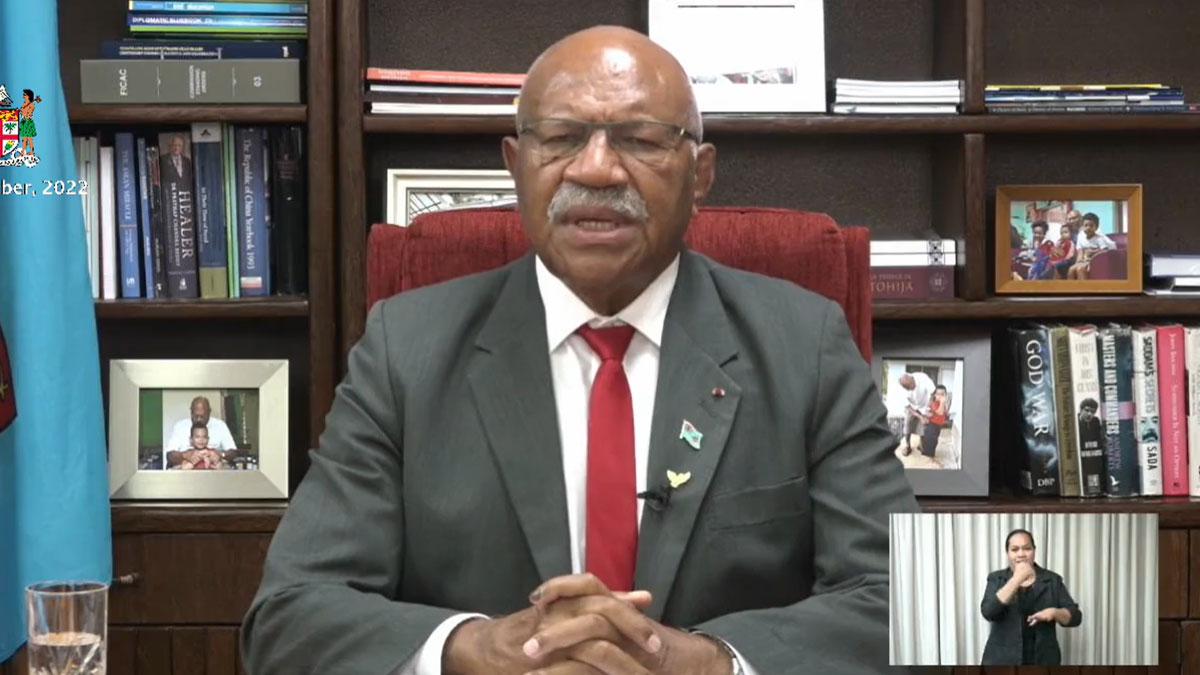
It will now go before Cabinet for further deliberation, after which the Prime Minister Sitiveni Rabuka as the Head of Government, will announce the way forward.
Rabuka says the Coalition Government's approach has always been to seek clarity from the Courts rather than impose unilateral change.
He furthers says that this outcome reflects their commitment to the rule of law, and to inclusive, democratic decision making.
The Prime Minister says a clear and democratic pathway is established, ensuring stability, continuity and transparency in constitutional reform.
He adds that people’s voice matters in shaping Fiji's future, and together we will move forward with clarity and confidence.
The Supreme Court has advised that the 2013 Fijian Constitution can be amended by the support of two thirds of Members of Parliament and a majority of those registered voters who vote for the change in a referendum after the parliamentary vote.
Chapter 11 of the Constitution currently requires 75 percent of the Members of Parliament and 75 percent of all registered voters in a national referendum to vote for changes in any other section of the Constitution.
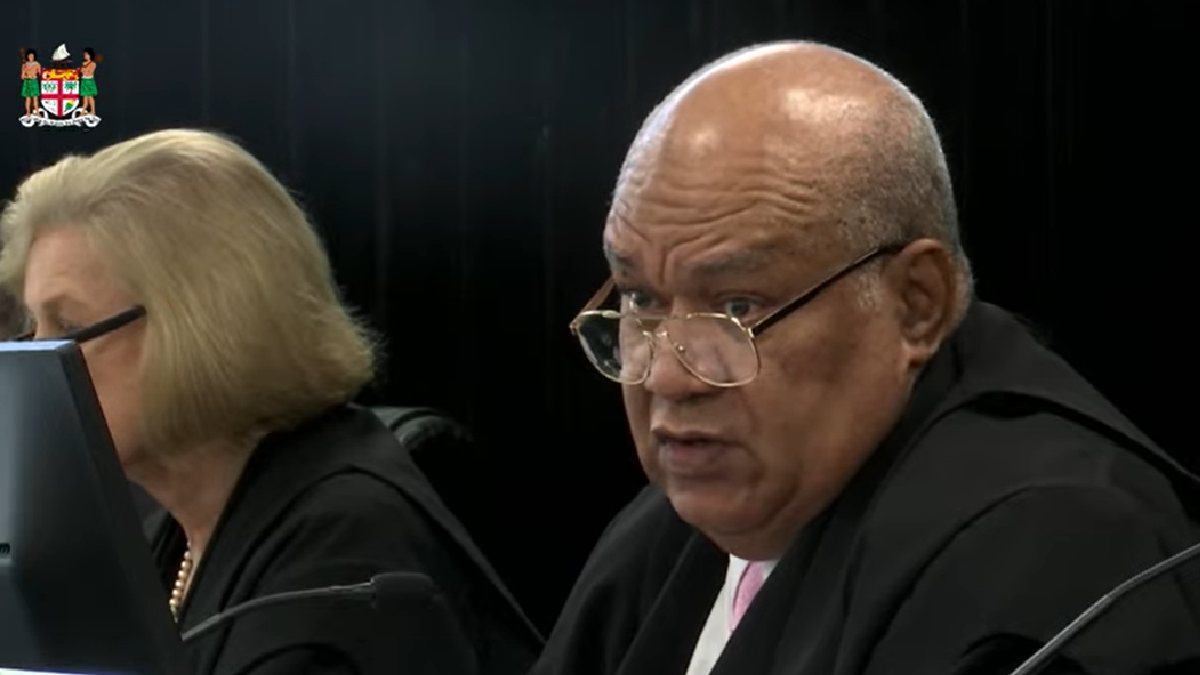
In their opinion, Chief Justice Salesi Temo says that for stability, the provision for amendment does not extend to the immunity section of the Constitution which means the immunity from prosecution for those who carried out the coups of 1987 and 2006 will stay and cannot be changed.
Chief Justice Temo also states that the Supreme Court has given it’s opinion that the 1997 Constitution is not valid as we have had 3 general elections under the 2013 Constitution.
The full bench of the Supreme Court that heard the case were Chief Justice Salesi Temo, Justice Terence Arnold, Justice Lowell Goddard, Justice William Young, Justice Robert French, and Justice Isikeli Mataitoga.
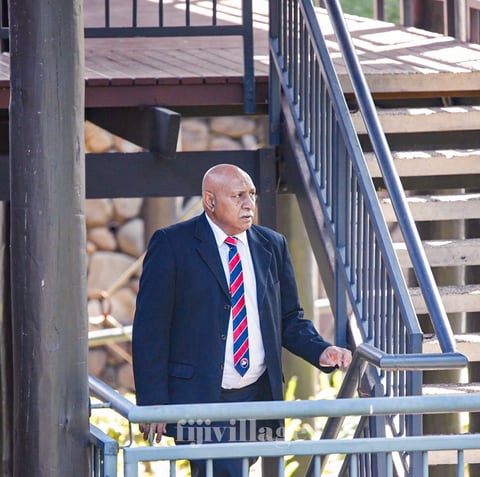
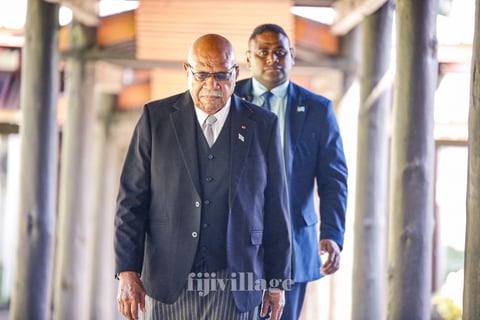
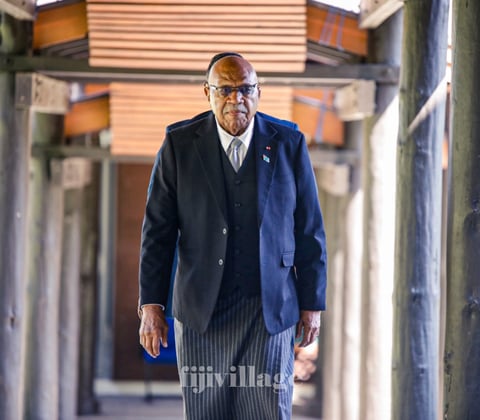
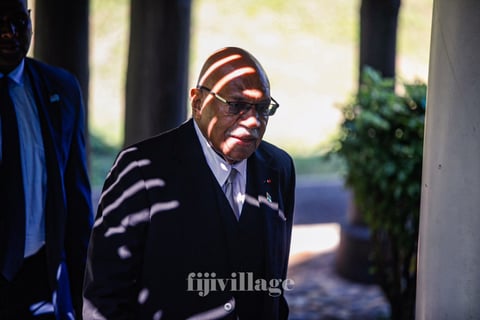
Prime Minister, Sitiveni Rabuka was present during the Supreme Court decision.
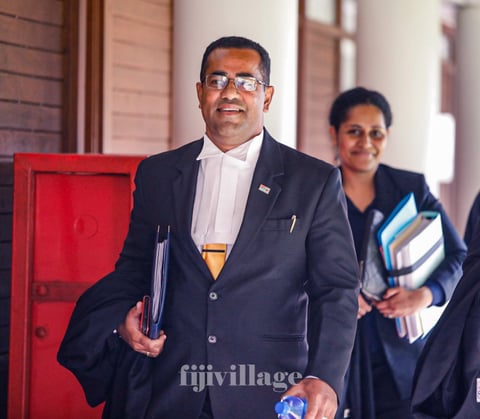
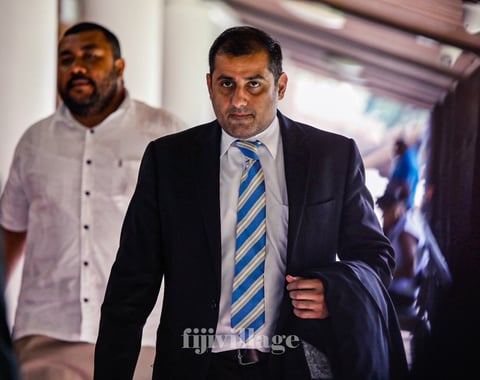
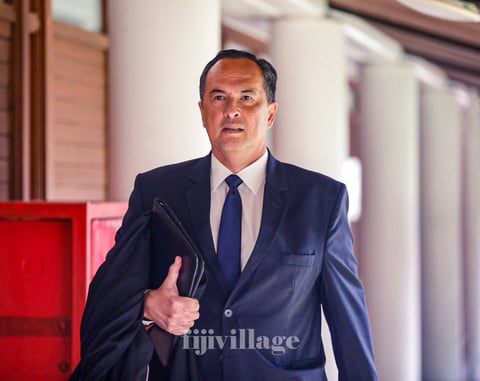
Acting Minister for Justice, Filimoni Vosarogo and Solicitor General, Ropate Green appeared for the State.

Prime Minister Sitiveni Rabuka has expressed his satisfaction with the Supreme Court’s opinion on the 2013 Constitution.
Rabuka described the judgement as balanced.
The Supreme Court has advised that the 2013 Fijian Constitution can be amended by the support of two thirds of Members of Parliament and a majority of those registered voters who vote for the change in a referendum after the parliamentary vote.
Chapter 11 of the Constitution currently requires 75 percent of the Members of Parliament and 75 percent of all registered voters in a national referendum to vote for changes in any other section of the Constitution.
In their opinion, Chief Justice Salesi Temo says that for stability, the provision for amendment does not extend to the immunity section of the Constitution which means the immunity from prosecution for those who carried out the coups of 1987 and 2006 will stay and cannot be changed.
Chief Justice Temo also states that the Supreme Court has given it’s opinion that the 1997 Constitution is not valid as we have had 3 general elections under the 2013 Constitution.
29/08/2025
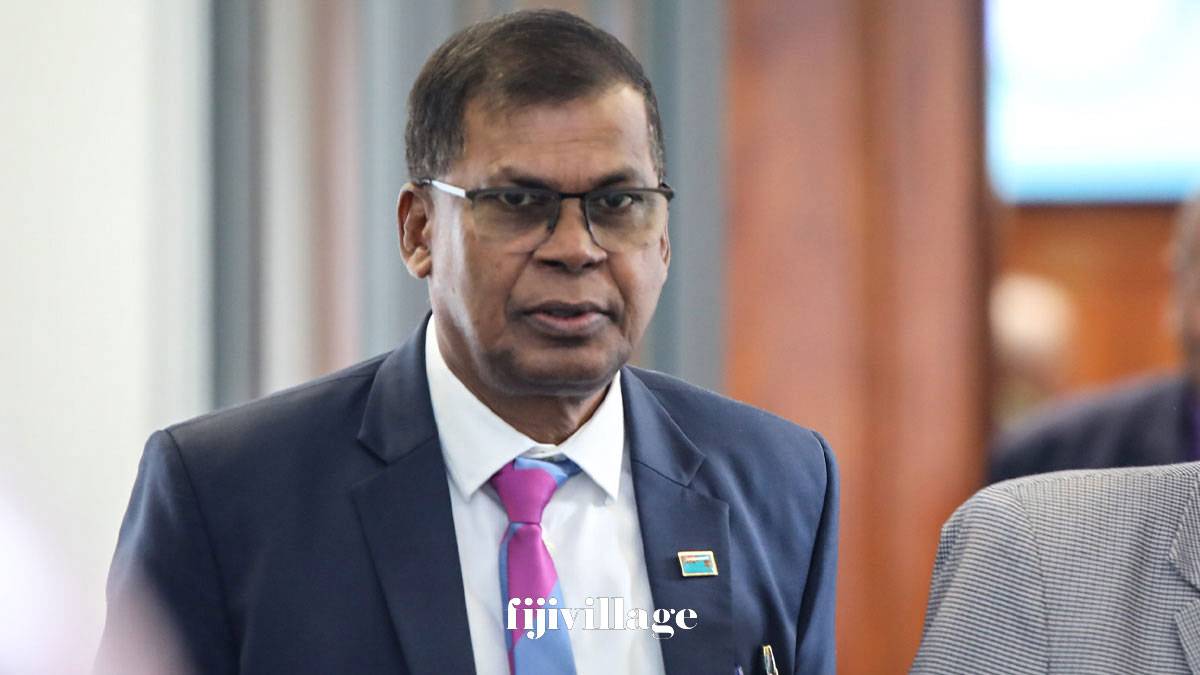
Deputy Prime Minister and Minister for Finance Professor Biman Prasad says although they have yet to take legal advice on the full legal implications of the Supreme Court case, they believe the outcome is a just one as it returns to Fiji’s people genuine democratic control over their own supreme law.
While responding to the Supreme Court's opinion on the amendment provisions of the 2013 Constitution, Professor Prasad says now we can move to the next phase - to begin a full national dialogue into the constitution we all want, with a fully representative Constitutional Review Commission where all our people are heard and their views respected and taken into account.
He says this is a day for our citizens to celebrate and to begin the process of rebuilding our law and governance, finally consigning to history the legacy of dictatorship and disrespect of Voreqe Bainimarama and Aiyaz Sayed-Khaiyum.
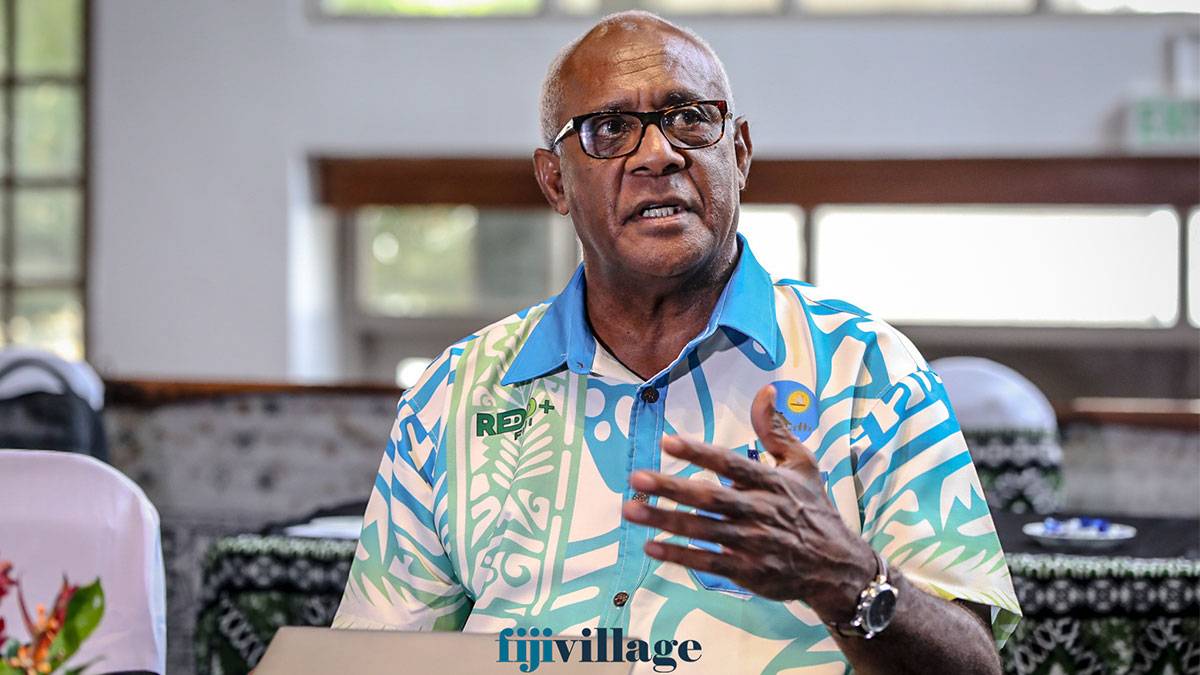
The Great Council of Chiefs acknowledges the Supreme Court’s advisory ruling issued today, which affirms the continued legal validity of the 2013 Constitution, while also recognising its "democratic deficit", acknowledging that it was “imposed on the people and not chosen by them.”
GGC Chairman Ratu Viliame Seruvakula says they note the Court’s reliance on the principles of common law in affirming the Constitution’s continued application—highlighting that it has served as the operating framework for governance, legislation, and national elections since its enactment.
Ratu Viliame says the Supreme Court also reaffirmed that certain provisions—particularly Sections 159 and 160 concerning the amendment process—are constitutionally entrenched and cannot be changed through ordinary parliamentary or referendum procedures.
He says while the ruling upholds the 2013 Constitution’s legal continuity, they continue to question its cultural legitimacy.
He emphasizes that this document lacks the customary dialogue and community endorsement integral to Fijian constitutional development—a process our traditions hold sacred.
The GCC Chairman says entrenchment without flexibility undermines democratic capacity.
He says the “unamendable” nature of certain provisions hampers their capacity to adapt and renew their constitutional framework in line with evolving societal needs.
Ratu Viliame says sustained resilience requires not rigidity, but a structure that balances protection with the wisdom to reform.
He adds that they respect the Court’s conclusion under the rule of law, and at the same time, the GCC stands for the voice of the iTaukei vanua and the broader Fijian sense of identity.
He says a constitution that endures must arise not just from legal machinery, but from lived values and communal consensus.
Ratu Viliame urges the nation’s leaders to consider pathways for inclusive and participatory constitutional review.
He says such a process must involve our chiefs, grassroots communities, civil society, the business community and industry professionals, women, the elderly, and youth, people living with disability, and others—ensuring that any future constitutional reforms are both legally sound, and culturally anchored and importantly, elevates and meaningfully addresses the needs of the most vulnerable in our society.
He also says today’s ruling reinforces that the 2013 Constitution remains Fiji’s supreme law, as interpreted under common law, and maintains entrenched provisions that preclude amendment under current procedures.
The GCC Chairman says, yet it also exposes an urgent democratic fissure—one that calls upon us all to chart a more inclusive, enduring, and culturally resonant constitutional future.
The Great Council of Chiefs reaffirms its commitment to supporting Fijians in honouring our shared heritage while advancing democratic values grounded in customary authority and collective will.
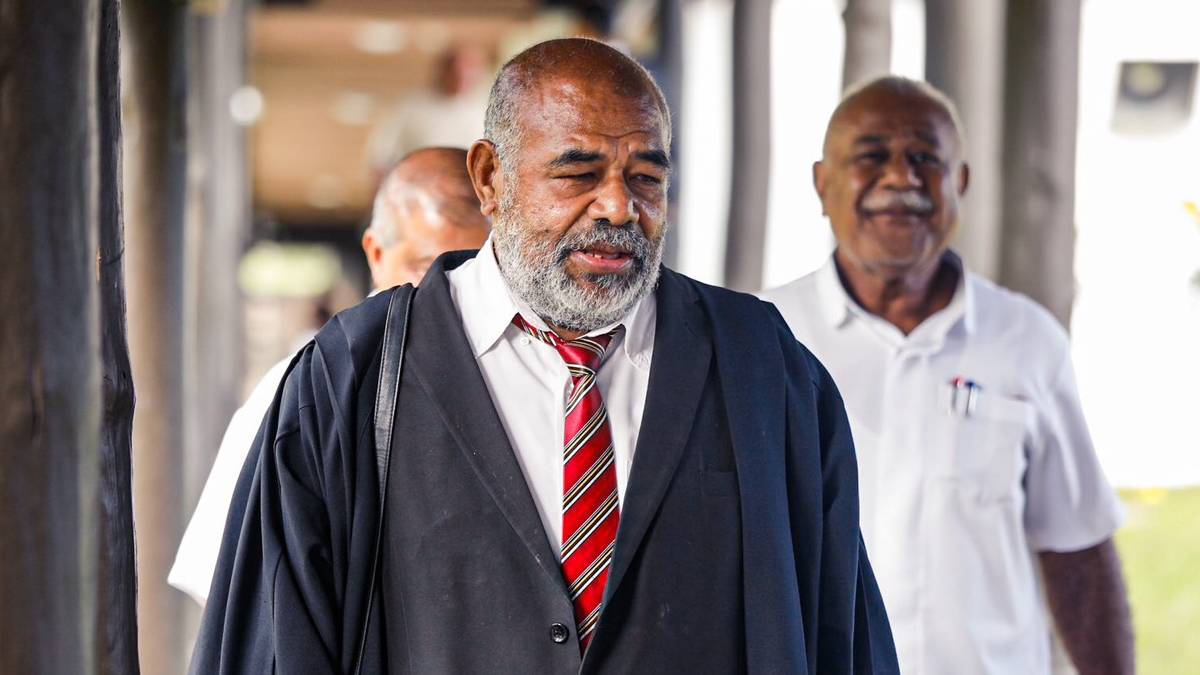
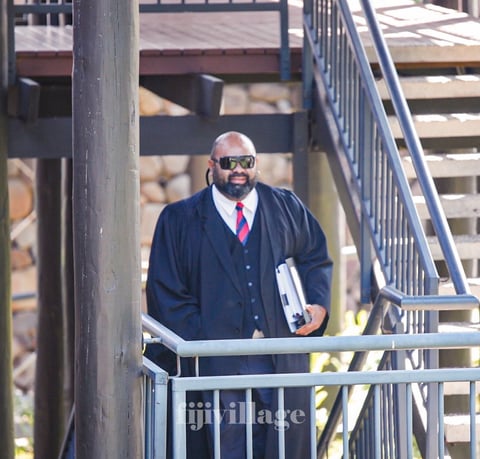
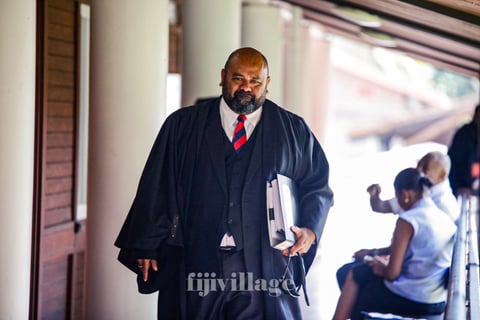
SODELPA lawyer Jolame Uludole says they are disappointed with the Supreme Court’s opinion.
Uludole says the 1997 Constitution is still a legal document that has been held by the Fiji Court of Appeal.
They will now have to follow the path set out for constitution amendment which is to get two thirds support in parliament and a majority of those registered voters who vote in a referendum.
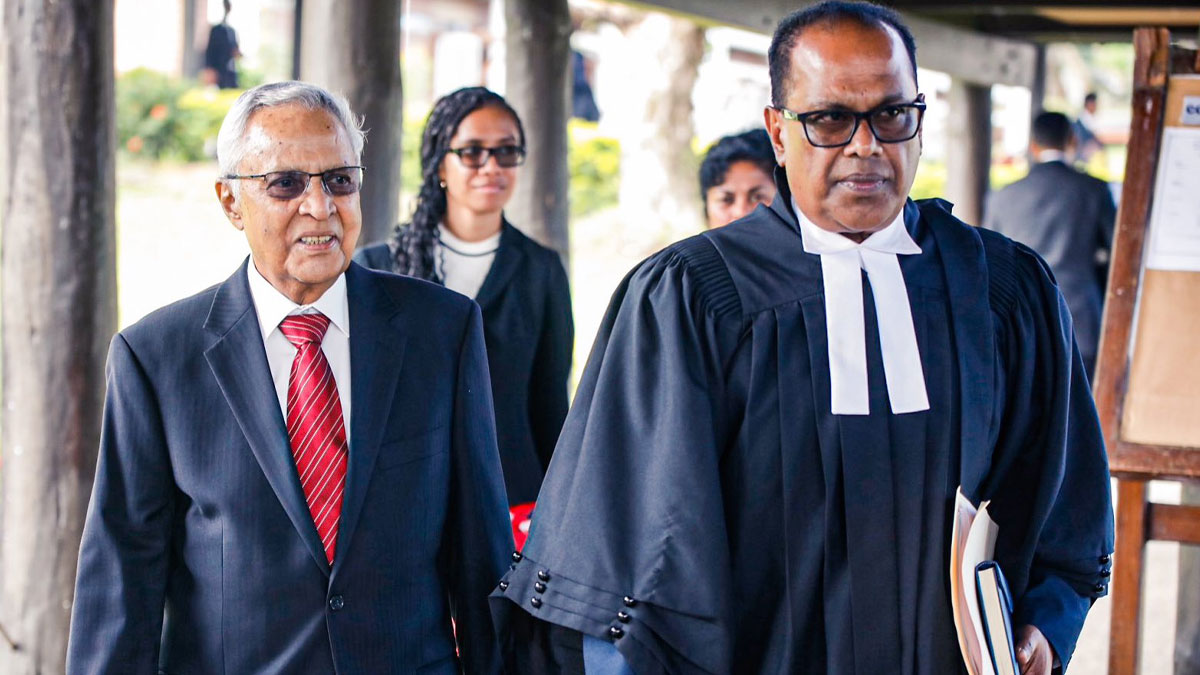
We have found the middle ground that the people were looking for.
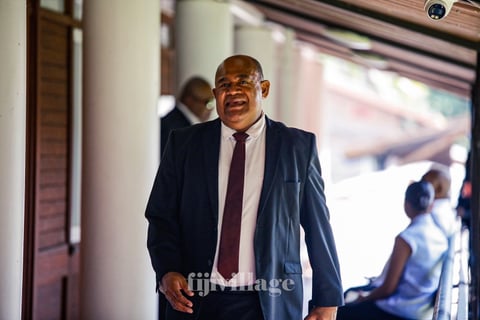
This was stated by Fiji Labour Party Leader Mahendra Chaudhry after the Supreme Court advised that the 2013 Fijian Constitution can be amended by the support of two thirds of Members of Parliament and a majority of those registered voters who vote for the change in a referendum after the parliamentary vote.
Chapter 11 of the Constitution currently requires 75 percent of the Members of Parliament and 75 percent of all registered voters in a national referendum to vote for changes in any other section of the Constitution.
In their opinion, Chief Justice Salesi Temo says that for stability, the provision for amendment does not extend to the immunity section of the Constitution which means the immunity from prosecution for those who carried out the coups of 1987 and 2006 will stay and cannot be changed.
Chief Justice Temo also states that the Supreme Court has given it’s opinion that the 1997 Constitution is not valid as we have had 3 general elections under the 2013 Constitution.

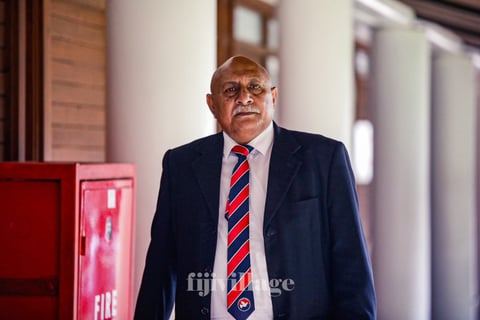
Unity Fiji Leader, Savenaca Narube says they are happy that at least some decisions have been made today regarding aspects of the 2013 Constitution, making it easier for people’s voices to be heard on amendments.
Narube adds that Unity Fiji had plans to challenge the 2013 Constitution in court.
The Supreme Court has advised that the 2013 Fijian Constitution can be amended by the support of two thirds of Members of Parliament and a majority of those registered voters who vote for the change in a referendum after the parliamentary vote.
Chapter 11 of the Constitution currently requires 75 percent of the Members of Parliament and 75 percent of all registered voters in a national referendum to vote for changes in any other section of the Constitution.
In their opinion, Chief Justice Salesi Temo says that for stability, the provision for amendment does not extend to the immunity section of the Constitution which means the immunity from prosecution for those who carried out the coups of 1987 and 2006 will stay and cannot be changed.
Chief Justice Temo also states that the Supreme Court has given it’s opinion that the 1997 Constitution is not valid as we have had 3 general elections under the 2013 Constitution.
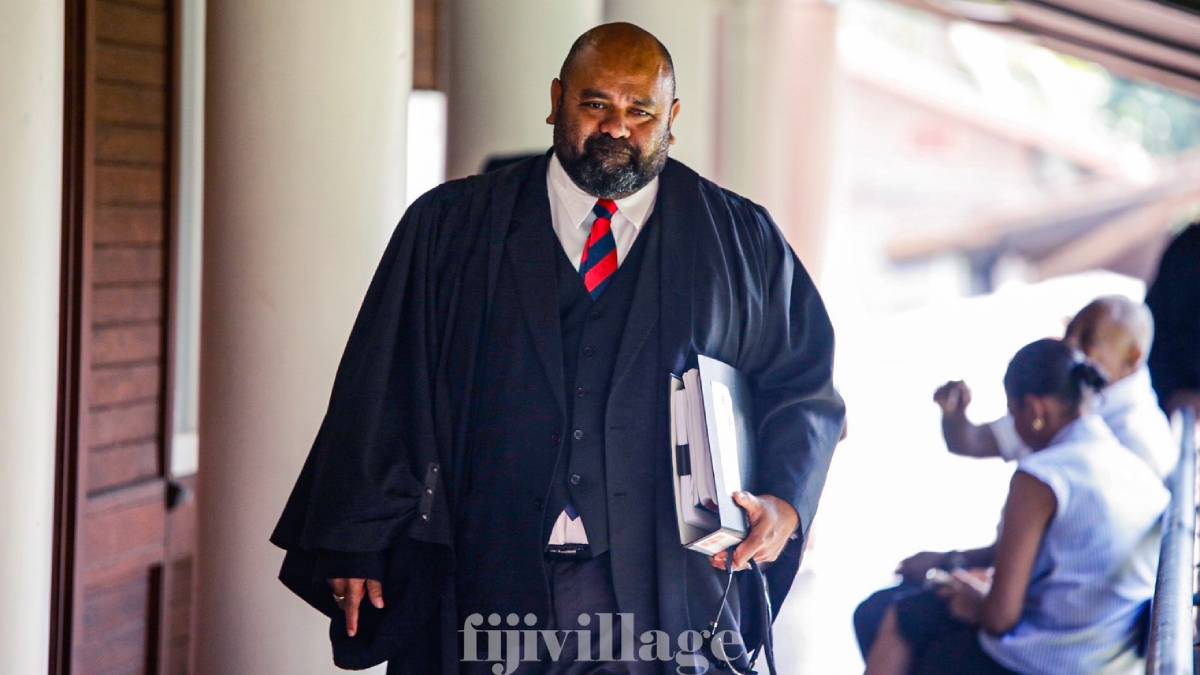
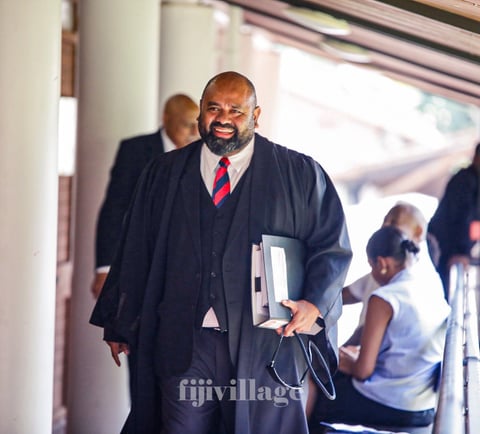
People’s Alliance Party lawyer Simione Valenitabua says it is a win-win situation for everyone.
Valenitabua highlighted this to the media after the Supreme Court advised that the 2013 Fijian Constitution can be amended by the support of two thirds of Members of Parliament and a majority of registered voters that vote for that change in a referendum after the parliamentary vote.
He says the positive takeaway from it is the retention of the 2013 Constitution, and also the reduction of the majority from three quarters to now two thirds in parliament and also the referendum simple majority which is achievable.
Valenitabua says they respect that in its jurisdiction, the Supreme Court exercises the first and last instance so there is no appeal further.
He says they have to work with whatever the opinion of the Supreme Court is to the Cabinet, and the weight is on Cabinet to move the machineries in order to look at how best to seek an amendment to the 2013 Constitution.
Click here for more stories on the Supreme-Court-Constitution-Case

Stay tuned for the latest news on our radio stations