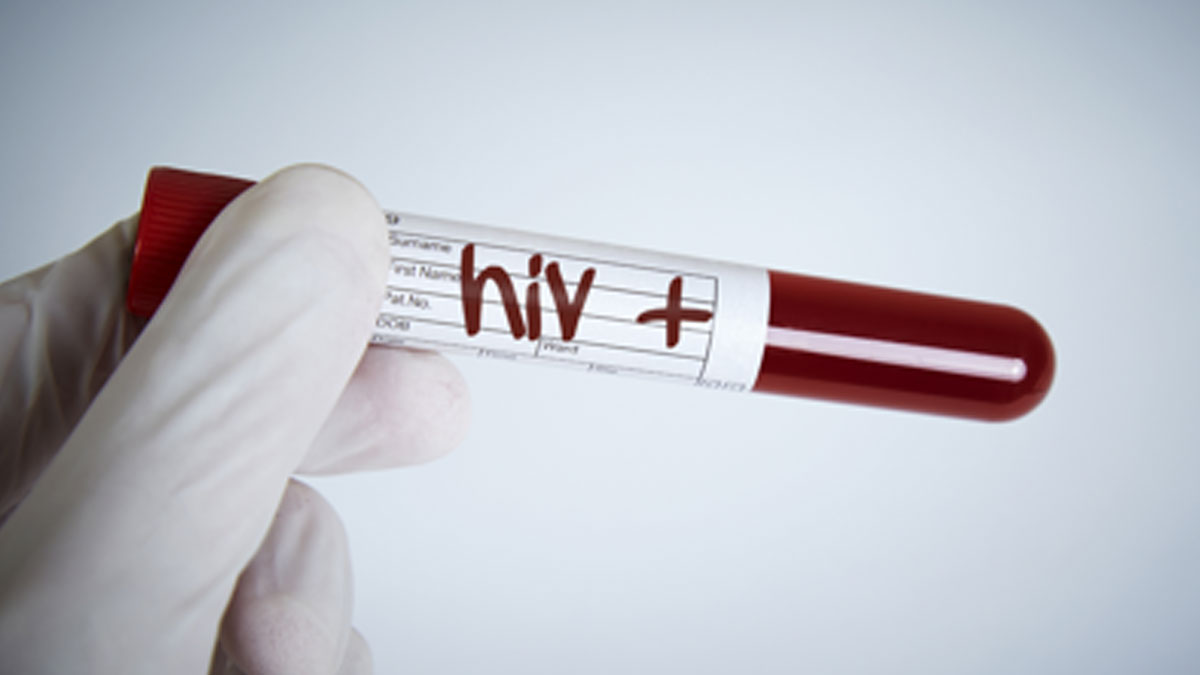
Fiji now has the world’s fastest growing HIV epidemic.
A UNAIDS report titled 2025 Global AIDS Update, AIDS, Crisis and the Power to Transform, states that since 2014, the number of new HIV infections in Fiji has risen ten-fold.
UNAIDS estimates that in 2014, there were fewer than 500 people living with HIV in Fiji.
Ten years later, that number was 5,900.
In 2024, only 36 percent of people living with HIV in Fiji were aware of their HIV status, and just 24 percent were receiving treatment.
Last year the number of people newly diagnosed with HIV in Fiji tripled from 2023 levels, with preliminary data indicating that half of people on antiretroviral therapy likely contracted HIV through sharing needles.
The report includes a case study highlighting the urgent need for harm reduction services for people who inject drugs in Fiji.
The HIV Outbreak Response Plan as well as the Counter Narcotics and HIV Surge strategies all call for the introduction of harm reduction programmes for people who inject drugs.
Founder of Drug Free World Fiji, Kalesi Volatabu says we will still need to raise awareness.
She says it is not just about giving out needles.
Volatabu stresses that it is about education but there are so many myths and misconceptions.
She says we have to educate the leaders first.
Volatabu says when the indigenous chiefs call, people will follow.
She says we also need the active involvement of the churches and the Government.
Medical Services in the Pacific (MSP) Fiji is prepared to implement a needle–syringe programme.
It is already supporting the scale-up of much needed HIV prevention, testing and linkage to care.
A mobile clinic goes to hotspot areas to provide a package of HIV and non-communicable disease services in areas with high levels of injecting drug use.
MSP Fiji Country Director, Railala Nakabea says since they started providing point-of-care (rapid) screening last year, the numbers have continued to escalate.
She says it is not only in the cities and towns, as they are also seeing positive cases in rural communities.
Nakabea says most of the cases they detect are among people who inject drugs.
MSP Fiji Medical Officer, Kesa Tuidraki reiterates the importance of harm reduction alongside longer term and more widely accepted plans for the construction of a drug rehabilitation facility.
Tuidraki says it is not only HIV, they also have increasing hepatitis C infection, which is even more easily spread through sharing injecting equipment.
She stresses that rehabilitation does not address the immediate public health emergency.
The report shows that a historic funding crisis is threatening to unravel decades of HIV response progress unless countries make radical programming and funding shifts.
It also highlights the impact of recent large-scale cuts from international donors.
Despite marked progress in the HIV response in 2024, abrupt funding shortfalls this year have halted HIV prevention programmes and jeopardized treatment services.
UNAIDS Executive Director Winnie Byanyima says this is not just a funding gap — it’s a ticking time bomb.
She says they have seen services vanish overnight, health workers have been sent home and people — especially children and key populations—are being pushed out of care.
She adds key populations are groups at higher risk of contracting HIV including men who have sex with men, people who inject drugs, people in prisons and other forms of detention, sex workers and transgender people.
Although several countries are increasing national budget allocations, UNAIDS says the global HIV response cannot rely on domestic funding alone.
The report calls on the international community to urgently come together to secure the required funding, support countries to close the remaining prevention and treatment service gaps, remove legal and social barriers, and empower communities.
It says the Asia-Pacific risks a ballooning HIV epidemic.
In 2024 there were an estimated 6.9 million people living with HIV in Asia and the Pacific.
Next to Eastern and southern Africa, this is the world’s largest epidemic.
AIDS-related deaths have declined by half (53%) since 2010 with 150,000 lives lost in the region last year.
One of four new infections globally are in Asia-Pacific.
In 2024, 300,000 people were newly infected in the region. Since 2010, new HIV infections reduced by just 17%.
This region accounts for nine of the 32 countries where new HIV infections have risen since 2010. These are Fiji (3091%), the Philippines (562%), Afghanistan (187%), Papua New Guinea (84%), Bhutan (67%), Sri Lanka (48%), Timor-Leste (42%), Bangladesh (33%) and Lao PDR (16%).
UNAIDS adds that their hope to end the AIDS pandemic as a public health threat by 2030 in Asia-Pacific is now hanging by a thread.
Eamonn Murphy, Regional Director of UNAIDS Asia Pacific and Eastern Europe Central Asia says the region’s incredible strides are set back when a new person is infected every two minutes.
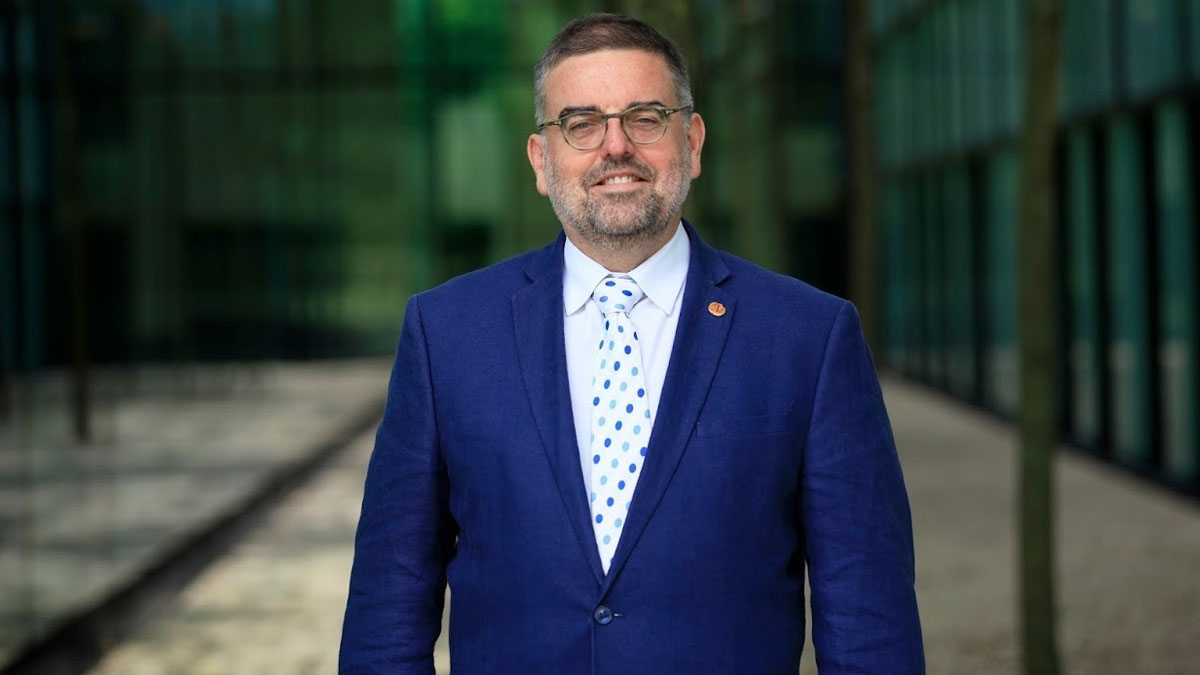
He called on governments and the international community to urgently and adequately fund effective prevention approaches including community systems, HIV treatment, and emerging long-acting technologies.
Stay tuned for the latest news on our radio stations