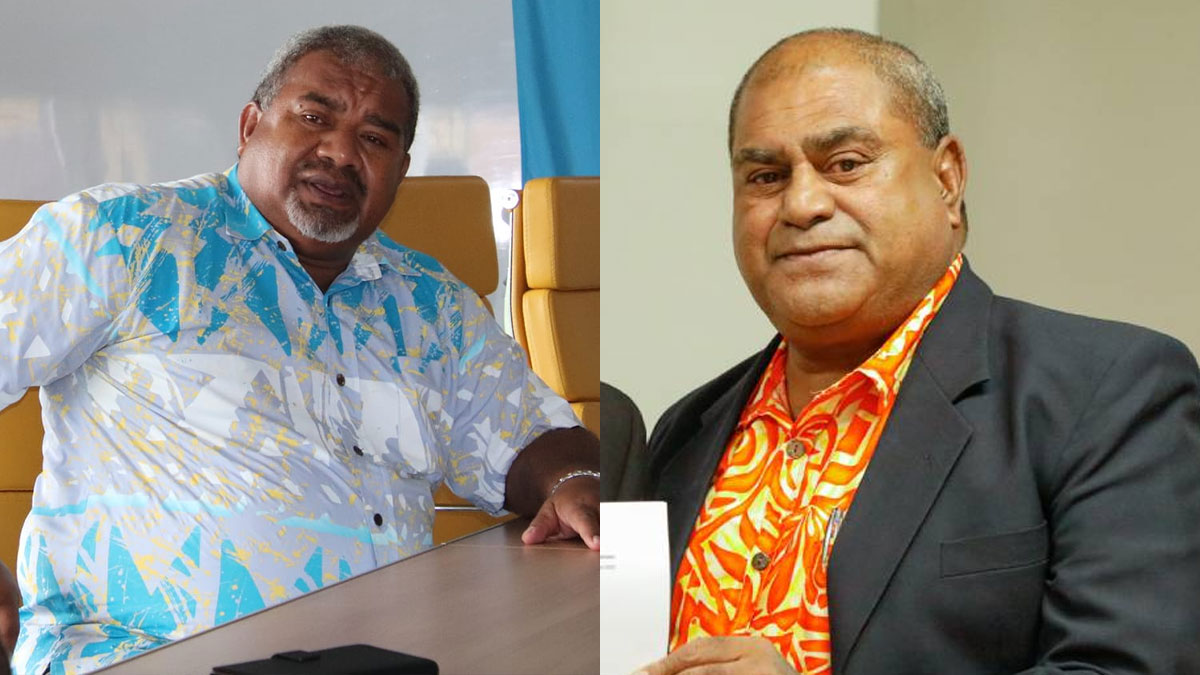
Fiji Hotel and Tourism Association CEO, Fantasha Lockington has raised concerns over the new harassment provisions in Section 75A of the proposed Employment Relations Bill, stressing the clauses are ambiguous and may have legal implications for businesses.
Speaking during submissions to the Parliamentary Standing Committee on Economic Affairs, Lockington mentioned that while they acknowledge the attempt to define sexual harassment under Section 75A(3), the Bill lacks the detailed implementation rules required to ensure clarity and fairness in its application.
She says the current provisions are inconsistent with the Human Rights and Anti-Discrimination Commission Act.
Lockington says that the businesses could face significant fines if a worker is found to have suffered harm, even when the employer’s actions were reasonable or justified, such as in cases of performance management.
The CEO says existing laws and workplace policies already provide sufficient legal frameworks for addressing sexual harassment and workplace bullying.
Lockington says there are undefined scope of harassment in the Bill, which includes verbal, physical and visual behaviour.
She questioned how subjective claims would be assessed and whether normal workplace interactions could be misinterpreted as unlawful conduct.
She further asked whether owners of buildings or organisations would be held liable if a sexual harassment incident occurred during an event by a third party who had hired the premises. Parliamentary Standing Committee on Economic Affairs Chair, Premila Kumar questioned how sexual harassment could be linked to the size of a business.
Lockington responded that they do not understand the connection and stressed that the size of the business should not matter.
She says sexual harassment is sexual harassment.
@fijivillage.com Fantasha Lockington raises concerns over confusion in harassment provisions of proposed Employment Relations Bill
♬ original sound fijivillage
The CEO adds that if an employer has created a safe workplace, trained all staff, and implemented strict anti-harassment policies, yet an external person commits an offence, it is unclear why the employer should be held responsible.
Lockington emphasised the need for a clear demarcation of responsibility under the Bill.
Click here for more stories on the Employment Relations Bill

Stay tuned for the latest news on our radio stations