The Fijian Competition and Consumer Commission welcomes the Government's decision to corporatise the Water Authority of Fiji, which aims to enhance WAF's operational efficiency and financial sustainability, ultimately ensuring better water services for all Fijians.
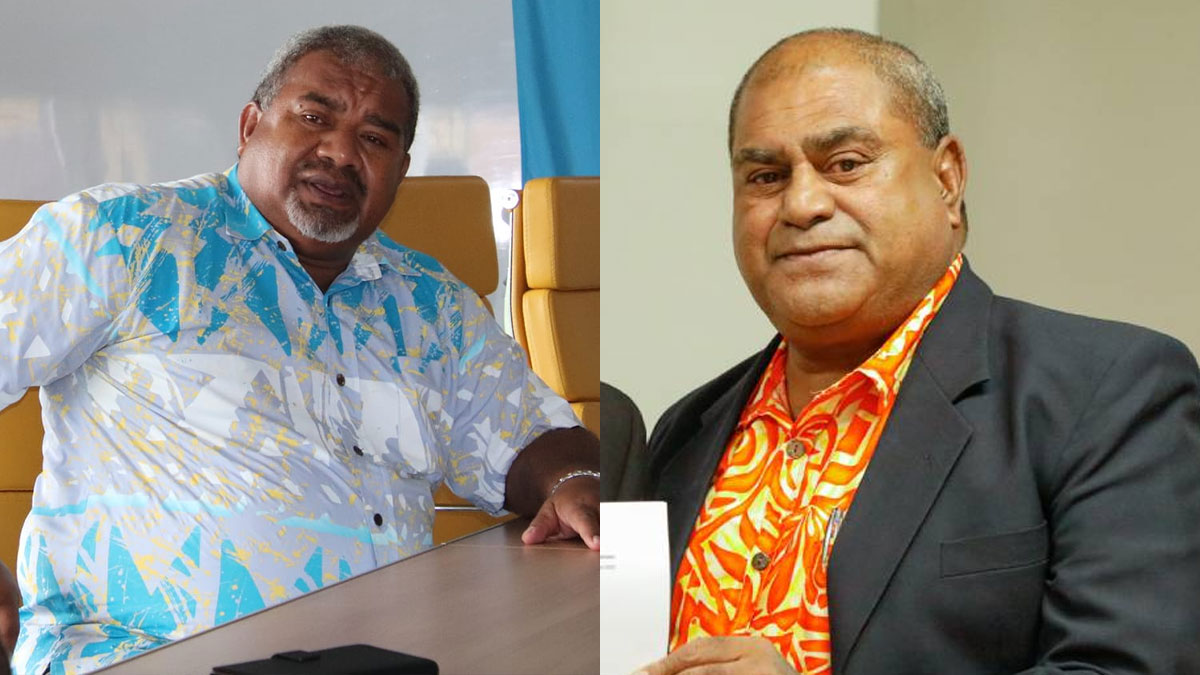
Deputy Prime Minister and Minister of Trade, Cooperatives, Micro, Small and Medium Enterprises and Communications, Manoa Kamikamica, says this is a pivotal step forward towards ensuring that all Fijians have access to reliable and high-quality water services.
He says this transition is designed to foster greater efficiency and financial stability within WAF, which is essential for the continued growth and development of the nation.
Kamikamica adds they are committed to working closely with FCCC to develop a fair and transparent water tariff structure that balances the need for sustainable operations with the importance of affordability for their consumers.
As part of this process, FCCC will thoroughly examine the water tariff structure to ensure it reflects the true cost of service provision while remaining fair and affordable for consumers.
FCCC says currently, Fijians pay one of the lowest water tariffs in the Pacific at 15 cents per 1,000 litres, however, this low rate has resulted in WAF receiving only a fraction of the income necessary to operate and invest sustainably.
FCCC Chief Executive Officer Joel Abraham says corporatisation may lead to cost-reflective pricing, where tariffs are set to cover the full cost of providing water services, including operational costs, maintenance, and capital investments. He says this shift ensures financial viability but may result in higher tariffs for consumers.
Abraham says their role in overseeing tariff setting becomes crucial under corporatisation, and they will ensure that tariffs remain fair, transparent, and justifiable, balancing the needs of the entity with consumer protection.
The CEO says increased operational efficiency driven by this change could also lead to cost savings, which, if passed on to consumers, could mitigate tariff increases.
He says they will monitor these efficiency gains and their impact on tariffs.
Abraham says the structure of tariffs might change, introducing different pricing tiers or mechanisms such as fixed charges, volumetric charges, or seasonal pricing, reflecting the true cost of water usage and encouraging conservation.
He adds robust stakeholder engagement will also be required in the tariff-setting process post-corporatisation, including consultations with consumers, industry stakeholders, and other affected parties to ensure transparency and acceptance of tariff changes.
The CEO says a corporatised WAF may prioritise investments in infrastructure to improve service delivery, and while the cost of these investments may lead to higher tariffs in the short term, the long-term goal is to enhance service quality.
Abraham says performance-based regulation may also be adopted, linking tariffs to performance indicators such as service quality, efficiency, and customer satisfaction.
He adds this approach incentivises meeting regulatory standards and improving service delivery.
FCCC says to support the transition and ensure the successful implementation, they will hire external consultants with expertise in urban planning, utility regulation, financial modelling, and tariff setting.
They say these consultants will provide critical insights and recommendations to develop a robust and equitable tariff structure and help WAF achieve its operational goals.
They add by leveraging external expertise, FCCC aims to enhance its regulatory capabilities, oversee the transition effectively and safeguard consumer interests, ensuring that any changes in water tariffs are justified, transparent, and in the best interest of Fijian consumers.
The Commission says they are dedicated to supporting WAF through this transformative period, with the hope that the corporatisation process will ultimately lead to improved water services, sustainable operations, and fair pricing.

Stay tuned for the latest news on our radio stations