People are being alerted to a highly deceptive scam video currently circulating online which is a deepfake, generated using artificial intelligence without the knowledge or consent of the individuals or institutions portrayed.
Fijian Competition and Consumer Commission says the video falsely portrays a Fiji Television news presenter and promoting a fraudulent financial investment platform, misusing logos and branding associated with both the Reserve Bank of Fiji and Fiji One News.
They say the clip falsely claims that consumers can “invest just $550 and earn up to $18,000 per month,” which is completely untrue and intended to mislead.
FCCC CEO, Senikavika Jiuta has warned the public to be wary of any get rich quick scheme and to only trust information from verified and official sources.
She says this is a dangerous misuse of technology that preys on people’s hopes and trust.
They are urging all Fijians to be cautious and to avoid engaging with or sharing such content.
Jiuta warns if it seems too good to be true, it probably is.
FCCC strongly condemns the use of any deceptive AI tools used to manipulate public trust.
They say scammers utilise deepfake technology to impersonate legitimate media or businesses and are part of an increasing trend of AI-generated fraud targeting consumers.
FCCC says they are also aware of another video circulating on the TikTok platform, where scammers are advertising a prepaid Mastercard that has supposedly arrived in Fiji.
They say this scam claims a monthly subscription charge of $9.95 from your local MPAISA Mastercard, promising a return of close to USD $2,000 to $4,000.
FCCC says the scheme involves users joining with an account that only allows withdrawals, initially requiring a $49.95 business joining fee, converted from the current currency of the user's country.
They say such scams involve tricking victims into purchasing prepaid cards and sharing card details or codes, often under the guise of urgent payments or requests for financial assistance.
FCCC says these scams frequently begin with unsolicited contact via calls, texts, or emails, creating a sense of urgency or panic to pressure victims into making hasty decisions.
Juita says the proliferation of such scams is very worrying and now, with the addition of AI-assisted scams, all Fijians, not just the vulnerable such as the elderly or those who are not tech-savvy, are equally likely to be fooled.
She says FCCC is dedicated to raising awareness on this and is developing materials to help people distinguish between AI-generated content and legitimate content.
FCCC is urging people not to invest in platforms advertised through suspicious or unsolicited videos, verify claims directly through official channels — such as the Reserve Bank of Fiji, FCCC, or licensed financial institutions and report fake or misleading content to FCCC. They are also urging people to stay updated through legitimate news outlets and the official pages of relevant agencies.
FCCC says they continue to monitor and investigate the spread of such scams in collaboration with the anti-scam taskforce and relevant stakeholders.
They urge members of the public to remain vigilant and report any suspicious advertisements or representations that misuse the names and images of public figures or institutions.

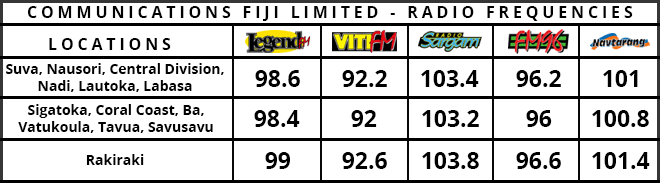
Stay tuned for the latest news on our radio stations