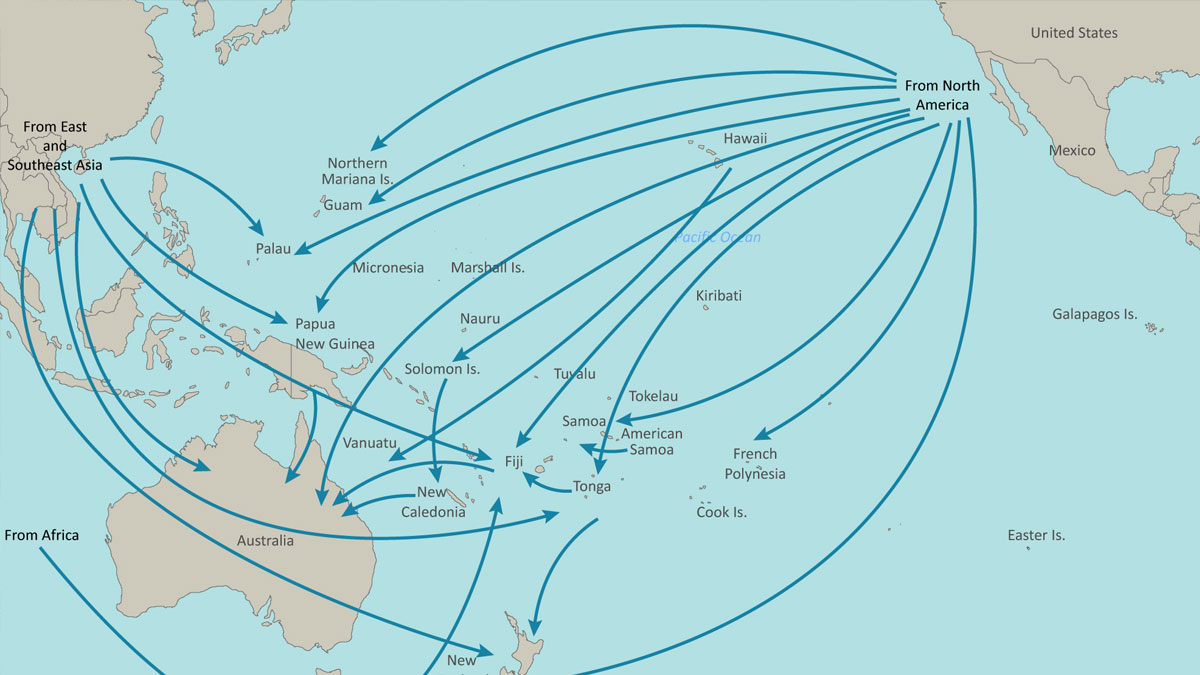
The United Nations Office on Drugs and Crime says criminal organizations that were strategically targeting lucrative markets in Australia and New Zealand ― where the street value of illicit commodities such as methamphetamine and cocaine is among the highest in the world ― are now also targeting the Pacific’s transit countries including Fiji.
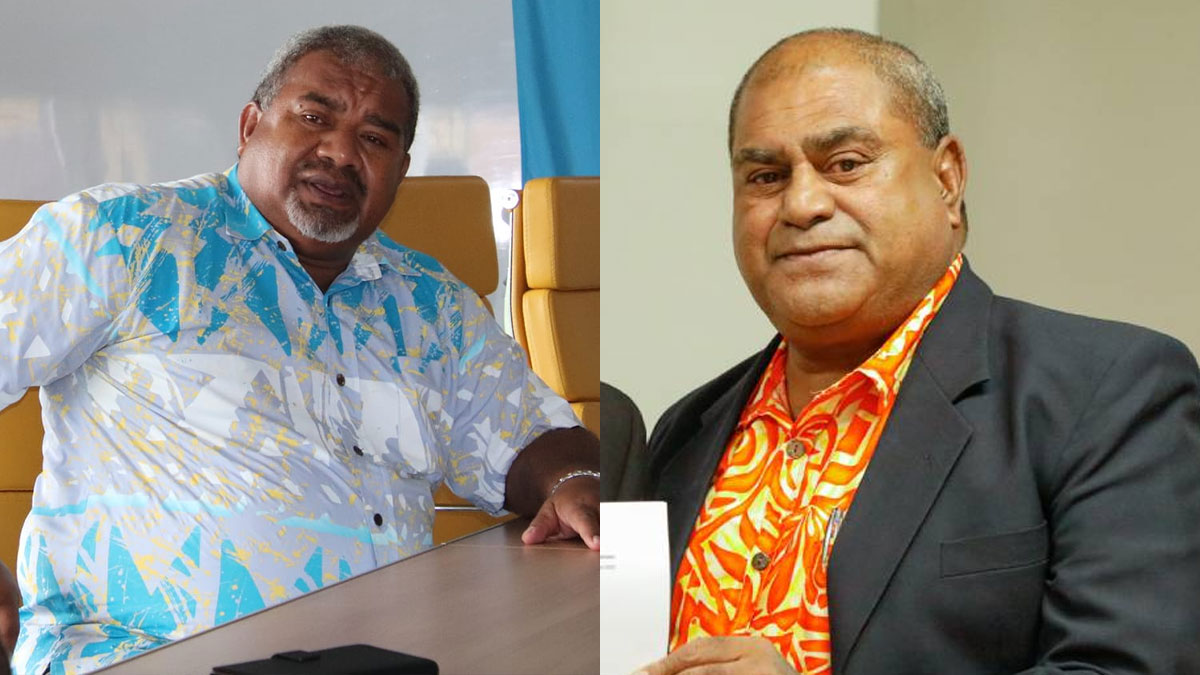
Deputy Secretary General of the Pacific Islands Forum Secretariat, Esala Nayasi says for far too long, organized criminal groups have been able to remain ahead and out of reach of law enforcement in the region.
Nayasi says our region and people are under attack.
The UNODC says recent statistics gathered by Fiji’s Ministry of Home Affairs show a “worrying trend” in the escalating volume of methamphetamine seizures, with reports suggesting “a significant uptick” in the last year.
The Ministry also notes that, not surprisingly, reports of increasing rates of addiction across the country are becoming common.
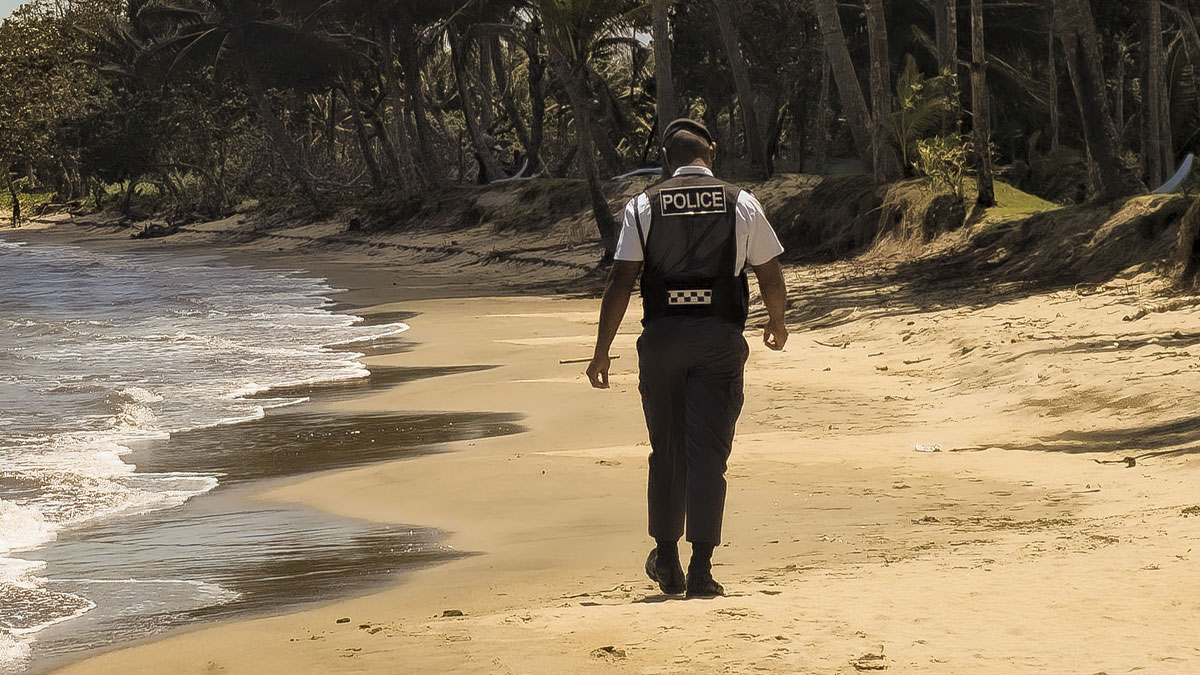
Beyond Fiji, Papua New Guinea and Tonga are also being targeted as destination countries for methamphetamine.
The UNODC says drug trafficking, money laundering and the proliferation of cyberfraud through massive scam centres being built into which workers are trafficked and abused, are only but a few.
Geographically and geopolitically, the island countries surrounded by the crystal-blue Pacific have always been in a strategic transshipment spot, but it is only in recent years that transnational organized crime is catching up with these globalized trade patterns.
The UN Office on Drugs and Crime (UNODC), together with the Australian government, is supporting countries to work together to stop this trend.
The report says there is also a boom in technology in the Pacific.
A darker side of that progress is reaching the region, with the establishment of illegal cyber-related scam centres into which thousands of people are being trafficked for exploitation.
Nayasi says it is sad that, every day, thousands of criminals go to work to steal the hard-earned money of innocent people across the globe, including here in the Blue Pacific Continent.
He says we cannot, and will not, let them win.
Other types of cybercrime such as technology-facilitated gender-based violence, cyberfraud, and online child sexual exploitation and abuse are on the rise too, thanks to increased interconnectivity.
Coordinator of UNODC’s Pacific Island Transnational Organized Crime programme, Matthew David Watson says only with an improved knowledge on the threats being faced do we enable a common understanding and the development of policies to address this.
Watson says with a common understanding, it is easier to incorporate functional and sustainable policies against transnational crime.
In close collaboration with the Pacific Islands Forum Secretariat, UNODC co-organized a regional multi-stakeholder event on organized crime strategies and gender and human rights mainstreaming in law and policy against organized crime.
The event, in the context of UNODC’s global efforts to strengthen transnational organized crime strategies, brought together representatives from the Pacific Islands Forum Secretariat, countries across the Pacific, and civil society organizations such as the Drug Free World Fiji, the Pacific Island Association for NGOs, Integrity Fiji, and faith-based organizations such as the Pacific Council of Churches, as well as key UN partners such as the Office of the United Nations High Commissioner for Human Rights, or OHCHR.
Addressing the emerging threat of drug trafficking in Fiji, UNODC contributed to the development of Fiji’s Narcotic strategy, collaborating with the Ministry of Home Affairs and Immigration to convene a national symposium on illicit drugs.
UNODC also partnered with local authorities to hold a national youth council in Dranikuila Village, Fiji, that brought together village chiefs, pastors and youth leaders to discuss strategies for preventing drug use and responding to addiction.

Stay tuned for the latest news on our radio stations