64 percent of women in intimate relationships in Fiji have experienced physical or sexual violence, and some data indicates that up to 72 percent of women aged 18 to 64 have experienced physical, emotional, or sexual violence in their lifetime.
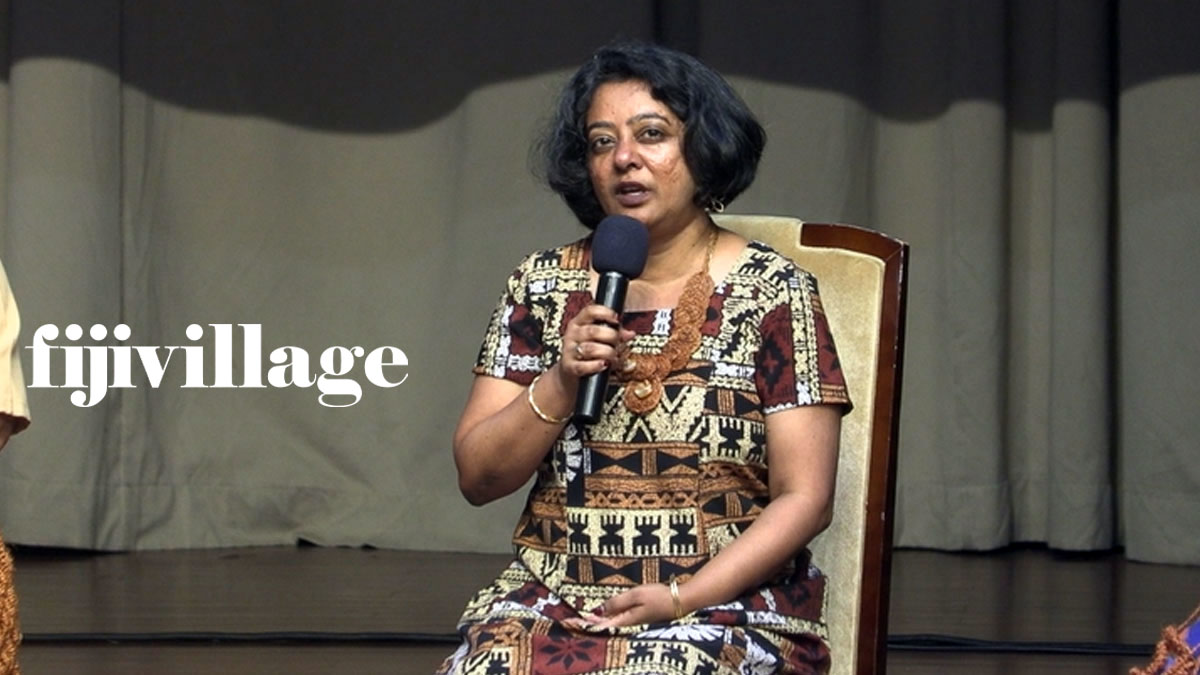
This has been highlighted by Minister for Women, Children and Social Protection Sashi Kiran in Parliament where se says access to justice remains central to addressing violence against women and girls, one of the most serious human rights challenges in Fiji.
She says the Office of the Director of Public Prosecutions recorded 18 sexual offence charges in March 2026 alone while a ten-year analysis by Fiji Women’s Rights Movement found that in 2025, 100 percent of victims in High Court rape cases were children.
Kiran says between 2020 and 2024, 4,159 child sexual offence cases were recorded nationwide, with 70 percent involving girls.
She has also highlighted that there is also a growing concern regarding violence against elderly women, with 122 cases reported in 2024 among women aged 60 and above.
The Minister says that while these figures may reflect increased reporting and growing trust in the justice system, reporting alone does not equate to justice.
She says women and girls continue to face barriers including geographic isolation, limited awareness of rights, stigma, and economic dependency, challenges that are also reflected in the CEDAW Committee’s 2025 Concluding Observations on Fiji.
Kiran says in response, the Government continues to implement the Domestic Violence Act 2009 and is expanding access to justice through legal aid services, safe shelters, helplines, community outreach, mobile service delivery, and strengthened referral pathways across police, health, and social services.
She says at the same time, they are investing in capacity building for frontline responders to ensure survivor-centred and gender-responsive approaches.
Kiran stresses that prevention remains equally critical where the National Action Plan for the Prevention of Violence Against All Women and Girls 2023–2028 is being implemented alongside strengthened nationwide awareness programmes to challenge harmful social norms and empower women and girls with knowledge of their rights.