Nearly 17 percent of Fiji’s population is living with diabetes, highlighting the growing burden of non-communicable diseases in the country.
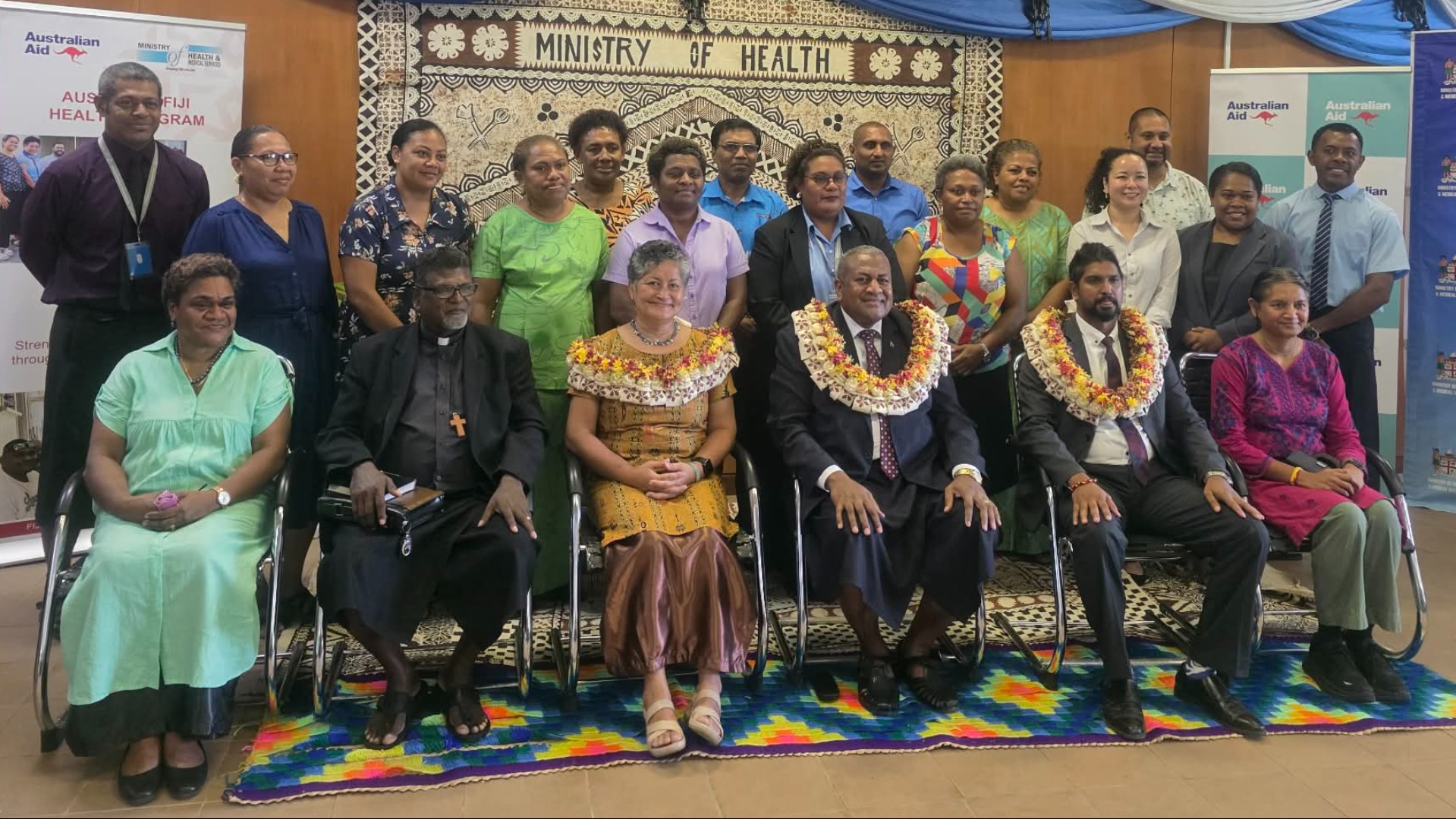
This was highlighted by Assistant Health Minister Penioni Ravunawa during the handover of diabetic foot care toolkits and autoclaves.
Ravunawa says findings from the 2025 STEPS survey show that 98.5 percent of adults aged between 18 and 69 have at least one major risk factor for non-communicable diseases, while 47 percent live with three or more risk factors.
He stresses that non-communicable diseases such as heart disease, diabetes, cancer and chronic respiratory conditions account for about 80 percent of all deaths in Fiji.
Ravunawa adds that the survey also revealed that 68.1 percent of adults in Fiji are overweight or obese, while more than one-third of thepopulation has raised blood pressure with low control rates.
Meanwhile, during the handover of 100 diabetic foot care toolkits and 10 autoclave machines to support health facilities across the country, Ravunawa says the equipment will help strengthen services at the primary health care level, allowing trained nurses to carry out daily assessments, proper foot care management and preventive treatment for diabetes patients.
He adds that untreated or poorly managed diabetes can lead to serious complications including heart disease, stroke, kidney failure, blindness, chronic wounds and amputations, placing pressure on families and the national health system.
Ravunawa also highlighted that many primary health care facilities, particularly in rural and maritime areas, continue to face challenges in maintaining safe sterilisation practices.
He says the autoclave machines will improve infection prevention, safe clinical procedures and healthcare waste management across health facilities in Fiji.