





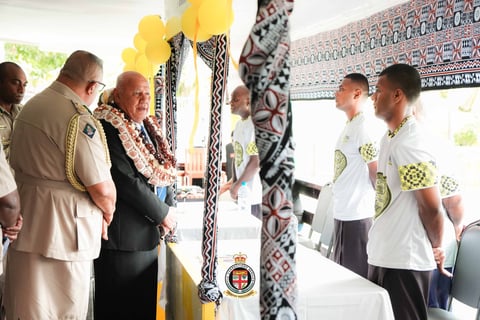






59 inmates under the care of the Fiji Corrections Service have secured employment through the "Throughcare programme", a reintegration model that connects eligible participants with employers.
Fiji Corrections Service Senior Psychologist Aisea Rainima told fijivillage News that most inmates in the programme are youths aged between 18 and 35 years.
Rainima says many of the offenders are involved in property crimes and drug users, who often face food and financial difficulties at home.
He is urging the youth of the nation to take ownership of the challenges they face.
During the Fiji Corrections Service Career Expo, Deputy Prime Minister and Minister for Tourism and Civil Aviation Viliame Gavoka announced a record-low recidivism rate of 0.58 percent.
Recidivism refers to how often people who have previously been convicted of a crime reoffend after being released.
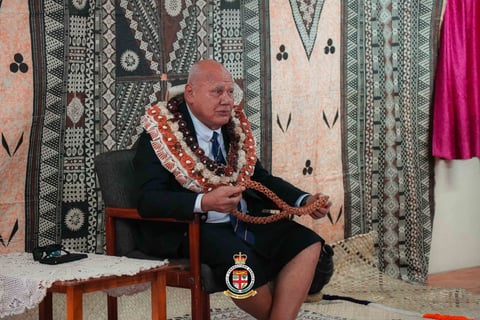
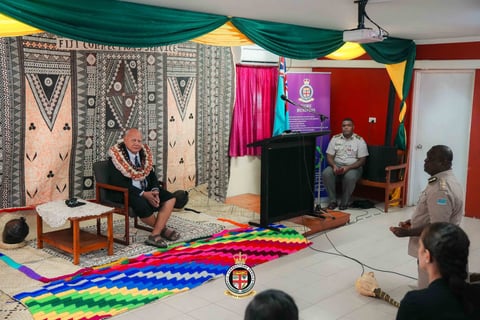
Gavoka officially opened the Expo at the FCS Coffee Shop in Korovou, Suva, and highlighted the nation's strong commitment to rehabilitation, community safety, and youth empowerment.
He says since its launch in 2018, the Career Expo has become a key part of Fiji’s National Development Plan, particularly in human development and community security.
The Deputy Prime Minister says the current recidivism rate marks a long-term drop from nearly 50 percent before 2006.
He credits the progress to the Yellow Ribbon Project, community awareness, and strong private sector partnerships.
Gavoka acknowledged companies such as Raiwaqa Bakery, Flow Valves, SNP, China Railway, Tanoa Group, Quality Print, and CJ Patel for offering stable employment to ex-offenders.
He says reintegration is when rehabilitation is truly tested, and employment remains the strongest factor in reducing reoffending, strengthening families, and supporting community safety.
Gavoka adds that national security is improved when individuals leave the corrections system rehabilitated and employed.
Speaking to the youth, Gavoka described Corrections work as a demanding but rewarding profession based on discipline, integrity, and service to the nation.
He encouraged young people to explore training, cadet programmes, technical roles, and leadership pathways within the FCS, saying Fiji’s future depends on responsible and disciplined youth choosing careers that contribute to national development.
He says over the next decade, young leaders will shape a smarter, more rehabilitative, and technologically advanced corrections system.
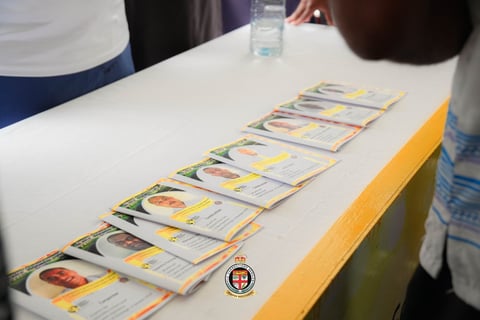
Gavoka also commended the Fiji Corrections Service for its continued commitment to rehabilitation and reintegration, and urged attendees to visit booths, meet officers, and learn more about building careers that support a safer and more prosperous Fiji.

Stay tuned for the latest news on our radio stations