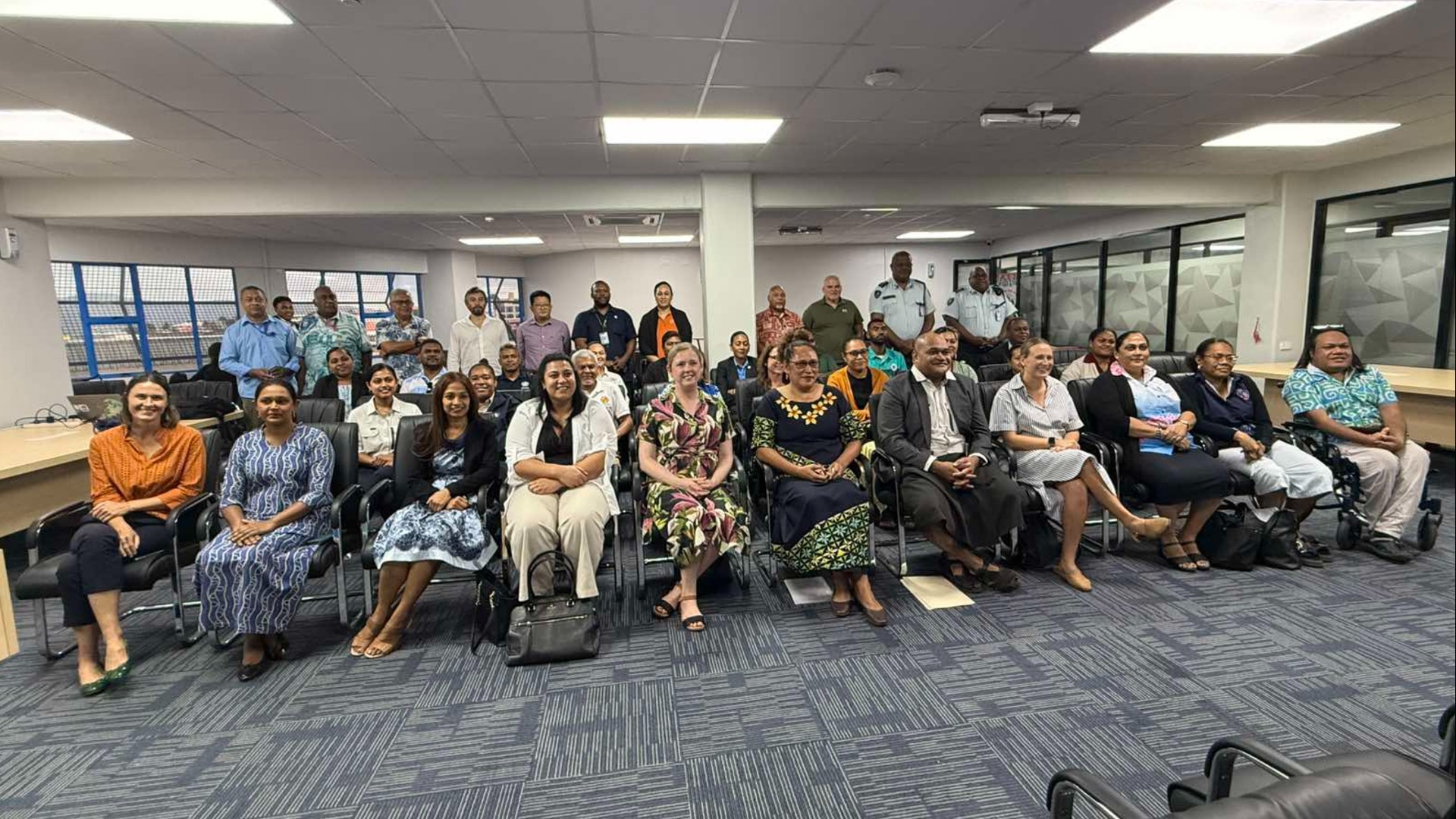
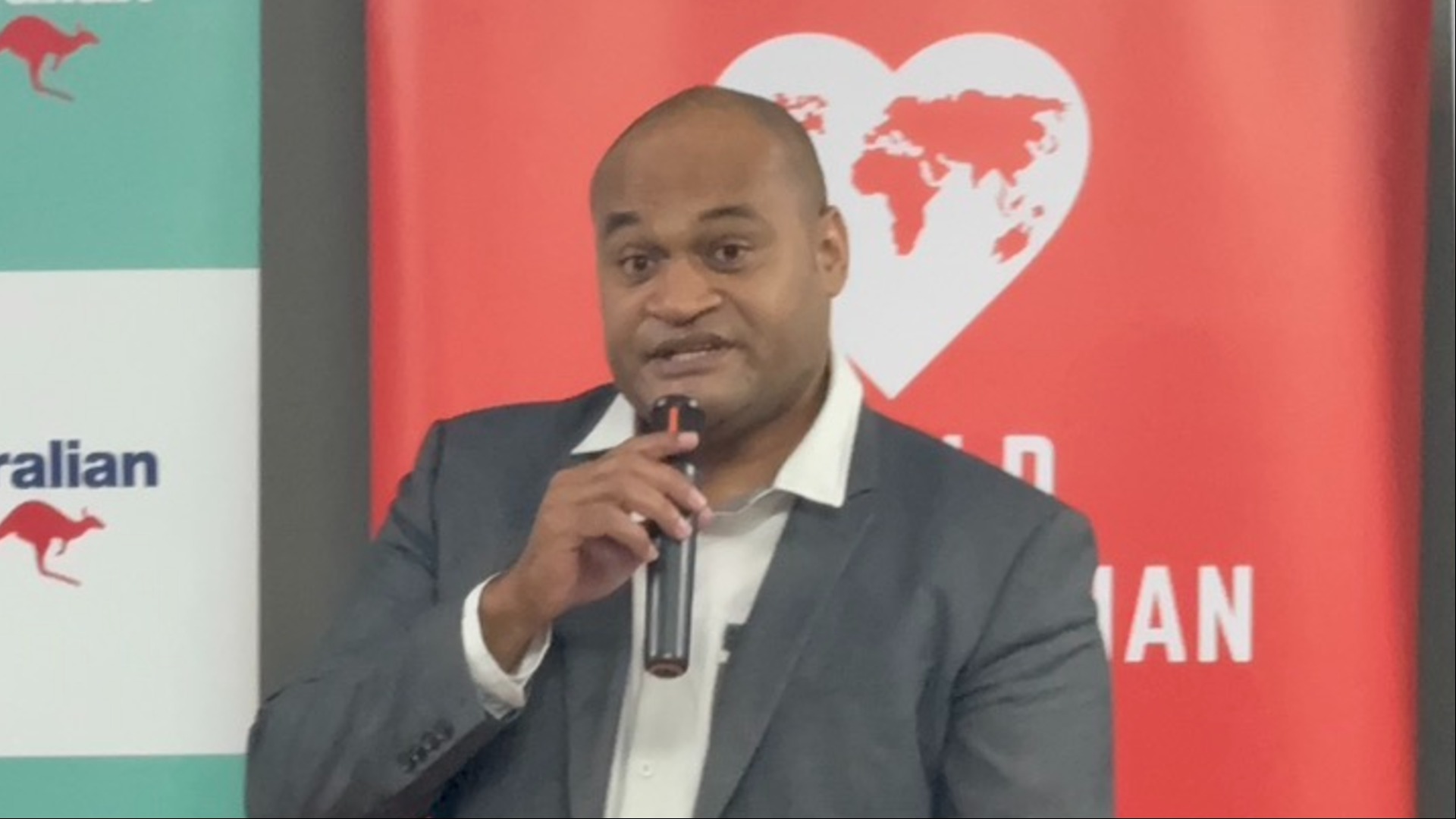
Speaking during the commemoration of World Humanitarian Day, NDRMO Director Napolioni Boseiwaqa says Fiji’s humanitarian system depends on a whole-of-society approach, with Government working alongside civil society, volunteers, communities, development partners, the private sector and international organisations.
He says Fiji continues to experience the impacts of cyclones, floods, droughts, climate change, health emergencies and other crises, making strong coordination and preparedness essential.
Boseiwaqa acknowledges the contribution of humanitarian workers, volunteers and organisations who work to save lives, reduce suffering and protect the dignity of people affected by emergencies.
He also called for a moment of silence to remember humanitarian workers around the world who have lost their lives while serving communities in need.
The World Humanitarian Day event highlighted the growing risks faced by humanitarian workers globally, with more than a thousand humanitarian workers killed in the last three years, while many others have faced attacks, threats and violence.
Boseiwaqa says NDRMO is continuing work to strengthen Fiji’s humanitarian system through improved policies, better coordination mechanisms and stronger preparedness at national and community levels.
He says this includes the development of a Humanitarian Action Strategy and Volunteer Strategy to better recognise and support the contribution of volunteers.
Boseiwaqa also highlights the important role of organisations such as the Fiji Council of Social Services and the Fiji Red Cross Society in supporting vulnerable communities and strengthening locally-led humanitarian action.
He stresses that affected communities must remain at the centre of humanitarian response and thanked humanitarian partners, volunteers and organisations for their continued commitment to Fiji.
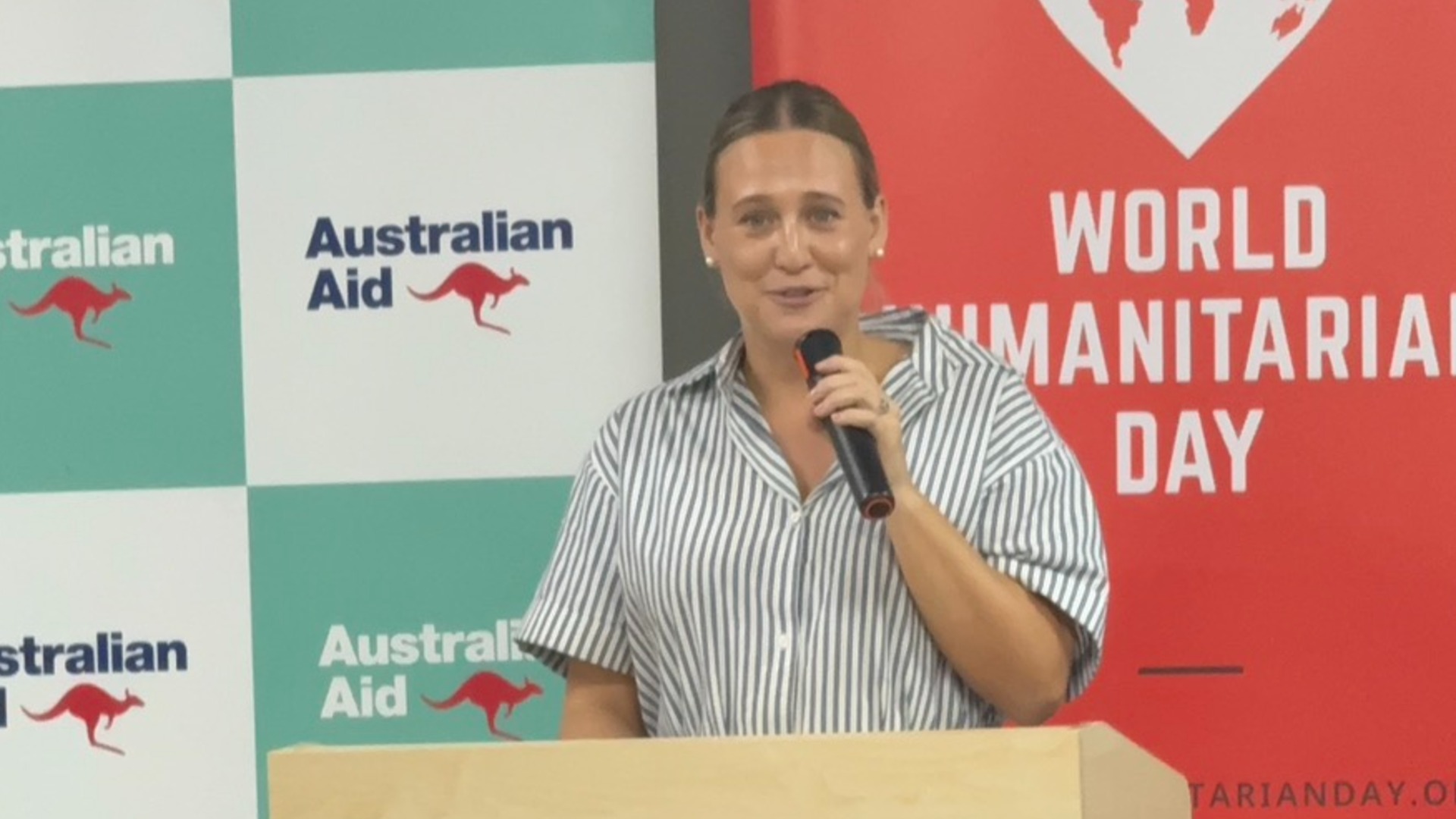
Meanwhile, Australian Diplomat Elizabeth Beard says protecting humanitarian workers and strengthening disaster preparedness remain critical as Fiji and the Pacific face growing risks from climate change and natural disasters.
Beard says this year’s World Humanitarian Day theme, “Act for Humanity,” highlights the increasing risks faced by humanitarian workers around the world and the need to protect humanitarian spaces.
She says humanitarian workers continue to provide vital assistance to communities affected by conflict, disasters and crises, often working in challenging and dangerous environments.
Beard says Australia, together with eight other countries, launched the Declaration for the Protection of Humanitarian Personnel in 2025, which aims to strengthen protections for humanitarian workers and promote adherence to international legal frameworks.
She says Fiji’s endorsement of the declaration demonstrates a shared commitment between both countries to safeguard humanitarian personnel.
Beard also acknowledges the contribution of volunteers, first responders, community leaders, government officials and civil society organisations who play an important role in humanitarian action.
She says the Pacific is facing an increasingly complex risk environment, with El Niño-driven droughts, seasonal cyclones and the impacts of climate change placing greater pressure on communities, livelihoods and essential services.
Beard says humanitarian action is not only about responding after disasters occur, but also about strengthening resilience, improving preparedness and ensuring communities are ready before emergencies happen.
She highlights Australia’s ongoing support through the Vuvale Partnership with the Fiji Government and NDRMO to strengthen disaster preparedness and response systems.
Beard says Australia supports NDRMO’s training programmes, which build the skills and capabilities of humanitarian responders while improving the safety and protection of those involved in emergency response.
She adds that Australia values its partnerships with civil society organisations, faith-based groups, disability organisations and women’s organisations across Fiji.
Beard says effective humanitarian action must be locally-led, inclusive and built on the knowledge and strengths of communities themselves.
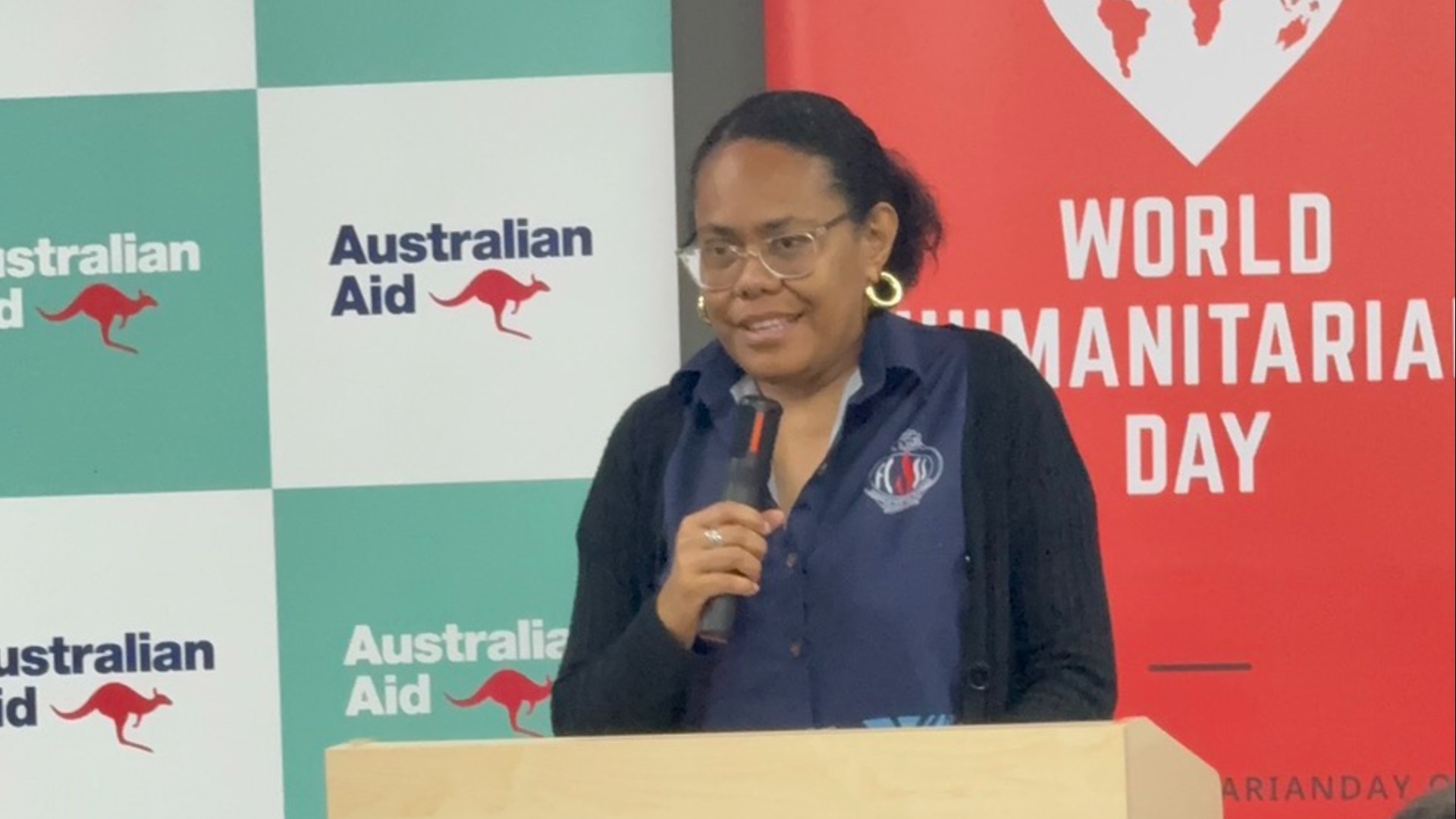
Also speaking at the event, Fiji Council of Social Services Executive Director Vani Catanasiga says communities, volunteers and civil society organisations have played a critical role in supporting Fiji during times of crisis and their contribution must continue to be recognised.
Catanasiga says Fiji’s experience during the challenging period between 2020 and 2022 showed that no single agency, ministry or sector could manage crises alone.
She says Fiji navigated those difficult times through strong collaboration between Government agencies, civil society organisations, academia, frontline volunteers and communities.
Catanasiga acknowledged NDRMO’s efforts in building relationships with community networks and volunteers, saying communities have recognised improvements in the agency’s engagement.
She referred to the FCOSS Kacivaka Scorecard, which assesses government agencies’ openness, and says NDRMO recorded improvements based on community feedback in 2021 and 2022.
However, Catanasiga raised concerns about some proposed disaster management regulations, saying they could create challenges for smaller community-based organisations, faith groups, youth groups and women’s networks.
She says requirements such as three years of independent audits and formal registration before operating could create barriers for local responders who are often the first to assist communities during disasters.
Catanasiga says some proposed suspension powers could also affect the independence of civil society organisations that provide important support to vulnerable communities.
She welcomed the formalisation of the humanitarian cluster system but said civil society organisations should be included in leadership roles to bring their experience and community knowledge into decision-making.
Catanasiga says humanitarian action in Fiji already exists within communities and disaster management must be “as local as possible and as international as necessary.”
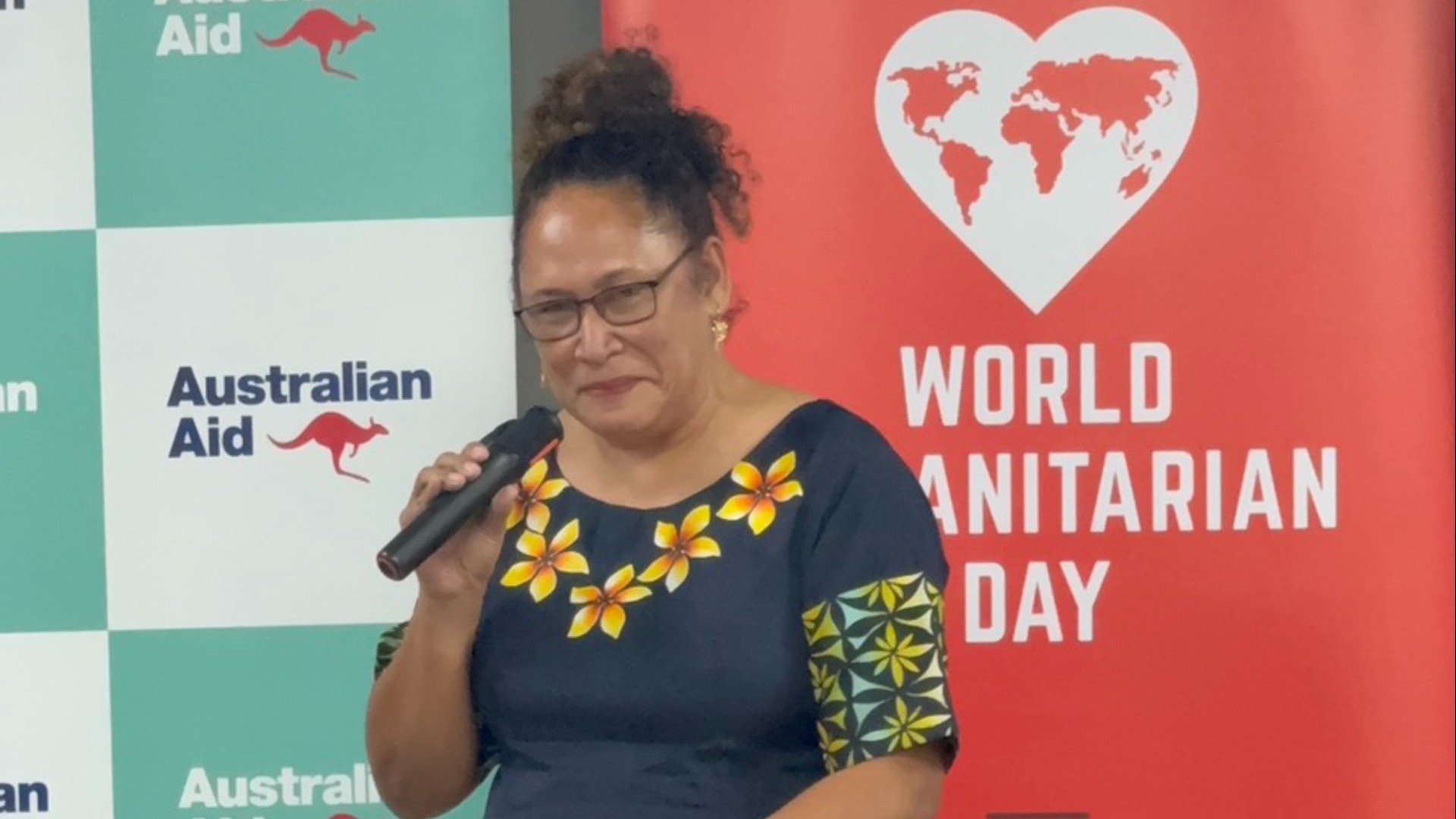
Meanwhile, Fiji Red Cross Society Manager Programmes Margaret Liebregts says humanitarian work must always remain focused on the people communities are trying to support.
Liebregts says while systems, coordination and reporting are important, humanitarian organisations must continue to ask what their work means for the people affected by disasters.
She says communities already have valuable knowledge about their own risks and challenges, and organisations must work alongside them, listen and create solutions that last beyond individual projects.
Liebregts says there is a difference between delivering a programme successfully and building something sustainable that continues to support communities in the long term.