Concerns have been raised that some communities may be missing out on development assistance, as figures show major differences in the number and value of projects approved across divisions and provinces from the Office of the Prime Minister.
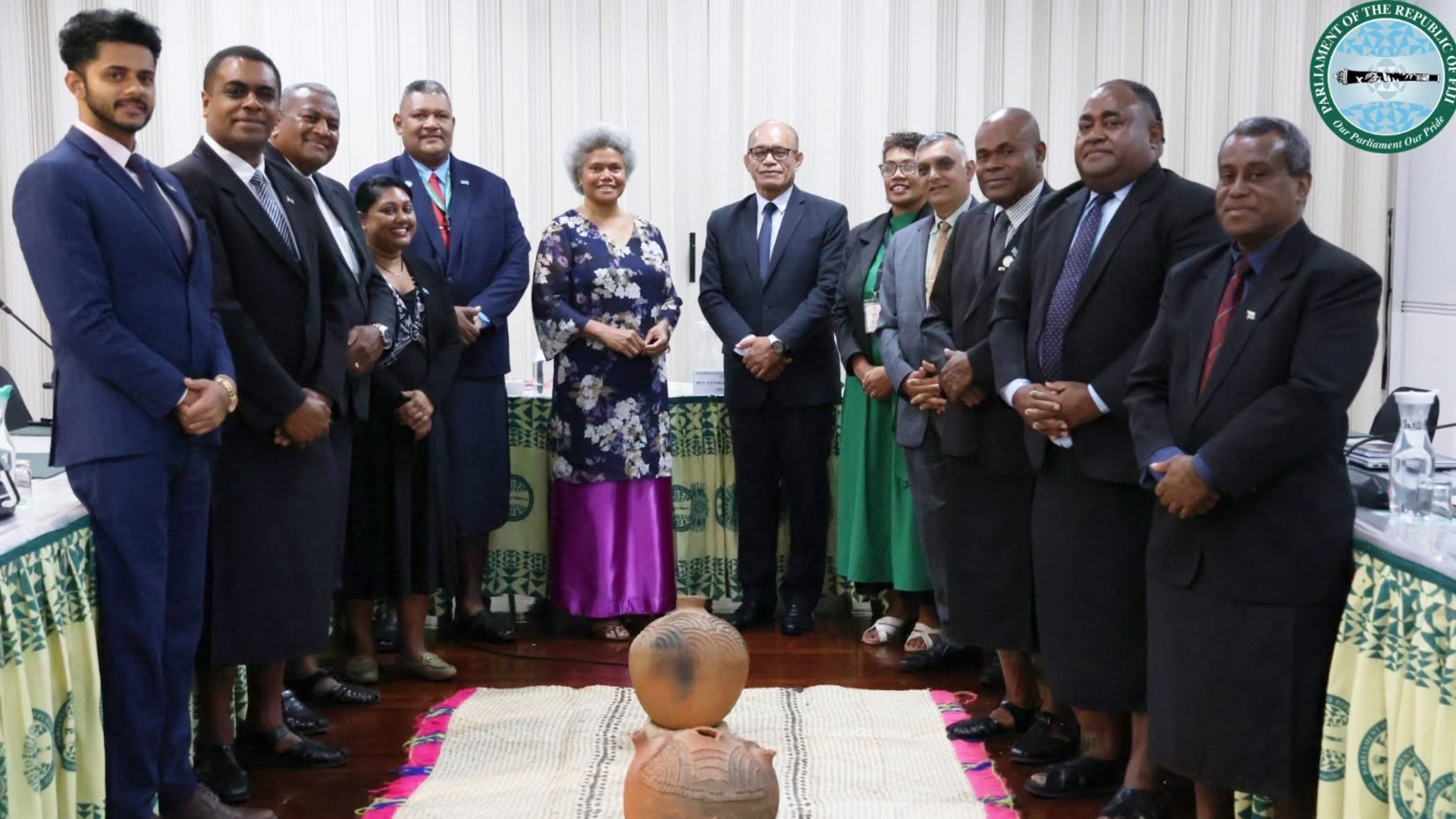
The concerns were raised during a submission by the Office of the Prime Minister to the Parliamentary Standing Committee on Foreign Affairs and Defence.
Opposition MP Virendra Lal questioned why there were significant differences in the number of approved projects across divisions and provinces, noting that some divisions received more than 100 projects while others received as few as 21.
Office of the Prime Minister representative Moape Rokosuka says the small grants scheme, now known as a development grant, is based on requests from communities, written applications and commitments made by the Prime Minister during rural visits.
Lal also highlights disparities in provincial allocations, where one province reportedly received 78 projects worth more than $1.2 million, while others received only one project valued at about $16,450.
Insert: Lal on disparities in allocation 8th June
Permanent Secretary for the Office of the Prime Minister, Dr Lesikimacuata Korovavala, says projects committed to by the Prime Minister during community visits are treated as commitments and funded accordingly.
He adds that some projects are redirected to line ministries if they fall under existing government programmes, which can affect allocation figures in reports.
Korovavala says differences in allocations also reflect the number of applications received from each area, with some provinces submitting significantly more requests than others.
He says the scheme operates with an annual allocation of between $1.2 million and $1.4 million, while requests total around $12 million, requiring projects to be prioritised.
Meanwhile, MP Rinesh Sharma also questioned how the impact of grants is measured and whether there is a framework to assess returns on investment and improvements in communities.
In response, Korovavala says some benefits cannot easily be measured, citing projects that improve access and safety for school children and rural communities.
He says verification teams assess projects immediately after completion and again three to six months later to determine whether they have met community needs and expectations.
According to Korovavala, more than 95 percent of communities provide positive feedback on completed projects.
Sharma also raised concerns about awareness of the grants scheme, noting that some provinces appear to submit very few applications to which Korovalala says the Prime Minister's public relations team promotes the scheme during provincial visits, public engagements and provincial council meetings, but communities must choose whether to apply.
He also addresses concerns about procurement and allegations of favouritism, saying standard operating procedures are followed, including consultations with provincial administrators, divisional commissioners and relevant authorities.
The committee also heard that demand for funding far exceeds available resources, with about $12 million in requests compared with an annual allocation of $1.2 million to $1.4 million.
Honourable Rinesh Sharma also questioned how the Government measures the return on investment from the grants scheme, noting that billions of dollars are spent on grants each year and asking whether there is a framework to assess how communities have benefited financially, physically or socially from funded projects.
In response, Permanent Secretary Dr Lesikimacuata Korovavala says some benefits cannot be measured through a formula. He cited an example where a community requested assistance to help school children cross a creek safely, saying the relief and peace of mind provided to parents when such problems are addressed cannot easily be quantified.
Korovavala says verification teams visit project sites immediately after completion and again three to six months later to gather feedback and determine whether projects have met the needs and expectations of communities.
He says that in more than 95 percent of cases, communities report satisfaction with the completed projects and often contact the Office of the Prime Minister to express their appreciation.
Assistant Minister for iTaukei Affairs Ratu Isikeli Tuiwalevu questioned how many projects remain outstanding across the provinces.
In response, Rokosuka says the Office of the Prime Minister had requested $10 million in this year's budget submission, reflecting the large number of pending projects still awaiting funding.