
24 January, 2026, 1:04 am Central - 25°C Clouds

Electricity tariff increase for users consuming more than 100 units

Electricity tariff increase for users consuming more than 100 units

By Mansi Chand
02/01/2026
There is an increase in the electricity tariff rate for consumers using more than 100 units from 1 January next year.

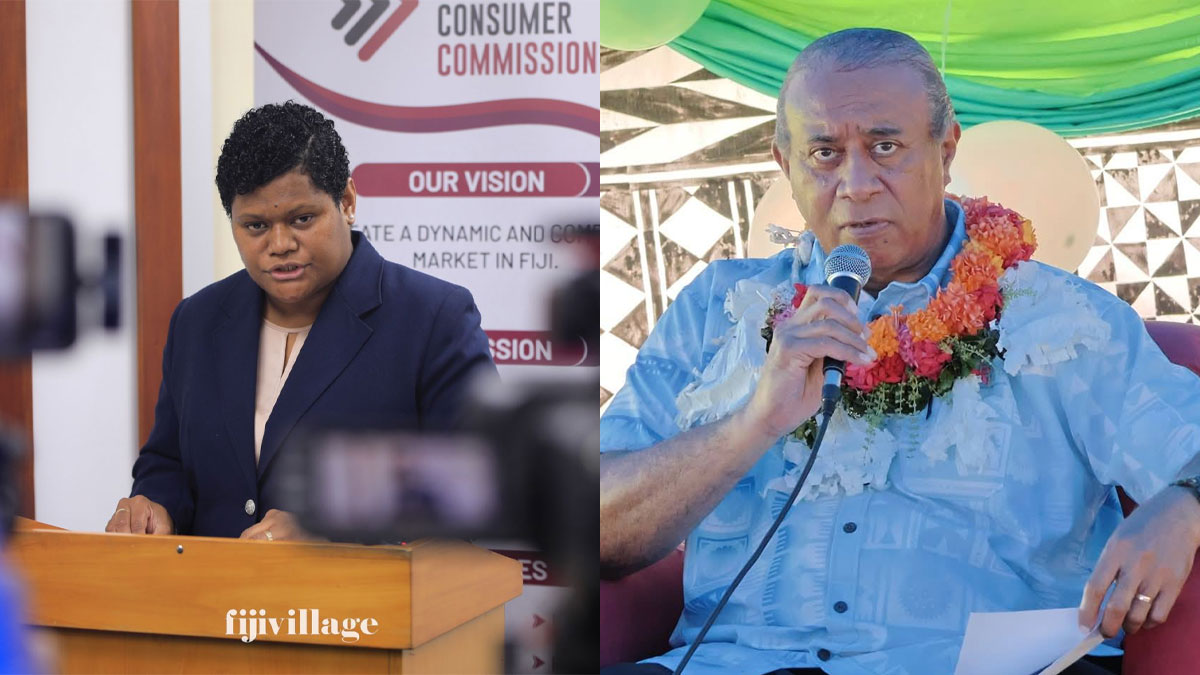
Fijian Competition and Consumer Commission Chief Executive Officer Senikavika Jiuta confirmed this during a press conference this morning, highlighting that the Commission had earlier rejected Energy Fiji Limited’s proposed 37 percent tariff increase.

She says the tariff increase was approved on 25th September this year.

The FCCC CEO adds that the decision protects vulnerable consumers, with no change in charges for domestic households using up to 100 units of electricity.

Jiuta also says the FCCC will continue to monitor the situation and hold Energy Fiji Limited accountable.

The Chief Executive Officer says approval was granted only because the revised plan is fair to the average consumer, necessary to maintain system reliability and to sustain Fiji’s future energy needs in a sustainable manner.

Jiuta says in Tier Two, which covers usage from 101 to 300 units, the new tariff structure will see a slight increase from 34 cents to 35 cents per kilowatt hour, an increase of about one cent per unit.

Jiuta says this increase will impact 76,952 families, accounting for about 40 percent of EFL’s total domestic customers.

In the third tier, which applies to usage above 300 units, there will be an increase of two cents, from 34 cents to 36 cents per kilowatt hour.

She says this tier represents about eight percent of domestic customers, or approximately 16,000 EFL customers.

For commercial customers, Tier One users will see the rate increase from 40 cents to 43 cents per kilowatt hour, an increase of three cents.

This affects 15,609 businesses, representing about 75 percent of total commercial customers.

Tier Two commercial users will see the rate rise from 40 cents to 50 cents per kilowatt hour, an increase of about nine cents.

This affects 4,158 businesses, or about 23 percent of commercial customers.

Tier Three users will see an increase from 40 cents to 57 cents per kilowatt hour, an increase of about 17 cents—affecting around 670 businesses.

Lastly, Tier Four users will see an increase of 22 cents, from 40 cents to 63 cents per kilowatt hour, impacting approximately 736 businesses.

The CEO clarified that the previous management had denied the application on four grounds, however, the board decision was based on only one issue, the absence of a Renewable Energy Capital Expenditure (Capex) Plan.

She says EFL later submitted its five-year Capex Plan.

When asked whether the public should have been given further opportunities to provide feedback, Jiuta said the same process and figures that were submitted by EFL in 2023 were resubmitted.

She further says that EFL is now focusing on entering agreements with Independent Power Producers, which was not done previously.

The FCCC says the decision follows extensive public consultations in 2023 across the Central, Western, and Northern divisions.

The CEO says the approval of the new tariff comes with strict conditions, including EFL achieving 90 percent renewable energy generation by 2029.

Public awareness sessions will also be rolled out nationwide, giving consumers the chance to understand how the new tariff works, ask questions and learn how to manage their electricity use more efficiently.


FCCC CEO defends independence after Ro Filipe expresses dissatisfaction on EFL tariff increase

By Mansi Chand
02/01/2026
Fijian Competition and Consumer Commission Chief Executive Officer, Senikavika Jiuta says the Commission is an independent body, following Minister for Public Works Ro Filipe Tuisawau’s expression of dissatisfaction with the approval of the increase in the electricity tariff.

Ro Filipe had earlier stated that the government’s position was clear that further consultations should have been carried out, and more time was needed before any increase was implemented.

Jiuta stressed that the Commission operates independently under the law, with Section 14 of the FCCC Act explicitly stating that the functions and determinations of the FCCC are independent.

She acknowledged that the Minister may not agree with the decision but noted that not all members of Cabinet share the same view.

Jiuta also defended the approved tariff increase, saying it was made in the best interest of the country after a thorough scrutiny of the figures submitted.

The CEO says the decision was made only after carefully analysing the numbers and considering what is necessary for the long-term benefit of the country.

She adds that they had several meetings with EFL regarding the increase.

fijivillage News has reached out to Ro Filipe Tuisawau for further comments.


FCEF calls on FCCC to suspend it's decision on electricity tariff increase

By Vijay Narayan
02/01/2026
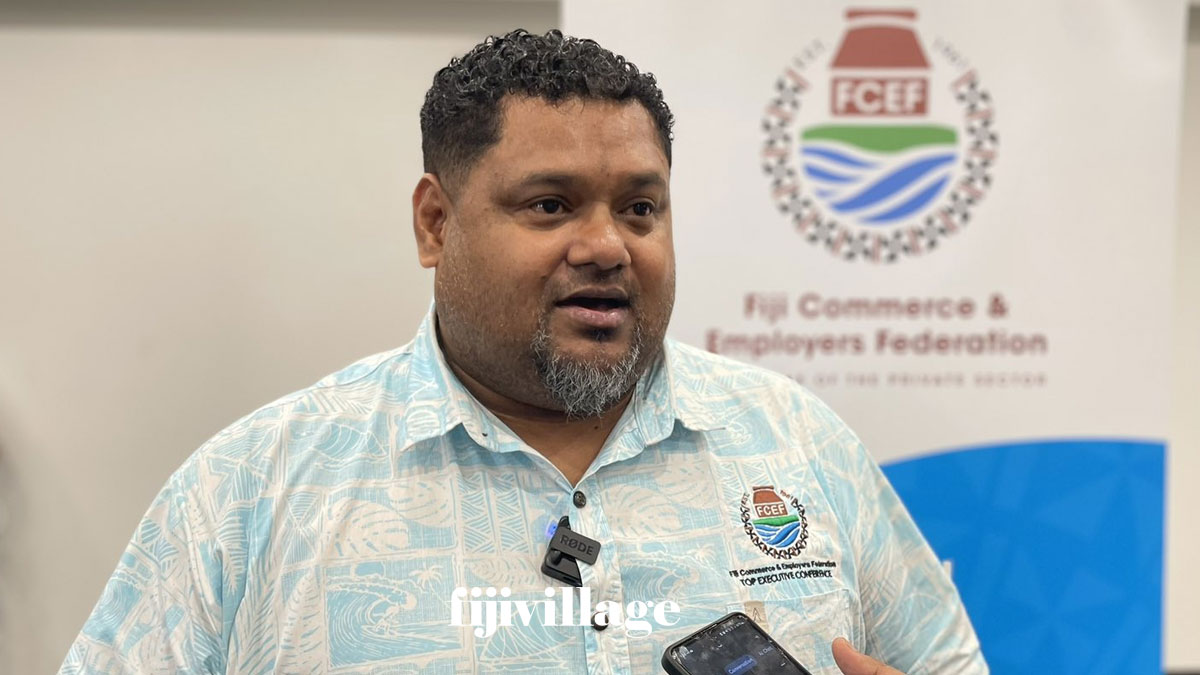
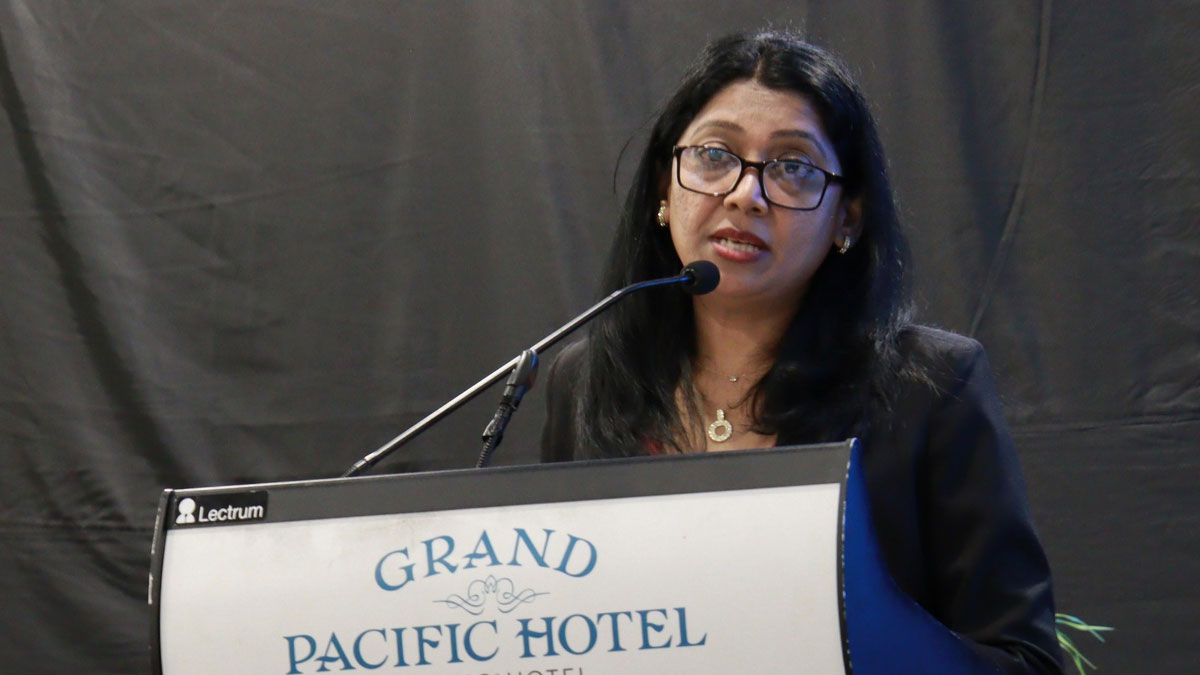
Fiji Commerce and Employers Federation CEO Edward Bernard
The Fiji Commerce and Employers Federation has strongly recommended that the Fijian Competition and Consumer Commission suspends its decision on the proposed electricity tariff increase and undertakes
nationwide consultations with the private sector.

FCEF CEO, Edward Bernard has highlighted the private sector’s deep concern regarding the absence of consultations with businesses and business organisations—key stakeholders and major contributors to Fiji’s economy in relation to the recent electricity tariff increase.
 
Bernard says while they respect the mandate of FCCC as an independent regulator and regulations that guide its work, they note that the Commission’s decision was based on its internal assessment of a revised proposal submitted by EFL, originally lodged in 2023 seeking a 37 percent increase.

Bernard says since that time, the cost of doing business in Fiji has risen sharply.

He says minimum wage has increased by more than 50 percent (86 percent over the past three years), corporate tax has risen by 5 percent, and the cost of sourcing and retaining workers has escalated significantly due to the ongoing labour and skills crisis.

Bernard says low productivity levels continue to erode the bottom line of many businesses, and this pressure is being felt across all sectors, sizes, ownership types, and geographic locations.

He adds utility costs, including electricity already represent a substantial portion of business expenditure.
Bernard says the tariff increase will further elevate these costs, with likely consequences for business expansion, investment decisions, and overall competitiveness.

He says this trajectory risks undermining national targets, including increasing MSME contribution to 22 percent and lifting investment to 20 percent of GDP by 2030.

While the Federation acknowledges the importance of investment in EFL’s Renewable Energy CAPEX Plan and its new five-year capital expenditure program, Bernard says it is imperative that the public, Government, and the private sector who are the end users of EFL’s services are consulted.

Bernard says EFL’s position as the sole major energy provider in Fiji further underscores the need for broad and transparent engagement.

The increase in the Commercial Customer tariff structure varies across the tiers, with Tier One (from 0 to 1,000 units) recording an increase of about 6.2 percent, Tier Two (from 1,001 to 5,000 units) rising by approximately 23 percent, Tier Three (5,001 to 10,000 units) by about 40.6 percent, and the Fourth Tier (10,001 and above units) seeing the highest increase of around 55.5 percent.

Bernard says FCEF stands ready to mobilize the private sector to support the consultations.

We are currently trying to get the comments of the FCCC CEO, the Prime Minister and the Minister for Public Works.


Ro Filipe raises concerns over EFL tariff increase

By Priya Nand, Rashika Kumar
02/01/2026
Minister for Public Works Ro Filipe Tuisawau has raised concerns over the consultation process prior to the increase in electricity tariffs.

Ro Filipe says that, as highlighted by consumers and the Fiji Commerce and Employers Federation, it appears the Fijian Competition and Consumer Commission is relying on consultations conducted for Energy Fiji Limited’s previous submission rather than a new one.

The Minister also says the increase is currently under review and that, as the Minister responsible for Energy, he and the Minister for Finance are considering options going forward before holding consultations with other stakeholders and within government.

He has also raised concerns about comments made by FCCC Chief Executive Officer Senikavika Jiuta, stating that not all members of Cabinet share the same view regarding the tariff increase.

Ro Filipe says such comments constitute a breach of protocol and are an issue that needs to be addressed.

Insert: Ro Filipe on FCCC CEO breaching protocol 23rd Dec

We have sought comments from the FCCC CEO and the Prime Minister. 


Minister requests FCCC to undertake further consultations on electricity tariff increase

By Vijay Narayan
02/01/2026
Minister for Finance and Commerce, Esrom Immanuel now says he has requested that the Fijian Competition and Consumer Commission undertake further stakeholder consultations and public awareness activities on the electricity tariff increase.

Immanuel says FCCC will respond to this request and provide a detailed report on the electricity tariff review by Monday.

Immanuel emphasises that any tariff review must carefully balance three critical dimensions: the role of the regulator, the discipline and transparency of the regulatory process, and the lived experience of consumers.

He stresses all three matter equally in ensuring fair, transparent, and inclusive outcomes for the people of Fiji.

Immanuel says the FCCC also briefed him that, in addition to Energy Fiji Limited, several other service providers have requested tariff reviews.

Many people including the Consumer Council of Fiji and the Fiji Employers and Commerce Federation have asked for a review of the electricity tariff decision as it will drastically affect people. 

Their main concerns include the lack of a new round of proper consultations after the EFL's 2023 submission to FCCC was rejected last year. 

They are also concerned that the cost of non price control items will rise which will affect everyone. 

They stress it is not just about people paying minimal increases in their electricity bills or not pay anything more if they use 100 units or less of power. 

We have sought further comments from the Prime Minister after he said that the Chairperson, Cecil Browne and the Chief Executive Officer of the FCCC, Senikavika Jiuta have assured Cabinet that comprehensive due diligence was undertaken prior to the announcement of the tariff increase. 

The FCCC CEO, Senikavika Jiuta has not responded to our questions sent earlier in the week.


More consultation, EFL tariff increase suspended

By Vijay Narayan
02/01/2026
The Fijian Competition and Consumer Commission will now suspend the 1st January 2026 electricity tariff increase and allow for a 21-day consultation. 

Following serious concerns raised by many sectors including the Consumer Council of Fiji and the Fiji Commerce and Employers Federation, the Minister for Commerce, Esrom Immanuel had asked FCCC to do a review on how the decision on the increase in tariffs was made.

The Commission says it also received mixed reactions after the increase was announced.

The FCCC CEO, Senikavika Jiuta had earlier maintained that they are independent and the decision on the increase stands.

However FCCC now says consumer groups, domestic, businesses, industries, government departments, political parties, social groups, and youth representatives are to make their submissions to FCCC. 

FCCC will publish the Non-Confidential version of EFL's submission dated May 2025 on its website.

FCCC says every consumer, trader - any concerned Fijian citizen - are invited to make submissions.

The additional consultation will provide each of you a further opportunity to submit your views.

This measure taken by the FCCC is an exception and all Fijians are urged to make submissions.

FCCC will also be reaching out to stakeholders, and in addition to the online survey, the public can also make their submissions in writing.

Many people including the Consumer Council of Fiji and the Fiji Employers and Commerce Federation had asked for a review of the electricity tariff decision as it will drastically affect people. 

Their main concerns include the lack of a new round of proper consultations after the EFL's 2023 submission to FCCC was rejected last year. 

They are also concerned that the cost of non price control items will rise which will affect everyone. 

They stress it is not just about people paying minimal increases in their electricity bills or not pay anything more if they use 100 units or less of power. 


Seruiratu says electricity tariff suspension is political theatre, not compassion

By Rashika Kumar
02/01/2026
Leader of the Opposition Inia Seruiratu
The 21-day stay on the increase in electricity tariff is a calculated piece of political theatre rather than a genuine act of compassion.

This has been highlighted by the Leader of the Opposition Inia Seruiratu, who says that while the Government uses domestic media to project an image of a “rescue mission”, the reality is that this crisis was facilitated by the very administration now claiming to solve it.

In a statement, Seruiratu claims decisions of this magnitude do not happen in isolation and under Fiji’s system of governance, the proposed tariff hike must have passed through Cabinet.

He says the initial endorsement by the FCCC was not a “rogue” action, but a process facilitated through established ministerial channels.

The Leader of the Opposition claims the Government is now attempting to distance itself from its own decision-making process only after gauging public outcry and immense pressure from the Opposition.

Seruiratu says true leadership requires foresight, not eleventh-hour damage control and if the Government prioritised public consultation, it would have mandated a wider consultative process before the FCCC ever gave its approval.

He claims this suspension appears to be a transparent attempt to bolster approval ratings rather than protect the interests of Fijian taxpayers.

Seruiratu says the suspension of the tariff increase for wider public consultation also raises serious concerns about FCCC operations and the capability of the board members, given it was the board that endorsed the increase.

He says questions can also be raised about the independence of the FCCC, as this situation suggests an initial political blunder followed by political interference to manage the fallout.

The Opposition is calling for immediate transparency to end this political staging.

They are also calling for genuine consultation, ensuring the review is a transparent investigation into EFL’s operational efficiencies, not a “box-ticking” exercise.

The Opposition is also calling for a clear plan for EFL’s requirements that does not involve returning to the pockets of the people once media attention fades.

Seruiratu also demands that the government provide a detailed explanation of why Joel Abraham was appointed as Chairperson of the FCCC, and under whose influence he was removed within a day.

He says as major shareholders of EFL, the Government must provide full disclosure on whether it was aware of the submission to increase the tariff.

He adds the Fijian people deserve a government that acts with integrity from the outset, rather than one that manufactures a crisis only to play the hero in its resolution.Questions have been sent to the Office of the Prime Minister. 


Electricity tariff rate consultation to begin next Tuesday

By Mansi Chand
03/01/2026
The electricity tariff rate consultation will begin next Tuesday, and the Fijian Competition and Consumer Commission (FCCC) is encouraging all Fijians to actively participate in these sessions.

The first phase of consultation will take place in the Northern Division:

January 6 – near Civic Centre in Labasa Town, 10am–3pm.

January 7 – Seaqaqa Town, in front of Legends Investment, 10am–3pm.

January 8 – Savusavu Town, in front of Savusavu Town Council Office, 10am–3pm.

The consultation will then move to the Western Division:

January 7 – B.L. Naidu Space in Sigatoka Town, 10am–3pm and FNPF Plaza in Nadi Town, 10am–3pm.

January 8 – New World Space in Ba Town, 10am–3pm and Lautoka, venue to be confirmed

January 9 – Courts Fiji and Max Value corridor, in Tavua Town, 10am–3pm and Rakiraki Town, venue to be confirmed.

In the Central Division:

January 13 – MHCC Hall in Suva, Valelevu, in front of New World Supermarket and Levuka Main Town, 10am–3pm.

January 14 – Rups Mega in Nakasi and Police tent in front of Max Value Supermarket in Nausori, 10am–3pm.

January 15 – Lami and Navua, venues to be confirmed, 10am–3pm.

FCCC says members of the public may also participate by submitting their views in writing or through FCCC’s online survey during the consultation period.

To support informed participation, the non-confidential version of Energy Fiji Limited’s tariff submission is available on their website, along with an Electricity Bill Comparison Calculator. The links can be found at https://linktr.ee/fijianccc.

FCCC strongly encourages domestic consumers, consumer groups, businesses, industries, government departments, political parties, social organisations and youth representatives to attend the consultation sessions and make submissions.


Labasa residents question tariff “consultation”, say session offered no real dialogue

By Rashika Kumar, Mohammed Feroz
06/01/2026
Labasa resident at the tariff consultation in the North
Serious concerns are being raised by residents of Labasa, who say they were promised a public consultation on the proposed increase in tariff rates by the Fijian Competition and Consumer Commission, but were disappointed that they were not given an opportunity to engage in meaningful discussions.

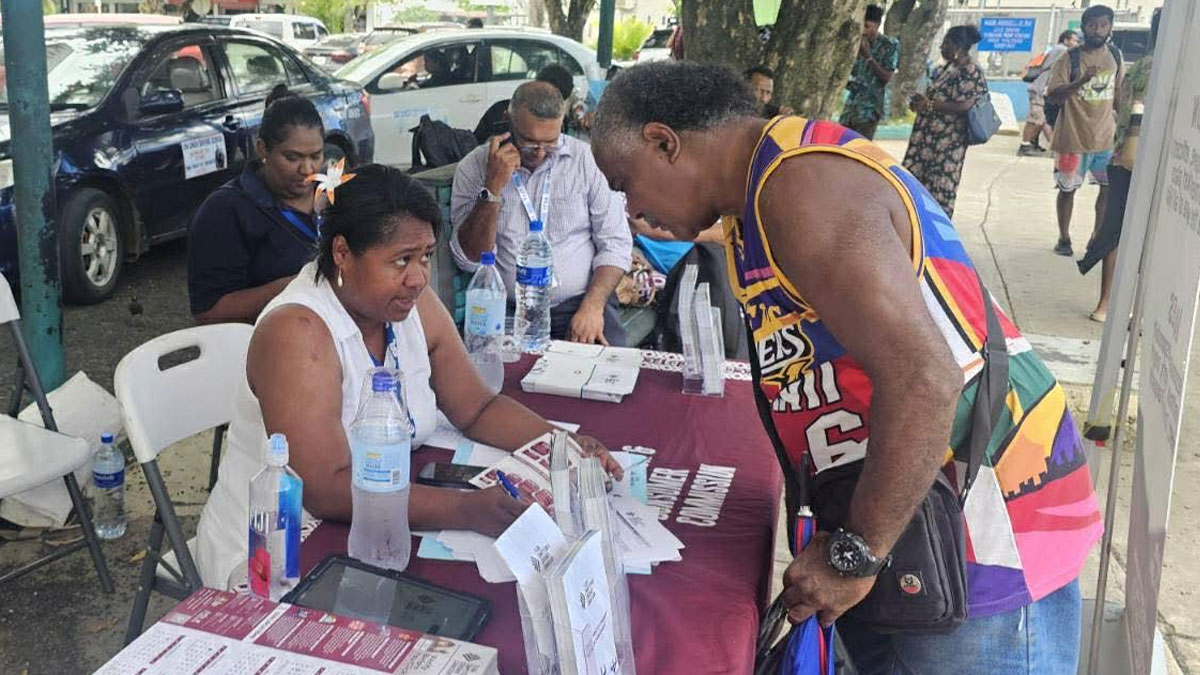
More than hundred people arrived at the Labasa Civic Centre between 10am to mid-day but they only registered their names and took free calendars without having discussions on the tariff rate.

Labasa farmer Dewan Chand, who also works at a law firm, says this was not a consultation but merely an information session where people were told that tariffs would increase.

A frustrated Chand says a consultative process is one in which people’s views are heard, expressed and considered before major decisions are made.

Chand also says he does not agree with the increase, as many people are already living in poverty while the cost of living continues to rise.

He says low-income earners will face serious challenges as salaries and wages remain stagnant, farming returns are weakening and production costs are increasing.

The farmer also raised concerns about the manufacturing sector, noting that around 700 companies are directly involved and that tariff increases for manufacturers are significantly higher than for residential consumers.

He questions who will ultimately bear the higher manufacturing costs.

Chand says these companies will pass on the increased costs to consumers, leaving people with no choice but to pay higher prices for goods.

He also questioned the Government’s promise to reduce the cost of living, stressing that this commitment must be fulfilled.

Questions have been sent to the FCCC CEO Senikavika Jiuta and the Minister for Finance, Esrom Immanuel.

According to FCCC, consultations will be held at the Seaqaqa Town in front of Legends Investment tomorrow, from 10am to 3pm.

The final Northern Division consultation will take place on Thursday in Savusavu Town, in front of the Savusavu Town Council Office, from 10am to 3pm.

In the Western Division, sessions will be held at the B.L. Naidu Space in Sigatoka Town and at the FNPF Plaza in Nadi Town, both from 10am to 3pm tomorrow.

On Thursday, consultations will take place at the New World Space in Ba Town from 10am to 3pm, while the Lautoka venue is yet to be confirmed.

On Friday, consultations will be held at the Courts Fiji and Max Value corridor in Tavua Town from 10am to 3pm, with the Rakiraki Town venue also to be confirmed.

In the Central Division, consultations will be held next Monday at MHCC Hall in Suva, in Valelevu in front of the New World Supermarket, and in Levuka Main Town, all from 10am to 3pm.

Next Tuesday, sessions will take place at Rups Mega in Nakasi and at the Police tent in front of the Max Value Supermarket in Nausori from 10am to 3pm.

The final consultations will be held next Wednesday, in Lami and Navua, with venues yet to be confirmed, from 10am to 3pm.


Consumer Council urges FCCC to ensure genuine public engagement in tariff consultations

Consultation should not be mobile units for collecting written submissions
By Rashika Kumar
06/01/2026
Consumer Council CEO Seema Shandil. [Image: Consumer Council of Fiji]
The Consumer Council of Fiji is calling on the FCCC to ensure there is authentic and effective engagement during consultations on the electricity tariff that has started today. 

While acknowledging the FCCC, the Council says these consultations must be accessible, well-publicized, and conducted in a format that enables genuine understanding and feedback.

They say they should not be mere mobile units for collecting written submissions, but structured forums held in accessible venues where detailed presentations are made.

They say the public must first hear the full case, understand the complex data, and then have a proper opportunity to ask questions and provide informed feedback.

The Council stresses the process must be more than a formality; it must be a meaningful exercise in public dialogue.

While demanding full transparency, the Council is also calling on the FCCC to require EFL to present a complete and unambiguous case for the increase.

They say this must include a detailed breakdown of costs, efficiency measures already undertaken, investment plans, and a clear demonstration of how this burden will be managed to minimize consumer impact.

They stress the “why” must be answered conclusively.

The Council also says any decision must balance the utility’s operational needs with the fundamental right of the public to affordable and reliable electricity.

They have also highlighted that the decision to consult is proof that collective concern can influence critical national processes.

They are urging everyone to participate actively and attend these consultations, listen to the presentations, ask the hard questions, and articulate the real-world impact this increase would have on their household budget or their business.

They stress that people's lived experience is the most powerful evidence in this debate.

The Council says they will be making a comprehensive submission, grounded in economic data and the direct feedback they have received from their members and the community.

They say they will stand with the public to ensure that the outcome of this consultation is fair, justified, and in the long-term interest of Fiji’s economic stability and social welfare.

They also encourage people to call them on toll-free 155 or email them their concerns and feedback at complaints@consumersfiji.org so that the same can be included in the submission.

The Council adds they will be closely monitoring the consultation process and remain committed to advocating for a rational and sustainable outcome.


People's Alliance says tariff increase due to Aiyaz Sayed-Khaiyum's decisions

Sayed-Khaiyum says claims are ridiculous
By Navitalai Naivalurua
06/01/2026
People’s Alliance Party General Secretary Sila Balawa and former Minister for Economy, Aiyaz Sayed-Khaiyum

The People’s Alliance Party says the pressure to increase electricity prices is financial and comes directly from decisions made by the former Minister for Economy, Aiyaz Sayed-Khaiyum, and the FijiFirst Government.

While taking note of the statement by the former Attorney General, People’s Alliance Party General Secretary Sila Balawa says that while it is long and technical, it carefully avoids his own role in creating the situation Fijians now face.

He says that in 2021, under Sayed-Khaiyum’s leadership, 44 percent of Energy Fiji Limited (EFL) was sold to a foreign investor, Chugoku of Japan, in a deal worth around $1.25 billion.

He also says that from that moment, EFL stopped being purely a public service and became a business required to make profits and pay returns to shareholders.

He adds that no serious investor puts $1.25 billion into a company without expecting strong returns, and the demand for higher revenue was built into the system Sayed-Khaiyum created.

Balawa says that EFL’s own submission to the Fijian Competition and Consumer Commission confirms this reality, and that EFL is now seeking a 32 percent electricity tariff increase over the next four years because, according to the company, current prices cannot support its investment needs.

He says that EFL states electricity demand is growing by about 4 percent a year, and that meeting this demand will require around $4.3 billion in new investment by 2031, including about $1.4 billion for transmission and distribution upgrades across Fiji’s main islands.

He further says that EFL also states there has been no tariff increase since 2019, while operating costs and its asset base have grown. He adds that these pressures are not accidental and are the predictable result of turning a public utility into a profit-driven enterprise.

The General Secretary says that Sayed-Khaiyum now lectures the country about regulation, consultation, and transparency, yet he did not properly consult the public on how selling nearly half of EFL would affect electricity prices for ordinary Fijians in the years ahead.

He says they agree that the Fijian Competition and Consumer Commission must follow the law and consult the public, and that is why the People’s Alliance Party supported the pause on the tariff increase and the start of public consultations.

However, he says it is dishonest to pretend this problem started today or sits only with the FCCC or the Coalition Government.

Balawa says that the structure forcing EFL to prioritise shareholder returns alongside public affordability was designed and implemented by Sayed-Khaiyum himself.

He adds that this Coalition Government is now dealing with the consequences of decisions made before it took office and, unlike the previous government, it is listening to the people and allowing proper consultation to take place.

He says the People’s Alliance Party will continue to speak up for ordinary Fijians and will not allow those responsible for creating today’s problems to rewrite history.

Meanwhile, in his facebook post, Sayed-Khaiyum says that it was rather amusing that a few trolls have tried to attribute the price hike to the previous government led by Prime Minister Bainimarama because of the partial divestment of EFL shares to the Japanese investor, Chugoku.

He says that clearly this claim is as ridiculous as those who claimed that the previous government was selling Kadavu to China and that, of course, many politicians and commentators knew then that Kadavu could not be sold but chose to keep quiet and let the falsehood fester for their own political mileage.

Sayed-Khaiyum says that similarly in this instance, some are letting it fester, with the truth being the casualty.

He highlighted that after almost two years of an international selection process for the partial divestment of EFL government shares, with the Government using World Bank/IFC expertise and EFL engaging the services of ANZ International, the settlement took place.

He says that the process included various international roadshows with interested parties from, but not limited to, China, Singapore, Australia, and Japan, and that Chugoku was finally selected.

Sayed-Khaiyum says that Chugoku is a large, reputable utility group and was backed by JICA, an arm of the Japanese Government.

He adds that it also has vast technological capacity in renewable energy, a resource and expertise that is essential for Fiji.

The former Attorney General says that FNPF, which was already a shareholder in EFL before the sale to Chugoku, sold its 20 percent stake, while the Government divested 24 percent to Chugoku.

He says that even though it held its shares only for a brief period, FNPF made a very handsome profit through its sale, and this assisted it to deliver a 5 percent credit to its members at the peak of COVID, which was not an easy feat.

Sayed-Khaiyum says that in that process, the Government also set aside 5 percent of EFL shares to be given ex gratia, in other words for free, to ordinary Fijian domestic account holders.

He adds that many have already received their share certificates and that those who did not apply should do so to receive their ex gratia shares.

The former Minister for Economy says that today, 51 percent of the shares in EFL is owned by the Fijian Government, 44 percent is owned by Chugoku through a special purpose company, and 5 percent is owned by ordinary Fijians.

He says that the total Fijian holding is 56 percent and that Chugoku, which is a minority shareholder, paid for the 44 percent stake in the enterprise value of approximately FJ$1.25 billion, the largest single transaction ever in Fiji.

Sayed-Khaiyum says that through this divestment process, the Government no longer guaranteed any of the loans that EFL took out from lending institutions.

He adds that prior to the sale and since the time EFL/FEA was set up, loans it took from local banks or international institutions had to be Government-guaranteed.

He further adds that, in fact, the Government’s largest contingent liability component was made up of Government guarantees of EFL/FEA loans.

However, he says that after the sale to Chugoku, the Government withdrew all its guarantees and the lenders were comfortable with the withdrawal because of the divestment and partnership with Chugoku.

He says that the Government no longer had these contingent liabilities on its books, thereby reducing its risk and exposure and giving it more fiscal space.

Sayed-Khaiyum clarified that the Japanese shareholder has no influence or input on the current announcement of the hike in electricity rates.

He adds that there was only a 2.74 percent increase approved in 2019 and none in 2023.


PM speaks out after FCCC CEO LinkedIn post

By Vijay Narayan
07/01/2026
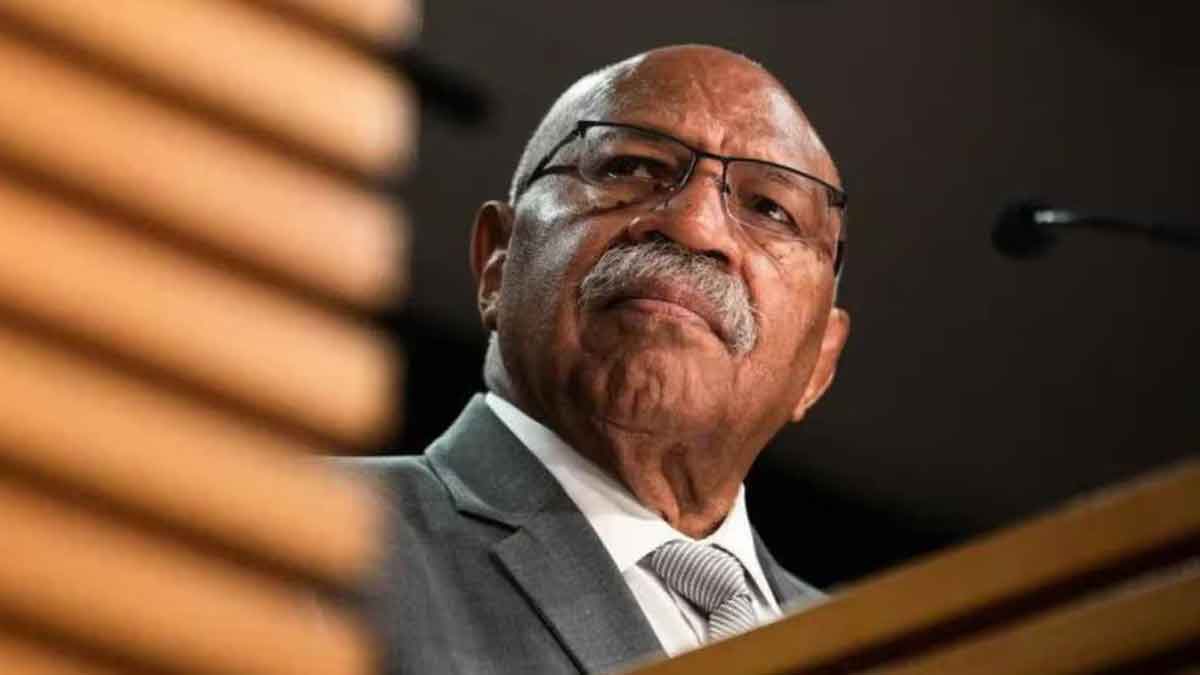
Fiji's Prime Minister Sitiveni Rabuka.
No way for a servant of the people to be talking about the Authority that appointed her - however ‘independent’ her Organisation may be.

Those are the comments of Prime Minister, Sitiveni Rabuka after the Fijian Competition and Consumer Commission CEO, Senikavika Jiuta posted on her LinkedIn page that rules have been shifted mid-game to suit political or personal agendas, undermining trust in the very systems meant to protect it.

Jiuta says when a regulator is pressured to serve political convenience rather than regulatory principle, independence is eroded.

She says when the rules are followed properly and without favour, accusations of incompetence suddenly appear.

Jiuta says that raises a serious question: Are we incompetent—or are we simply unwilling to play games that compromise integrity.

She adds true regulatory competence is not about pleasing power, it is about applying the rules consistently, resisting interference, and standing by decisions that are evidence-based and lawful, even when they are unpopular.

However Rabuka has told fijivillage News that the real test of a person’s character is how they handle positions of authority.

This drama is unfolding after the electricity tariff issue.

Many people including the Consumer Council of Fiji and the Fiji Employers and Commerce Federation had asked for a review of the electricity tariff decision by the FCCC as it will drastically affect people. 

Their main concerns include the lack of a new round of proper consultations after the EFL's 2023 submission to FCCC was rejected in 2024. 

They are also concerned that the cost of non price control items will rise which will affect everyone. 

They stress it is not just about people paying minimal increases in their electricity bills or not pay anything more if they use 100 units or less of power. 

Although the FCCC is saying it is having consultations, questions are now being raised whether real consultations are taking place.

Minister for Finance, Commerce and Business Development, Esrom Immanuel says he has raised this with the FCCC when concerned members of the public raised the issue about the lack of proper consultations. 

Immanuel says it is not acceptable.


Nadi Chamber raises concerns on electricity tariff consultations as FCCC defends process

By Rashika Kumar
07/01/2026
The Nadi Chamber of Commerce has also expressed frustration in the manner which consultations are being done by the FCCC on the increase in electricity tariff rates. 

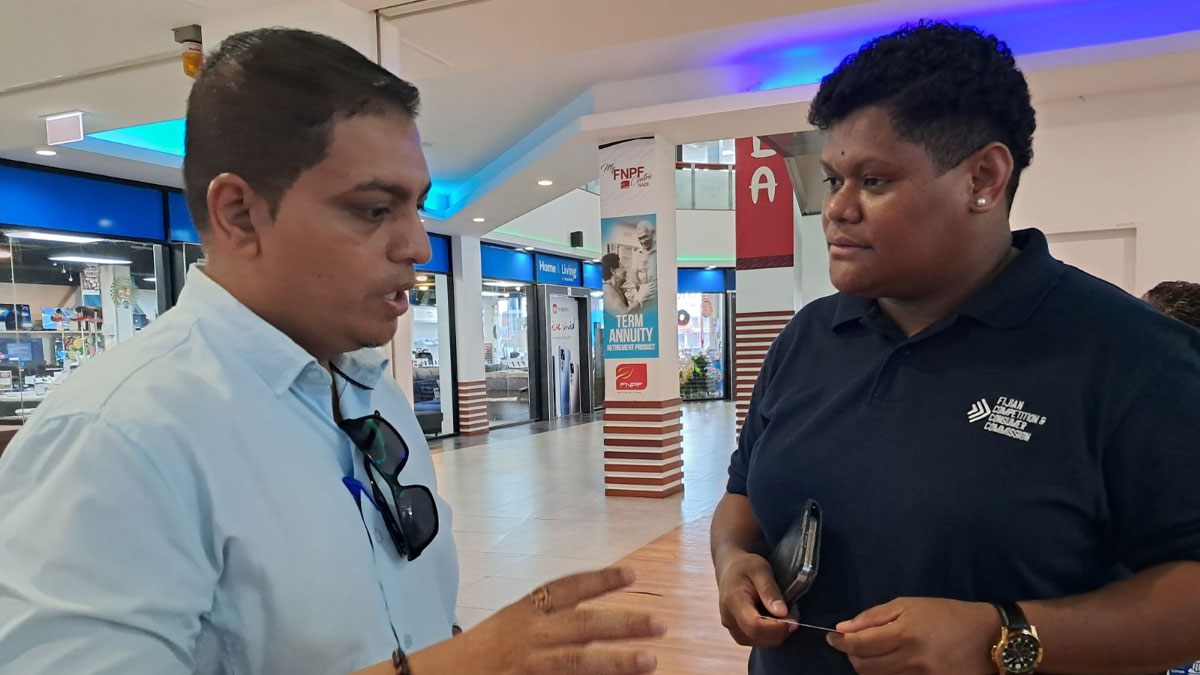
While speaking to fijivillage News from FNPF Plaza, Chamber President Lawrence Kumar says the session was more of an awareness exercise than a genuine consultation.

He believes the consultation format needs to change, with a proper presentation explaining why the proposed tariff is necessary and clearly outlining the data and assumptions used to calculate it.

Kumar says FCCC never said they would be doing awareness sessions.

He says they are explaining to all those who have been coming why they are proposing the increment and are not actually taking feedback on it.

He says participants are not being asked whether they accept or reject the proposal and while the session is conducted on a one-on-one basis, he describes it as more of an awareness session than a consultation.

He says he was surprised as he thought FCCC and Energy Fiji Limited would do a presentation on data they have to substantiate the proposed tariff increment.

Kumar says they do not have those data, and they seemed to be explaining to the people as to why this increment is necessary and why they have proposed it and why it was implemented.

INSERT: Kumar on new rates 7 jan


Kumar says he met the CEO of FCCC on a one-on-one basis today and explained that in 2023, there were focus group consultation that were conducted by EFL and FCCC and explained the reason for the increment but that did not get approved.

The Chamber President says he is thankful to the Ministry of Finance for postponing the increment, if not, it would have a drastic effect on everyone.

He also says a lot of the business houses in Nadi are not approving of this proposed tariff and it needs to be postponed until more consultation is done.

Kumar says the cost of doing business will go up as no business owner is going to sustain that cost.

He stresses that if there is an increase in cost, it is going to be passed on to the consumer.

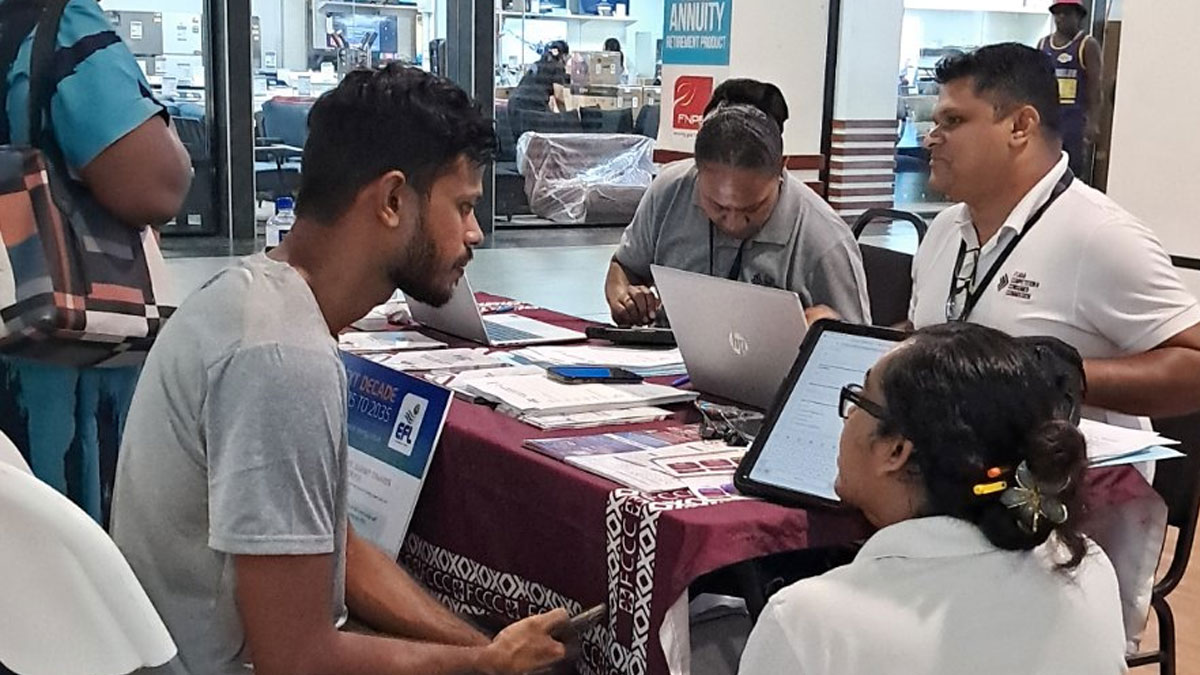
Meanwhile, the FCCC says at no point did they state that consultation sessions would involve group presentations and these are one-on-one sessions. 
While responding to questions by fijivillage News, the FCCC says these were the type of consultations that FCCC carried out in 2019, 2023 and, currently are following the same format.
 
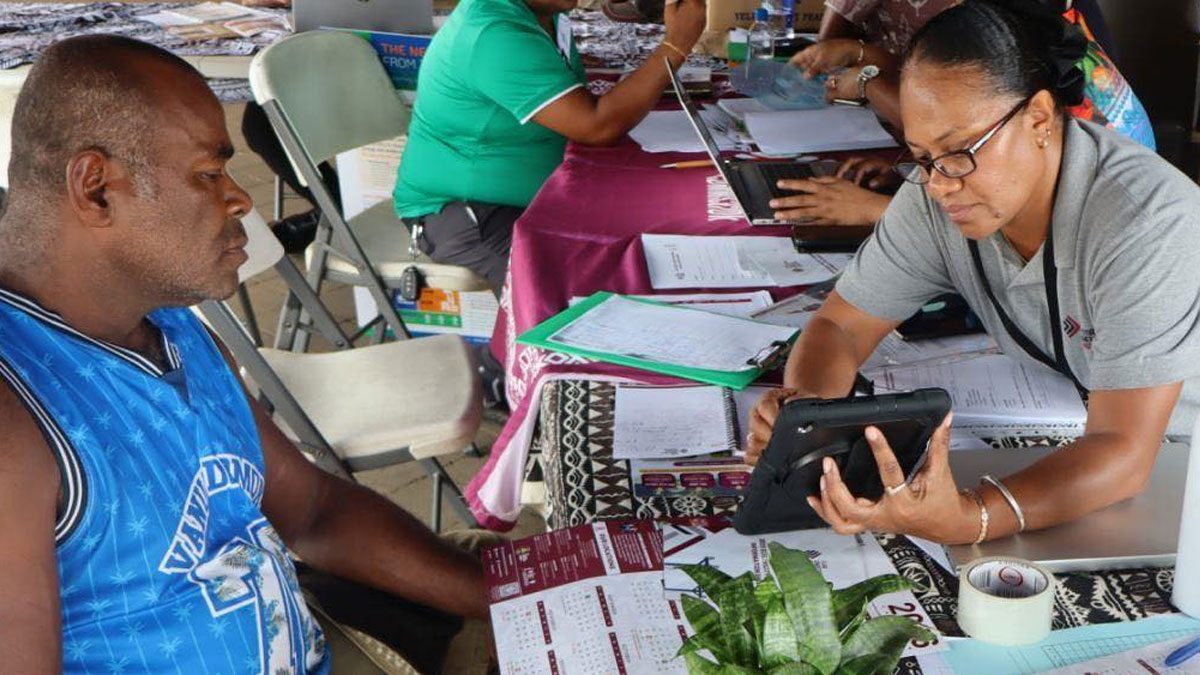
FCCC says they are actively meeting directly with members of the public to explicitly ask for their feedback on the proposed increase.  

They say they have established a 21-day window for all interested parties to provide views via multiple platforms; email, online survey, written submissions, or face-to-face at their booths. 

The Commission says they are also actively recording all feedback.
 
They say they are actively on the ground in major towns and cities to hear the public’s views directly.

They reiterate that they are bringing the consultation to the people through face-to-face engagement, which they maintain is the correct approach.
 
They also say EFL teams are on the ground to clarify technical details, so if there are questions about the submission, valid questions must be directed to them.
 
FCCC says for those who cannot attend in person, they have online survey forms, email options, and a 'Bill Calculator' on their website where customers can see the exact impact of the proposed tariff structure on their bill.

They say they have utilised this inclusive approach so all affected groups to participate.
 
When asked why increased tariff rates are not being explained, FCCC insists the increase and the reasons behind it are being explained at their venues.

They say FCCC officers are present to explain the regulatory process and receive feedback, while EFL personnel are on hand to clarify any questions regarding their submission.

They stress that EFL’s non-confidential submission and their online survey have been published on their website.
 
When asked if they believe this is meaningful consultation, FCCC insists that these are meaningful consultations.
 
They say this is not a box-ticking exercise. 

FCCC says people have asked to be heard, and they are urging them to make submissions.

They say their inclusive strategy covers everyone from individual households to businesses. 

They say while their teams were physically present in the North yesterday, the FCCC has simultaneously initiated high-level engagement with key organizations.

FCCC says letters have already been sent to major stakeholders, including the Fiji Commerce & Employers Federation (FCEF), the Fiji Chamber of Commerce, SME associations, consumer groups, and NGOs.

They says these invitations call for written submissions and participation in dedicated roundtable discussions.

FCCC adds they accept feedback at their offices, venues, via email at energy@fccc.gov.fj, and through links conveniently available at https://linktr.ee/fijianccc.

FCCC adds they are committed to ensuring that everyone, from individual households to organisations, has access to platforms where they can assess the impact of the proposed tariff and provide their feedback.


People’s Alliance calls for genuine consultations on electricity price increase

By Navitalai Naivalurua
11/01/2026
People’s Alliance Party General Secretary Sila Balawa
The People’s Alliance Party is calling on the Fijian Competition and Consumer Commission to fix the way public consultations on the proposed electricity price increase are being held and to make sure consultations are genuine and meaningful.

While raising concerns on reports from Labasa and Nadi, the Party’s General Secretary Sila Balawa says more than 100 people went to the Civic Centre in Labasa after being told there would be a consultation.

He says instead of being allowed to speak or ask questions, they were asked to write their names and collect free calendars.

Balawa says there was no real discussion about the electricity price increase and, as Labasa farmer Dewan Chand said, this was not a consultation and people were only told that prices would go up.

He highlighted that in Nadi, similar concerns were raised by the President of the Nadi Chamber of Commerce and Industry, who described the consultation as misleading.

He adds that when both ordinary people and business leaders are saying the same thing, it shows the process is not working.

Balawa says a real consultation means listening to people.

He further says that it means giving them a chance to speak, ask questions and share how decisions will affect their lives.

He adds that what is happening now looks like a box-ticking exercise.

The People’s Alliance General Secretary says electricity is an essential service and any increase in price affects families, farmers, small businesses and the cost of living for everyone.

He says at a time when many people are already struggling, they deserve respect and a real voice.

He further says that while they respect the Commission’s independence, they also remind them that it was established to look after and protect the interests of consumers, the people.

He adds that it is important that people are properly informed about why decisions are made, and this is why consultations must be genuine.

Balawa says they will not stay silent while ordinary Fijians are sidelined on an issue that directly affects their daily lives.

He says the People’s Alliance Party stands firmly with people in communities across Fiji, and their voices matter, which is why they must be heard.

We have sent questions to FCCC. They are yet to respond.


Electricity tariff rate consultation continues today in Suva, Valelevu and Levuka

By Temalesi Vono
13/01/2026

Public consultations on the electricity tariff rate continues today, with sessions scheduled in Suva, Valelevu and Levuka.

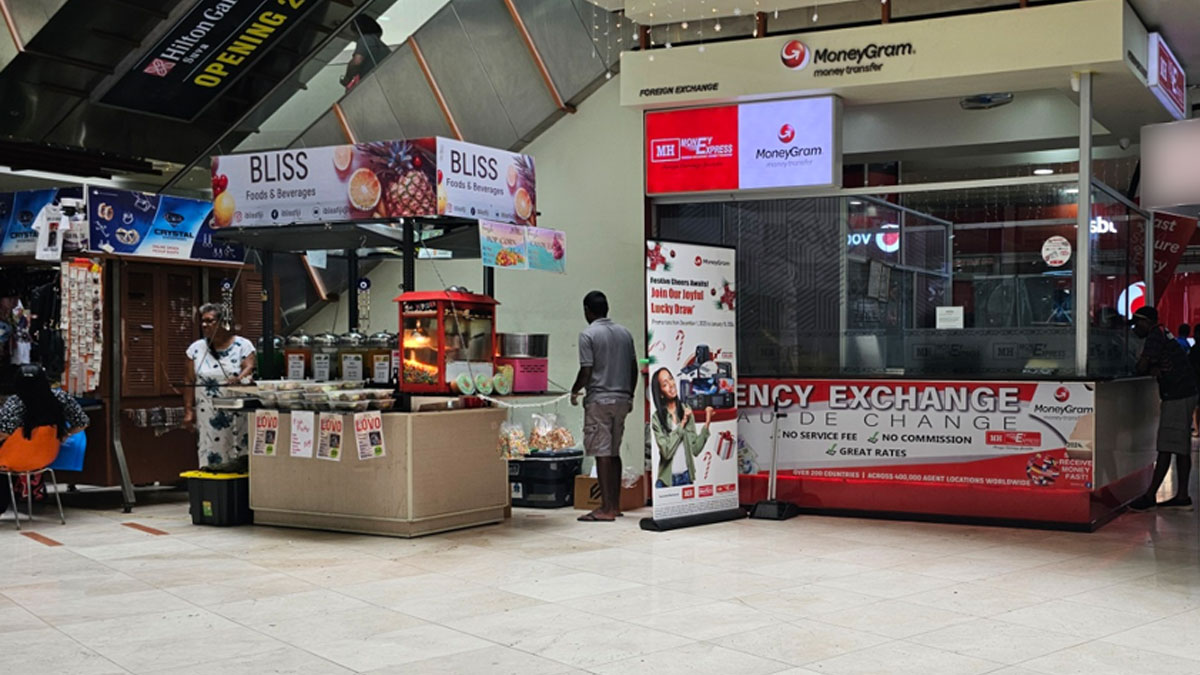
The Fijian Competition and Consumer Commission (FCCC) says the consultations will take place at the MHCC Mall in Suva in front of MoneyGram, in Valelevu in front of the New World Supermarket, and at Levuka Main Town.

The sessions will run from 10am to 3pm.

FCCC is encouraging all Fijians to actively participate in these sessions.
They say members of the public may also participate by submitting their views in writing or through FCCC’s online survey during the consultation period.

To support informed participation, the non-confidential version of Energy Fiji Limited’s tariff submission is available on their website, along with an Electricity Bill Comparison Calculator.

The links can be found at https://linktr.ee/fijianccc.

FCCC strongly encourages domestic consumers, consumer groups, businesses, industries, government departments, political parties, social organisations and youth representatives to attend the consultation sessions and make submissions.


Proposed electricity tariff consultations at MHCC today has not started as scheduled

Are these serious and meaningful consultations?
By Alipate Narawa
13/01/2026

The proposed public consultation on the electricity tariff rate which is supposed to start at 10am today in Suva has not started.

This is because there is no setup in front of MoneyGram at MHCC where the Fijian Competition and Consumer Commission said they would set up.

People have been asking if it is happening today and when it will start.

Questions are already being raised on how these consultations are taking place at supermarkets and other venues.

Issues are being raised if these are meaningful consultations, with no proper formal consultation sessions in meeting halls which are usually the case for important consultations. 

Stay with us for updates.


Media not allowed to cover FCEF submission on electricity tariff - FCCC

We have not asked for private session - FCEF
By Alipate Narawa, Vijay Narayan
13/01/2026
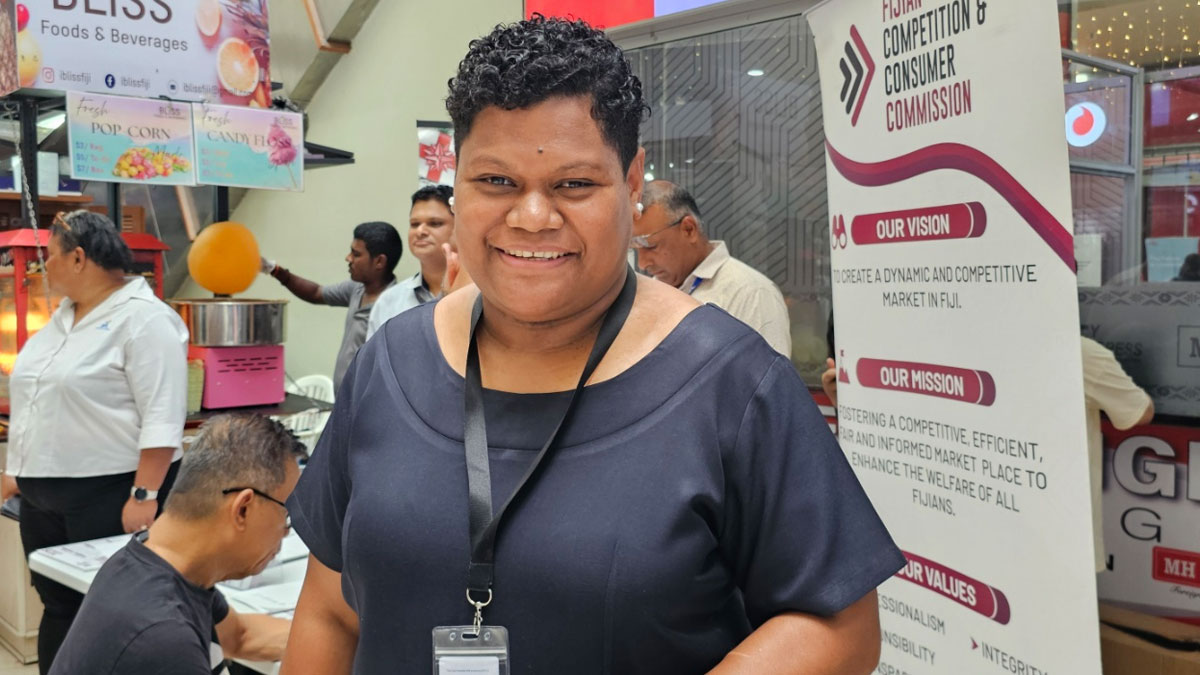
FCCC CEO, Senikavika Jiuta
The Fiji Commerce and Employers Federation is making it's submission on the proposed electricity tariff increase at the Suva Civic Centre however FCCC CEO, Senikavika Jiuta says it will be a private session.

The media will not be allowed to cover this important session.

Jiuta claims this is FCEF's preference and they have to also respect this.

When contacted by fijivillage News, FCEF says they asked for an exclusive session for the private sector to make their submission, not a private one.

They say according to them, they never asked for a private session. 

The submission will be made at 2pm today.

According to the proposed increase for commercial customers, Tier One users will see the rate increase from 40 cents to 43 cents per kilowatt hour.

Tier Two commercial users will see the rate rise from 40 cents to 50 cents per kilowatt hour.

Tier Three users will see an increase from 40 cents to 57 cents per kilowatt hour.

Tier Four users will see an increase of 22 cents, from 40 cents to 63 cents per kilowatt hour.

Many people including the Consumer Council of Fiji and the Fiji Employers and Commerce Federation have asked for a review of the electricity tariff decision as it will drastically affect people. 

Their main concerns include the lack of a new round of proper consultations after the EFL's 2023 submission to FCCC was rejected last year. 

They are also concerned that the cost of non price control items will rise which will affect everyone. 

They stress it is not just about people paying minimal increases in their electricity bills or not pay anything more if they use 100 units or less of power. 

Stay with us for updates.


FEATURE NEWS
No lease, no payment: Mataqali Nabukarabe moves to close Nasarava water catchment in Labasa
The mataqali Nabukarabe of Nakama Village in Macuata will soon close the Nasarava water catchment if the Water Authority of Fiji fails to pay leases a...
7 hours ago
LATEST NEWS
Prof. Shameem accuses USP of defending political opinion as academic view
University of Fiji Vice Chancellor Professor Shaista Shameem says the University of the South Pacific has been hoaxed into defending a political ...
5 hours ago

Fiji Corrections Service calls for review of rehabilitation period in Criminal Records Bill
The Fiji Corrections Service says there is a need to review the provisions of Clause 7(1)(b) in the Criminal Records Bill regarding the ...
7 hours ago

Fiji launches first peer-to-peer lending platform to support small businesses
For thousands of small business owners in Fiji who have struggled to secure loans, today marks a new beginning.The Fiji Government has officially ...
7 hours ago

PSC Chair says former PS Fisheries given second chance as Head of FLIPS
Public Service Commission Chair Luke Rokovada says they are giving former Permanent Secretary for Fisheries Atelaite Rokosuka a second chance by ...
8 hours ago

DMC removes beef products from menu following concerns
Following concerns raised by people that DMC outlets were frying beef patties and non-meat items, such as fries, in the same cooking oil, the ...
8 hours ago


Stay tuned for the latest news on our radio stations
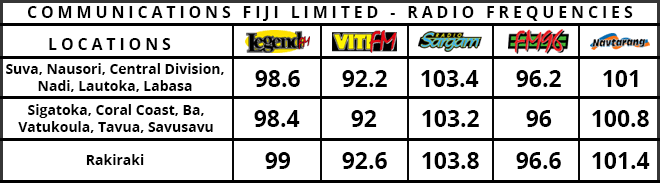
CFL radio frequencies
IN DEPTH
Ailava Samuels to represent Fiji in Miss Pacific Pageant
Miss Fiji 2025 first runner-up and Miss Nasinu, Ailava Samuels, has been officially appointed as Fiji’s representative to next month's Miss ...
2 days ago

Referendum Bill risks undermining democracy - Dialogue Fiji
The National Referendum Bill risks undermining democracy by criminalising political expression, enabling state overreach and excluding young people ...
3 days ago

Shocking move : FNU reassigned under PM
The Fiji National University is being reassigned under the Prime Minister's Office Ministerial Portfolio via the Ministry of Strategic Planning, ...
4 days ago

TOP