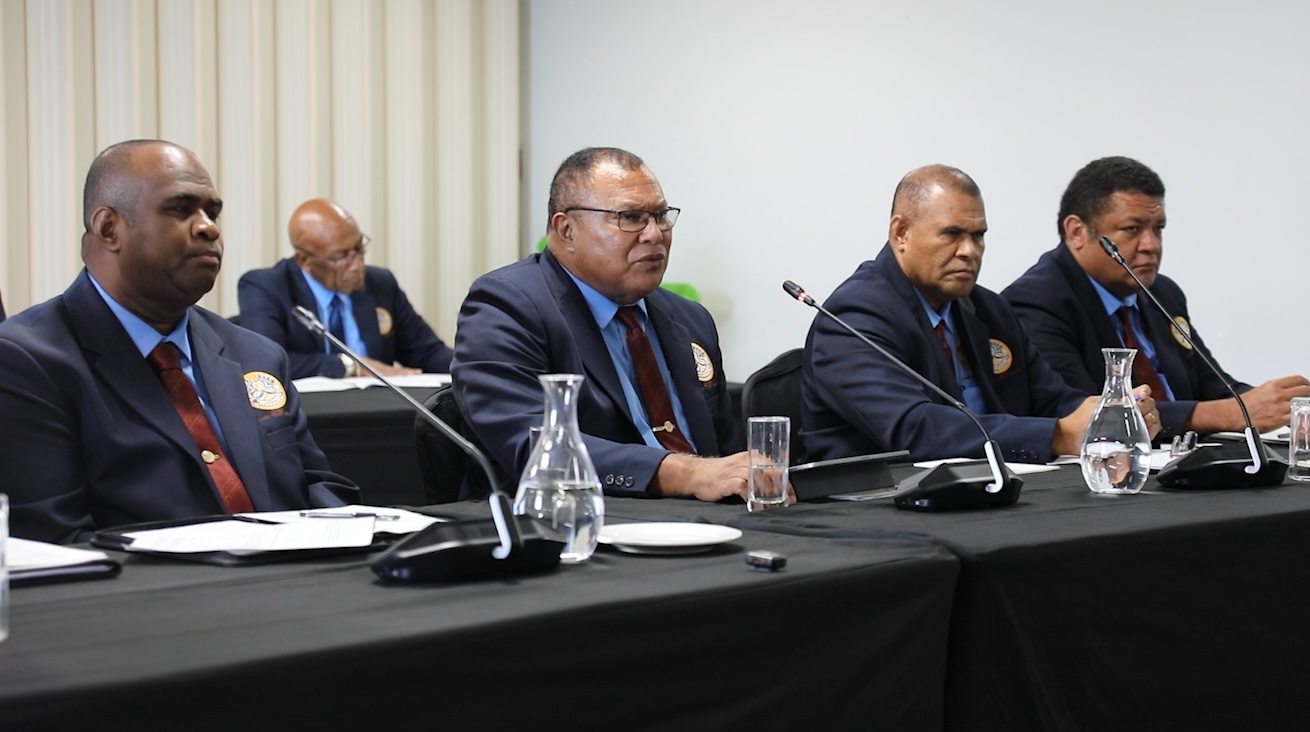
The iTaukei Land Trust Board is calling for all freehold land that was not rightfully obtained to be returned to its original landowners, and for mineral and fishing rights to be returned to their rightful owners.
The Board has also submitted that land acquired by the State for a public purpose should revert to iTaukei ownership once it is no longer required.
While making submissions to the Constitutional Review Commission, iTLTB Chief Executive Officer Solomoni Nata says the iTaukei Land Trust Act provides that all iTaukei land is registered and administered by the iTLTB for the benefit of iTaukei landowners.
He says the Board has statutory responsibility for the administration and management of iTaukei land, as well as the collection and distribution of lease revenue through its trust fund for the benefit of landowners.
Nata says the submission is therefore made in discharge of the Board's statutory responsibility to protect the interests of iTaukei landowners.
He clarified that after Fiji gained independence in 1970, resources were returned including land but not the qoliqoli and minerals.
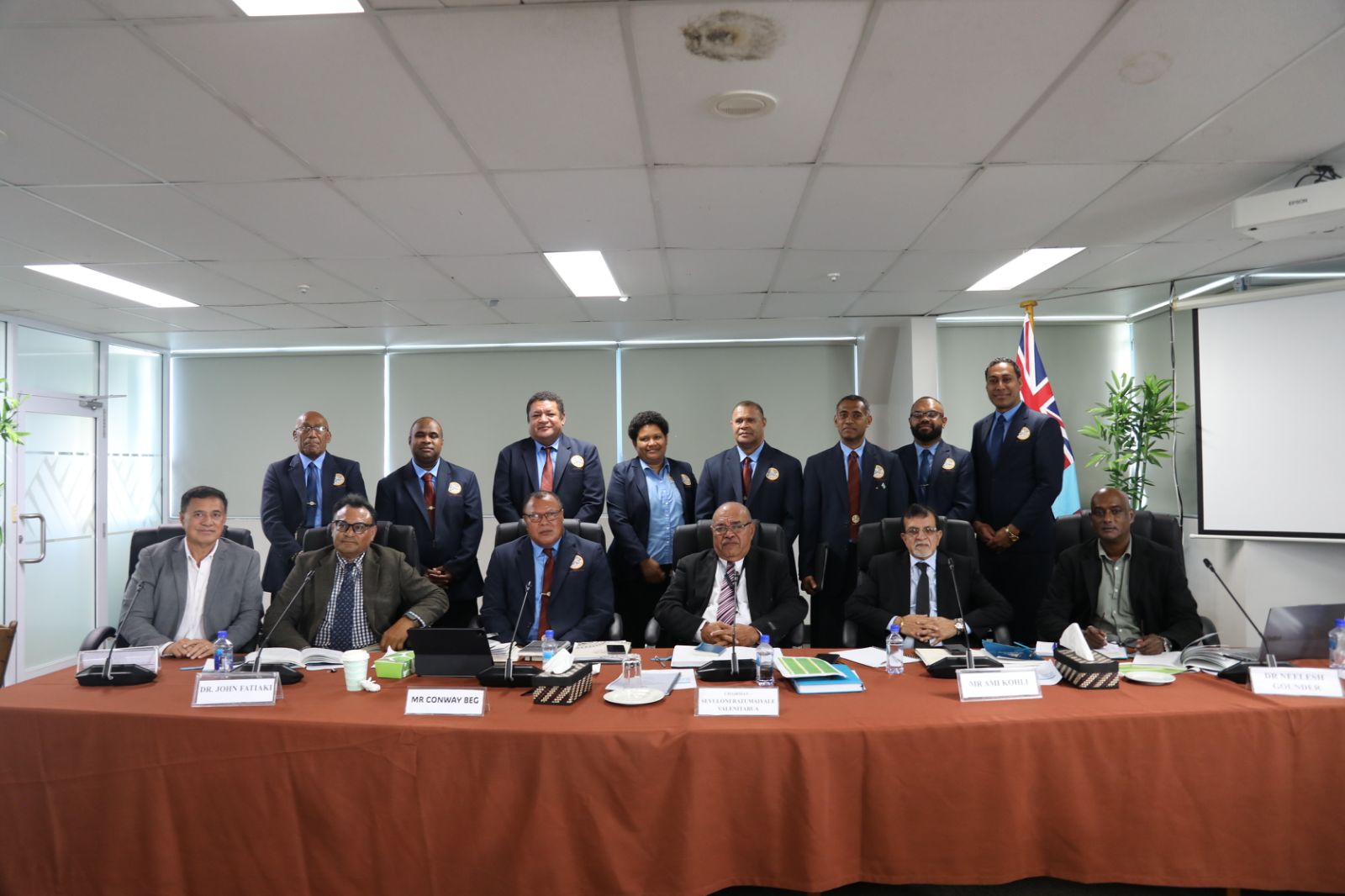
Speaking on the ownership of minerals, Nata says they submit that the concept of absolute proprietorship guaranteed under Article 4 of the Deed of Cession includes ownership rights over minerals and the subsurface.
He says the current legal framework originates from colonial mining policies that reserve ownership of minerals to the State or the Crown rather than to landowners.
The CEO says Fiji has already recognised landowners' interests in mineral resources through the Fair Share of Mineral Royalties Act 2018, and that the payment of royalties acknowledges landowners have a legitimate proprietary interest in those resources.
He says returning ownership of minerals aligns with international Indigenous principles reflected in the United Nations Declaration on the Rights of Indigenous Peoples and the proposed Rights of Indigenous Peoples Bill 2025.
He says jurisdictions such as the United States, Canada and South Africa have increasingly recognised Indigenous ownership of land and subsurface resources.
He adds that iTLTB recommends amendments to Section 30, recognition of mineral ownership rights for iTaukei landowners, and consequential amendments to the Mining Act, the State Lands Act and petroleum legislation.
The CEO also says they recommend that Section 29(5) of the Bill of Rights in the 2013 Constitution be deleted, saying the provision frustrates legitimate land reversion efforts and prevents some iTaukei land from being restored to its original status.
According to the 2013 Constitution, Section 29(5) of the Bill of Rights states that all land that existed as freehold land immediately before the commencement of this Constitution shall remain as freehold land even if it is sold or purchased, unless it is sold to the State or acquired by the State for a public purpose under section 27.
Nata clarified that they are not looking at those freehold land that was rightly purchased but those land that they have seen were not rightly processed.
He says the Momi Land Swap Arrangement demonstrates how Section 29(5) can impede the restoration of land rights by preventing the completion of an agreed land exchange.
Nata also says iTLTB recommends that all land acquired by the State for public purposes and no longer required for those purposes should revert to its respective iTaukei landowners and be administered through iTLTB.
He says that while iTLTB is not advocating for a Christian state, it believes the Constitution should acknowledge in its preamble the historical role of Christianity in the development of modern Fiji.
Nata says they are also recommending that laws affecting iTaukei interests and land once again be constitutionally entrenched.
He adds that laws hindering iTaukei prosperity, including ALTA, the Rivers and Streams Act, the Surfing Areas Act and the Mining Act, should be reviewed or repealed.
Insert: Nata on iTaukei – 6 July 2026
When questioned by Commissioner Dr Amit Kohli about the role iTLTB can play in helping marginalised communities access land, following concerns raised by non-iTaukei communities about the lack of security of tenure, Nata says the vision of the late Ratu Sukuna was never to withhold land.
He says Ratu Sukuna used a parable to explain that when people use the land productively, everyone benefits.
Nata says Ratu Sukuna's vision was that while others should be be able to use the land productively, there should always be sufficient land for the iTaukei.
He says there are now about 55,000 leases, reflecting the contribution of iTaukei landowners to the economy.
Nata adds that iTLTB has tried its best to provide opportunities for everyone, saying land remains an important factor of production.
