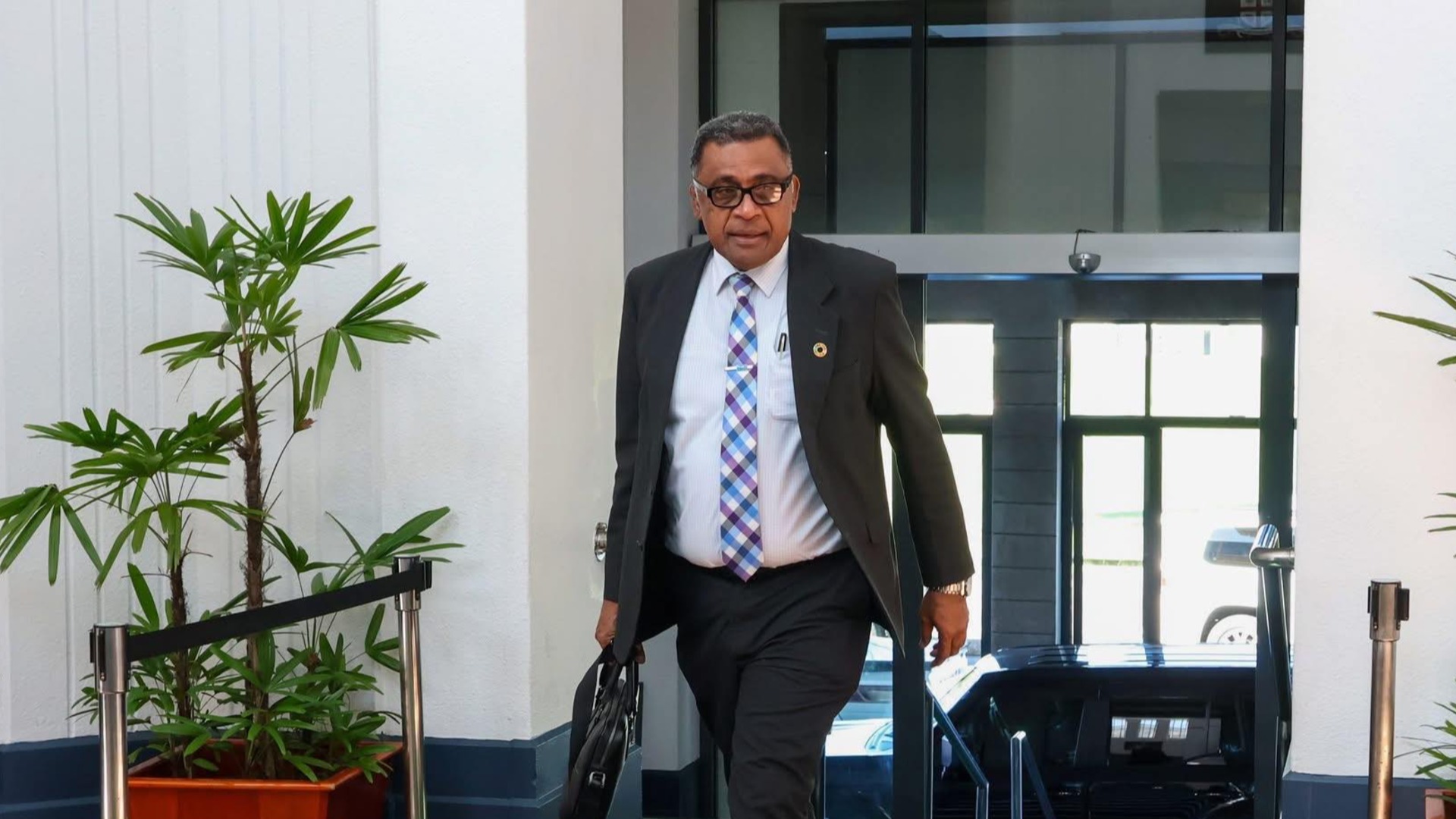
Minister for Commerce and Business Development Esrom Immanuel says he is not aware of reports that prices of some price-controlled goods are changing and that lower-cost products are missing from shelves, but stresses that this should not be happening.
When questioned by fijivillage News on concerns raised by consumers about changing prices and shortages of lower-cost products, making people buy more expensive products, Immanuel says this should not be happening.
He says his team will now look into the issue.
Immanuel says if such problems are happening on the ground, they need to be checked.
The Minister also welcomes the decision to delay any power rationing, saying it is a positive move and the Government's intention is to avoid any interruptions to power supply.
He says the temporary fuel support measures are in place until the current challenges ease.
On the increase in bus fares, Immanuel says the Government's decision to cover the increase will help ensure ordinary people and workers are not affected.
He also says drivers and operators seeking fare increases should apply through the correct process with the FCCC.
Meanwhile, Consumer Council of Fiji CEO Seema Shandil had raised when making submissions to the Parliamentary Standing Committee on Economic Affairs, that shortages of locally made canned mutton products in stores and the prices of everyday items, such as noodles, have increased from around $4 to more than $5.
She says there are also cases where price-controlled goods are missing from supermarket shelves, forcing consumers to buy more expensive products instead.
Shandil revealed that formal complaints to the Fijian Competition and Consumer Commission increased by 320 percent, from 211 complaints to 888 complaints during the financial year under review.
She says more than half of the complaints involved price-controlled products, while trader inspections dropped by 42 percent during the same period.
Shandil says consumers are still struggling with rising prices, high mark-ups, import dependency and shortages of essential goods.