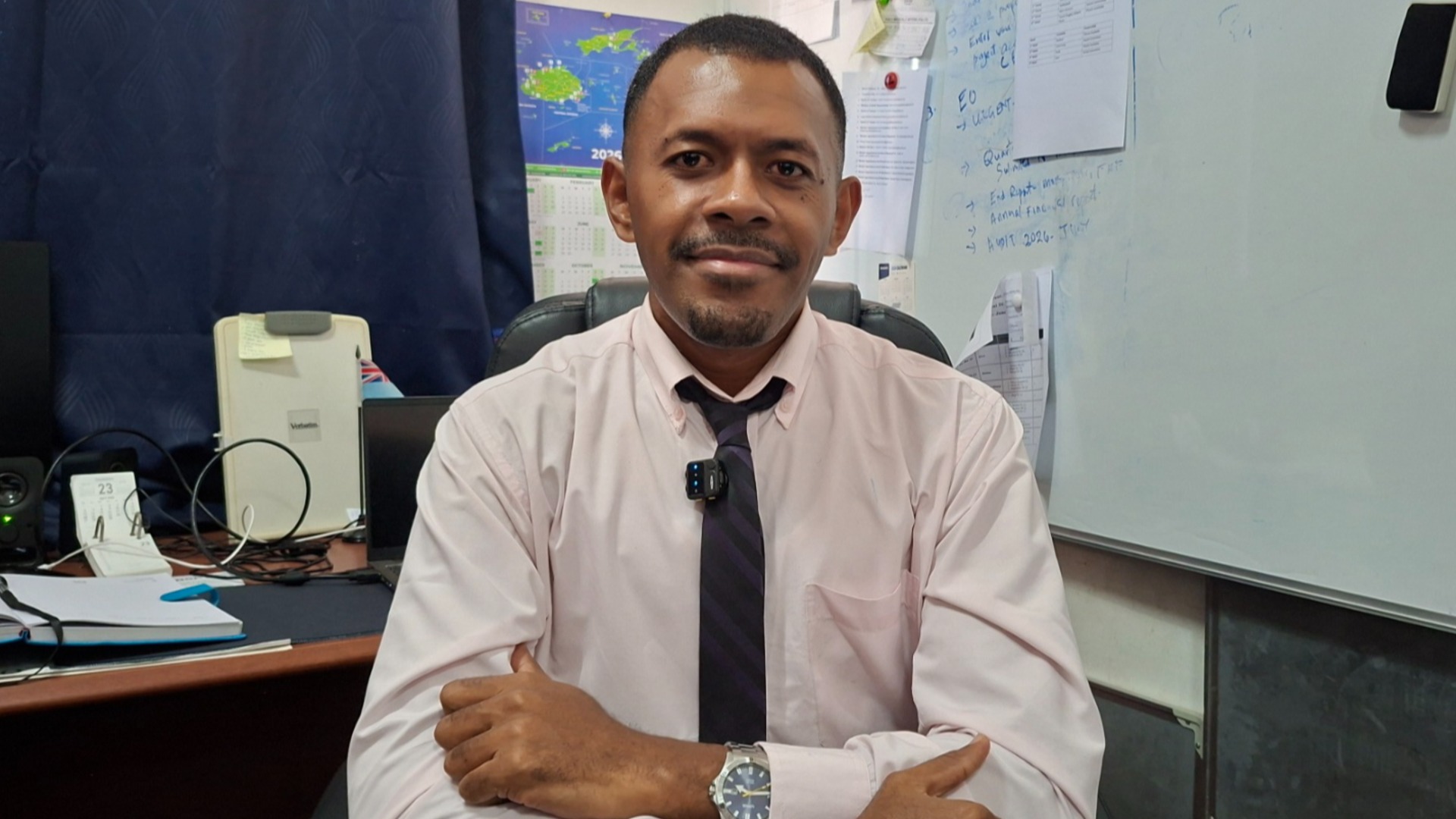
Diabetes Fiji is calling on the government to establish a dedicated budget allocation for Diabetes Fiji in the 2026-2027 National Budget, saying the organisation requires sustainable funding to continue and expand its services across the country.
Executive Director Kini Marawa says Diabetes Fiji has made budget submissions over the years but has not received a dedicated budget allocation for its diabetes services.
Marawa says the organisation is seeking a minimum of $1 million in dedicated funding and is thankful that the Minister for Finance has allowed further discussions on the proposal.
He highlighted that government allocated $10 million for HIV programmes in the current financial year but diabetes does not receive similar priority funding.
INSERT: Marawa on budget needs 3rd June
Marawa says 30 percent of the Fijian population are diagnosed with Type 1 and Type 2 diabetes and most of them have their legs amputated or they even die from this.
He also revealed the alarming rate of diabetes-related amputations, with major hospitals like CWM, Lautoka and Labasa performing one every 8.5 hours.
He says that the youngest amputation case in Fiji involves a 7-year-old boy who underwent the process at 5-years-old.
Marawa says if government invests more in diabetes prevention and primary healthcare, Fiji can save millions of dollars in future treatment costs and reduce the number of people progressing to severe complications.
He says dedicated funding would allow Diabetes Fiji to expand its services beyond the Central division and reach more vulnerable communities in the Western, Northern and Eastern divisions.
He says additional funding would support community health and wellness screenings, diabetes awareness and education programmes, foot care assessments and referral services, the Young Diabetes Fiji programme, follow-up care services, healthcare worker training, advocacy initiatives and outreach services to rural, remote and maritime communities.
Marawa says current government support comes through grants under the Ministry of Health budget, where a total allocation is shared among several NGOs through an Expression of Interest process.
He says the current grants received by the organisation mainly support operational costs and do not fully cover staffing and other essential expenses.
He adds that Diabetes Fiji remains committed to supporting the Ministry of Health and Medical Services through community outreach, training and patient support programmes, but greater investment is needed to address the growing burden of diabetes in Fiji.
The Executive Director also raised concerns about shortages of essential medicines and consumables, including insulin, diabetes medication, blood glucose monitoring equipment and test strips.
He says interruptions in access to these life-saving supplies place patients at greater risk of complications and hospitalisation.
He further highlighted the ongoing stigma and discrimination faced by people living with diabetes, including misconceptions, social stigma, mental health challenges and a lack of understanding in schools, workplaces and communities.
Marawa says parents of children living with Type 1 diabetes often face significant emotional, financial and social burdens, while young people with diabetes continue to encounter barriers in schools, sports and community activities.
He also noted challenges identified during recent outreach programmes in rural communities, including reluctance by some newly diagnosed individuals to follow up on medical advice and treatment.
He says Diabetes Fiji is looking at strengthening partnerships with faith-based organisations and community leaders to address these behavioural challenges.
Meanwhile, Marawa acknowledged that rising fuel prices and the increasing cost of living have impacted the organisation’s operations.
He says Diabetes Fiji has had to prioritise services within the Suva-Nausori Corridor due to operational costs and the high concentration of people living with non-communicable diseases in the area.
He says he also expects the cost of some diabetes medications to increase, particularly specialised insulin products and medications that are not covered under the government’s free medicine scheme.
He says Diabetes Fiji remains committed to working with government, development partners, healthcare professionals, corporate organisations and communities to ensure that no person living with diabetes is left behind.