Heavy rain and flood alerts, marine warnings and landslide response teams will be activated as a tropical cyclone approaches Fiji, with authorities stepping up preparedness within the 24 to 96-hour warning window before a potential disaster.
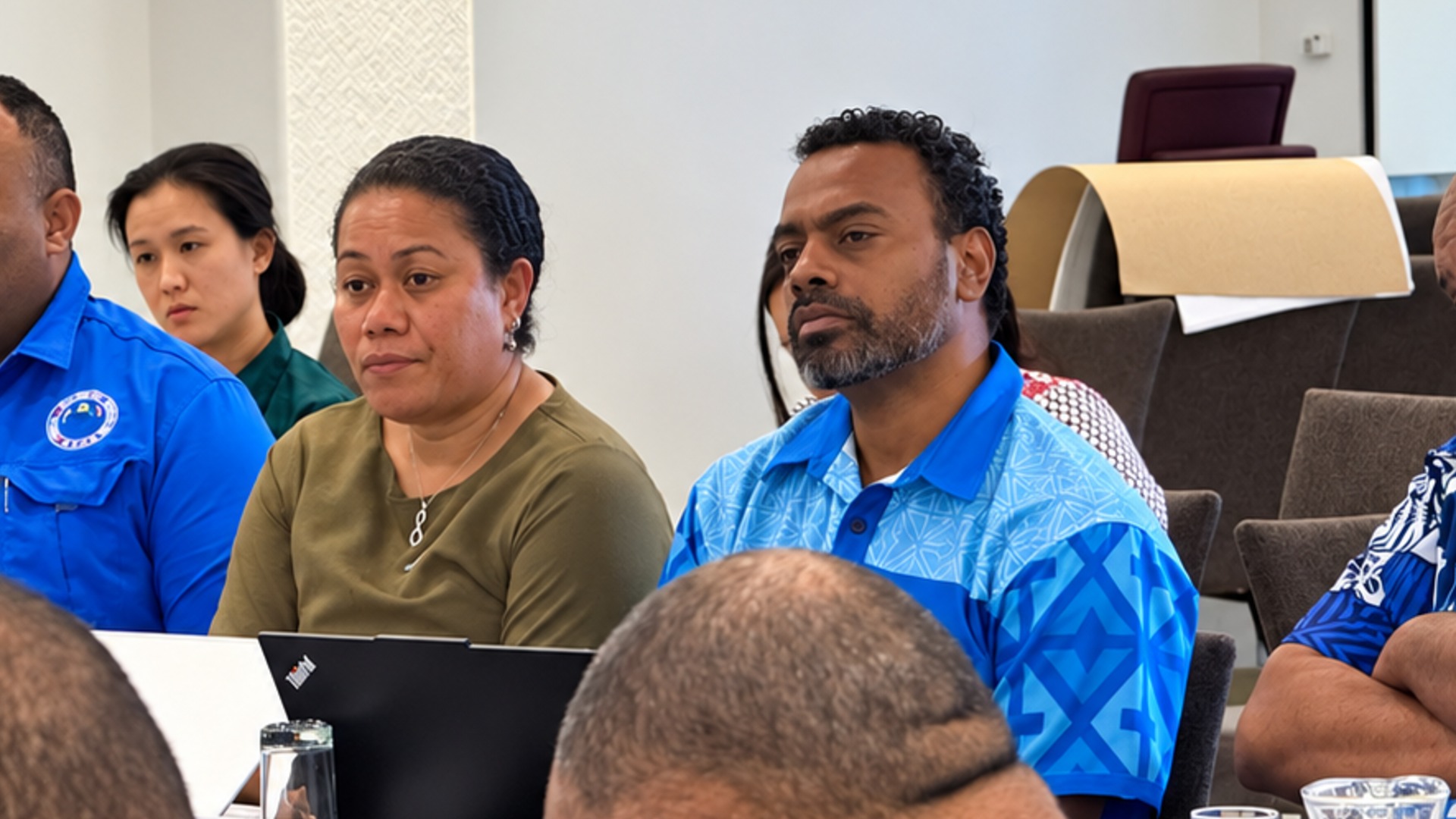
This was highlighted during the National Disaster Risk Management Awareness Week – National SIMEX 26,.
Fiji Meteorological Service Technical Officer Vatere Vuki says the Met Service will issue general information between 120 and 96 hours before a potential tropical cyclone, before moving to alerts and warnings as the system gets closer.
Vuki says once tropical cyclone alerts are issued, heavy rain warnings and flood alerts will also be issued because rainfall can begin before the cyclone makes landfall.
He says the Met Service will also work with the relevant teams to develop procedures for responding to landslides and flooding, including assessing how soil saturation could contribute to landslides.
Vuki says marine warnings, including warnings of damaging heavy swells, will also be issued as a cyclone approaches.
He says strong winds associated with a tropical cyclone can generate damaging swells, meaning sea conditions can become dangerous even before the system makes landfall.
Vuki says marine warnings, heavy rain warnings and flood alerts are normally issued within the 48 to 72-hour period before the cyclone’s expected impact.
Meanwhile, Acting Manager of the Geological Survey Division in the Mineral Resources Department, Agnes Peter, says the Geohazard Emergency Response Team will work according to the alerts and warnings issued by the Met Service.
Peter says the team will begin going on standby within the 24 to 96-hour warning window ahead of a potential disaster.
She says the Geological Emergency Response Deployment mechanism has a roster of three team members each week to respond to geohazards.
Peter says the roster allows the team to respond to landslides, coastal erosion and riverbank erosion after hours, during weekends and on public holidays.
She says the team will also be on standby to respond to geohazards that may occur during a disaster affecting the country.
National SIMEX 26 brings together disaster management officials, government agencies, emergency services and humanitarian partners to strengthen preparedness, test coordination arrangements and practise emergency response procedures ahead of the 2026–2027 tropical cyclone season, which begins on 1st November.