There is an urgent need for the introduction of needle syringe programmes in Fiji as part of a broader harm reduction strategy, alongside supply and demand reduction measures due to the increasing number of people getting HIV through the sharing of needles.
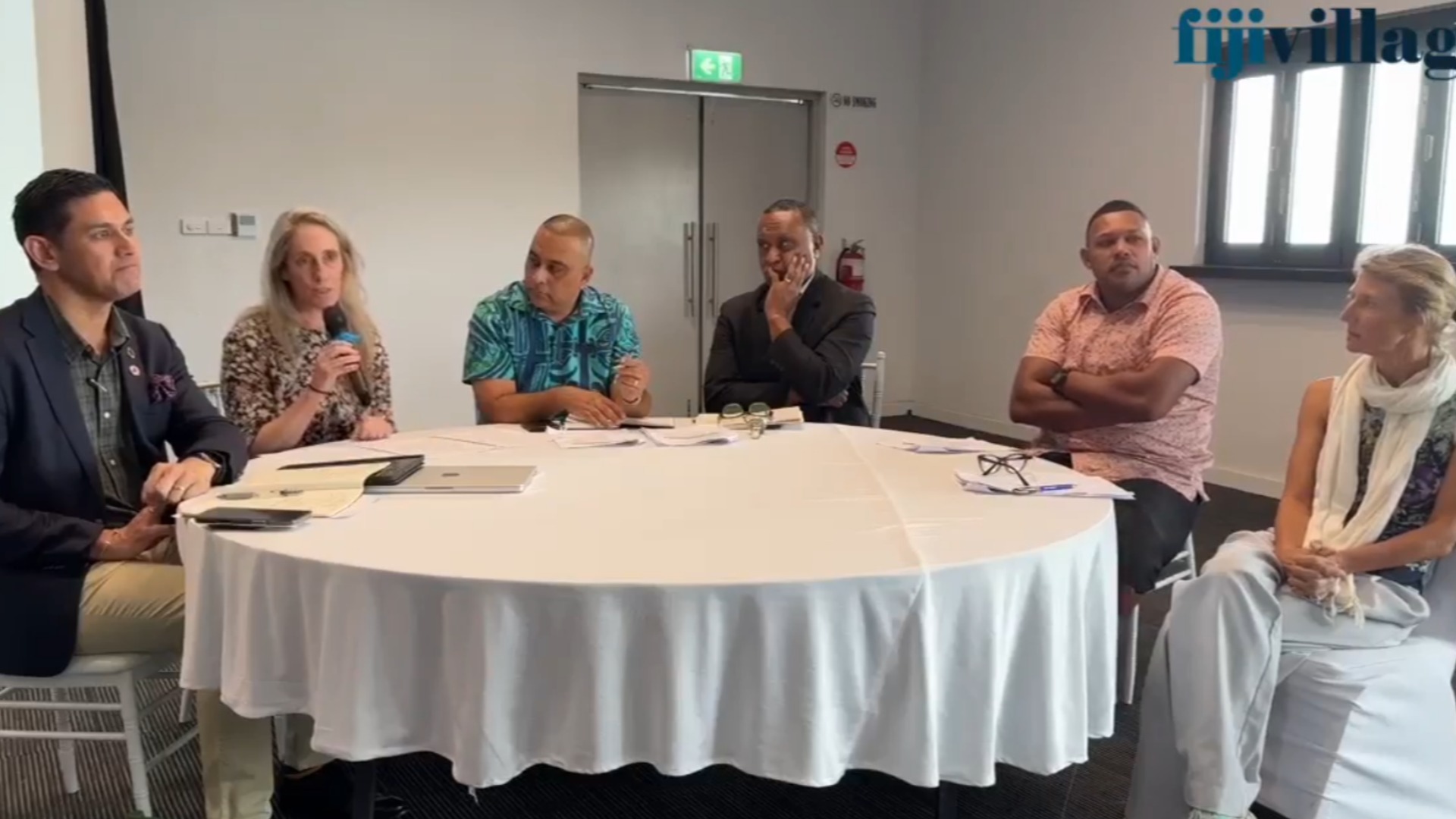
This has been highlighted by Doctor Virginia Macdonald of the Kirby Institute from Australia during the National Talanoa Session on Responding to Illicit Drugs in Fiji: Renewing Commitment Through Action, in Lami.
Doctor Macdonald revealed that research conducted last year by the Kirby Institute in partnership with Fiji National University found that nearly all surveyed drug users in Suva were injecting drugs and all had shared needles because sterile equipment was unavailable.
She argued that withholding sterile injecting equipment does not stop drug use but instead increases the risk of HIV and hepatitis C transmission, leading to lifelong infections and greater strain on the health system.
She says harm reduction is about accepting the reality that some people are using drugs and focusing on reducing the harm they experience while they are using.
Doctor Macdonald says it is about treating people with dignity and maintaining their health.
She also acknowledges that some may view needle syringe programmes as condoning drug use, but says decades of global evidence show otherwise.
50 percent of people living with HIV in Fiji are people who inject drugs, and only about 30 percent of those living with HIV are aware of their status.
This stark warning was delivered by Doctor Macdonald, who has been serving as a technical adviser supporting Fiji’s HIV Unit at the Ministry of Health over the past year with backing from the Australian Department of Foreign Affairs and Trade, says the country is facing a rapidly escalating HIV outbreak driven largely by unsafe injecting practices.
She highlights that the Minister for Health had declared an HIV outbreak at the beginning of 2025 following a sharp surge in cases.
According to United Nations estimates, approximately 7,000 people are now living with HIV in Fiji, up from around 1,000 in 2020, an increase of about 300 percent over the past two to three years.
Insert: Dr Macdonald - Dangerous situation
She stresses that while drug use is often blamed, it is not the act of using drugs itself that causes HIV infection, but the sharing of contaminated needles and syringes.
She says more than 90 countries have implemented such programmes, which have been recommended by the World Health Organisation for over 20 years, and in Australia, they have operated for nearly four decades.
Insert: Dr Macdonald - Response to emergency
Dr Macdonald adds that these programmes can serve as a critical entry point into the health system for marginalised individuals, linking them to drug treatment and other essential services.
She warns that while supply and demand reduction strategies are important, they can take years to achieve measurable impact.