The Republic of Fiji Military Forces is concerned that if there is no political will to have a more aggressive, robust response to the drug problem, Fiji is prone to becoming a semi-narco-state in the next three to five years.
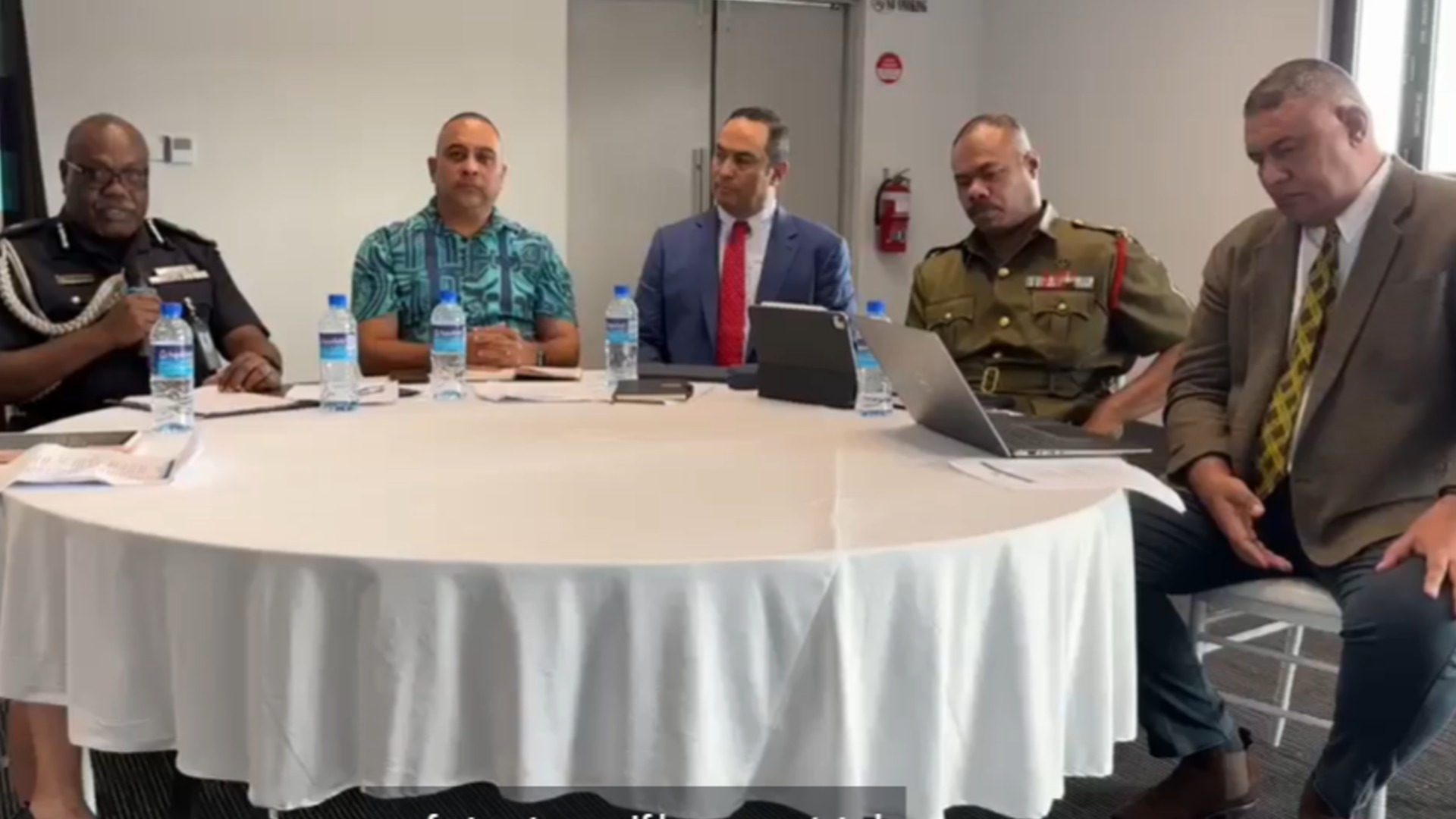
This has been highlighted by RFMF's Director International Defence Cooperation, Lt Colonel Esira Kulavati during the National Talanoa Session on Responding to Illicit Drugs in Fiji: Renewing Commitment Through Action, in Lami.
Lt Colonel Kulavati says he is raising this concern because, at present, most of the institutions that constitute the State, the Republic of Fiji, will be or are likely penetrated and compromised.
He says this is a worrying trend and warns that if nothing is done now, the country could, within the next three to five years, end up becoming a semi-Mexico.
Lt Colonel Kulavati clarified that he is referring to white drugs, not marijuana.
He says the RFMF’s primary concern is not only the harm caused by the drugs themselves, but the trafficking of these substances, where significant money is involved.
He warns that it could impact governance and access to justice, which are among the fundamental pillars of the nation.
Lt Colonel Kulavati says as of last month, the RFMF Commander had a briefing on the drugs problem in Fiji from the Commissioner of Police.
He says police proposed sharing of intelligence, and to have a joint task force to tackle this issue.
The Lt Colonel says the RFMF has conducted a strategic estimate to look at the problem in its totality, including the roots and the drivers, how the adversary would be providing their narratives, the likely lines of efforts that is in their strategy and why our current response, including the Counter Narcotics Bureau is not working.
He says the problem they are trying to address is clearly demarcating the role of defence from that of law enforcement, particularly in relation to threats originating from outside the country.
Lt Colonel Kulavati says troops began mission-specific training two weeks ago to prepare for hybrid threats, which require a different approach from conventional warfare and peacekeeping operations.
He stresses strengthening institutional integrity is critical to preventing traffickers from infiltrating State institutions.
When questioned by fijivillage News Director Vijay Narayan on how dangerous the situation has become, noting concerns that drug trafficking is often linked to weapons, Associate Professor Jose Sousa Santos from the Pacific Regional Security Hub says 95 percent of drug seizures in Tonga last year included weapons, pistols or long arms.
He says the pattern has not been seen in Fiji but it is something definitely to keep an eye on, especially as Fijian law enforcement and joint operations become more successful in its operations against the cartels.
Police Commissioner Rusiate Tudravu says the Fiji Police Force is not armed and if drug operations involve arms, then the military will have to step in.
When questioned on whether to wait for that situation to arise or ensure we are prepared in advance, Tudravu stresses that the police are not armed and political leaders will need to make a decision on this.
Lt Colonel Kulavati says from current intelligence, there may be weapons associated with these traffickers, but not for use against law enforcement or the military.
INSERT: Lt Col on weapons 25 feb
Ministry of Policing's Inspector Jemesa Lave says their studies have found that in a society, if the police are armed, it forces the other side to elevate their security posture because they will be defending themselves against the police.
He says that in Fiji, this will happen and for now, they have not elevated their security, and the reason we know they possess arms is that they are facing the military, not the police.
Reverend Manasa Kolivuso also questioned the Commissioner, asking whether, following the recent death of a police officer in the line of duty under suspected foul play, the officer would have been able to defend himself instead of facing death if he had been legally allowed to be armed.
Tudravu says definitely it would have been done if the police officer was armed.
He says the constable was wearing his essential vest, but as of now, the investigation will point to what equipment that was with him during his death.
The Commissioner further says that in equipping police officers, they are doing their best but many steps are being taken to better equip the Force, including numerous recent purchases.
He says there are also discussions about non-lethal options, such as sprays, among other equipment, with many factors being considered in the process.
INSERT: COMPOL on arms 25 feb
The talanoa session continues in Lami.