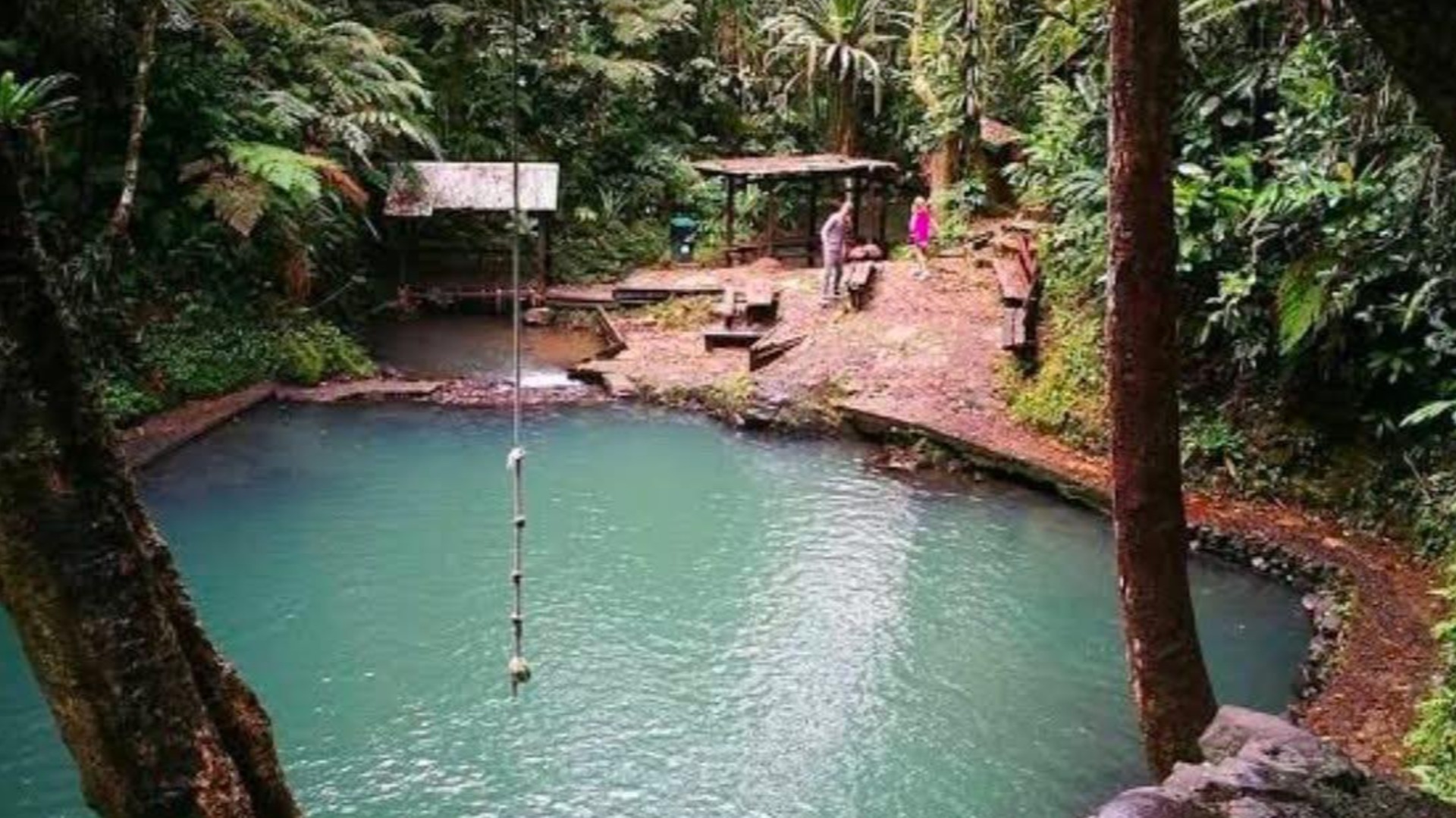
The public is refrained from entering the Colo-i-Suva Forest Park and swimming in its forest pools following the death of a teenager and three suspected severe cases of leptospirosis reported last week.
The Ministry of Health and Medical Services says one of the three teenagers admitted to health facilities around Suva with suspected leptospirosis died upon admission at the Colonial War Memorial Hospital on Friday.
According to the Ministry, all three teenagers had a history of swimming at Colo-i-Suva earlier this month.
Assistant Minister for Health Penioni Ravunawa is urging members of the public to stay away from the park and avoid swimming in rivers and forest pools until further notice, warning that heavy rainfall may have contaminated waterways and increased the risk of infection.
The Central Health Services Divisional Outbreak Response Team is currently carrying out public health interventions and investigations.
While current case numbers may appear low, Ravunawa stresses that leptospirosis remains a deadly disease and heightened public awareness and preventive action are critical.
He says the recent fatality underscores the ongoing danger posed by the disease, particularly after periods of intense rainfall, and more cases are expected under the present weather conditions.
Leptospirosis is a bacterial disease that affects both humans and animals.
It is spread through the urine of infected animals, which can contaminate water and soil for weeks or even months.
Animals such as cattle, pigs, rats, horses, dogs and mongoose can carry the bacteria without showing symptoms.
People can become infected through contact with contaminated water, soil, food or animal urine.
The bacteria can enter the body through cuts or abrasions in the skin, or through the eyes, nose and mouth.
In Fiji, leptospirosis is commonly recorded in both rural and urban areas, particularly among adolescents and adults up to 45 years of age who are more active outdoors.
Swimming in rivers, wading through muddy areas and increased rainfall during the wet season significantly raise the risk of infection.
Symptoms may appear between two days and four weeks after exposure and include high fever, headache, chills, muscle aches, vomiting, red eyes, abdominal pain, diarrhoea, rash and jaundice, which is the yellowing of the eyes and skin.
The Ministry warns that the illness can occur in two phases, with the second phase potentially more severe, leading to kidney damage, liver failure, respiratory distress, meningitis, also known as Weil’s disease, and even death if left untreated.
Leptospirosis is treated with antibiotics prescribed by a doctor, and early treatment is vital.
Severe cases may require intravenous antibiotics and intensive hospital care.
Members of the public are strongly advised to seek early screening and prompt medical attention at their nearest health facility if they experience symptoms.
Health officials emphasise that early treatment saves lives.

Stay tuned for the latest news on our radio stations