The Office of the Director of Public Prosecutions is calling for the removal of the Attorney General
from the consultation process in the Director’s appointment as it creates unnecessary political influence.
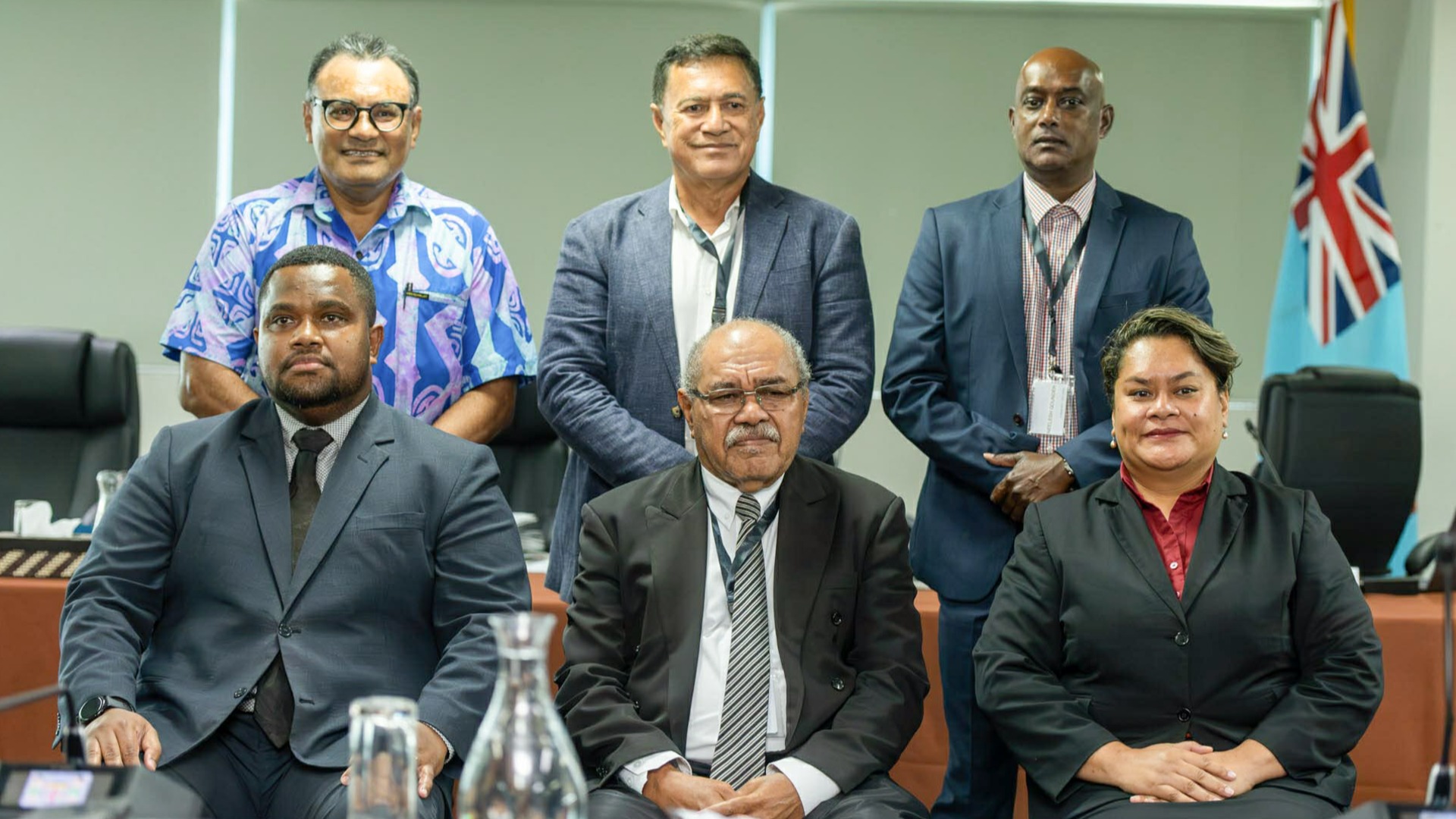
While making their submission to the Constitution Review Commission, Acting DPP Nancy Tikoisuva says Section 117(3) of the Constitution says the DPP shall be appointed by the President on recommendations of the Judicial Services Commission following consultation by the JSC with the Attorney General.
She asks that if the JSC is an independent body, isn't it sufficient that its functions and its decisions for the appointment of the DPP do not need to again be consulted with the Attorney General, if already the members have been placed there on recommendations of the Attorney General?
Tikoisuva stresses this is an overreach into the appointment process of the DPP and is also subject to political interference.
The Acting DPP is also calling for the Attorney General to be removed as a reporting authority for FICAC as according to the Constitution, the ODPP can take over criminal proceedings that have been instituted by another person or authority except proceedings instituted by FICAC.
She has highlighted that the powers of the FICAC do not have the exception that exists in the same provisions for the ODPP.
Tikoisuva says while the DPP has predominantly been viewed as not reporting to anyone except to the court of law in its independent function, the current provisions of the Constitution has created a pathway for possible political interference through the powers of FICAC.
According to the Constitution, FICAC is mandated to provide regular updates and advice to the Attorney General on any matter related to its functions and responsibilities.
She adds that the 2013 Constitution is the first constitution to create an exception for reporting and for its functions to be subject to another body outside of the court of law and any other written law.
The DPP also says the current definition of “public service” in the Constitution is unclear and problematic, as it creates exceptions that could be interpreted to shield certain public officials and constitutional office holders from criminal liability.
Tikiosuva says the concern is that this definition has already been used as a defence in court proceedings and may even suggest that the State and bodies such as the DPP, FICAC and the Fiji Police Force cannot be sued.
She says the provision is ambiguous and not workable in its current form, and needs to be clarified to prevent misuse and misinterpretation.
Tikoisuva highlights that they are unclear as to the intention behind the exception from civil liability, but it also creates a problem in criminal liability if there is no clarity in this.
She says they had asked for the Hansard report but there isn't any and the briefing notes were unhelpful as to why this particular definition was put in its form.
They submit that the definition be aligned to other legislation to provide clarity and to remove ambiguity, particularly if there was an intention to create an exception from any civil liability as intended to protect institutions.
Tikoisuva says if the exception was there to protect some institutions, then that has to be clearly provided.
While responding to a question by Commissioner Dr Neelesh Gounder if the ODPP can do the prosecutorial work of FICAC, Tikoisuva says they can absorb the work of the anti-corruption agency in addition to the other work they do.
However, she says FICAC has a broader role with three functions including prevention, investigation, and prosecution.
The Acting DPP says the anti-corruption work was previously handled within its office before FICAC was established in 2007, including plans for specialised prosecution units, but the creation of FICAC followed changes in government policy and international obligations.
Tikoisuva highlighted that different countries use different models, and says ultimately it is up to the government to decide how anti-corruption responsibilities should be structured in Fiji.
The Acting DPP also says there is a clear resource disparity, noting that in 2023 it had over 50 prosecutors with a $6 million budget, while FICAC had 14 prosecutors with over $10 million, despite the DPP handling a much broader workload.
When questioned by Commissioner Dr John Fatiaki on what would be required for the functions of FICAC to come under DPP, Tikoisuva says it is not a suggestion that DPP has an investigative arm and has requested that the ODPP remain a prosecutorial body.
She says one option is to reposition FICAC as a mainly investigative body, similar to the Fiji Police Force, focusing on specialised anti-corruption and financial crime investigations, while all prosecutions are handled by the DPP’s office.
The Acting DPP adds that having both functions under one institution is also not new, and ultimately the decision depends on how the government chooses to structure the two agencies.
While responding to a question by Commissioner and senior lawyer Ami Kohli that is it fair to an accused person not to know who is making an allegation against them, Tikoisuva says it is important that accused persons are treated fairly, which is why investigation and prosecution are kept separate.
She explains that within the DPP’s office, decisions go through a multi-layered review process where prosecutors do not control investigations and instead independently assess police files, focusing on whether evidence was lawfully obtained and whether there are any breaches of rights, such as coercion or improper influence.
The Acting DPP says legal advice is also reviewed at multiple levels, meaning decisions are checked and rechecked before being finalised, and any departure from legal advice is flagged internally.
Tikoisuva also highlights its digital case management system, where all files and decisions are recorded and cannot be hidden or bypassed, ensuring transparency and accountability within the office which ensures independence, reduces the risk of conflict, and strengthens fairness in prosecution decisions.
The Commission continues receiving submissions throughout the week and will be going to the public in May.