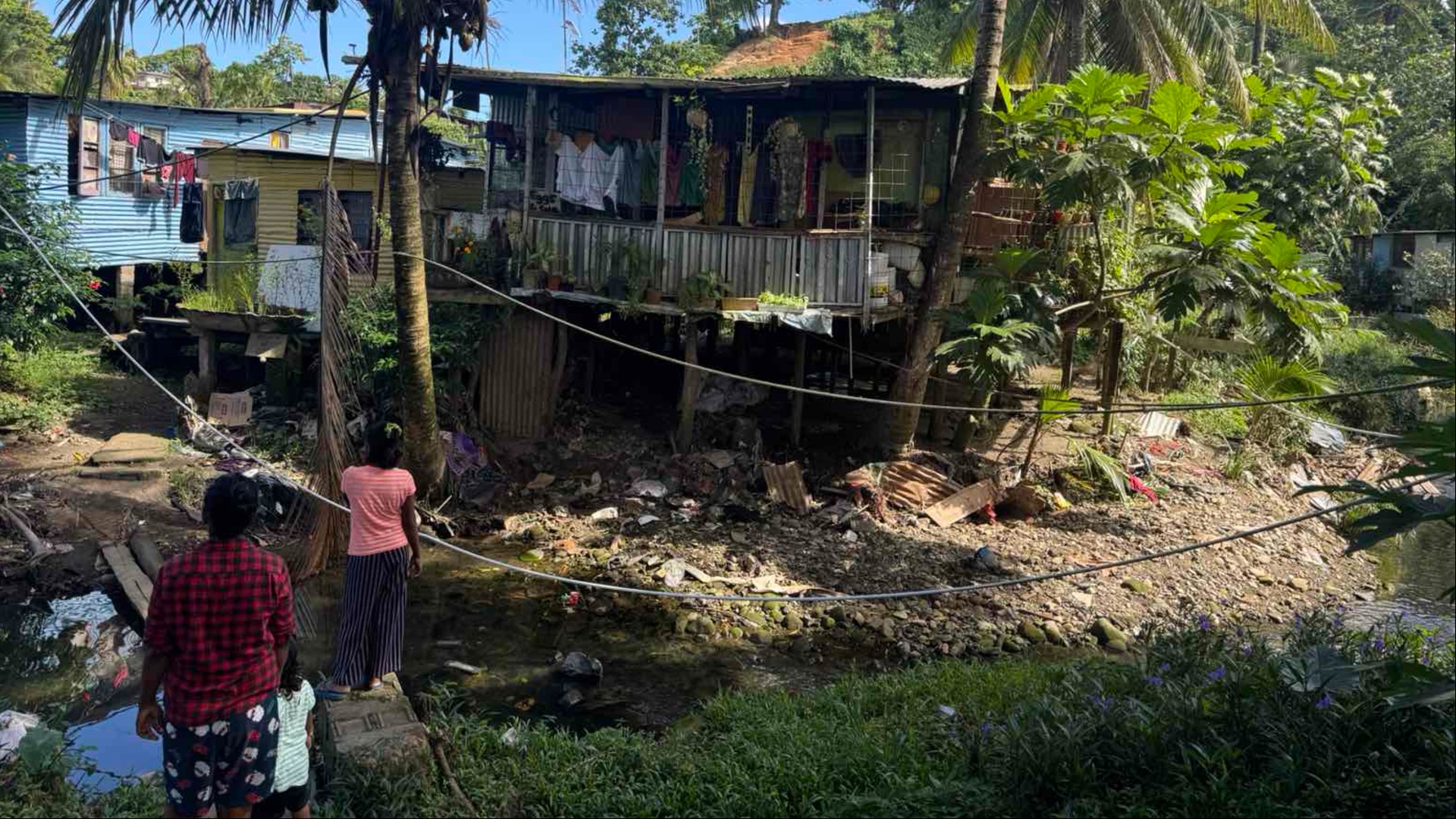
Residents facing relocation from the Nabua Muslim League Settlement say they are prepared to move if it means a safer and better future for their families, while the Government insists it is taking a careful approach to ensure any relocation is permanent and sustainable.
Chairman of Nabua Muslim League Zone 1, Asaeli Joji Tamanitoakula, told fijivillage News that while no residents have moved out yet, the community has been informed that several relocation options are being explored, including housing developments, Public Rental Board accommodation, government reserve land and, in some cases, a return to villagers' home communities.
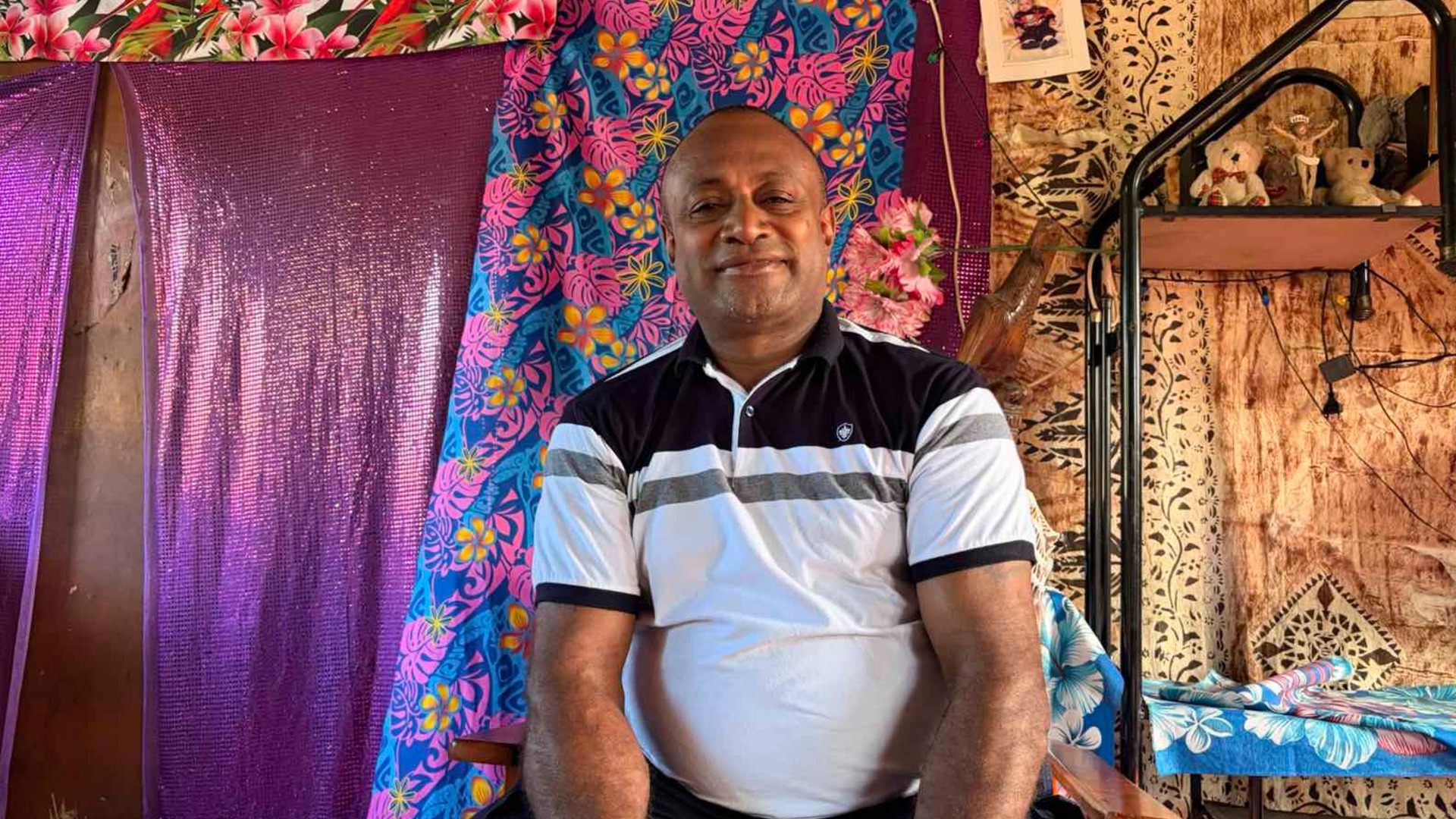
Tamanitoakula says residents are still awaiting confirmation on when the relocation process will begin, and where families will ultimately be resettled.
Having lived in the settlement for almost 40 years, he believes relocation presents an opportunity for many families to improve their living conditions and create a safer environment for future generations.
Insert: Tamanitoakula - Relocation is good June 04
He says concerns about crime, drug activity and the lack of proper infrastructure within the settlement have prompted some residents to support the move.
According to Tamanitoakula, many parents are worried about the influence of drugs and criminal activity on young people and believe a new environment could provide children with better opportunities and a more secure future.
While acknowledging the emotional challenge of leaving a community that many families have called home for decades, he says residents also understand the importance of respecting land ownership rights and complying with legal processes.
Responding to questions from fijivillage News, Minister for Housing, Maciu Nalumisa says the priority is to ensure that when relocation occurs, it is permanent, safe and improves the quality of life for all affected families.
Nalumisa says the relocation of evicted families is progressing through a detailed multi-stage process and the Ministry is committed to getting it right rather than rushing a solution that could create further hardship.
He says the Government has allocated $2.1 million in the 2025-2026 financial year under its Relocation and Resettlement programme to support a Greenfield Development project for families from the Veidogo, Kilikali and Muslim League settlements.
According to the Minister, these communities are facing eviction and it is important that they are relocated to safe, suitable and sustainable environments.
Nalumisa confirms that a development lease has been secured for a greenfield site in Koronivia, Nausori, which has been identified as a future relocation area.
However, he stresses that acquiring land is only one part of a much larger process that requires coordination with the landowning unit, the Ministry of Lands and the iTaukei Land Trust Board to ensure all legal and customary requirements are met.
He says the project is currently in the detailed planning phase, which includes topographical surveys, geotechnical investigations and the preparation of environmental and engineering plans.
Nalumisa says these assessments are necessary to ensure the site is safe, flood-free and capable of supporting long-term residential development.
He adds that statutory approvals must also be obtained before any civil works can begin, while essential infrastructure such as roads, water and electricity must be installed before families can be relocated.
The Minister says the Government is determined to provide proper living conditions and not temporary solutions.
He further revealed that socio-economic surveys are helping identify families who may be able to transition into formal housing arrangements through the Housing Authority.
Nalumisa acknowledges that many residents are eager for answers but says the relocation process involves complex technical, legal and social requirements that cannot be bypassed.
The Nabua Muslim League Settlement has become one of Fiji's most significant housing and relocation issues after the Fiji Muslim League, which owns the land, issued eviction notices in November 2024 and announced plans to reclaim the property for future development.
The organisation stated that it required vacant possession of the land to proceed with development and financing plans, with Government ministers later confirming that the League, as the legal landowner, has the right to develop its property.
More than 400 households are estimated to be living in the settlement, making it one of the largest informal settlements in the country.
Many residents have lived there since the 1980s, with some families spending more than three decades in the area.
Following public concern over the evictions, the Government intervened and began working with affected families to identify relocation options.
A socio-economic survey was carried out to assess residents' needs, while the Government also requested additional time from the Fiji Muslim League to allow for relocation planning.
The Housing Ministry has since been exploring alternative sites, including land near Koronivia and housing options through the Housing Authority, as part of efforts to relocate affected families.