We support the need for corporal punishment in school.
This has been voiced by the villagers of Korovisilou as they presented their views to the Parliamentary Standing Committee on Justice, Law and Human Rights on the Education Bill.
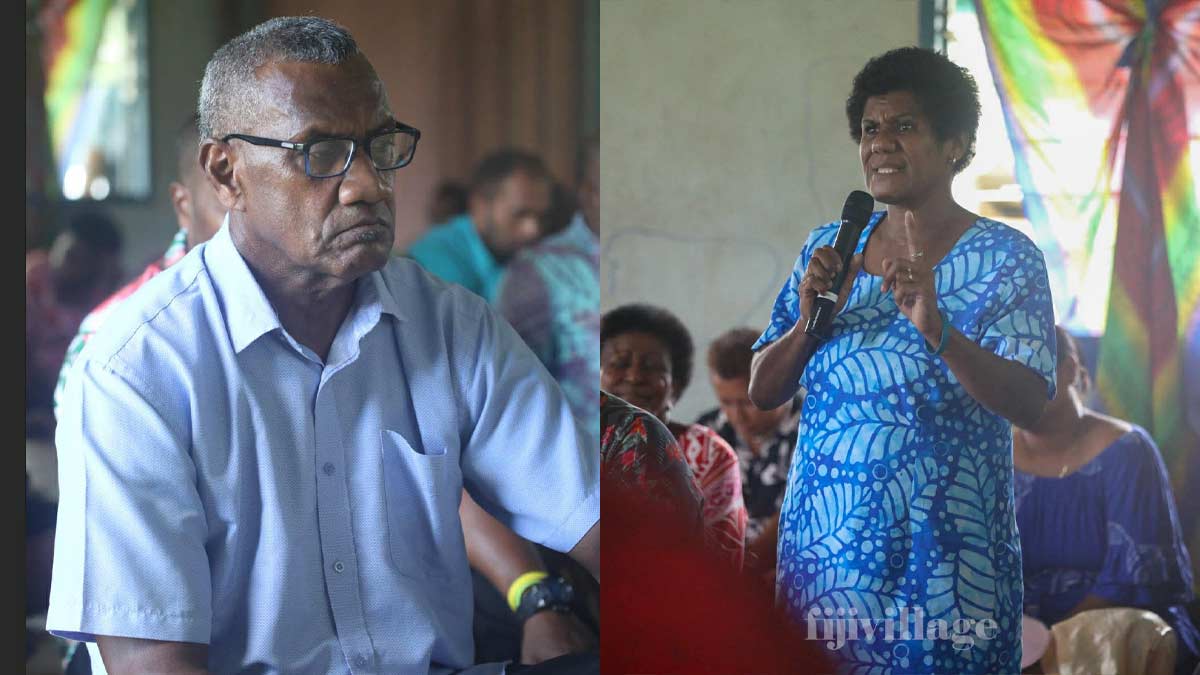
Voicing her opinion, villager Vilimaima Vilele says discipline among children has significantly declined since corporal punishment was abolished, both at home and in schools.
Vilele told the committee that today’s children are increasingly disrespectful and display serious attitude problems.
She shared that she has six children, and she noticed the increase in their attitude problems, especially in school.
Vilele says corporal punishment, when applied within limits, helped shape responsible and respectful adults in the past.
She stressed that discipline is necessary to ensure children are able to learn and respect authority.
She also raised concerns about existing penalties for parents who fail to send their children to school.
She called for fines to be reduced and for prison terms to be lowered from one year to six months, saying the current penalties are too severe and out of touch with present-day realities.
According to Standing Committee Chair Ratu Rakuita Vakalalabure, a $2,000 fine will be imposed on negligent parents with a jail term of 12 months.
Another villager, Josevata Lesumailodoni, told the committee that strict discipline during earlier generations played a key role in maintaining respect for elders and teachers.
Lesumailodoni says that when he was young, he was "whipped into shape".
He claimed that since the removal of corporal punishment, student behaviour has worsened, with some students now openly swearing at teachers and challenging authority.
While strongly supporting the reintroduction of corporal punishment, he also acknowledged the need for safeguards.
He is urging lawmakers to clearly define what forms of punishment would be acceptable to prevent abuse while restoring discipline in schools.

Stay tuned for the latest news on our radio stations