Concerns have been raised that some iTaukei land in Namosi can be leased without the consent of 60 percent of landowners, with a local foundation warning that this poses serious risks to indigenous rights and control over natural resources.
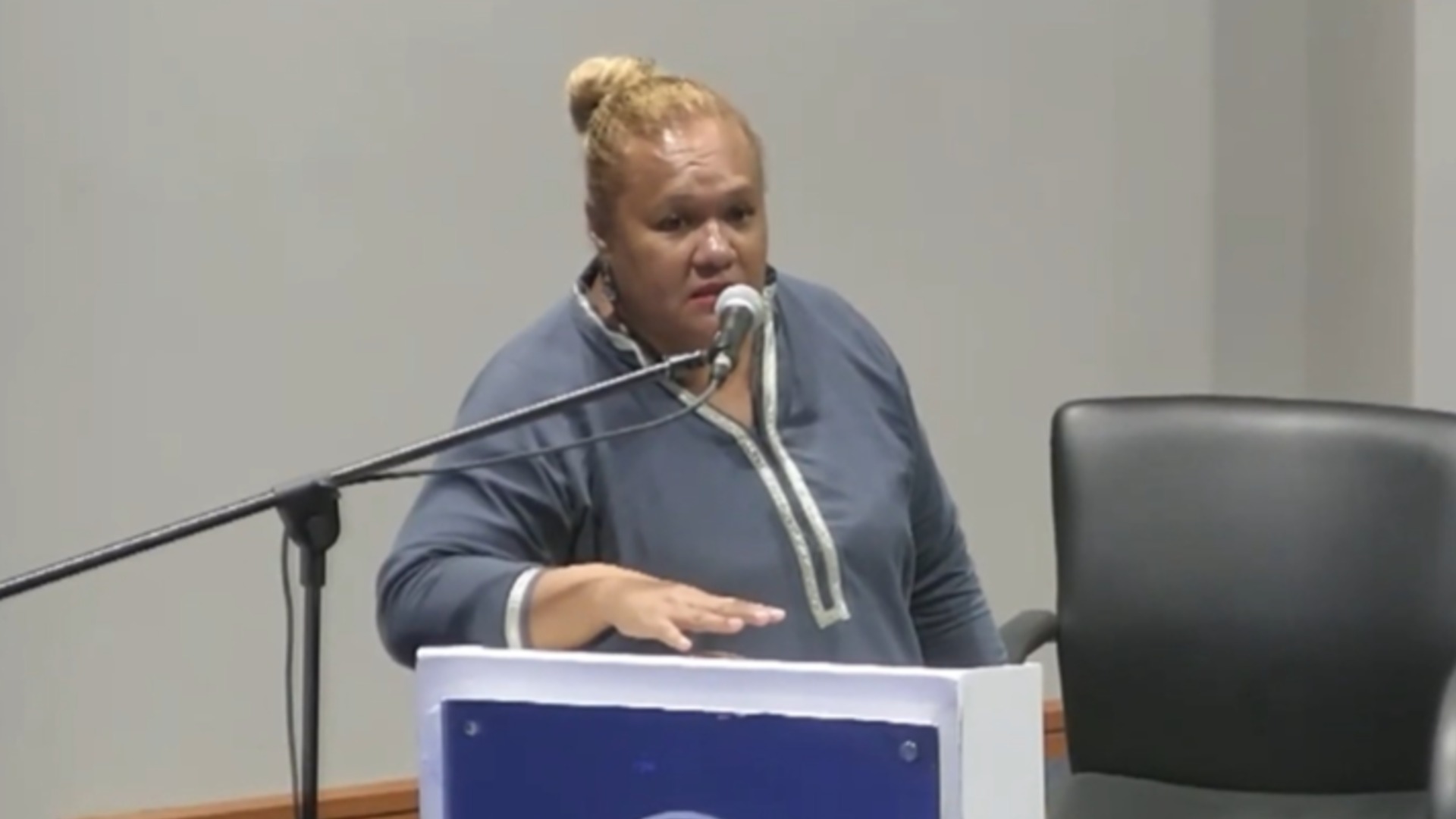
Founder and Executive Director of the First Nations Fiji Resources Foundation, Mereoni Duaibe, highlighted this issue during the Climate Change Fallout – Development Transitions and Community Resilience: An International Talanoa on Transition Mineral Mining and Development Justice at Fiji National University’s Nasinu Campus.
Duaibe says the absence of reserved land status in parts of Namosi means the iTaukei Land Trust Board can lease land without the commonly understood 60 percent consent threshold.
Insert: Duaibe - how many people know April 11
She warns that this gap, combined with existing legislation such as the Compulsory Acquisition framework, could allow land to be accessed for projects deemed in the national interest, including hydropower developments.
Duaibe stresses that indigenous landowners must organise themselves legally and be fully informed of their rights, particularly in light of increasing interest in resource extraction and renewable energy projects.
She also raised concerns about historical grievances in Namosi, including environmental damage and alleged mistreatment of landowners linked to past mining activities, which have fuelled resistance to future developments.
Highlighting two case studies involving mataqali groups in Namosi, Duaibe says communities are increasingly exploring alternative economic models such as carbon trading, regenerative agriculture and vanua-based tourism.
She points to one mataqali group that has developed a self-funded project valued at around $17 million, using compensation funds to invest in sustainable initiatives rather than extractive industries.
Duaibe emphasised that development must be grounded in free, prior and informed consent, with communities actively engaged in decision-making processes rather than treated as passive beneficiaries.
She adds that understanding the social and cultural context of each community is critical, warning against imposing external economic systems without adaptation.
Insert: Duaibe - They read nature April 11
Duaibe also highlighted the growing role of carbon markets and new technologies in land management, noting that one landowning unit in Namosi has undertaken advanced aerial surveys to support future planning.
She urges stronger legal protections for indigenous landowners, saying current frameworks do not adequately support their rights in sectors such as mining and hydropower.

Stay tuned for the latest news on our radio stations