Concerns over Energy Fiji Limited's tariff-setting process, dividend disclosures and the lack of independent testing of electricity meters were raised during the Standing Committee on Economic Affairs' review of EFL's 2023–2024 Annual Report.
The concerns were highlighted by Deputy Chair Premila Kumar while considering submissions from the Consumer Council of Fiji.
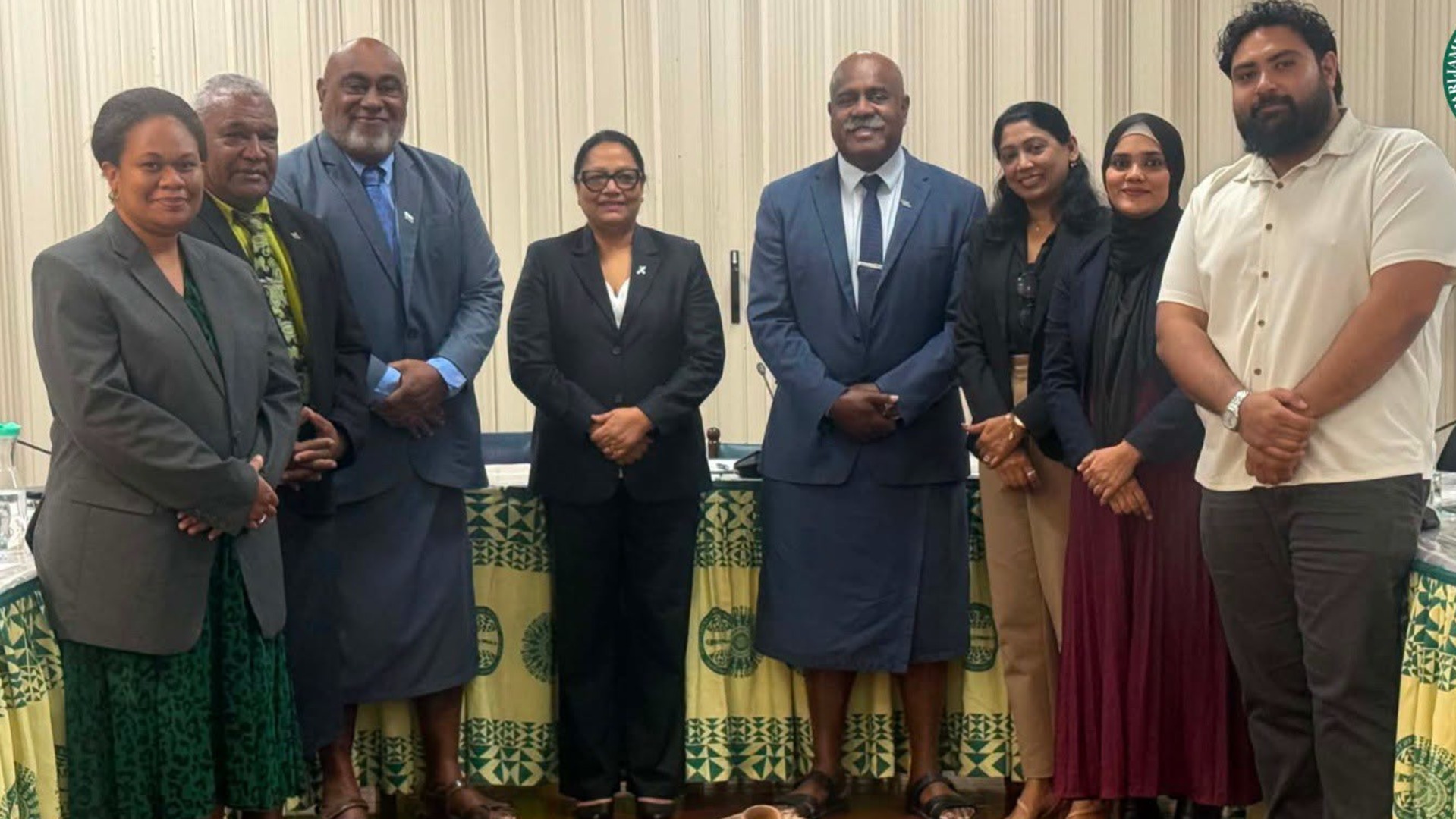
@fijivillage.com Deputy Chair Premila Kumar raises concerns over EFL paying dividends while seeking tariff increases and relying on customer-funded solutions during Consumer Council of Fiji submissions at the Standing Committee on Economic Affairs’ review of EFL’s 2023–2024 Annual Report.
♬ original sound - fijivillage
Kumar questions why details surrounding EFL's tariff applications to the Fijian Competition and Consumer Commission remain confidential.
Insert: Kumar on lack of transparency 22nd June.
Kumar also questions how EFL could request tariff increases while continuing to pay dividends to shareholders despite recording losses.
She highlights that Fijians collectively own 5 percent of EFL shares and that consumers, who are both customers and shareholders, should receive the same level of transparency afforded to other shareholders.
Kumar notes that EFL's annual reports disclose dividends paid to other shareholders but remain silent on how much has been paid to Fijian consumers.
She also questioned why details surrounding EFL's submissions to the FCCC on tariff applications remain undisclosed, saying EFL operates as a monopoly and there should be no justification for withholding such information from the public.
Consumer Council of Fiji CEO Seema Shandil confirms that while the Council makes submissions during tariff consultations, the methodology and criteria used by the FCCC to determine tariffs are not disclosed.
Consumer Council representative Ziyad Parvez says EFL submits both confidential and public reports during tariff applications, meaning consumers are not fully aware of all the information being considered.
Kumar urges the Consumer Council to formally raise these concerns with the FCCC and push for greater disclosure before any tariff increases are approved.
Another issue raised by Kumar was the lack of independent oversight of electricity meters.
She says EFL currently supplies, manages and tests its own meters despite the readings directly affecting its revenue.
Kumar questions why the Ministry of Commerce, which already has testing capabilities, is not independently verifying meter complaints.
Shandil says the Consumer Council had not undertaken an in-depth advocacy campaign on the issue but agreed there should be independent third-party audits of electricity meters.
She adds that the Council regularly advises consumers to report anomalies and works with EFL to resolve complaints.
Shandil also reveals that the Consumer Council continues to receive complaints about unusually high electricity bills linked to estimated meter readings.
She says in one recent case involving two adjacent meters, one displayed an actual reading while the other reflected an estimated reading, raising concerns over accuracy.
According to Shandil, some consumers experienced significant increases in their bills, which were only corrected after the Consumer Council intervened and discovered errors in the readings.
Parliamentary Committee member Kalaveti Ravu says numerous consumers had complained about sudden increases in their monthly electricity bills, with some alleging that EFL staff had not physically checked their meters before issuing charges.
Ravu also stresses that, in fairness, EFL should disclose dividends paid to the Fijian public, who collectively own 5 percent of the company.
Shandil says if EFL is transparent about payments made to other shareholders, it should also disclose how much has been paid to Fijian consumers through its annual reports.
The Standing Committee on Economic Affairs received the submissions from the Consumer Council of Fiji as part of its review of Energy Fiji Limited's 2023–2024 Annual Report.