A 50 percent top-up in social protection payments has been approved for more than 130,157 social protection recipients as the government moves to cushion the impact of rising fuel prices and the increasing cost of living.
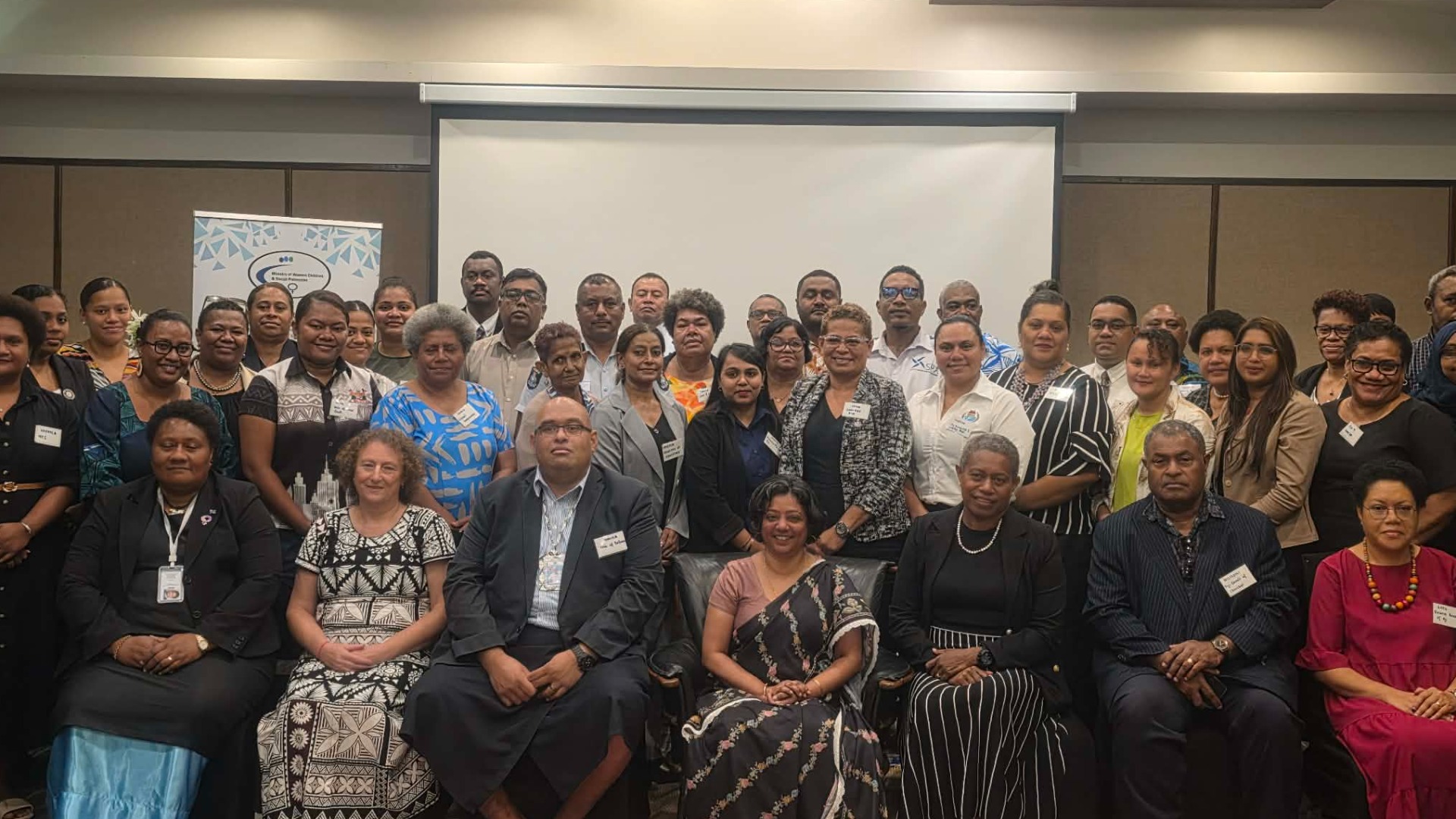
Minister for Women, Children and Social Protection, Sashi Kiran, made the announcement during the National Validation Workshop for Fiji’s Poverty Alleviation Strategy Framework 2026–2030.
Insert: Kiran on assistance 23rd April
Kiran says while the top-up provides immediate relief, it also highlights the need for a more coordinated and long-term approach to addressing poverty in Fiji.
Meanwhile, she stresses that the new Poverty Alleviation Strategy Framework, the first since 1999, recognises poverty as multidimensional, extending beyond income to include access to healthcare, housing, education, childcare, safety and employment opportunities.
Kiran says recent findings, including the UNICEF Multidimensional Child Poverty Report, show that poverty is no longer confined to specific groups, with children, adults and the elderly increasingly affected across the country.
She adds that economic stress is also contributing to rising cases of elder abuse and hardship within families, reinforcing the need for an intergenerational approach.
The Minister says the framework will strengthen coordination across government agencies, supported by the rollout of the Integrated Beneficiary Management Information System, which will begin its pilot phase in August next year.
She says the system will help identify gaps in service delivery and ensure vulnerable families are referred to the appropriate support programmes, including skills training, childcare, housing and livelihood opportunities.
Kiran also highlights ongoing challenges in rural and maritime communities, where limited access to markets, financial services and infrastructure continues to hinder development.
She is urging families to use part of the additional financial support to invest in food security measures such as home gardening, noting that similar practices during the COVID-19 period helped ease pressure on household budgets.
Kiran says the overall goal of the framework is to move people away from temporary assistance and towards sustainable independence, with a focus on building resilience and improving access to opportunities.
She adds that poverty alleviation must be approached as an issue of dignity and justice, not just welfare, if Fiji is to break the cycle of hardship across generations.