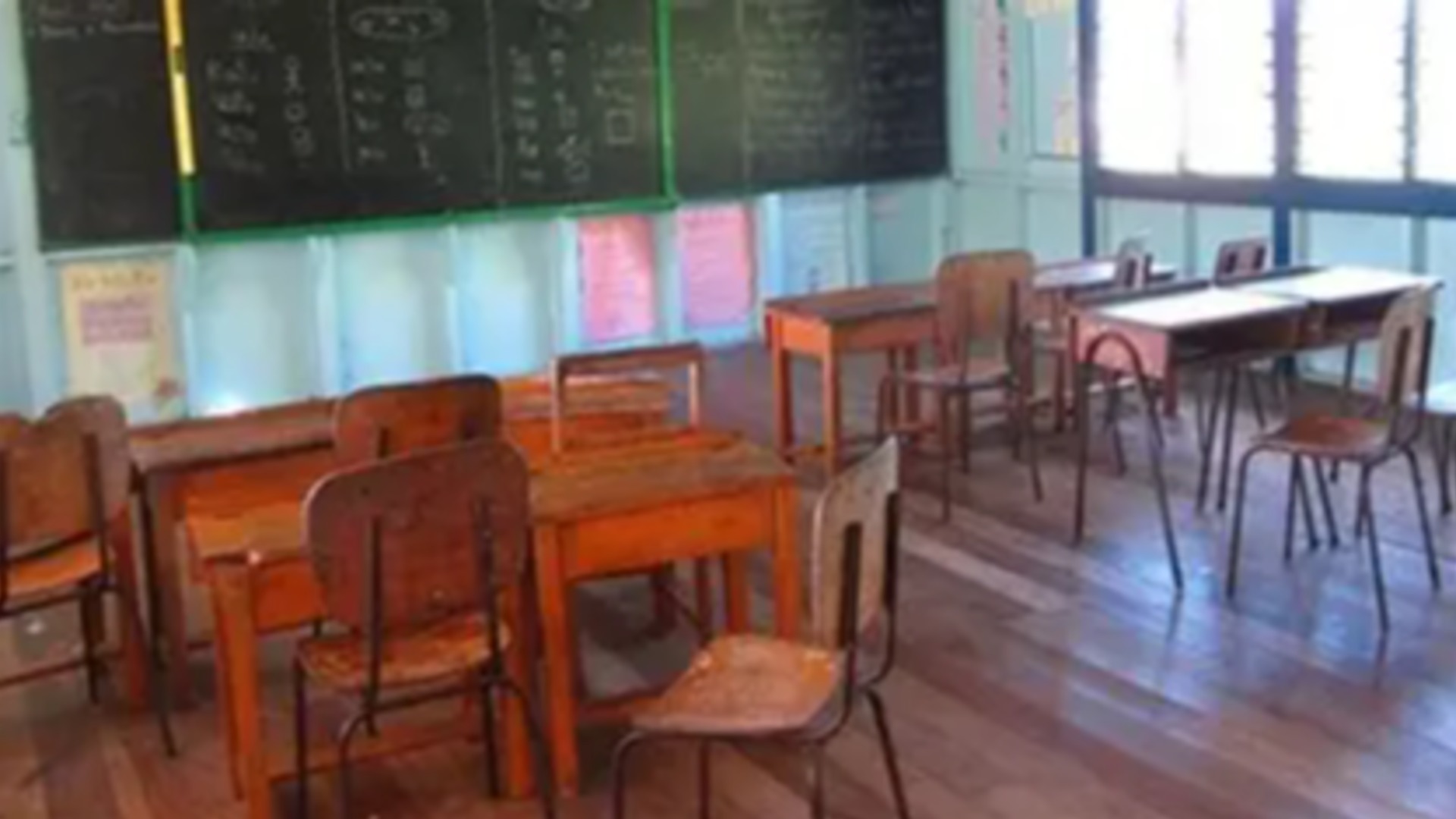
Many children with disabilities continue to struggle to access education because of transport difficulties, inaccessible school environments, discrimination, high support needs, a lack of specialist support, limited access to special schools outside urban areas and unstable home environments.
This has been highlighted in the Rights of Children with Disabilities Report.
The report says more students with disabilities are now enrolled in mainstream schools than in special schools, with 1,867 attending mainstream schools compared with 1,285 in special schools.
This highlights the growing impact of efforts to promote inclusive education in Fiji.
The report highlights that there have been important advances in inclusive education, including the implementation of the Special and Inclusive Education Policy, grants for accommodations and assistive devices, and ongoing teacher training initiatives.
Parents told researchers that their children enjoy attending school, have a strong desire to learn, and deserve the same right to education as every other child, stressing that school helps children develop valuable social skills and a sense of belonging.
According to the report, there are 326 mainstream primary schools and 139 mainstream secondary schools in Fiji that enrol students with disabilities.
Students with disabilities have also been supported through measures such as enlarged-print learning materials, modified lessons, sign language interpreters, and teacher aide support.
Some schools have improved accessibility by building ramps and railings, providing transport for students, and introducing inclusive classroom technology.
Despite these improvements, the report says children with higher support needs continue to face the greatest challenges, with some never attending school, starting school late, leaving early, or missing out on vocational education opportunities altogether.
It also reveals a significant gender gap, with almost twice as many boys with disabilities enrolled in both mainstream and special schools as girls, unlike the general student population, where enrolment is almost evenly split between boys and girls.
While many teachers have been praised for supporting children with disabilities, the report says others have displayed discriminatory attitudes or focused more on high-achieving students without disabilities.
It says that while 115 teachers have specialist qualifications in special education, many have not received the training needed to adequately support children with disabilities.
The report also raises concerns that some mainstream schools are encouraging parents to enrol their children in special schools because they believe they are unable to provide the necessary support.