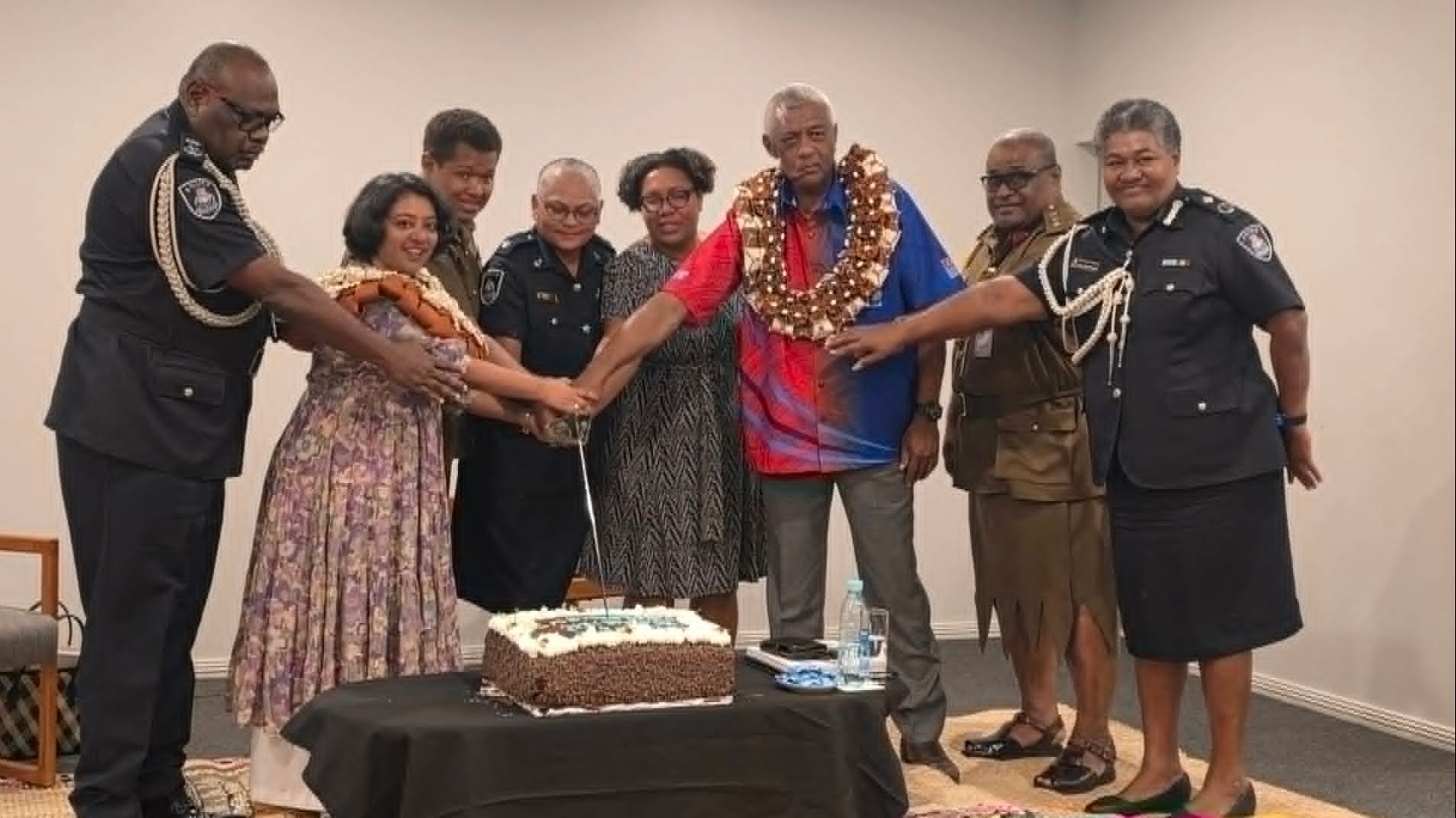
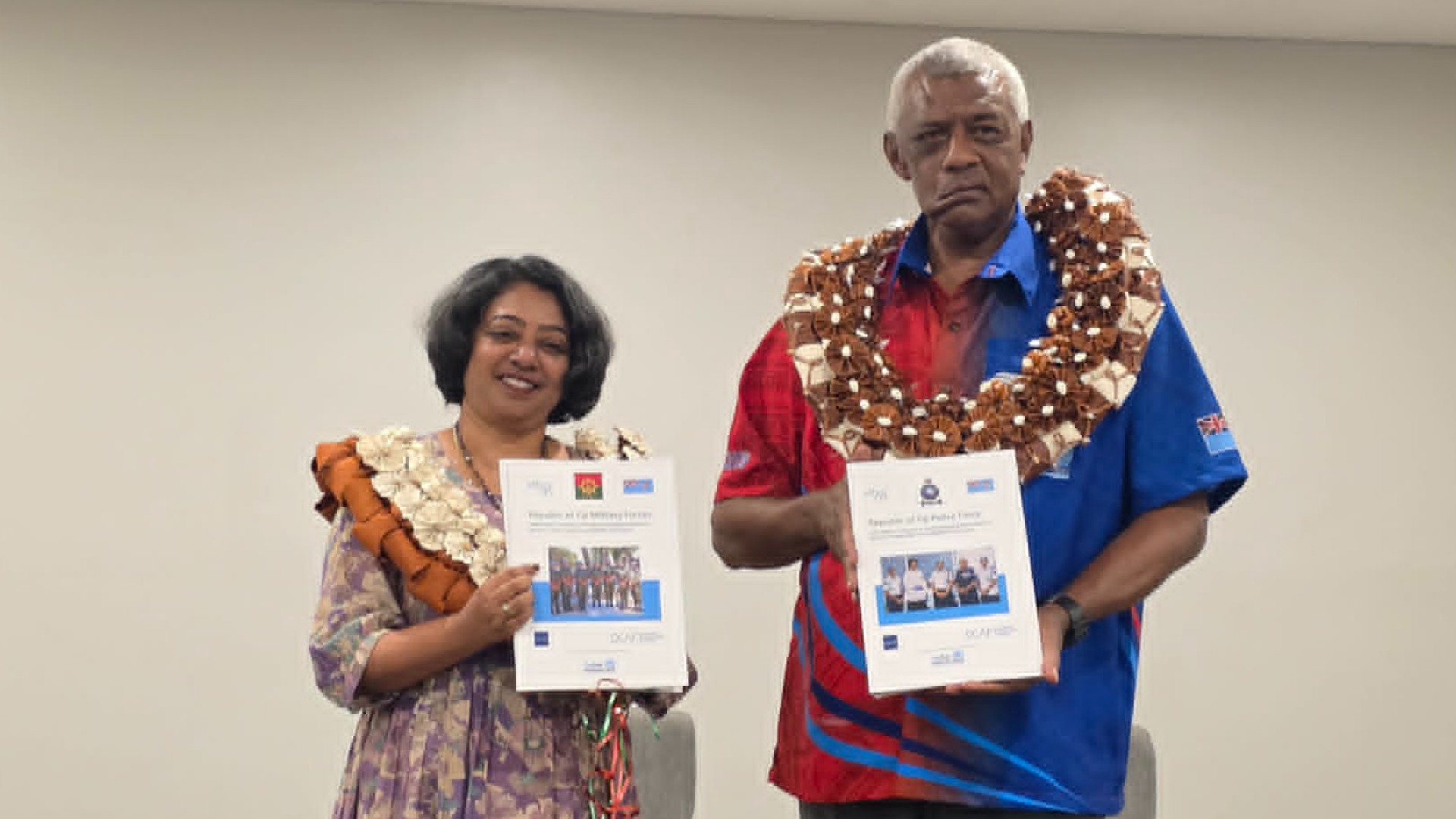
The Gender Barrier Assessment Report has been launched to identify and address the challenges women face in joining, remaining and advancing in the Fiji Police Force and the Republic of Fiji Military Forces.
Speaking at the launch, Defence Minister Pio Tikoduadua says the report provides the first comprehensive, evidence-based assessment of gender barriers within Fiji's disciplined forces and will help decision-makers develop practical solutions to strengthen women's participation and leadership.
Tikoduadua says the report is about understanding challenges through evidence rather than assumptions and provides a clearer picture of where progress has been made, where barriers remain and what practical steps are needed to build stronger and more inclusive institutions.
He says women's meaningful participation is not simply about achieving equal numbers but ensuring every individual has an equal opportunity to contribute their skills, experience and leadership while upholding the principles of fairness, equality and human rights.
The Minister says diverse security institutions make better decisions, engage more effectively with communities and are better equipped to respond to increasingly complex security challenges.
Insert: Tikoduadua on his daughter 30th June
He says her experience highlights the challenges women in uniform continue to face and reinforces the importance of creating an environment where they are supported and able to reach their full potential.
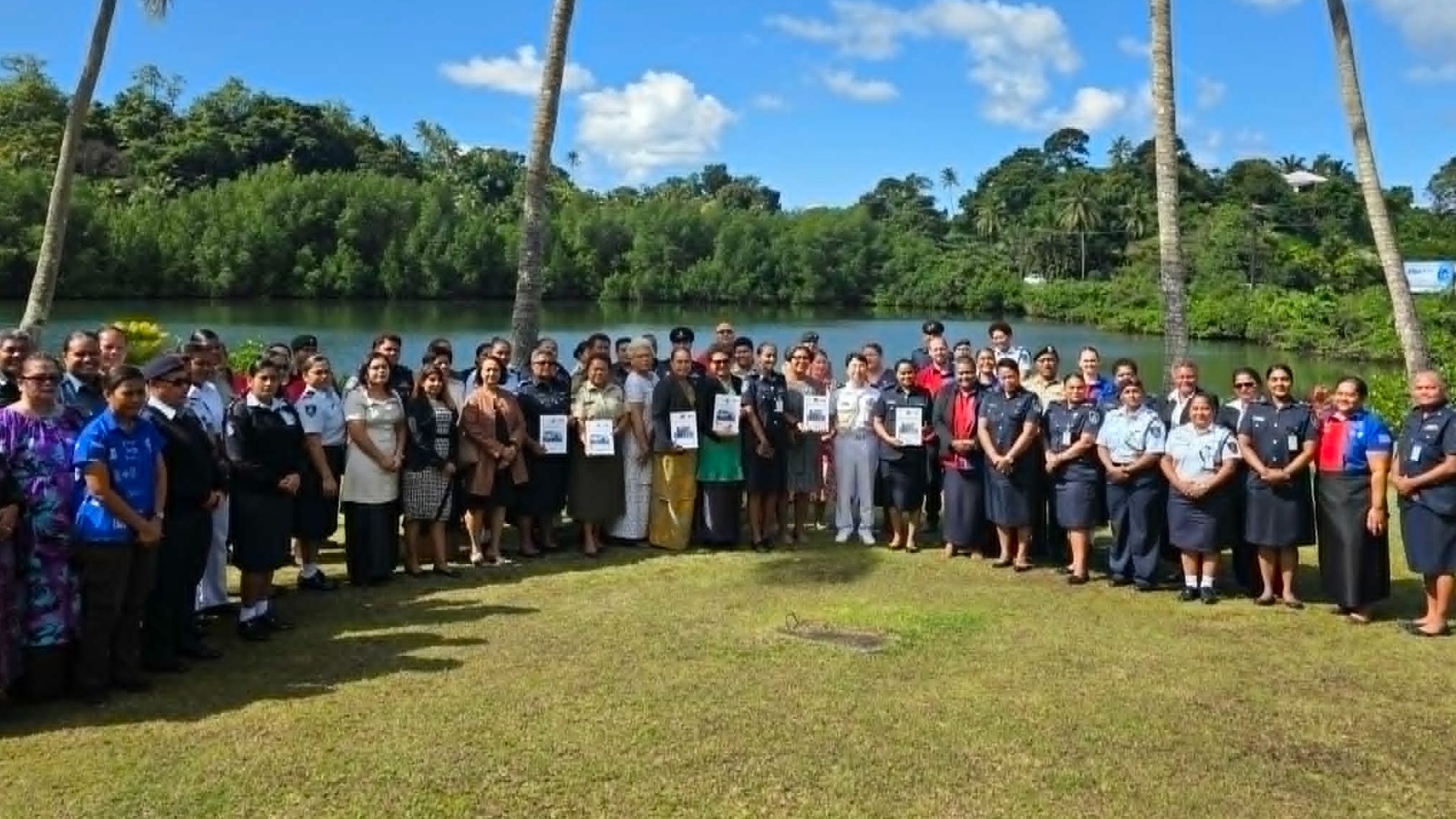
Tikoduadua says Fiji has a proud history of women serving in the military and police, as well as on United Nations peacekeeping missions, and acknowledged the contributions of women who have risen to senior leadership positions.
He stresses that the report will not become another publication left on a shelf, but will instead guide efforts to strengthen institutions, develop personnel and prepare the next generation of leaders.
The Minister says the initiative is not about meeting quotas or ticking boxes but ensuring Fiji's disciplined forces reflect the values they are entrusted to protect, including fairness, integrity, professionalism and equal opportunity.
Minister for Women, Children and Social Protection Sashi Kiran says the report provides, for the first time comprehensive evidence on the barriers women face in joining, remaining and progressing within Fiji's disciplined forces.
Kiran says while issues such as dropout rates and leadership pathways have previously been discussed, the report now provides evidence showing what works, what does not, and the factors that support women's success.
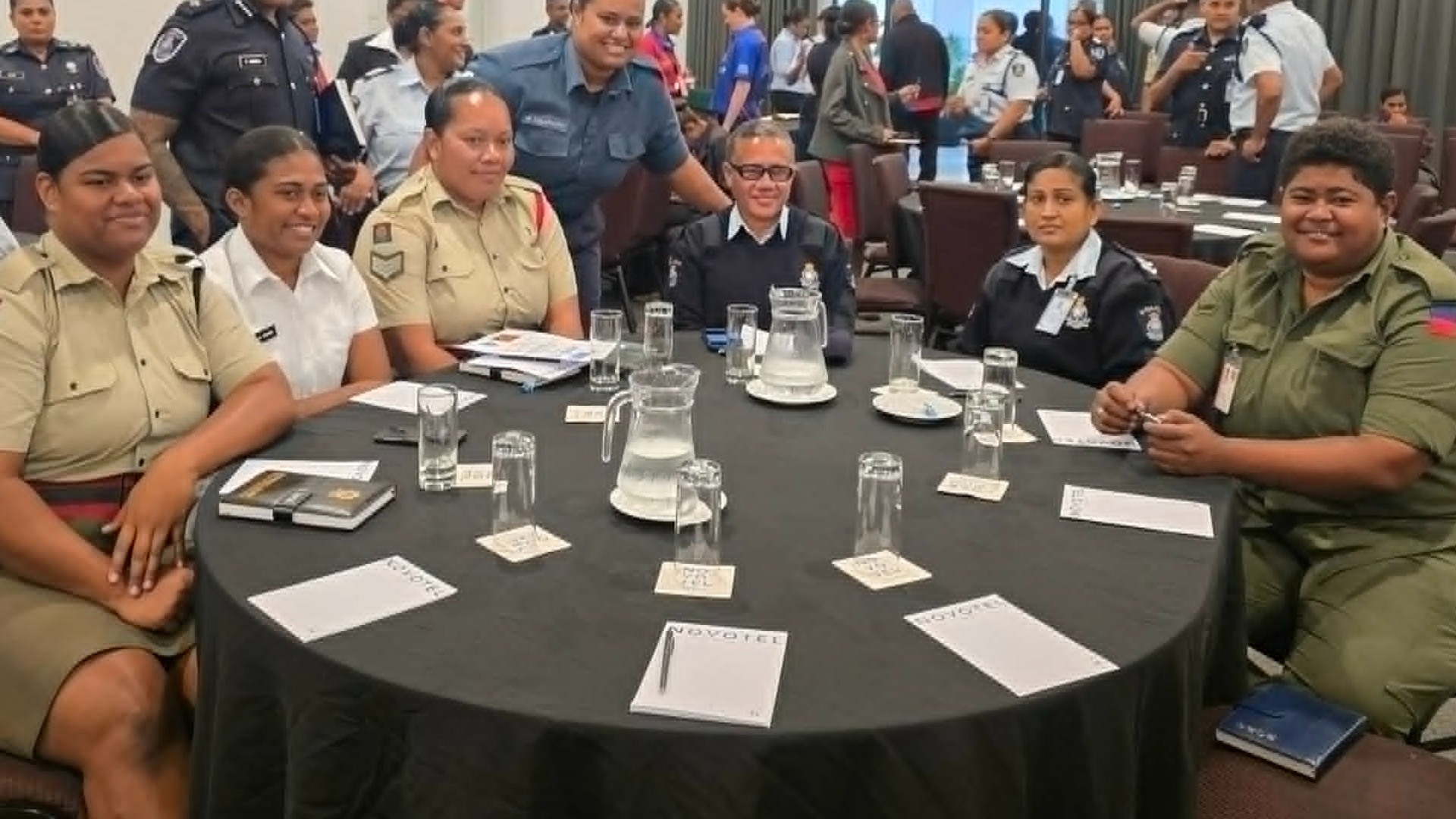
She says the findings place Fiji in a stronger position to move beyond assumptions and develop practical, evidence-based roadmaps to achieve gender parity and create workplaces where everyone has an equal opportunity to contribute and succeed.
Kiran says women's participation is not simply about representation but about recognising talent, strengthening leadership, improving operational capability and ensuring institutions benefit from the full range of skills, perspectives and experiences women bring.
She also confirms that both the Republic of Fiji Military Forces and the Fiji Police Force will join Phase Two of the Ministry's Gender Transformative Institutional Capacity Development initiative alongside 14 government ministries to advance gender equality through technical support, strategic partnerships and institutional capacity building.
Police Commissioner Rusiate Tudravu says the launch is a significant milestone that will hold leaders accountable for how they value and support women within the two organisations.
Tudravu says challenges faced by women must first be addressed within the Fiji Police Force and the Republic of Fiji Military Forces before focusing on peacekeeping roles overseas.
He questioned whether women are receiving fair treatment from leadership and whether the working environment adequately supports mothers, sisters and daughters serving in uniform.
The Commissioner says the Fiji Police Force currently has 1,253 women officers, including one Assistant Commissioner, five Senior Superintendents of Police, three Superintendents, 18 Assistant Superintendents and 54 Inspectors serving in leadership positions across the organisation.
Tudravu says 2026 marks 37 years of the Fiji Police Force's contribution to United Nations peacekeeping since its first deployment to Namibia on 11 April 1989.
He says the first three women police officers were deployed to Cambodia in 1992, and since then more than 1,650 police officers have served on peacekeeping missions, including 149 women officers.
The Commissioner says he remains committed to promoting women into leadership roles based on merit and performance and revealed plans to establish a Peacekeeping School as an extension of the Police Academy to strengthen pre-deployment training and better support women serving on regional and international peacekeeping missions.