Almost every adult in Fiji is now living with at least one major noncommunicable disease (NCD) risk factor, according to new national survey data released by the Ministry of Health and Medical Services today.
Findings from Fiji’s 2025 World Health Organization STEPwise Survey (STEPS) show that 98.5 percent of adults aged between 18 and 69 years have at least one NCD risk factor or condition, while nearly half or 47 percent, are living with three or more, highlighting what health officials describe as a national public health crisis.
The Ministry of Health continues to warn that noncommunicable diseases remain Fiji’s most serious health challenge and continue to drive premature deaths across the country.
The Ministry says the four major fatal NCDs, heart disease, diabetes, cancer and chronic respiratory illness, account for around 80 percent of all deaths in Fiji.
The survey, conducted between April 2024 and June 2025, identified tobacco use, alcohol consumption, physical inactivity, unhealthy diets, overweight and obesity, and high cholesterol as the main contributing risk factors.
Among the key findings, the Ministry says nearly seven in ten adults, or 68.1 percent, are overweight or obese, with women disproportionately affected.
They say more than one in three adults have high blood pressure, yet fewer than one in four have the condition under control.
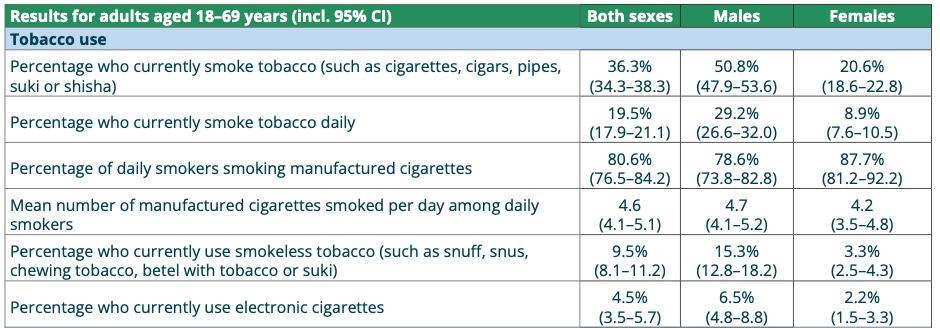
They add that diabetes affects nearly 17 percent of the population, while over one-third of adults use tobacco, with significantly higher rates recorded among men.
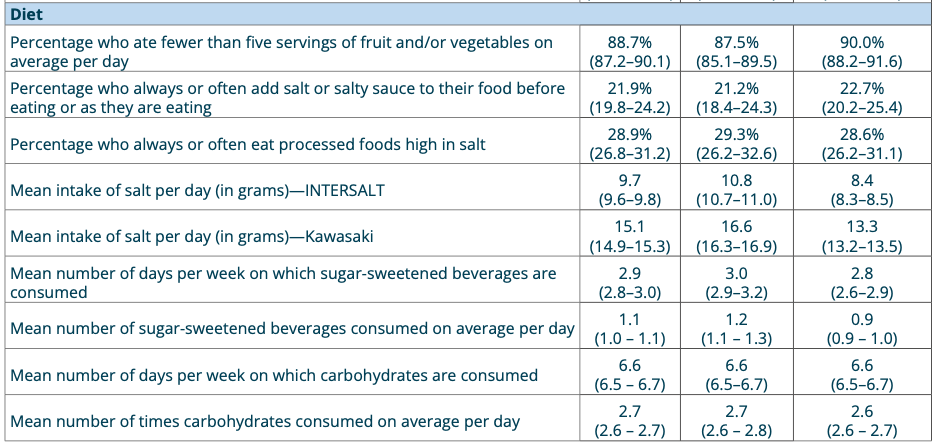
The survey also found that most adults consume insufficient amounts of fruits and vegetables, while salt intake is double the recommended level, increasing risks of hypertension, heart disease and stroke.
The Ministry says the findings point to major gaps between screening, treatment and long-term disease control.
Although awareness of conditions such as hypertension and diabetes has improved, the Ministry says effective management remains low, and lifestyle advice from health workers reaches only about half of those who need it.
Health officials have stressed that NCDs are not solely driven by individual behaviour, but are also influenced by food systems, urban design, marketing practices and economic policies, requiring coordinated action across government, communities, schools and the private sector.
The report also outlines a 5-year national roadmap aimed at reducing risk factors and preventing premature deaths.
Priority actions include strengthening food policies and tobacco control measures, expanding community and workplace wellness programmes, increasing health communication and education, and strengthening primary health care systems to better integrate screening, treatment and long-term management.
The Ministry is calling for stronger fiscal and regulatory measures, including health taxes on unhealthy products, improved referral systems, and greater focus on disease control rather than screening alone, particularly for hypertension and diabetes.
They say according to the report, investing less than US$1 per person per year in proven NCD prevention measures could significantly reduce long-term health costs while saving lives.
The Ministry is warning that without urgent and sustained action, preventable illness and premature deaths will continue to rise, but said decisive leadership and coordinated national efforts could reverse current trends and secure a healthier future for Fiji.
They say the 2025 STEPS Survey will serve as a key evidence base for Fiji’s health planning and for tracking progress towards national targets and the 2030 Sustainable Development Goals, and an interim survey is recommended within five years to monitor progress and adjust strategies where necessary.

Stay tuned for the latest news on our radio stations