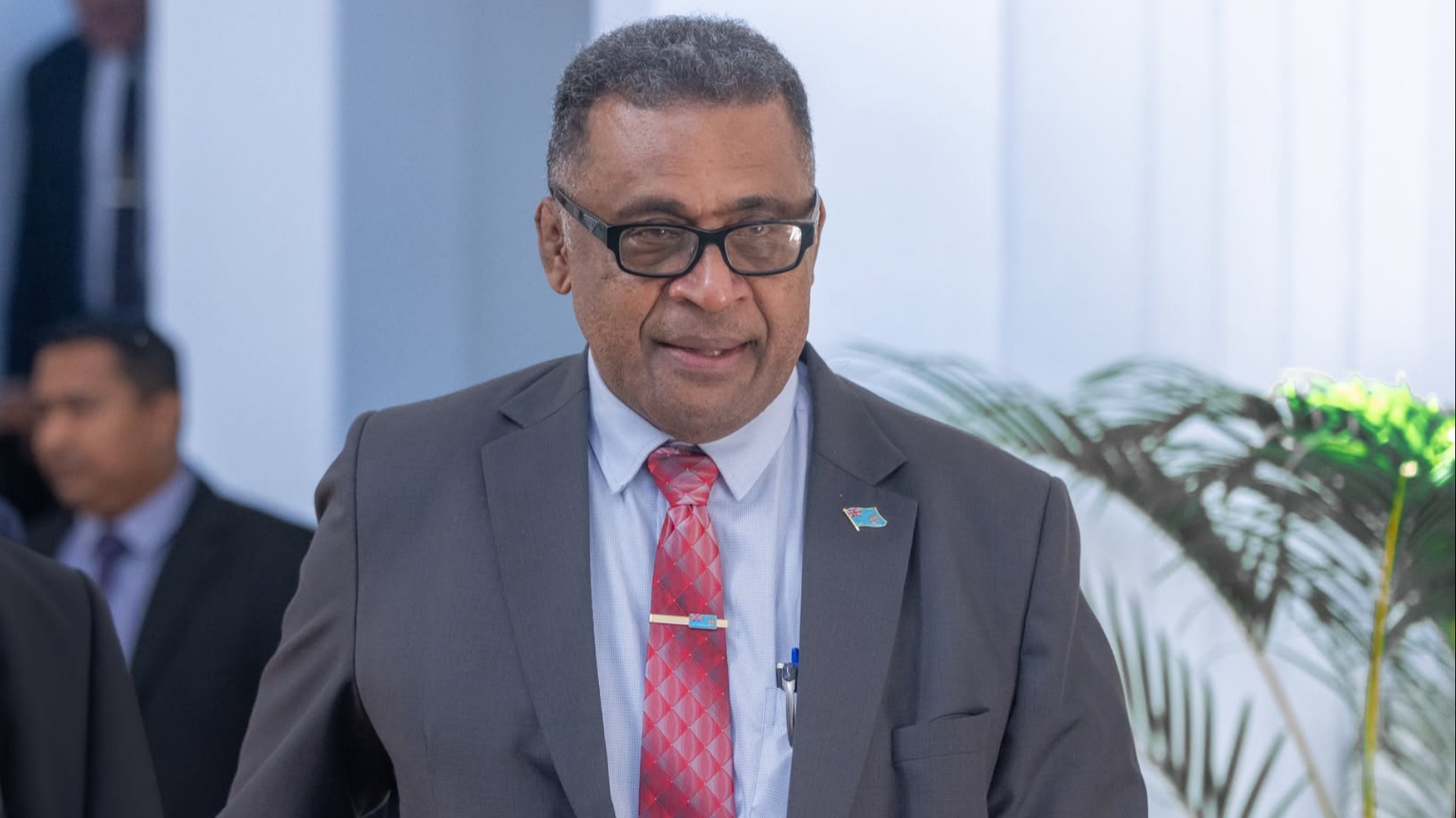
As concerns remain on government expenditure, Minister for Finance, Esrom Immanuel says the current size of the cabinet will remain until after the general elections which will happen very soon.
While responding to questions, Immanuel says other parliamentary committees will continue to operate because there is a strong need for them, with a number of bills and regulations still awaiting consideration, in addition to work on the Constitution and the referendum.
As Government expenditure is expected to exceed revenue by about $1 billion, Permanent Secretary for Finance Shiri Goundar says if revenue had not fallen by $200 million in the current financial year due to the fuel crisis and its impact on the economy, the budget deficit would have been below 5 percent.
He says the deficit will reduce once the economy starts to recover and they will not need to borrow a billion dollars.
Goundar says if the government revenue is about $300 million higher in the current financial year, deficit will eventually end at around 4 percent, however, the global situation is still evolving.
While responding to questions by fijivillage News on what portion of the borrowing is going to be local and external and what it will fund, Goundar says all borrowings will be for capital projects.
He says the government will borrow around $1.4 billion in the 2026-2027 financial year, $1 billion for the deficit financing, and around $440 million for the payment of principal debt.
Goundar says of this, around $600 million or so will come from external sources such as the Asian Development Bank, World Bank, Asian Infrastructure Investment Bank, JICA, and the remainder from domestic financing from FNPF.
The Permanent Secretary further says the government will need to take tough measures in the future to reduce the budget deficit to below 3 percent, but for now it has decided to maintain a 7 percent deficit because of the current economic crisis.
He says the budget has been prepared based on a worst-case scenario, assuming the economic slowdown continues and if conditions improve and tax revenue increases, the Government expects to borrow less and the deficit could be lower than projected.
Goundar also stresses that Government borrowing is mainly for capital projects such as infrastructure, not day-to-day operating costs, except during times of crisis.
https://www.fijivillage.com/indepth/2026-2027-national-budget-aca663/
https://www.fijivillage.com/indepth/2026-2027-national-budget-aca663/