The Constitution Amendment Bill proposes the retention of a 55 member Parliament however a system is proposed where 33 constituency members or such number as Parliament may by written law
Bill proposes retention of 55 member Parliament - 33 constituency members and 22 party list members5 year Parliament term proposed in Bill
By Vijay Narayan 30/09/2026 The Constitution Amendment Bill proposes the retention of a 55 member Parliament however a system is proposed where 33 constituency members or such number as Parliament may by written law prescribe, which includes 5 maritime constituencies chosen directly by the registered voters of those constituencies in a first-past-the-post election; and 22 party list members or such number as Parliament may by written law prescribe, allocated to political parties in proportion to the total number of votes for the candidates of that party in the constituency seats.
Parliament or the House of Representatives is to be composed in a manner that reflects, as closely as practicable, the proportion of votes cast for political parties.
A political party is entitled to proportional representation if it secures not less than 5 percent of the party vote.
Constituency seats won are deducted from each party’s proportional entitlement, with the balance filled from party lists.
The Party list seats must be allocated in accordance with a written law prescribing an appropriate mathematical rounding method, which rounds fractions to whole numbers to determine seat allocations.
Candidates unaffiliated with a political party may contest constituency seats, and if elected, serve as independent members without affecting proportional allocation.
A candidate of a party can stand for election in a constituency seat and be included in the party’s list for a party list seat.
Parliament may provide, by written law, for temporary special measures relating to the way in which party lists must be constituted, for example measures to ensure, as far as possible, equal numbers of male and female candidates; or measures to otherwise facilitate diverse representation on party lists.
The maritime constituencies are Rotuma, Yasawa, Kadavu, Lomaiviti and Lau.
A candidate for election to the House of Representatives must be either nominated by a registered political party or nominated as an independent candidate in accordance with the laws governing elections.
A person may be a candidate for election to the House of Representatives only if the person is a citizen of Fiji; is qualified to be registered as a voter and is registered on the Register of Voters; is ordinarily resident in Fiji for at least 2 years immediately before being nominated; is not an undischarged bankrupt; is not a member of the Electoral Commission and has not been a member of that Commission at any time during the 4 years immediately before being nominated; is not subject to a sentence of imprisonment when nominated; has not, at any time during the 8 years immediately before being nominated, been convicted of an offence under any law for which the maximum penalty is a term of imprisonment of 12 months or more; and has not, in the 5 years immediately before being nominated, been found guilty of any offence under a law relating to elections, registration of political parties or registration of voters.
The total number of candidates that a political party may nominate for any general election must not be more than the total number of seats in the House of Representatives, and the total number of candidates that a political party may nominate for any by-election must not be more than the total number of vacant seats in the House of Representatives for which the by-election is held.
If a seat in the House of Representatives becomes vacant, the vacancy must be filled in the case of a constituency seat, by a by-election; and in the case of a party list seat, by the next candidate on the party list; or if there is no next candidate on the party list, by a by-election.
The Bill also proposes the House of Representatives continues for 5 years from the date of its firstmeeting after a general election of the members of the House of Representatives, unlesssooner dissolved in accordance with the Constitution.
Constitution Amendment Bill proposes Fijian to continue as common nameReligious freedom guaranteed, State and all persons holding public office must treat all religions equally
By Vijay Narayan 30/09/2026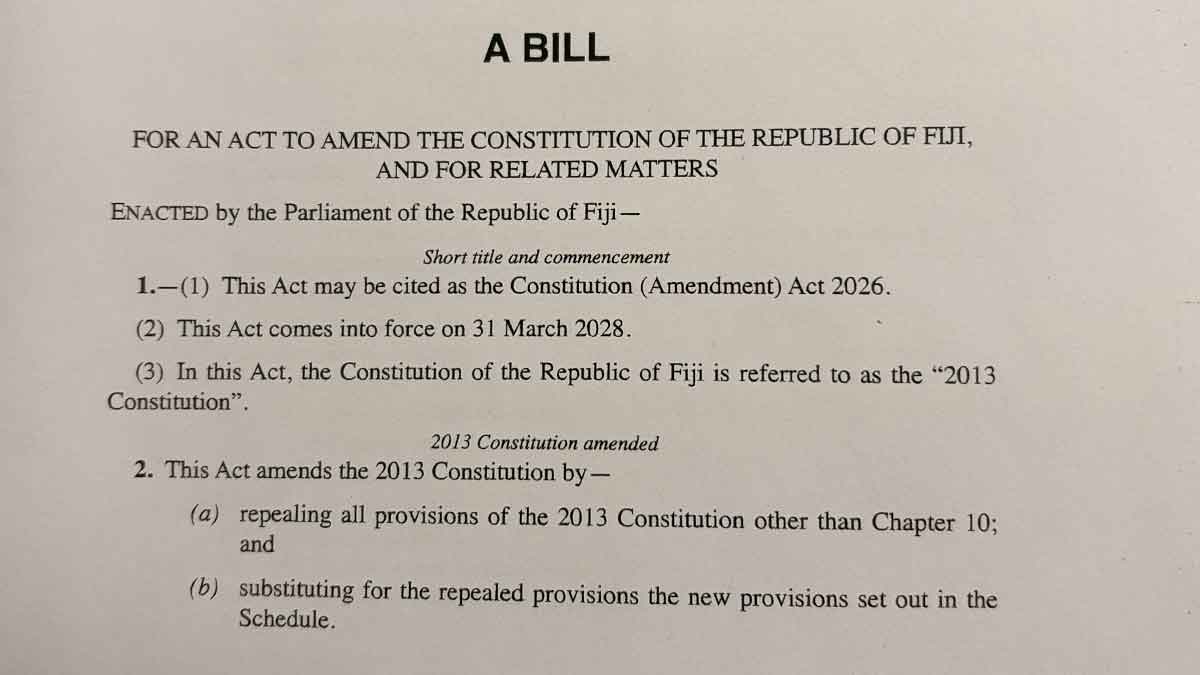 The Constitution Amendment Bill tabled in parliament today proposes all citizens of Fiji are to continue to be known as Fijians, and Indigenous Fijians may be referred to as iTaukeinivanua o Viti.
The Bill tabled by parliament also says that the Republic of Fiji is a sovereign democratic State founded on the values of Christianity and family values; respect for human rights, freedom and the rule of law; an independent, impartial, competent and accessible system of justice; equality for all and care for the less fortunate based on the values in the Bill of Rights; human dignity, respect for the individual, personal integrity and responsibility, civic involvement and mutual support; good governance, including the limitation and separation of powers; transparency and accountability; common and equal citizenry and national unity; and a prudent, efficient and sustainable relationship with nature.
The Bill says although religion and the State are separate, the people of the Republic of Fiji acknowledge that worship and reverence for God are the source of good governance and leadership.
It also states that religious liberty is a founding principle of the State, religious belief is personal and that religious liberty means the State and all persons holding public office must treat all religions equally; the State and all persons holding public office must not dictate any religious belief; the State and all persons holding public office must not prefer or advance, by any means, any particular religion, religious denomination, religious belief, or religious practice over another, or over any non-religious belief; and no person may assert any religious belief as a legal reason to disregard this Constitution or any other written law.
Citizens of Fiji may also hold multiple citizenship, which means that upon accepting the citizenship of a foreign country, a person remains a citizen of Fiji unless he or she renounces that status; a former citizen of Fiji, who lost that citizenship upon acquiring foreign citizenship, may regain citizenship of Fiji, while retaining that foreign citizenship unless the laws of that foreign country provide otherwise; and upon becoming a citizen of Fiji, a foreign person may retain his or herexisting citizenship unless the laws of that foreign country provide otherwise.
The Constitution Amendment Bill also states that any attempt to establish a Government other than in compliance with this Constitution is unlawful, and anything done to further that attempt is invalid and of no force or effect; and no immunities can lawfully be granted under any law to any person.
The Bill also states that every person has the right to free early childhood education; free primary and secondary education; and free further education for persons who were unable to complete theirprimary and secondary education.
It also says conversational and contemporary iTaukei, Rotuman and Hindi languages mustbe taught in all primary schools.
The State may also direct any educational institution to teach subjects pertaining to health, civic education and issues of national interest, and any educational institution must comply with any such directions made by the State.
Bill proposes that Bose Levu Vakaturaga should appoint President and Vice President after consultation with PMBy Vijay Narayan 30/09/2026 The Constitution Amendment Bill proposes that Fiji's President and Vice-President are to be appointed by the Bose Levu Vakaturaga after consultation with the Prime Minister.
The President and Vice-President hold office for 4 years, and each is eligible for re-appointment for one further term of 4 years, but is not eligible for re-appointment after that.
A person is qualified to be appointed to the office of the President or the Vice-President only if the person has had a distinguished career in any aspect of national or international life, whether in the public or private sector; is a citizen of Fiji; is not a member of a political party; is not a candidate for election to any other office in the State; and is not under sentence or subject to be sentenced for an offence punishable by a term of imprisonment of 12 months or more.
The Constitution Amendment Bill will be debated in Parliament on Friday.
Under the 2013 Constitution, the President is chosen by Parliament after nominations by the Prime Minister and the Leader of the Opposition.
There is no Vice President, and the Chief Justice acts as the President when the President is out of the country.
Under the 1997 Constitution, the President and Vice President were appointed by the Boselevu Vakaturaga.
23-member Senate proposed to review BillsBy Mansi Chand 30/09/2026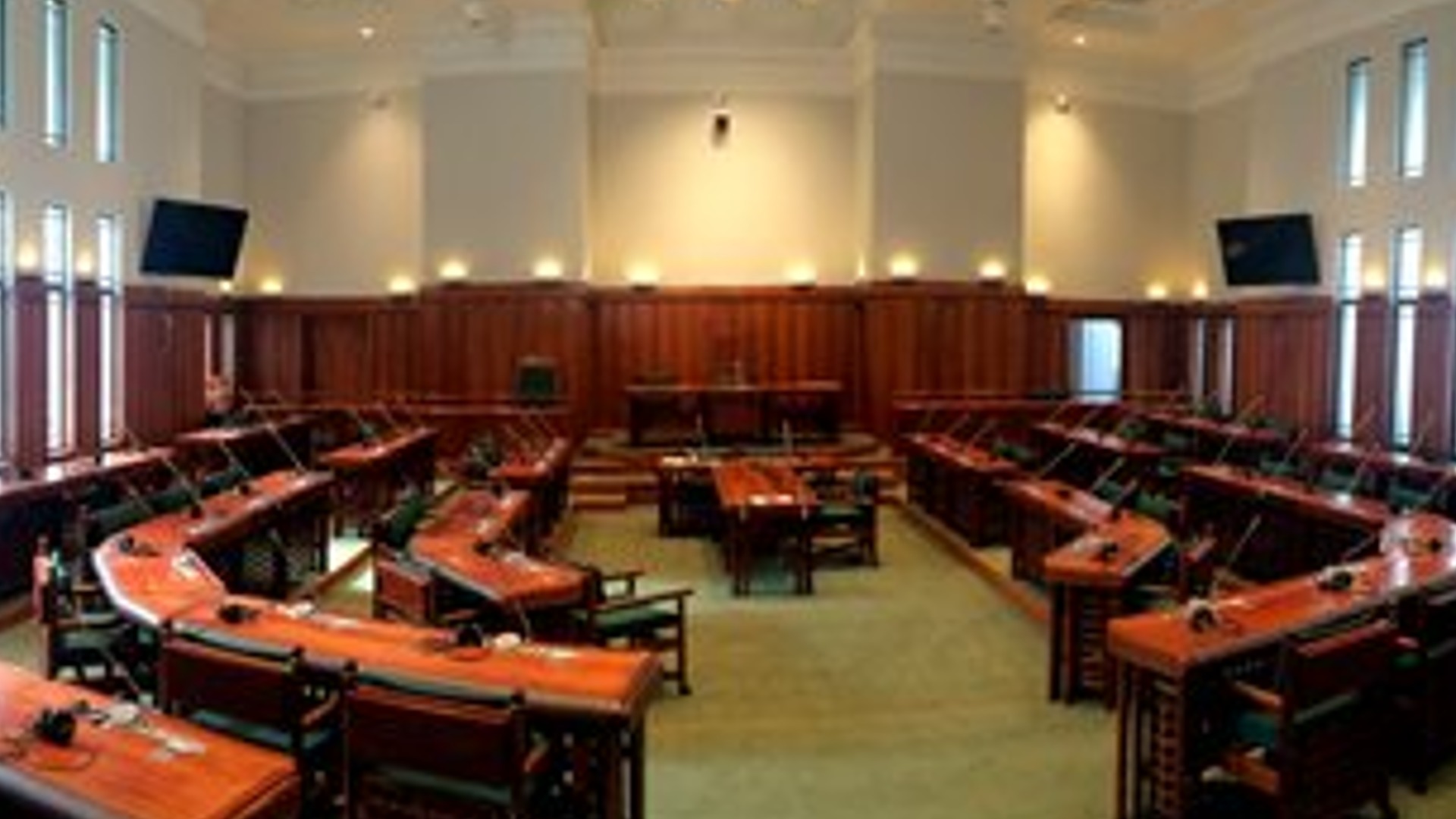
The Constitution Amendment Bill proposes the establishment of a 23-member Senate, which will be responsible for reviewing Bills passed by the House of Representatives.
It states that 14 Senators will be appointed by the President on the advice of the Bose Levu Vakaturaga, six on the advice of the Prime Minister, two on the advice of the Leader of the Opposition and one on the advice of the Rotuma Island Council.
The Bill states that appointments recommended by the Prime Minister and the Leader of the Opposition must reflect Fiji’s diversity, including descendants of Girmitiyas and other minority groups.
The Bill says if the position of Leader of the Opposition is vacant when appointments are being made, the Prime Minister will take on the role of the Opposition Leader in relation to the two appointments allocated to that office.
It says a person will only be eligible to become a Senator if they are also eligible to stand as a candidate for election to the House of Representatives.
The term of the Senate will end when the term of the House of Representatives expires or if the House is dissolved earlier.
A Senator’s seat will become vacant if they die or resign, are convicted of an offence punishable by 12 months or more imprisonment, cease to be eligible to contest a House of Representatives election, are absent from two consecutive Senate sittings without permission, or are nominated as a candidate for the House of Representatives.
The members of the Senate must, at its first sitting after a general election for members of the House of Representatives and whenever the office of President of the Senate is vacant, elect from their members a President of the Senate.
A person elected as President of the Senate must make an oath before the Secretary General to the Senate.
The members of the Senate must, at their first sitting after a general election for
members of the House of Representatives and whenever the office of Vice-President of
the Senate is vacant, elect one of their members as Vice-President of the Senate.
The Vice-President of the Senate must perform the duties of President of the Senate
if the President of the Senate is absent from duty or from Fiji or is, for any other reason,
unable to perform those duties.
It states if neither the President nor the Vice-President is able to perform the duties of the
Senate, the members of the Senate must elect one of their members to preside at meetings
of the Senate.
The office of President of the Senate does not become vacant on the expiry of the
term of the Senate but becomes vacant on the day immediately before the first sitting of the Senate after a general
election for members of the House of Representatives; or if, before that day, the President of the Senate resigns by giving to the Secretary-General to the Senate a written
notice of resignation, with the consent of the President of the Senate, becomes the holder
of another public office, 52 Constitution (Amendment) — of 2026 would, if he or she were a member of the House of Representatives,
vacate his or her place by reason of the operation of section 70, is absent from 2 consecutive sittings of the Senate, is nominated as a candidate for the election to the House of
Representatives, is appointed as Attorney-General, or is removed from office by a resolution supported by not less than
two-thirds of the members of the Senate.
The office of Vice-President of the Senate becomes vacant if the Vice-President resigns by giving to the President of the Senate a written notice of resignation, vacates his or her place in the Senate, is appointed as Attorney-General, or is removed from office by a resolution supported by not less than two-thirds of the members of the Senate.
The Constitution Amendment Bill proposes the establishment of a 23-member Senate, which will be responsible for reviewing Bills passed by the House of Representatives.
It states that 14 Senators will be appointed by the President on the advice of the Bose Levu Vakaturaga, six on the advice of the Prime Minister, two on the advice of the Leader of the Opposition and one on the advice of the Rotuma Island Council.
The Bill states that appointments recommended by the Prime Minister and the Leader of the Opposition must reflect Fiji’s diversity, including descendants of Girmitiyas and other minority groups.
The Bill says if the position of Leader of the Opposition is vacant when appointments are being made, the Prime Minister will take on the role of the Opposition Leader in relation to the two appointments allocated to that office.
It says a person will only be eligible to become a Senator if they are also eligible to stand as a candidate for election to the House of Representatives.
The term of the Senate will end when the term of the House of Representatives expires or if the House is dissolved earlier.
A Senator’s seat will become vacant if they die or resign, are convicted of an offence punishable by 12 months or more imprisonment, cease to be eligible to contest a House of Representatives election, are absent from two consecutive Senate sittings without permission, or are nominated as a candidate for the House of Representatives.
The members of the Senate must, at its first sitting after a general election for members of the House of Representatives and whenever the office of President of the Senate is vacant, elect from their members a President of the Senate.
A person elected as President of the Senate must make an oath before the Secretary General to the Senate.
The members of the Senate must, at their first sitting after a general election for members of the House of Representatives and whenever the office of Vice-President of the Senate is vacant, elect one of their members as Vice-President of the Senate.
The Vice-President of the Senate must perform the duties of President of the Senate if the President of the Senate is absent from duty or from Fiji or is, for any other reason, unable to perform those duties.
It states if neither the President nor the Vice-President is able to perform the duties of the Senate, the members of the Senate must elect one of their members to preside at meetings of the Senate.
The office of President of the Senate does not become vacant on the expiry of the term of the Senate but becomes vacant on the day immediately before the first sitting of the Senate after a general election for members of the House of Representatives; or if, before that day, the President of the Senate resigns by giving to the Secretary-General to the Senate a written notice of resignation, with the consent of the President of the Senate, becomes the holder of another public office, 52 Constitution (Amendment) — of 2026 would, if he or she were a member of the House of Representatives, vacate his or her place by reason of the operation of section 70, is absent from 2 consecutive sittings of the Senate, is nominated as a candidate for the election to the House of Representatives, is appointed as Attorney-General, or is removed from office by a resolution supported by not less than two-thirds of the members of the Senate.
The office of Vice-President of the Senate becomes vacant if the Vice-President resigns by giving to the President of the Senate a written notice of resignation, vacates his or her place in the Senate, is appointed as Attorney-General, or is removed from office by a resolution supported by not less than two-thirds of the members of the Senate.
FICAC will no longer exist if Constitution Amendment Bill is passedFICAC Act to be repealed
By Vijay Narayan 30/09/2026
The Fiji Independent Commission Against Corruption will no longer exist if the Constitution Amendment Bill is passed.
FICAC is not included in the proposed Constitution tabled by Prime Minister, Sitiveni Rabuka.
The repeal of the FICAC 2007 is also stated in the Bill.
The Constitution Amendment Bill will be debated on Friday and the third reading of the Bill is expected to take place in 30 days.
The Fiji Independent Commission Against Corruption will no longer exist if the Constitution Amendment Bill is passed.
FICAC is not included in the proposed Constitution tabled by Prime Minister, Sitiveni Rabuka.
The repeal of the FICAC 2007 is also stated in the Bill.
The Constitution Amendment Bill will be debated on Friday and the third reading of the Bill is expected to take place in 30 days.
Constitution Bill sets out proposed equality and discrimination provisionsBy Rashika Kumar 01/10/2026 The Constitution Amendment Bill states that a person must not be unfairly discriminated against, directly or indirectly, on grounds including race, culture, ethnic or social origin, colour, place of origin, sex, gender, sexual orientation, gender identity and expression, birth, primary language, economic or social or health status, disability, age, religion, conscience, marital status or pregnancy.
The Bill tabled by Prime Minister, Sitiveni Rabuka, focuses on equality before the law and protection against discrimination where every person would be equal before the law and have the right to equal protection, treatment and benefit of the law.
The Bill states that equality includes the full and equal enjoyment of all rights and freedoms recognised in the Constitution or any other written law.
The provision also covers discrimination based on opinions or beliefs, except where those opinions or beliefs involve harm to others or the diminution of the rights or freedoms of others.
The Bill states that a law or administrative action taken under a law may not directly or indirectly impose a limitation or restriction on any person on a prohibited ground.
It also states that every person has the right of access, membership or admission, without discrimination on a prohibited ground, to shops, hotels, lodging-houses, public restaurants, places of public entertainment, clubs, education institutions, public transportation services, taxis and public places.
The proprietor of a place or service listed in the provision must facilitate reasonable access for persons with disabilities to the extent prescribed by law.
The Bill states that treating one person differently from another on any of the grounds prescribed under subsection 3 is discrimination, unless it can be established that the difference in treatment is not unfair in the circumstances.
The proposed provision also sets out circumstances where a law or administrative action would not be inconsistent with the rights in the equality provision.
These include laws that appropriate revenues or other money for particular purposes, impose a retirement age, impose restrictions or confer privileges on people employed or engaged in State service, or impose restrictions or confer privileges on non-citizens.
They also include laws relating to adoption, marriage, devolution of property on death and pensions, as well as laws excluding persons from holding certain public offices.
The Bill also provides for laws or administrative actions that limit a right or freedom to the extent necessary in relation to the communal ownership of iTaukei, Rotuman and Banaban lands, access to marine resources, or the bestowing of iTaukei, Rotuman and Banaban chiefly title or rank.
A law or administrative action may also limit a right or freedom for the purpose of providing for the application of the customs of iTaukei, Rotuman or the Banaban community relating to the holding, use or transmission of, or distribution of the produce of, land or fishing rights, or entitlement to any chiefly title or rank.
It may also impose a restriction on the alienation of land or fishing rights held in accordance with iTaukei, Rotuman or Banaban custom, or permit the temporary alienation of that land or those rights without the consent of the owners.
The Bill further states that a law or administrative action may limit a right or freedom for the purpose of providing for the governance of iTaukei or Rotuman or of the Banaban community and of other persons living as members of an iTaukei, Rotuman or Banaban community.
However, subsection 11 states that such a limitation is valid only if it accords to every person to whom it applies the right to equality before the law without discrimination other than on the ground of race or ethnic origin.
It must also not infringe a right or freedom set out in any other section of the Chapter.
Debate on the Constitution Amendment Bill will take place in Parliament tomorrow.
Constitution Bill guarantees freedom of speech, publication and access to information with certain limitationsBy Mansi Chand 01/10/2026 Image: Fiji Parliament
The Constitution Amendment Bill tabled in Parliament proposes every person has the right to freedom of speech, expression, thought, opinion
and publication under Section 20.
This include freedom to seek, receive and impart information, knowledge and ideas, freedom of the press, including print, electronic and other media, freedom of imagination and creativity and academic freedom and freedom of scientific research.
The Bill says freedom of speech, expression, thought, opinion and publication does not protect— propaganda for war, incitement to violence or insurrection against this Constitution; or
24 Constitution (Amendment) of 2026 advocacy of hatred that is based on any prohibited ground of discrimination listed or
prescribed under section 29 and constitutes incitement to cause harm.
It stresses that a law may limit, or may authorise the limitation of the rights and freedoms in the interests of national security, public safety, public order, public morality, public health
or the orderly conduct of elections, the protection or maintenance of the reputation, privacy, dignity, rights or
freedoms of other persons, including the right to be free from hate speech, whether directed against
individuals or groups and the rights of persons injured by inaccurate or offensive media reports
to have a correction published on reasonable conditions established
by law, preventing the disclosure, as appropriate, of information received in
confidence, preventing attacks on the dignity of individuals, groups of individuals
or respected offices or institutions in a manner likely to promote ill will
between ethnic or religious groups or the oppression of, or discrimination
against, any person or group of persons, maintaining the authority and independence of the courts; imposing reasonable restrictions on the holders of public offices in order to
secure their impartial and confidential service, and regulating the technical administration of telecommunications.
The Bill states that in this section, “hate speech” means an expression in whatever form that encourages,
or has the effect of encouraging discrimination on a ground listed or prescribed under
section 29.
Meanwhile, the Bill states every person has the right of access to information held by any public office.
The Bill says every person has the right to the correction or deletion of untrue or misleading information that affects that person.
It states to the extent that is necessary, a law may limit, or may authorise the limitation of, the rights set out in subsection and may regulate the procedure under which information held by a public office may be made available.
The Constitution Amendment Bill tabled in Parliament proposes every person has the right to freedom of speech, expression, thought, opinion and publication under Section 20.
This include freedom to seek, receive and impart information, knowledge and ideas, freedom of the press, including print, electronic and other media, freedom of imagination and creativity and academic freedom and freedom of scientific research.
The Bill says freedom of speech, expression, thought, opinion and publication does not protect— propaganda for war, incitement to violence or insurrection against this Constitution; or 24 Constitution (Amendment) of 2026 advocacy of hatred that is based on any prohibited ground of discrimination listed or prescribed under section 29 and constitutes incitement to cause harm.
It stresses that a law may limit, or may authorise the limitation of the rights and freedoms in the interests of national security, public safety, public order, public morality, public health or the orderly conduct of elections, the protection or maintenance of the reputation, privacy, dignity, rights or freedoms of other persons, including the right to be free from hate speech, whether directed against individuals or groups and the rights of persons injured by inaccurate or offensive media reports to have a correction published on reasonable conditions established by law, preventing the disclosure, as appropriate, of information received in confidence, preventing attacks on the dignity of individuals, groups of individuals or respected offices or institutions in a manner likely to promote ill will between ethnic or religious groups or the oppression of, or discrimination against, any person or group of persons, maintaining the authority and independence of the courts; imposing reasonable restrictions on the holders of public offices in order to secure their impartial and confidential service, and regulating the technical administration of telecommunications.
The Bill states that in this section, “hate speech” means an expression in whatever form that encourages, or has the effect of encouraging discrimination on a ground listed or prescribed under section 29.
Meanwhile, the Bill states every person has the right of access to information held by any public office.
The Bill says every person has the right to the correction or deletion of untrue or misleading information that affects that person.
It states to the extent that is necessary, a law may limit, or may authorise the limitation of, the rights set out in subsection and may regulate the procedure under which information held by a public office may be made available.
Lal says Constitution Amendment Bill weakens key democratic safeguardsBy Nilufa Buksh 01/10/2026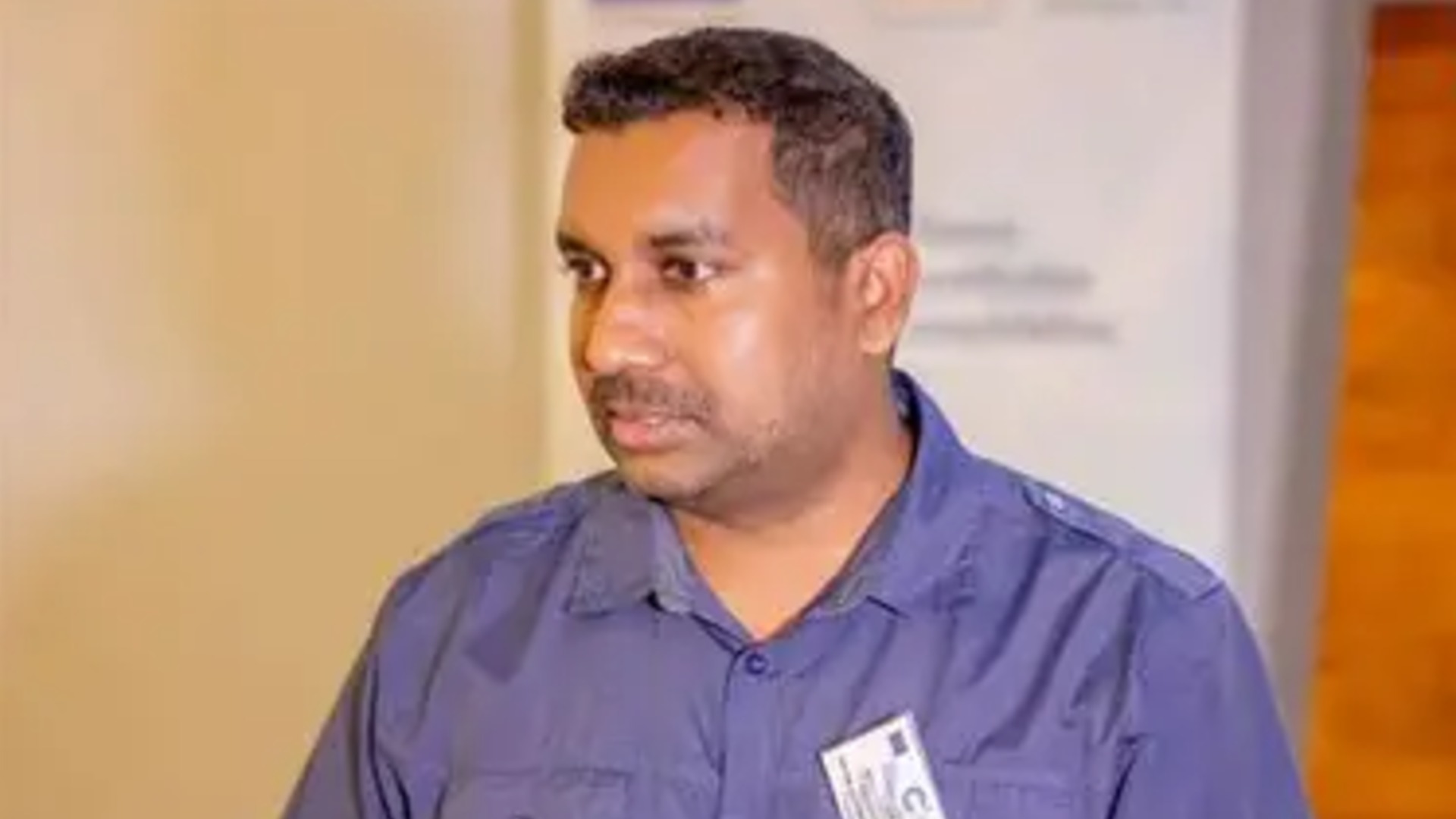
The Centre for Democracy and Dialogue says its preliminary analysis of the Fiji Government's Constitution Amendment Bill shows significant changes from the Constitution Review Commission’s draft, including the removal or weakening of several democratic and accountability safeguards.
Centre for Democracy and Dialogue Chief Executive Officer Nilesh Lal says while the Constitution Amendment Bill retains some of the broad structure of the Constitution Review Commission's Draft Bill, it does not meaningfully address what the Centre for Democracy and Dialogue considers the excessive concentration of power in the Executive under the 2013 Constitution.
Lal says the Government's Constitution Amendment Bill removes the proposed limit on the Prime Minister’s tenure and the limit on the size of Cabinet as proposed by the Review Commission.
The CRC Amendment Bill proposed that Cabinet consist of the Prime Minister and up to 14 Ministers and that a person could not serve as Prime Minister more than twice.
However, under Section 110 of the Constitution Amendment Bill, the Prime Minister would determine the number of Ministers.
Lal says another significant change concerns the Constitutional Offices Commission.
He says the CRC Amendment Bill proposed a five-member COC appointed through an independent appointments committee, while the Government draft makes the serving Prime Minister the chair of the commission alongside the Attorney-General.
Lal says the Government would also have influence over the appointment of two further members, which he says would give it a four-to-two majority over the Opposition.
They say the COC is responsible for appointments to several key constitutional offices, including the Electoral Commission, Supervisor of Elections, Public Service Commission, Police Commissioner, Corrections Commissioner, RFMF Commander, Auditor-General, Reserve Bank Governor and Ombudsman.
The Centre also says provisions proposed by the CRC on political parties, political finance and campaigning have been removed from the Government draft.
The CRC Amendment Bill included constitutional provisions covering political party conduct, donations, disclosure requirements and access to State-owned media.
Lal says leaving these matters to ordinary law could allow future parliamentary majorities to change the rules.
The Centre says the Bill of Rights in the Constitution Amendment Bill generally provides stronger protections than the current Constitution but has raised concern over Section 40, which expressly permits lawful and moderate chastisement of children for correction.
Lal describes this as a regression from both the CRC draft and the 2013 Constitution.
Centre says other reforms proposed by the CRC that have been removed include stronger measures for women’s representation, a National Planning Commission, a National Infrastructure Council, a constitutionally mandated Opposition chair of the Public Accounts Committee, an independent Constitution Implementation Commission and a pluralistic Presidential Appointment Commission.
Lal says these changes raise questions about how the Constitution Amendment Bill was prepared and why it differs significantly from the CRC Amendment Bill submitted on 31st August.
He is questioning who wrote the Government's Constitution Amendment Bill, what was the basis for the changes from the CRC Amendment Bill and how the substantially different constitutional text was produced within a short period.
The Centre says its assessment is preliminary and argues that the changes substantially dilute safeguards proposed by the CRC against the concentration and abuse of State power.
The Centre for Democracy and Dialogue says its preliminary analysis of the Fiji Government's Constitution Amendment Bill shows significant changes from the Constitution Review Commission’s draft, including the removal or weakening of several democratic and accountability safeguards.
Centre for Democracy and Dialogue Chief Executive Officer Nilesh Lal says while the Constitution Amendment Bill retains some of the broad structure of the Constitution Review Commission's Draft Bill, it does not meaningfully address what the Centre for Democracy and Dialogue considers the excessive concentration of power in the Executive under the 2013 Constitution.
Lal says the Government's Constitution Amendment Bill removes the proposed limit on the Prime Minister’s tenure and the limit on the size of Cabinet as proposed by the Review Commission.
The CRC Amendment Bill proposed that Cabinet consist of the Prime Minister and up to 14 Ministers and that a person could not serve as Prime Minister more than twice.
However, under Section 110 of the Constitution Amendment Bill, the Prime Minister would determine the number of Ministers.
Lal says another significant change concerns the Constitutional Offices Commission.
He says the CRC Amendment Bill proposed a five-member COC appointed through an independent appointments committee, while the Government draft makes the serving Prime Minister the chair of the commission alongside the Attorney-General.
Lal says the Government would also have influence over the appointment of two further members, which he says would give it a four-to-two majority over the Opposition.
They say the COC is responsible for appointments to several key constitutional offices, including the Electoral Commission, Supervisor of Elections, Public Service Commission, Police Commissioner, Corrections Commissioner, RFMF Commander, Auditor-General, Reserve Bank Governor and Ombudsman.
The Centre also says provisions proposed by the CRC on political parties, political finance and campaigning have been removed from the Government draft.
The CRC Amendment Bill included constitutional provisions covering political party conduct, donations, disclosure requirements and access to State-owned media.
Lal says leaving these matters to ordinary law could allow future parliamentary majorities to change the rules.
The Centre says the Bill of Rights in the Constitution Amendment Bill generally provides stronger protections than the current Constitution but has raised concern over Section 40, which expressly permits lawful and moderate chastisement of children for correction.
Lal describes this as a regression from both the CRC draft and the 2013 Constitution.
Centre says other reforms proposed by the CRC that have been removed include stronger measures for women’s representation, a National Planning Commission, a National Infrastructure Council, a constitutionally mandated Opposition chair of the Public Accounts Committee, an independent Constitution Implementation Commission and a pluralistic Presidential Appointment Commission.
Lal says these changes raise questions about how the Constitution Amendment Bill was prepared and why it differs significantly from the CRC Amendment Bill submitted on 31st August.
He is questioning who wrote the Government's Constitution Amendment Bill, what was the basis for the changes from the CRC Amendment Bill and how the substantially different constitutional text was produced within a short period.
The Centre says its assessment is preliminary and argues that the changes substantially dilute safeguards proposed by the CRC against the concentration and abuse of State power.
Next elections will be held under legal timetable of 2013 Constitution, new Constitution if passed will come into force on 31st March 2028By Vijay Narayan 01/10/2026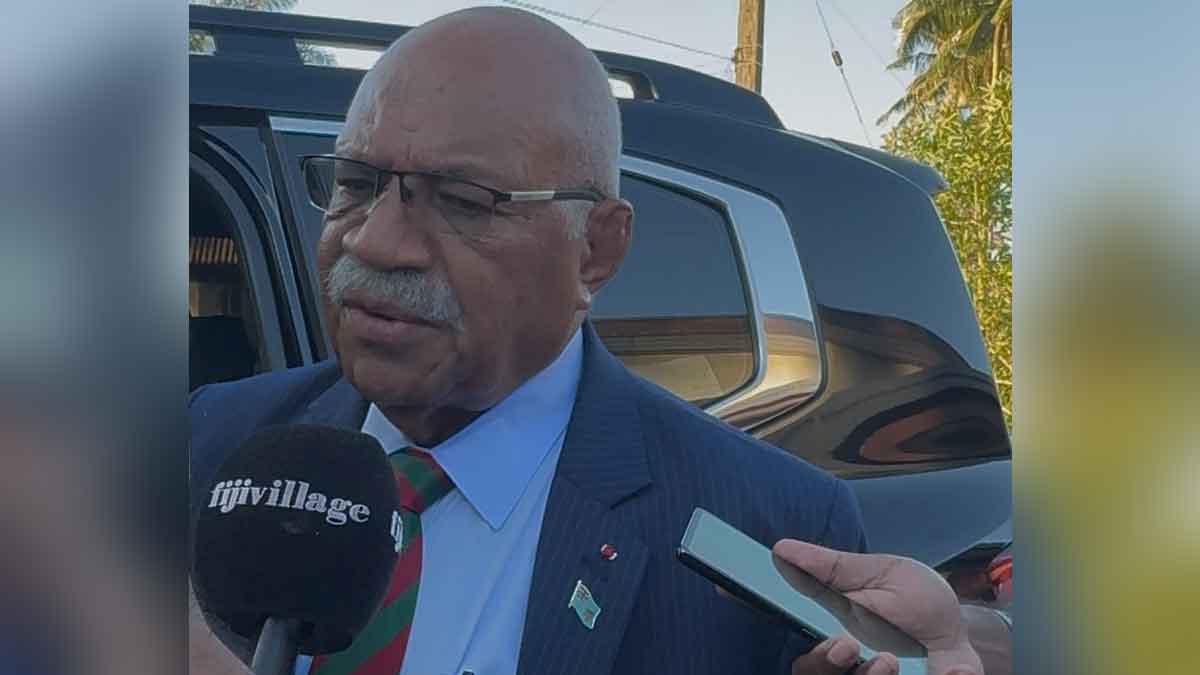 The next general elections will be held under the legal timetable specified in the 2013 Constitution which means the last day for the Writ of Elections to be issued is 24th December this year and the last day for the general elections is February 6th next year, while the 2026 Constitution Amendment Bill, if passed, will come into force on 31st March 2028.
However the President may, by Proclamation published in the Gazette, fix a date earlier than 31st March 2028.
This is specified in the transitional provision of the Constitution Amendment Bill which states that on the commencement of the law, the current parliament continues until it is dissolved or ends its term in accordance with section 58 of the 2013 Constitution.
Despite the commencement, section 58 of the 2013 Constitution continues to apply to the current parliament, and the maximum term of the current parliament remains 4 years from the date of the first meeting of the first Parliament.
The Constitution Amendment Bill also proposes the retention of a 55 member Parliament however a system is proposed where 33 constituency members or such number as Parliament may by written lawprescribe, which includes 5 maritime constituencies chosen directly by the registered voters of those constituencies in a first-past-the-post election; and 22 party list members or such number as Parliament may by written law prescribe, allocated to political parties in proportion to the total number of votes for the candidates of that party in the constituency seats.
Parliament or the House of Representatives is to be composed in a manner that reflects, as closely as practicable, the proportion of votes cast for political parties.
A political party is entitled to proportional representation if it secures not less than5 percent of the party vote.
Constituency seats won are deducted from each party’s proportional entitlement, with the balance filled from party lists.
The Party list seats must be allocated in accordance with a written law prescribing an appropriate mathematical rounding method, which rounds fractions to whole numbers to determine seat allocations.
Candidates unaffiliated with a political party may contest constituency seats, and if elected, serve as independent members without affecting proportional allocation.
A candidate of a party can stand for election in a constituency seat and be included in the party’s list for a party list seat.
Parliament may provide, by written law, for temporary special measures relating to the way in which party lists must be constituted, for example measures to ensure, as far as possible, equal numbers of male and female candidates; or measures to otherwise facilitate diverse representation on party lists.
The maritime constituencies are Rotuma, Yasawa, Kadavu, Lomaiviti and Lau.
A candidate for election to the House of Representatives must be either nominated by a registered political party or nominated as an independent candidate in accordance with the laws governing elections.
A person may be a candidate for election to the House of Representatives only if the person is a citizen of Fiji; is qualified to be registered as a voter and is registered on the Register ofVoters; is ordinarily resident in Fiji for at least 2 years immediately before being nominated; is not an undischarged bankrupt; is not a member of the Electoral Commission and has not been a member of that Commission at any time during the 4 years immediately before being nominated; is not subject to a sentence of imprisonment when nominated; has not, at any time during the 8 years immediately before being nominated, been convicted of an offence under any law for which the maximum penalty is a term of imprisonment of 12 months or more; and has not, in the 5 years immediately before being nominated, been found guilty of any offence under a law relating to elections, registration of political parties or registration of voters.
The total number of candidates that a political party may nominate for any general election must not be more than the total number of seats in the House of Representatives, and the total number of candidates that a political party may nominate for any by-election must not be more than the total number of vacant seats in the House of Representatives for which the by-election is held.
If a seat in the House of Representatives becomes vacant, the vacancy must be filled in the case of a constituency seat, by a by-election; and in the case of a party list seat, by the next candidate on the party list; or if there is no next candidate on the party list, by a by-election.
The Bill also proposes the House of Representatives continues for 5 years from the date of its first meeting after a general election of the members of the House of Representatives, unlesssooner dissolved in accordance with the Constitution.
The Constitution Amendment Bill tabled by Prime Minister, Sitiveni Rabuka, will be debated in parliament tomorrow.
Commander concerned about extended immunity until first sitting of new parliamentRFMF offers secure custody and witnessed destruction of drug exhibits if requested
By Vijay Narayan 02/10/2026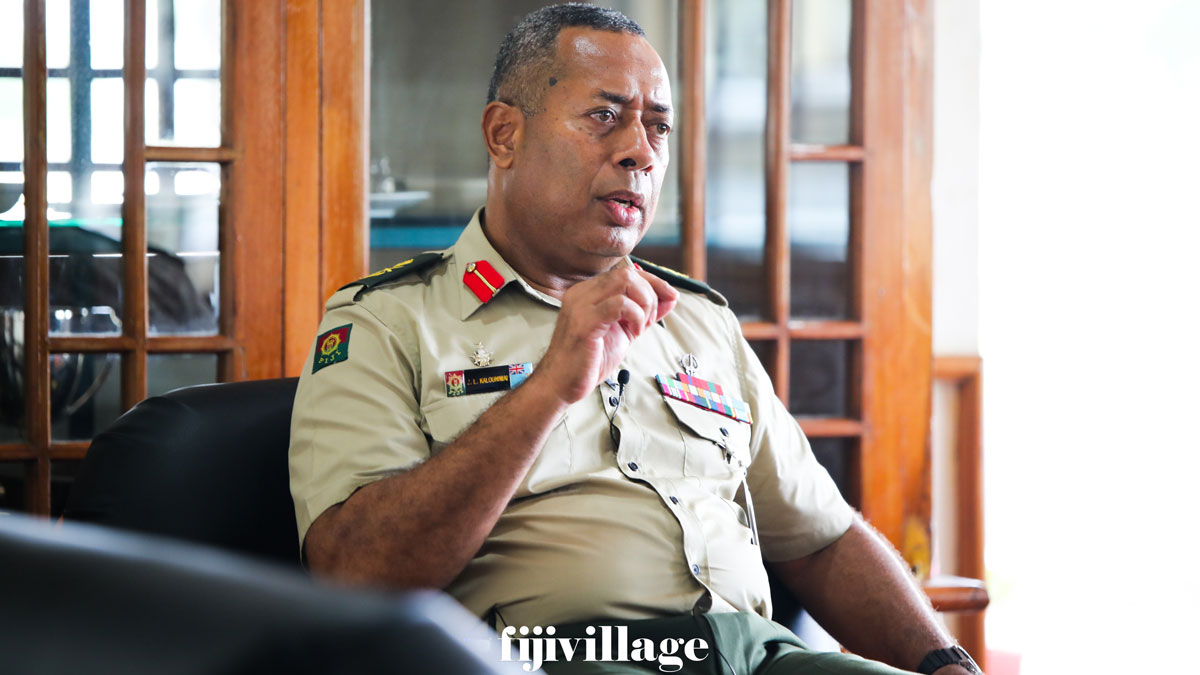 The Commander of the Republic of Fiji Military Forces, Major General Ro Jone Kalouniwai says the RFMF notes with serious concern that the proposed Chapter 14 of the Constitution Amendment Bill 2026 names members of the RFMF among the beneficiaries of a new, absolute and unchallengeable immunity until the first sitting of the new parliament.
This extension of immunity to the new parliament after the general elections in the Bill is a serious matter, and the RFMF has conveyed its concerns to Prime Minister, Sitiveni Rabuka and Minister for Defence, Pio Tikoduadua.
The Commander says the President, Ministers, the RFMF, Police, Corrections, the judiciary and public servants would be covered for some twelve further years under this immunity clause that will end with the first sitting of the new parliament; and it closes every route to challenge.
The Commander says the risk is heightened by present conditions.
He says drug exhibits have been lost from the custody of the courts and police, officers charged with combating narcotics are under investigation for collusion with traffickers, HIV has been declared a national crisis, driven in large part by injecting drug use, public confidence in institutions has declined, and some voices now describe the RFMF as the only institution able to restore order.
Commander Kalouniwai says the RFMF does not welcome such calls and asks that they cease.
He stresses that the RFMF will not rely on the immunity protection Chapter 14 would offer.
The RFMF says consistent with its responsibilities, it will conduct an integrity review of the Force and prosecute any member found to be involved in narcotics or corruption; offer secure custody and witnessed destruction of drug exhibits, should the judiciary or the Fiji Police Force request it; strengthen maritime surveillance and interdiction against drug trafficking, in support of the Police and the Fiji Revenue and Customs Service; and maintain its submission to the Constitution Review Commission: an end to blanket immunity, with any protection earned through full public disclosure.
Major General Kalouniwai says the RFMF respectfully encourages the Parliamentary Committee reviewing the Bill to consider a conditional, disclosure-based approach to immunity, consistent with the third option set out by the Constitution Review Commission.
The Head of the RFMF says the RFMF did not seek this protection and does not accept it.
He stresses that it is contrary to the position the RFMF placed before the Constitution Review Commission.
The Army Commander says in the RFMF's assessment, it also strengthens the conditions that have drawn the military into intervention in the past.
The RFMF is deeply troubled that Chapter 14 adds to the pressure now bearing on the Force, at a time when the nation’s confidence in its institutions is already strained.
Major General Kalouniwai says the RFMF’s loyalty to the Constitution and to civilian authority is steadfast and unchanged.
He says it issues this statement so that its position is not mistaken for support of Chapter 14, and so that the dangers it sees are understood before the Bill proceeds.
The Commander says on 2nd July 2026, the RFMF made a formal submission to the Constitution Review Commission.
He says the RFMF acknowledged the institution's own part in Fiji's political instability since 1987 and it asked that the blanket immunity be ended, and that any protection be conditional on full public disclosure through a strengthened truth and reconciliation process.
The Commander says the RFMF did so knowing that its own members could face legal consequences, because no institution or individual should stand above the law, regardless of rank.
He says Chapter 14, as tabled on 30th September 2026, takes the opposite course in four respects : it keeps blanket immunity; it continues in full the immunity for the events of 1987, 2000 and 2006, despite the Commission's recommendation that it be repealed; it makes immunity absolute and unconditional; it covers criminal, civil and other proceedings, with no condition of disclosure or reconciliation; it extends the time window. Immunity for State office holders after December 2006 previously ended in October 2014. Chapter 14 extends it to the first sitting of the next Parliament.
The Army Commander says Chapter 14 cannot be amended or repealed, and no court would have jurisdiction to hear a challenge to it.
The RFMF says the Government has cited the Supreme Court's advisory opinion of 29th August 2025.
The RFMF says it respectfully notes that the opinion preserved the existing immunity provisions, it did not, on its face, require a new grant extending to the next election.
Major General Kalouniwai says since 1987, Fiji has passed through a recurring cycle.
He says civilian governance fails, public trust collapses, the military is presented as the guardian of last resort and intervenes, a new constitutional order follows, and immunity is granted to those who acted.
He says that immunity teaches every institution that power, once taken, need not be answered for, and the decline begins again.
Major General Kalouniwai says research on Fiji's post-1987 governance, including the doctoral study The Architecture of Rebellion, describes this pattern as the intervention trap.
He says immunity has always been the final stage of that cycle and Chapter 14 would write it in advance by granting the military, and every arm of the State, absolute protection up to the next Parliament, it would remove one of the strongest barriers against intervention at the very moment that barrier should be raised.
He says an immunity that would also extend over the period in which these failures have occurred cannot strengthen public trust and it risks deepening the impunity the nation is trying to escape.
The RFMF calls on the leaders of Government and Opposition, the Bose Levu Vakaturaga, the churches and civil society to reject any call for military action, and to resolve the present crisis through the institutions of the Constitution.
Major General Kalouniwai says Fiji's future will not be secured by another intervention or another immunity - it will be secured when the nation, together, refuses both.
66% threshold based on 53 occupied parliament seats, vacant seats excluded from constitutional amendment vote – SpeakerBy Navitalai Naivalurua 02/10/2026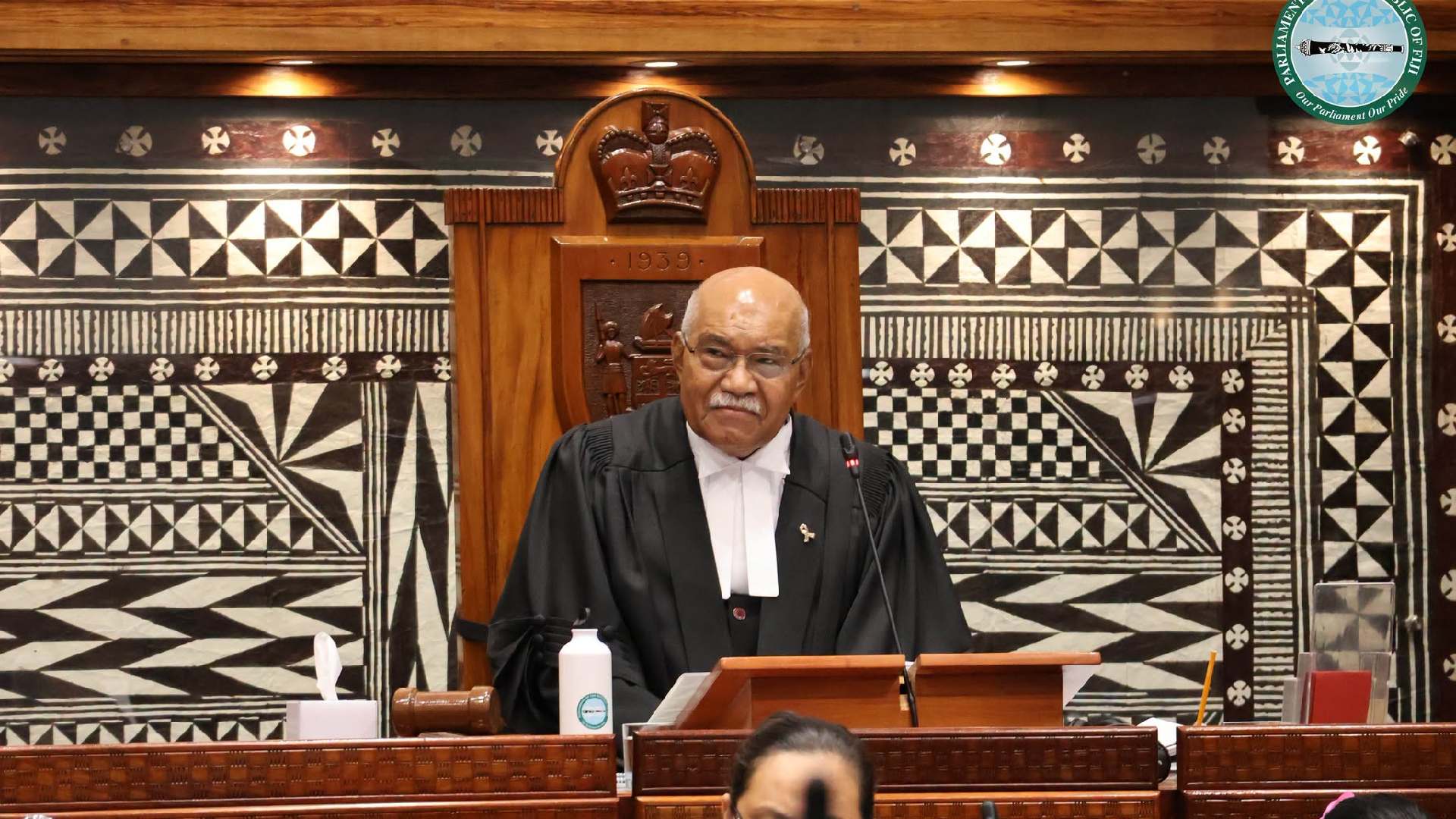 [Image: Parliament of Fiji]Speaker of Parliament Filimone Jitoko says the two-thirds or 66 percent threshold for the Constitution Amendment Bill must be calculated based on the 53 occupied parliamentary seats, excluding the two vacant seats.
If all the 53 MPs are present in parliament this evening during the vote, it would mean that 35 MPs have to vote for the Bill to progress to the third reading which has to take place after 30 days.
The Speaker says if there are absentees today, the ratio becomes two-thirds of the number of Members of Parliament present and seated in the House, including those approved for virtual attendance.
While clarifying the voting threshold for the Bill to Amend the 2013 Constitution, the Speaker says Parliament will interpret Chapter 11 of the Constitution in accordance with the Supreme Court’s interpretation set out in its advisory opinion of 29th August 2025.
He says this follows careful consideration of all relevant issues pertaining to the matter, while recognising that the Court is ultimately the authority on the interpretation of the Constitution.
Jitoko says public trust and confidence in Parliament are the bedrock of democratic governance.
The Speaker says the Supreme Court, in interpreting the Constitution as requiring a two-thirds vote of all Members of Parliament in favour of a constitutional amendment, has defined the process for amending the Constitution.
He says the two-thirds threshold will be calculated based on the 53 occupied seats, given the two vacant seats resulting from the passing of two Members of Parliament.
Jitoko says Standing Order 8(2)(a) provides that if a Standing Order requires the permission, vote or otherwise of a majority of Members, whether of all Members or those present, any vacancies must not be included when determining the threshold number of Members.
He says, in addition, Standing Order 52, which deals with decisions determined by Members present and voting, provides that a question proposed for decision by Parliament is determined by those Members present in Parliament.
Furthermore, he adds that Section 69 of the Constitution stipulates that any question proposed for decision in Parliament must be determined by a majority of the Members present and voting.
Fiji takes another step in Fiji's constitutional journey today - PM66% of votes in parliament needed tonight to move to the 3rd reading after 30 days
By Vijay Narayan 02/10/2026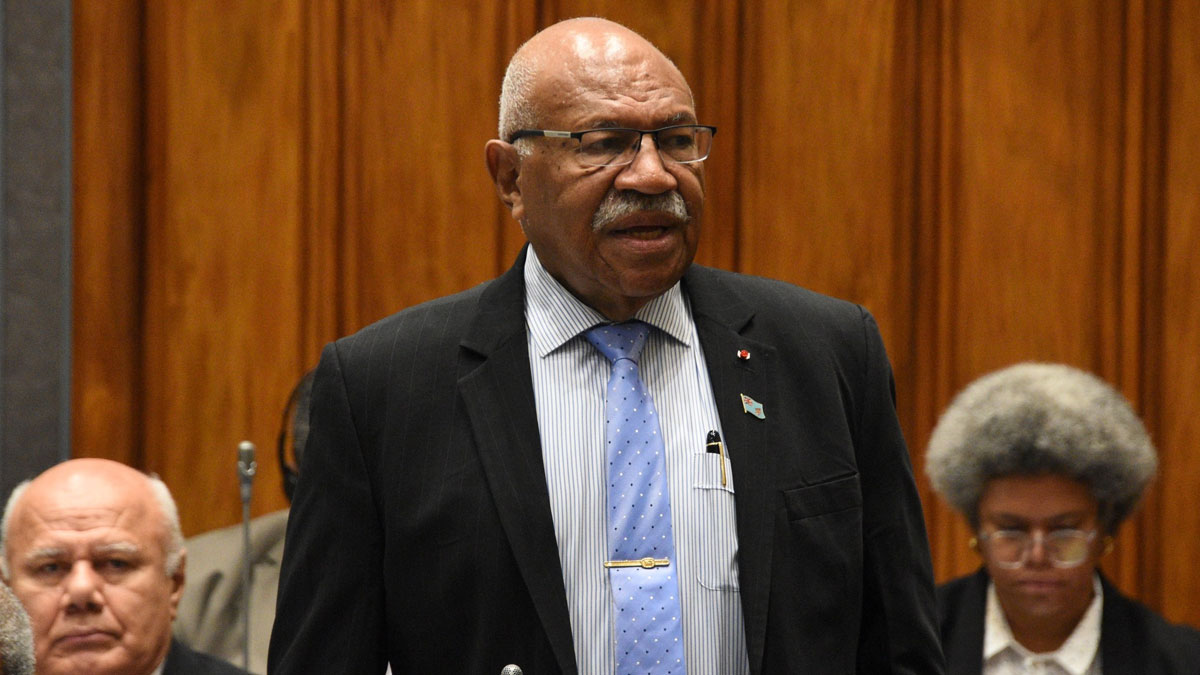 Prime Minister, Sitiveni Rabuka says Fiji takes another step in Fiji's constitutional journey today as the second reading on the Constitution Amendment Bill 2026 and debate continues in parliament this evening.
While speaking in parliament, Rabuka says the Supreme Court has confirmed that the constitutional amendments require the support of at least two-thirds of all Members of Parliament at the second and third readings, together with the approval by a majority of voters, voting in a referendum.
Rabuka says this is very important because the constitutional process does not belong to the Government alone, it involves Parliament and, ironically, quite contrary to what he thought almost 40 years ago, the Constitution must be changed in the hands of the people.
He adds if the constitutional requirements are met, the people of Fiji will ultimately have their say through a national referendum and will put into place the acts to facilitate that.
The Prime Minister says the Constitution is more than just a legal document.
He says it establishes how our country is governed, it sets out the powers and responsibilities of our institutions, it protects rights and freedoms, it provides checks and balances and it defines the relationship between the State and the people.
Rabuka says ultimately, the Constitution is about people, it's about our family, our community, our identity, our values, and our hope for the future.
If 66 percent of the MPs in parliament vote in support of the Bill, it will move forward to a process where a Joint Parliamentary Select Committee led by Prime Minister Rabuka, Deputy Prime Minister Viliame Gavoka, National Federation Party Leader and MP Professor Biman Prasad, Acting Attorney General Siromi Turaga, Minister for Lands Filimoni Vosarogo, Minister for Information Lynda Tabuya, Minister for Rural and Maritime Development Mosese Bulitavu, Leader of the Opposition Inia Seruiratu and 3 members of the Opposition nominated by the Opposition Leader will have consultations with the people of Fiji over the next 30 days.
The third reading of the Bill will then be held in parliament which has to take place after 30 days.
If the 66 percent is not achieved, the process comes to an end.
If the 66 percent vote is achieved in the third reading after a successful 66 percent in the second reading, the Fijian Elections Office would then have to conduct a referendum, and the Constitution will only be amended after the approval by a majority of voters, voting in that referendum.
The referendum period will be between 30 and 45 days after the writ is issued by the President to allow time for voter education, overseas voting arrangements and electoral preparations.
Voters will be able to tick, cross or circle either Yes or No on the ballot paper, and multiple referendum questions may be included on a single ballot paper.
The Supervisor of Elections will prepare national referendum results, which will be endorsed by the Electoral Commission before it is sent to the President for the final declaration.
Debate continues on the Constitution Amendment Bill in parliament.
Click here for full Constitution Amendment Bill coverage:https://www.fijivillage.com/indepth/2026-constitution-amendment-bill-tabled-in-parliament-9d3431/
Constitution must serve Fiji for generations, not political interests of today - SeruiratuBy Mansi Chand 02/10/2026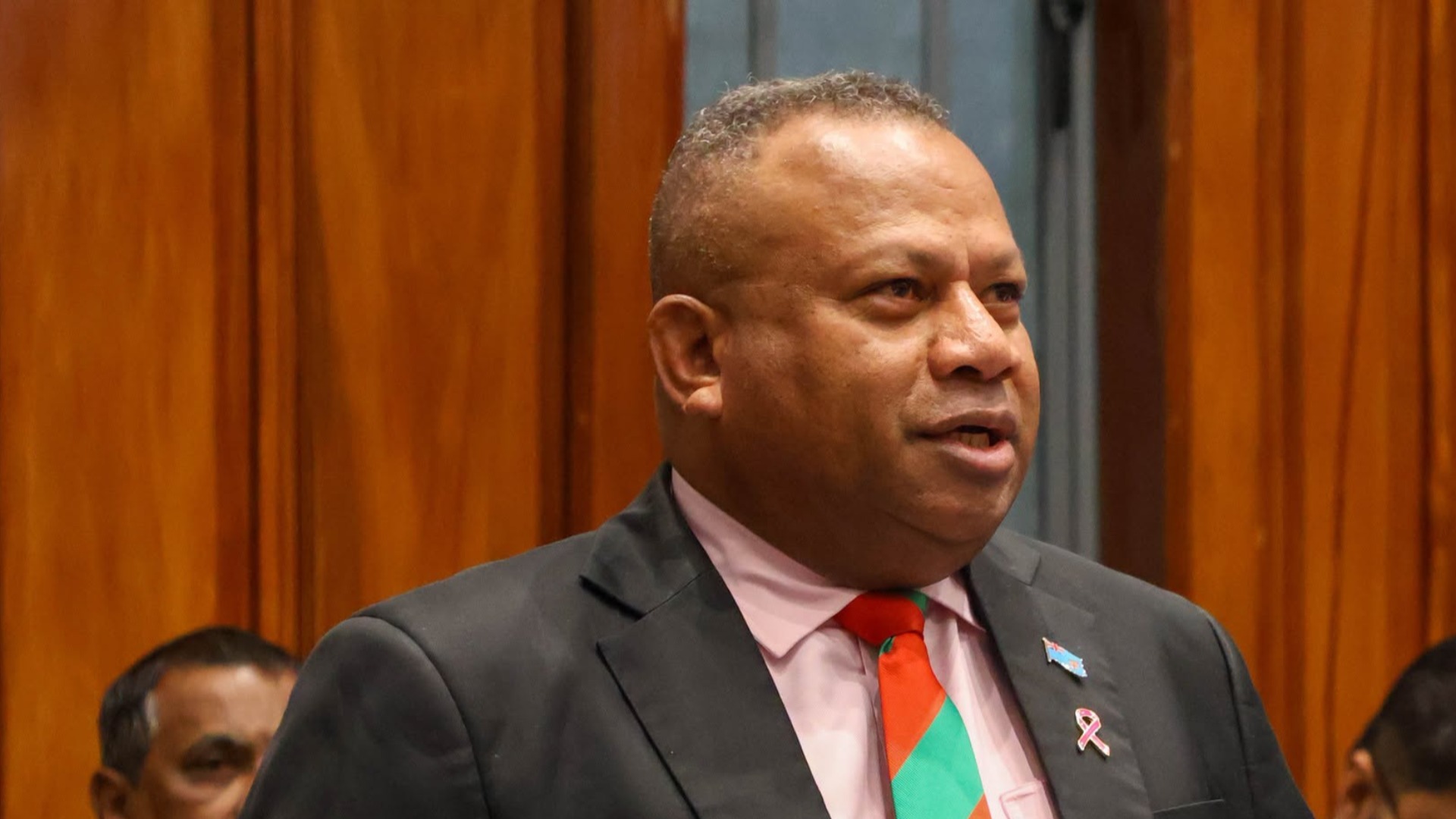 Image: Fiji Parliament
Opposition Leader, Inia Seruiratu says any new constitutional framework must serve Fiji fairly and democratically for generations and should not be shaped around the interests of the government, opposition or institutions of today.
During the second reading of the Bill, the Opposition Leader did not state whether he supports or does not support the Constitution Amendment Bill.
Seruiratu says constitutional reviews provide an opportunity to change the direction of the country, but there must be a clear understanding of why change is necessary, what needs to change and the implications and benefits of those changes.
He says the process must be guided by good governance, including public participation, consensus, inclusivity, accountability and transparency.
Seruiratu stresses that the Bill is not an ordinary piece of legislation, as it proposes to repeal provisions of the 2013 Constitution, with the exception of Chapter 10, and replace them with a new constitutional framework contained in the schedule to the Bill.
He says this places an enormous responsibility on Parliament.
Seruiratu says governments come and go, Prime Ministers and Opposition Leaders change, political parties rise and fall, and every Member of Parliament will eventually leave public office, but a constitution is intended to endure beyond the political circumstances of the day.
He says Parliament must therefore consider whether the proposed constitutional system will serve Fiji fairly and democratically for generations to come.
The Opposition Leader also says constitutional legitimacy cannot simply be measured by whether consultations were held or submissions received.
He says there is an important distinction between consultation and genuine public ownership, and the key question is whether the final document sufficiently reflects the aspirations, concerns and expectations of the wider population.
Seruiratu says constitutional recognition must also go beyond words in a preamble, with institutions established under the Constitution giving every community confidence that they have a place, a voice and an equal stake in Fiji’s future.
He says constitutional reform should never become a contest where recognition of one community is perceived as coming at the expense of another.
Seruiratu also stressed the importance of retaining a common national identity.
He says the strength of a constitution cannot be measured only by the promises contained in its text, but also by whether the institutions it establishes are capable of upholding those promises when they come under pressure.
Debate on the Constitution Amendment Bill continues.
Opposition Leader, Inia Seruiratu says any new constitutional framework must serve Fiji fairly and democratically for generations and should not be shaped around the interests of the government, opposition or institutions of today.
During the second reading of the Bill, the Opposition Leader did not state whether he supports or does not support the Constitution Amendment Bill.
Seruiratu says constitutional reviews provide an opportunity to change the direction of the country, but there must be a clear understanding of why change is necessary, what needs to change and the implications and benefits of those changes.
He says the process must be guided by good governance, including public participation, consensus, inclusivity, accountability and transparency.
Seruiratu stresses that the Bill is not an ordinary piece of legislation, as it proposes to repeal provisions of the 2013 Constitution, with the exception of Chapter 10, and replace them with a new constitutional framework contained in the schedule to the Bill.
He says this places an enormous responsibility on Parliament.
Seruiratu says governments come and go, Prime Ministers and Opposition Leaders change, political parties rise and fall, and every Member of Parliament will eventually leave public office, but a constitution is intended to endure beyond the political circumstances of the day.
He says Parliament must therefore consider whether the proposed constitutional system will serve Fiji fairly and democratically for generations to come.
The Opposition Leader also says constitutional legitimacy cannot simply be measured by whether consultations were held or submissions received.
He says there is an important distinction between consultation and genuine public ownership, and the key question is whether the final document sufficiently reflects the aspirations, concerns and expectations of the wider population.
Seruiratu says constitutional recognition must also go beyond words in a preamble, with institutions established under the Constitution giving every community confidence that they have a place, a voice and an equal stake in Fiji’s future.
He says constitutional reform should never become a contest where recognition of one community is perceived as coming at the expense of another.
Seruiratu also stressed the importance of retaining a common national identity.
He says the strength of a constitution cannot be measured only by the promises contained in its text, but also by whether the institutions it establishes are capable of upholding those promises when they come under pressure.
Debate on the Constitution Amendment Bill continues.
Constitution Bill passes second reading with required 35 votesBy 16,53,75,11,99,94,64 02/10/2026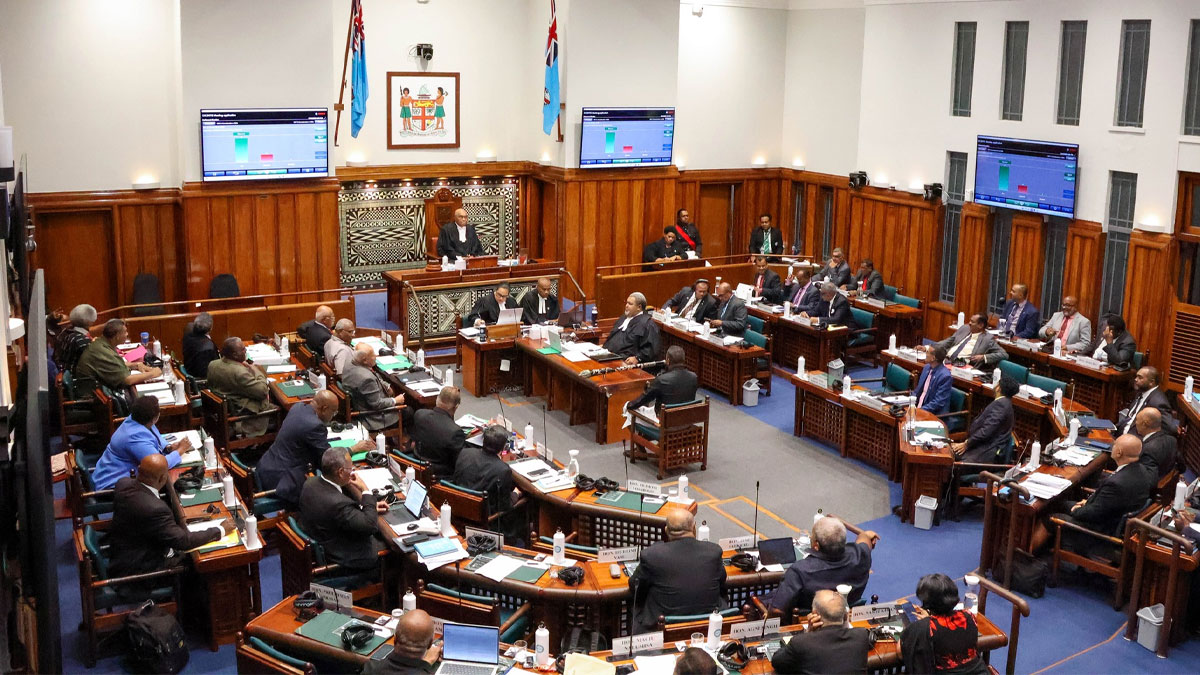
The Constitution Amendment Bill 2026 has passed its second reading in Parliament after the Government secured the required 35 votes.
A total of 38 MPs voted in favour of the Bill, five voted against it, nine abstained and one did not vote.
The Bill will now proceed to its third reading.
A Joint Parliamentary Select Committee led by Prime Minister Rabuka, and Deputy Prime Minister Viliame Gavoka, National Federation Party Leader and MP Professor Biman Prasad, Acting Attorney General Siromi Turaga, Minister for Lands Filimoni Vosarogo, Minister for Information Lynda Tabuya, Minister for Rural and Maritime Development Mosese Bulitavu, Leader of the Opposition Inia Seruiratu and 3 members of the Opposition nominated by the Opposition Leader will have consultations with the people of Fiji over the next 30 days.
The Special Committee will report back to Parliament on 2nd November.
If the 66 percent vote is achieved in the third reading, the Fijian Elections Office would then have to conduct a referendum, and the Constitution will only be amended after the approval by a majority of voters, voting in that referendum.
The referendum period will be between 30 and 45 days after the writ is issued by the President to allow time for voter education, overseas voting arrangements and electoral preparations.
Voters will be able to tick, cross or circle either Yes or No on the ballot paper, and multiple referendum questions may be included on a single ballot paper.
The Supervisor of Elections will prepare national referendum results, which will be endorsed by the Electoral Commission before it is sent to the President for the final declaration.
Rabuka says what Parliament discussed today is not just a Bill, but a framework by which people will live, work, raise their families, practise their faith, protect their communities and determine the future of the country.
He says the Constitution must serve the people and respond to the realities they face today and in the future.
Meanwhile, a total of 12 speakers from both the Government and the Opposition spoke on the Bill during the debate.
Opposition Leader, Inia Seruiratu says any new constitutional framework must serve Fiji fairly and democratically for generations and should not be shaped around the interests of the government, opposition or institutions of today.
Seruiratu says constitutional reviews provide an opportunity to change the direction of the country, but there must be a clear understanding of why change is necessary, what needs to change and the implications and benefits of those changes.
He says the process must be guided by good governance, including public participation, consensus, inclusivity, accountability and transparency.
Seruiratu stresses that the Bill is not an ordinary piece of legislation, as it proposes to repeal provisions of the 2013 Constitution, with the exception of Chapter 10, and replace them with a new constitutional framework contained in the schedule to the Bill.
He says this places an enormous responsibility on Parliament.
Seruiratu says governments come and go, Prime Ministers and Opposition Leaders change, political parties rise and fall, and every Member of Parliament will eventually leave public office, but a constitution is intended to endure beyond the political circumstances of the day.
He says Parliament must therefore consider whether the proposed constitutional system will serve Fiji fairly and democratically for generations to come.
The Opposition Leader also says constitutional legitimacy cannot simply be measured by whether consultations were held or submissions received.
He says there is an important distinction between consultation and genuine public ownership, and the key question is whether the final document sufficiently reflects the aspirations, concerns and expectations of the wider population.
Seruiratu says constitutional recognition must also go beyond words in a preamble, with institutions established under the Constitution giving every community confidence that they have a place, a voice and an equal stake in Fiji's future.
He says constitutional reform should never become a contest where recognition of one community is perceived as coming at the expense of another.
Seruiratu also stressed the importance of retaining a common national identity.
He says the strength of a constitution cannot be measured only by the promises contained in its text, but also by whether the institutions it establishes are capable of upholding those promises when they come under pressure.
Acting Attorney-General Siromi Turaga says amending the 2013 Constitution would bring Fiji's constitutional framework more closely in line with international human rights standards and reflect the belief that human dignity, equality and justice are rights that must be respected and protected.
He says the Bill proposes to remove the Fiji Independent Commission Against Corruption of Fiji.
The Acting AG says the Bill restores the arrangement by returning investigations to the police and the prosecution to the Director of Public Prosecutions.
Turaga says the retirement age should apply equally to all judges, regardless of their citizenship status.
He says the Bill removes the disparity whereby local judges must retire at 70 years.
Turaga says it provides a strong safeguard for every citizen, unlike the 2013 Constitution.
Deputy Prime Minister and Minister for Trade Manoa Kamikamica says the proposed Constitution Amendment Bill represents more than constitutional reform and could help lay a stronger foundation for Fiji's economic growth, investor confidence and business development.
While speaking in support of the Bill in Parliament, Kamikamica says the Bill aims to unify the people of Fiji and address issues including common identity, equal citizenry, religious freedom, security of land tenure and the Bill of Rights.
He says the Government will go to elections before February 2027 as required under the 2013 Constitution, and rejected claims that elections could be delayed.
The Deputy Prime Minister says if the Bill passes today vote, it will be taken around the country for 30 days to allow people to give their views before returning to Parliament for another vote and, if it passes the required parliamentary vote, it will be put to the people of Fiji in a referendum.
Deputy Prime Minister Viliame Gavoka says people should know who represents their community in Parliament and who they can turn to when they have concerns about roads, schools and other essential services.
Gavoka says the proposed return of constituency-based representation would create a more direct connection between communities and their elected representatives, giving people an identifiable MP who understands the issues affecting their community.
The proposed changes would also establish five specific maritime constituencies for Rotuma, Yasawa, Kadavu, Lomaiviti and Lau.
Former Deputy Prime Minister Professor Biman Prasad stressed that the National Federation Party supports taking the draft through a genuine process of parliamentary scrutiny, negotiation and consultation. However, he made clear that this support does not mean the NFP accepts every provision in the draft.
He says the committee must listen to concerns from all communities, particularly people who may feel anxious or uncertain about constitutional change.
He urged citizens to ask questions, disagree with proposals where necessary, and tell their elected representatives what they believe should be changed.
He also appealed to both government and opposition MPs to participate constructively in the committee process.
Opposition MP Jone Usamate says the amended Constitution should address issues such as democracy and unity and must never embed principles that lead to divisiveness.
Usamate says the Constitution is the most important law, and the mother of all laws of the country.
He says the tenor of the Constitution becomes the tenor of the nation, with all the good and bad that it brings.
Speaking about the idea of democracy and what it means, the Opposition MP says democracy is where people take the lead by giving ideas and leaders listen.
Usamate asks how well the Constitution manages the nexus between individual rights, liberal democracy and traditional power structures, such as the iTaukei structures of Tokatoka, Mataqali, Yavusa and Vanua.
He says there is a need to maintain and preserve traditional structures while at the same time seeing Fiji as a democracy where democratic rights and individual rights are cherished and protected under the Bill of Rights.
Usamate says another issue that needs to be reflected in the Constitution is the idea of unity.
Opposition MP Premila Kumar has raised concerns over proposed changes to Fiji's Constitution, saying any new constitutional framework must protect equal citizenship, religious neutrality, childrens' rights and the peoples' role in determining future constitutional changes.
Kumar raised concerns about the proposed Constitution introducing Christianity and family values as part of the foundational values of the State and provisions allowing the proposed Constitution to come into effect earlier than the stated date of 31st March 2028 through a notice by the President in the Gazette.
She has questioned a provision that permits lawful and moderate chastisement for the correction of children, the proposed return of a 23-member Senate and the constitutional role proposed for the Bose Levu Vakaturaga.
She also questioned the removal of the requirement for a national referendum for future constitutional amendments.
However, she did not state whether she supports the Bill or not, but stressed that democratic renewal should mean more participation, transparency, accountability and stronger safeguards against the concentration of power.
Meanwhile, Opposition MP Praveen Bala says they have reservations about certain clauses in the Bill that require further discussion.
Bala says the Government should provide a side-by-side comparison of the Constitution Review Commission's draft and the Bill currently before Parliament, including the reasons for each change.
Opposition MP Ketan Lal says the Constitution is not an ordinary piece of legislation and therefore any changes to it must be guided by fundamental principles.
Lal says questions must be asked about whether the proposed changes protect citizens and hold the government accountable.
The Opposition MP says constitutional reform should pass the democratic test and any change must be justified.
He says changes to the Constitution should not be made to suit the government or because it does not like the Opposition.
Speaker of Parliament Filimone Jitoko reminded Lal that the second reading debate should focus on the principles and merits of the Bill, rather than general criticism.
Lal concluded by saying he does not support the Constitution Amendment Bill.
Opposition MP Faiyaz Koya says any constitutional reform must strengthen democracy, protect equal citizenship and ensure those exercising political power remain accountable.
Koya questioned whether the consultation process had been broad enough, and said that people must be given enough time to obtain and read the Bill and understand the proposed changes.
He says constitutional reform should be judged by whether the change is necessary, strengthens democracy, restrains power, protects equality and gives people greater confidence and control over those who govern.
He says the ultimate test comes down to three questions, which is where does the power sit, who exercises it, and who holds that person or institution accountable?
Koya concluded by saying that he does not support the Constitution Amendment Bill.
During his contribution, Deputy Prime Minister Manoa Kamikamica raised a point of order, saying Koya had made very little mention of the merits or demerits of the Bill and was instead discussing issues such as the timing of the process.
The Speaker also reminded Koya that criticism could be raised during the third reading and that the second reading was largely procedural in nature.
Minister for Immigration Viliame Naupoto says the Constitution before Parliament, in his view, projects and protects the spirit of what a good constitution should be.
He says it is founded on the values of democracy, justice, equality, accountability, and respect for the rights and dignity of the people.
While contributing to the debate on the Constitutional Amendment Bill, Naupoto says a constitution does not exist for its own sake, but to serve the people, protect their freedoms, strengthen democratic institutions and ensure that the sovereign will of the people remains at the heart of the constitutional order.
He adds that the people must be heard, and the people must decide.
Naupoto says if Members vote in favour of the Bill and it passes the second reading, it will proceed to a parliamentary committee, where members of the public will have the opportunity to express their views.
The Minister calls on those who strongly support the 2013 Constitution to have confidence in taking it to the people, while those who believe it should be changed should equally be prepared to make their case.
Naupoto says if the people believe the existing provisions are better than the proposed amendments, then they should say so.
He says they should reject the proposals and affirm through their democratic voice that they prefer the Constitution as it stands.
Minister for Lands and Mineral Resources Filimoni Vosarogo says the Bill dedicates a separate chapter to land to protect biodiversity.
He says it also provides equal rights for all and recognises and respects all languages used in Fiji.
Click here for full Constitution Amendment Bill coverage: https://www.fijivillage.com/indepth/2026-constitution-amendment-bill-tabled-in-parliament-9d3431/
The Constitution Amendment Bill 2026 has passed its second reading in Parliament after the Government secured the required 35 votes.
A total of 38 MPs voted in favour of the Bill, five voted against it, nine abstained and one did not vote.
The Bill will now proceed to its third reading.
A Joint Parliamentary Select Committee led by Prime Minister Rabuka, and Deputy Prime Minister Viliame Gavoka, National Federation Party Leader and MP Professor Biman Prasad, Acting Attorney General Siromi Turaga, Minister for Lands Filimoni Vosarogo, Minister for Information Lynda Tabuya, Minister for Rural and Maritime Development Mosese Bulitavu, Leader of the Opposition Inia Seruiratu and 3 members of the Opposition nominated by the Opposition Leader will have consultations with the people of Fiji over the next 30 days.
The Special Committee will report back to Parliament on 2nd November.
Rabuka says what Parliament discussed today is not just a Bill, but a framework by which people will live, work, raise their families, practise their faith, protect their communities and determine the future of the country.
He says the Constitution must serve the people and respond to the realities they face today and in the future.
Meanwhile, a total of 12 speakers from both the Government and the Opposition spoke on the Bill during the debate.
Opposition Leader, Inia Seruiratu says any new constitutional framework must serve Fiji fairly and democratically for generations and should not be shaped around the interests of the government, opposition or institutions of today.
Seruiratu says constitutional reviews provide an opportunity to change the direction of the country, but there must be a clear understanding of why change is necessary, what needs to change and the implications and benefits of those changes.
He says the process must be guided by good governance, including public participation, consensus, inclusivity, accountability and transparency.
Seruiratu stresses that the Bill is not an ordinary piece of legislation, as it proposes to repeal provisions of the 2013 Constitution, with the exception of Chapter 10, and replace them with a new constitutional framework contained in the schedule to the Bill.
He says this places an enormous responsibility on Parliament.
Seruiratu says governments come and go, Prime Ministers and Opposition Leaders change, political parties rise and fall, and every Member of Parliament will eventually leave public office, but a constitution is intended to endure beyond the political circumstances of the day.
He says Parliament must therefore consider whether the proposed constitutional system will serve Fiji fairly and democratically for generations to come.
The Opposition Leader also says constitutional legitimacy cannot simply be measured by whether consultations were held or submissions received.
He says there is an important distinction between consultation and genuine public ownership, and the key question is whether the final document sufficiently reflects the aspirations, concerns and expectations of the wider population.
Seruiratu says constitutional recognition must also go beyond words in a preamble, with institutions established under the Constitution giving every community confidence that they have a place, a voice and an equal stake in Fiji's future.
He says constitutional reform should never become a contest where recognition of one community is perceived as coming at the expense of another.
Seruiratu also stressed the importance of retaining a common national identity.
He says the strength of a constitution cannot be measured only by the promises contained in its text, but also by whether the institutions it establishes are capable of upholding those promises when they come under pressure.
Acting Attorney-General Siromi Turaga says amending the 2013 Constitution would bring Fiji's constitutional framework more closely in line with international human rights standards and reflect the belief that human dignity, equality and justice are rights that must be respected and protected.
He says the Bill proposes to remove the Fiji Independent Commission Against Corruption of Fiji.
The Acting AG says the Bill restores the arrangement by returning investigations to the police and the prosecution to the Director of Public Prosecutions.
Turaga says the retirement age should apply equally to all judges, regardless of their citizenship status.
He says the Bill removes the disparity whereby local judges must retire at 70 years.
Opposition MP Ketan Lal says the Constitution is not an ordinary piece of legislation and therefore any changes to it must be guided by fundamental principles.
Lal says questions must be asked about whether the proposed changes protect citizens and hold the government accountable.
The Opposition MP says constitutional reform should pass the democratic test and any change must be justified.
He says changes to the Constitution should not be made to suit the government or because it does not like the Opposition.
Speaker of Parliament Filimone Jitoko reminded Lal that the second reading debate should focus on the principles and merits of the Bill, rather than general criticism.
Lal concluded by saying he does not support the Constitution Amendment Bill.
Opposition MP Faiyaz Koya says any constitutional reform must strengthen democracy, protect equal citizenship and ensure those exercising political power remain accountable.
Koya questioned whether the consultation process had been broad enough, and said that people must be given enough time to obtain and read the Bill and understand the proposed changes.
He says constitutional reform should be judged by whether the change is necessary, strengthens democracy, restrains power, protects equality and gives people greater confidence and control over those who govern.
He says the ultimate test comes down to three questions, which is where does the power sit, who exercises it, and who holds that person or institution accountable?
Koya concluded by saying that he does not support the Constitution Amendment Bill.
During his contribution, Deputy Prime Minister Manoa Kamikamica raised a point of order, saying Koya had made very little mention of the merits or demerits of the Bill and was instead discussing issues such as the timing of the process.
The Speaker also reminded Koya that criticism could be raised during the third reading and that the second reading was largely procedural in nature.
Minister for Lands and Mineral Resources Filimoni Vosarogo says the Bill dedicates a separate chapter to land to protect biodiversity.
He says it also provides equal rights for all and recognises and respects all languages used in Fiji.
Click here for full Constitution Amendment Bill coverage: https://www.fijivillage.com/indepth/2026-constitution-amendment-bill-tabled-in-parliament-9d3431/
Constitution Bill proposes moderate chastisement of children for the purposes of correctionBy Vijay Narayan 03/10/2026 The Constitution Amendment Bill which will now go for another round of consultations with the Joint Parliamentary Select Committee chaired by Prime Minister, Sitiveni Rabuka, has a section which says that while there is children's right to be protected from punishment, lawful and moderate chastisement is permissible for the purposes of correction.
Detention is also an option only as a last resort.
The section says every child has the right to be registered at or soon after birth, and to have a name and nationality; to basic nutrition, clothing, shelter, sanitation and health care; to family care, protection and guidance, which includes the equal responsibility of the child’s parents to provide for the child whether or not the parents are, or have ever been, married to eachother; and whether or not the parents are living together, have lived together, orare separated; to be protected from abuse, neglect, harmful cultural practices, any formof violence, hazardous or exploitative labour, and inhumane treatment and punishment.
It says the best interests of a child are the primary consideration in every matter concerningthe child.
Section 14 says every person has the right to freedom from torture of any kind, whetherphysical, mental or emotional, and from cruel, inhumane, degrading or disproportionatelysevere treatment or punishment.
It further says every person has the right to security of the person, which includes the right to be free from any form of violence from any source at home, school, work or in any other place.
Questions have been raised about this and it is expected to be discussed further in public consultations.
A Joint Parliamentary Select Committee led by Prime Minister Rabuka, and Deputy Prime Minister Viliame Gavoka, National Federation Party Leader and MP Professor Biman Prasad, Acting Attorney General Siromi Turaga, Minister for Lands Filimoni Vosarogo, Minister for Information Lynda Tabuya, Minister for Rural and Maritime Development Mosese Bulitavu, Leader of the Opposition Inia Seruiratu and 3 members of the Opposition nominated by the Opposition Leader will have consultations with the people of Fiji over the next 30 days.
The Special Committee will report back to Parliament on 2nd November.
If the 66 percent vote is achieved in the third reading, the Fijian Elections Office would then have to conduct a referendum, and the Constitution will only be amended after the approval by a majority of voters, voting in that referendum.
The referendum period will be between 30 and 45 days after the writ is issued by the President to allow time for voter education, overseas voting arrangements and electoral preparations.
Voters will be able to tick, cross or circle either Yes or No on the ballot paper, and multiple referendum questions may be included on a single ballot paper.
The Supervisor of Elections will prepare national referendum results, which will be endorsed by the Electoral Commission before it is sent to the President for the final declaration.
Commission prepares for referendum and general elections, decision to be made on whether election campaign will be suspendedCDD urges Electoral Commission not to allow an uncertain referendum process disrupt Fiji's mandated general elections
By Vijay Narayan 05/10/2026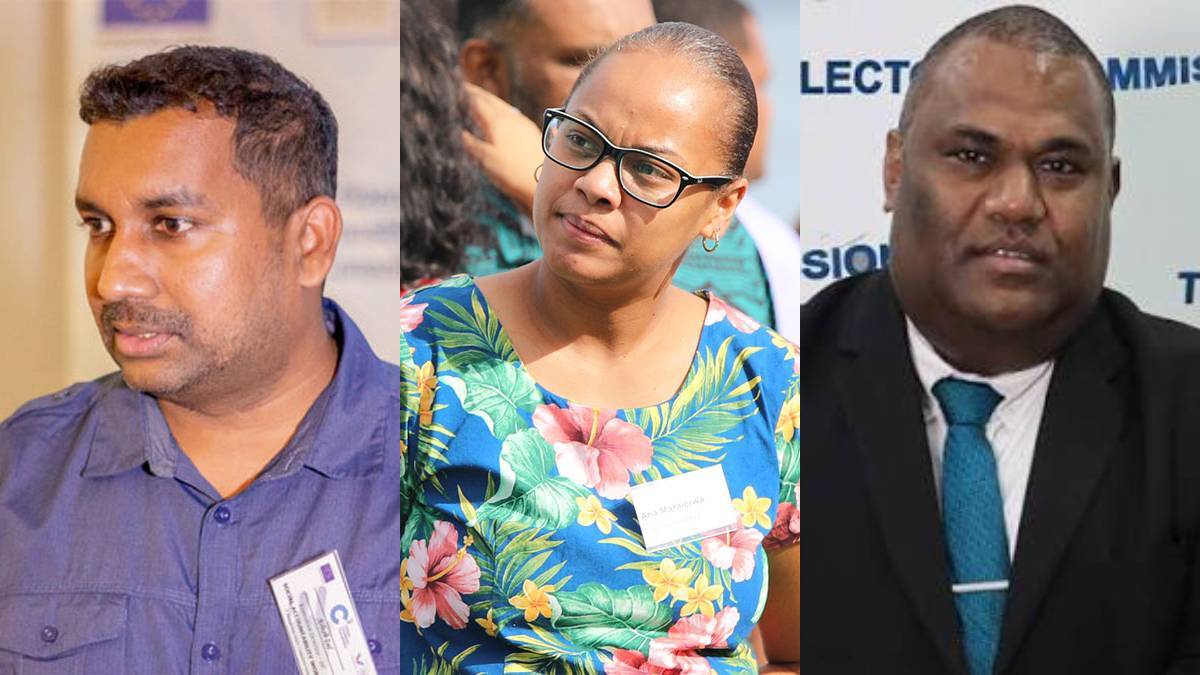 Following the announcements by the Government on the date of the National Referendum on 9th December, 2026, the Electoral Commission and the Fijian Elections Office state they will now proceed with the preparations required for the National Referendum.
They also confirm that at the same time, preparations for the upcoming general elections will continue.
One of the Electoral Commission's immediate responsibilities will be to determine and announce the campaign period for the National Referendum.
In accordance with section 15(2) of the National Referendum Act, the Electoral Commission will also consider and determine whether general election campaigning and related activities governed by Part 4 of the Electoral Act 2014 are to be suspended for all or part of the referendum campaign period.
The Electoral Commission will provide its decision on this request from the Prime Minister at a later date.
Chairperson of the Electoral Commission, Justice Usaia Ratuvili, reiterates that the coming period will require the Electoral Commission and the FEO to manage preparations for two important electoral processes.
Supervisor of Elections, Ana Mataiciwa, reiterates that the FEO's focus will now turn to the practical work needed to prepare for the National Referendum and make sure voters can access the information and services they need.
Postal voting applications for the National Referendum are now open.
Eligible voters who qualify for postal voting are encouraged to apply early via this link https://services.feo.org.fj/Postal.
The FEO is encouraging voters who intend to apply for postal voting not to wait until the last minute and apply now, they are also encouraged to understand the requirements before submitting their application.
Existing voter registration will cover both the general elections and the National Referendum.
Voters are, however, encouraged to check that their registration details are correct.
Meanwhile the Centre for Democracy and Dialogue (CDD) has written to strongly urge the Electoral Commission not to suspend campaigning for Fiji's constitutionally mandated general election on the basis of the proposed constitutional referendum.
CDD Chief Executive Officer, Nilesh Lal says at present, the constitutional conditions necessary to trigger that referendum have not been satisfied.
Lal says the Constitution Amendment Bill has not completed its third reading and has therefore not yet been passed in accordance with section 160 of the Constitution.
Section 160(3) states that if a Bill for the amendment of the Constitution is passed by Parliament inaccordance with subsection (2), then the Speaker shall notify the President accordingly, who shall then refer the Bill to the Electoral Commission, for the Electoral Commission to conduct a referendum for all registered voters in Fiji to vote on the Bill.
Lal also says this raises an obvious and important legal question: how can 9th December be treated asthe legally fixed referendum polling day when the Constitution Amendment Bill has not yet passed in accordance with section 160, no referendum writ could yet have been issued pursuant to that process, and the statutory mechanism for fixing the polling day has therefore not been completed.
He says the same difficulty arises in relation to any proposed suspension of general electioncampaigning.
Lal says section 15(2) of the National Referendum Act does not create a general power to suspendan election campaign whenever a referendum is contemplated.
He adds the Constitution Amendment Bill has not completed its third reading, the Speaker cannot yet have made the notification contemplated by section 160(3), the President cannot yet have issued the referendum writ pursuant to that process, and no referendum polling day has therefore been lawfully fixed under the Act.
The Centre for Democracy and Dialogue says any purported suspension of general election campaigning under section 15(2) at this stage would therefore be unlawful and beyond the power presently conferred on the Commission by that provision.
The CDD is also concerned by the Prime Minister's statement that he has written to the Electoral Commission requesting that general election campaigning be suspended.
It says section 15(2) places that discretion in the Electoral Commission, not in the Prime Minister.
Lal says the Commission must therefore exercise its own independent judgement.
He says this is particularly important because the request comes from the Prime Minister, whose political party is itself a contestant in the election which the Commission is responsible for fairly and impartially administering.
Lal further says they are also very deeply concerned with how Fiji is making a mockery of its nationalelections.
He says this latest move is another assault on the integrity of elections.
The National Referendum will be held on 9th December this year if the vote in Parliament on 2nd November gets 66 percent support of the Members of Parliament.
The referendum result is expected to be announced by 14th December.
The last day for the writ of elections to be issued is 24th December this year and the last date for general elections to be held is 6th February 2027.
No form of violence against children can ever be justified - KiranBy Priya Nand 06/10/2026 No form of violence against children can ever be justified.
That is the message from Minister for Women, Children and Social Protection Sashi Kiran, who says research already shows that a high percentage of children in Fiji go through violent discipline at home.
Kiran says we cannot legislate such measures.
She says there is a need for better parenting skills and focused, value-based teaching in the early life of children.
She says the Government has also launched a parenting app and says focused parenting is needed so child discipline challenges can be better managed.
She says the Constitution Amendment Bill is open to further refinement and she is sure that through the Joint Parliamentary Select Committee, this clause can be further amended.
The comments come after questions being raised over a provision in the Constitution Amendment Bill that has a section which says that while there is children's right to be protected from punishment, lawful and moderate chastisement is permissible for the purposes of correction.
Chaudhry questions legality of referendum date announcement by PM RabukaBy Nilufa Buksh 06/10/2026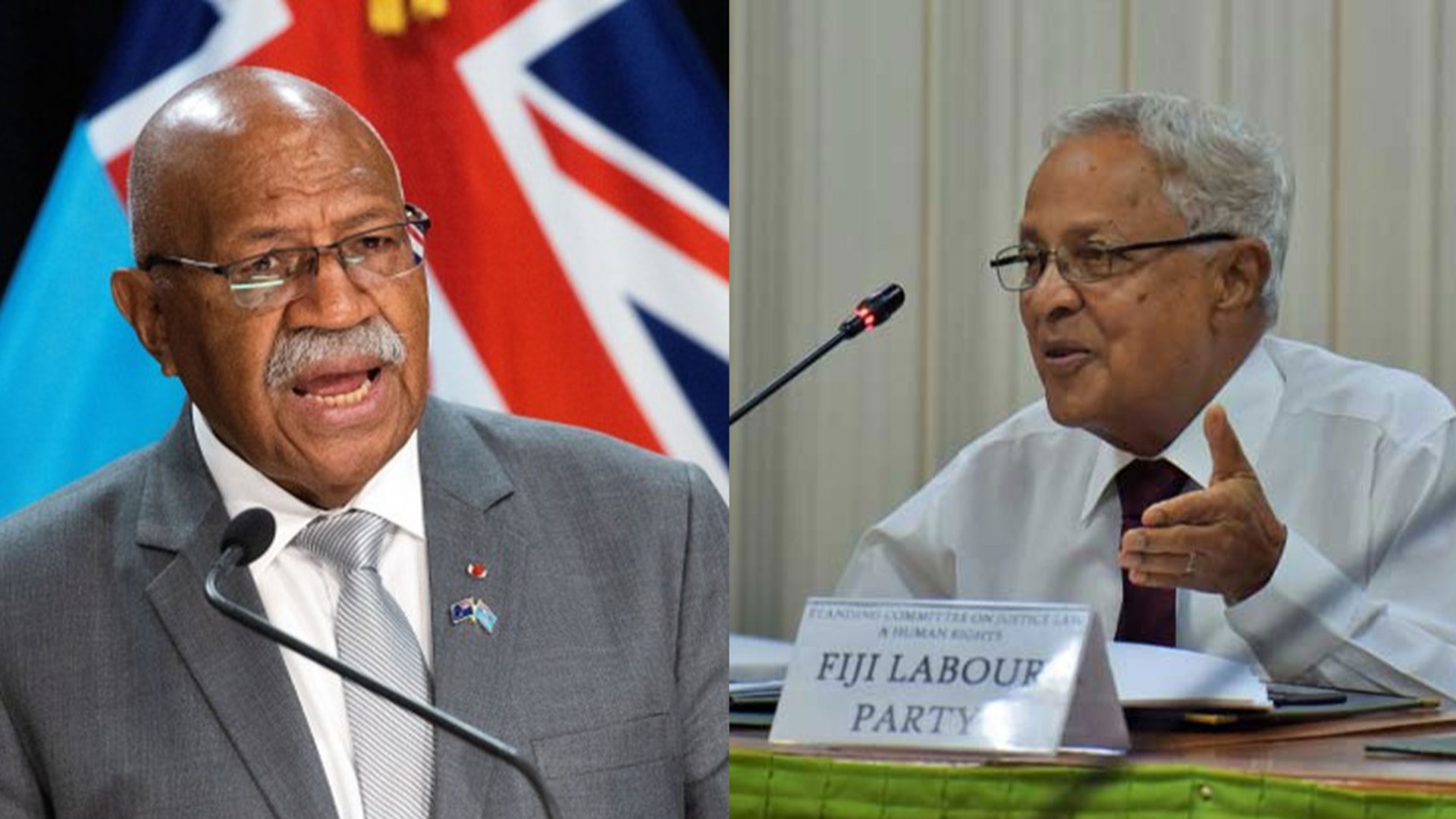
Fiji Labour Party Leader Mahendra Chaudhry says Prime Minister Sitiveni Rabuka is acting unlawfully and unconstitutionally by announcing a date for a national referendum on the Constitution Amendment Bill before the Bill has completed its parliamentary process.
Chaudhry says the Supreme Court opinion has made it clear that the 2013 Constitution remains effective and is the supreme law of the land.
He says the Constitution Amendment Bill has not yet gone through its third reading, which he says is mandatory before a referendum date can be set.
Chaudhry says the Prime Minister cannot act on the assumption that the Bill will pass its third reading.
He also says the Prime Minister does not have the right to direct the Electoral Commission to suspend all general election campaign activities.
Chaudhry says the independence of electoral institutions must be respected.
Chaudhry says this is a bid by the Prime Minister to remain in power despite his undertaking in Parliament that the elections would be held under the 2013 Constitution.
The third reading and vote on the Constitution Amendment Bill will take place in parliament on November 2nd after consultations by the Joint Parliamentary Select Committee chaired by Prime Minister Rabuka.
If 66 percent of MPs vote in favour of the Bill, then a national referendum will be held on 9th December and the result of that referendum is expected to be out by 14th December this year.
Fiji Labour Party Leader Mahendra Chaudhry says Prime Minister Sitiveni Rabuka is acting unlawfully and unconstitutionally by announcing a date for a national referendum on the Constitution Amendment Bill before the Bill has completed its parliamentary process.
Chaudhry says the Supreme Court opinion has made it clear that the 2013 Constitution remains effective and is the supreme law of the land.
He says the Constitution Amendment Bill has not yet gone through its third reading, which he says is mandatory before a referendum date can be set.
Chaudhry says the Prime Minister cannot act on the assumption that the Bill will pass its third reading.
He also says the Prime Minister does not have the right to direct the Electoral Commission to suspend all general election campaign activities.
Chaudhry says the independence of electoral institutions must be respected.
Chaudhry says this is a bid by the Prime Minister to remain in power despite his undertaking in Parliament that the elections would be held under the 2013 Constitution.
The third reading and vote on the Constitution Amendment Bill will take place in parliament on November 2nd after consultations by the Joint Parliamentary Select Committee chaired by Prime Minister Rabuka.
If 66 percent of MPs vote in favour of the Bill, then a national referendum will be held on 9th December and the result of that referendum is expected to be out by 14th December this year.
Remove the phrase 'lawful and moderate chastisement of children' from the Constitution Bill - CommissionBy Vijay Narayan 06/10/2026 The Fiji Human Rights and Anti-Discrimination Commission has called on Parliament and Government to prohibit corporal punishment and remove the phrase "lawful and moderate chastisement" from section40(1)(e) of the Constitution Amendment Bill, and promote positive, non-violent forms of childcare and discipline.
The Commission has raised serious concern over the "child-rights" provision under section 40 of the Bill, particularly the inclusion of moderate chastisement as a form of correction and discipline.
Commissioner, Alefina Vuki says while section 40(1)(e) of the Bill confirms a child's right to protection from abuse, neglect, harmful cultural practices, including any form of violence and inhumane treatment and punishment, it undermines that protection by permitting lawful and moderatechastisement for the purposes of correction and discipline.
She says this is both concerning and problematic.
Vuki says the Commission's position is clear; there can be no compromise on protecting childrenfrom violence.
She stresses the standard should be zero tolerance for violence against children and not be moderate punishment.
Vuki adds a law cannot claim to protect children from violence while simultaneously legitimizingcertain forms of violence against them.
She says if the purpose of the law is to safeguard and protect children from all forms of harm and abuse, its message must be clear and consistent: "zero tolerance for violence against children".
The Commissioner says the disturbing video that went viral on social media of a child being subjected to physical violence, inflicted by an adult, serves as a reminder of why the law must be clear about what is and is not acceptable treatment of a child.
She says Fiji as a State Party to the United Nations Convention on the Rights of the Child is requiredto ensure that its laws and policies are consistent with its obligations under the Convention.
Article 19 requires States to protect children from all forms of physical or mental violence while in the care of parents, guardians or others responsible for them.
The United Nations Committee on the Rights of the Child has made it clear that corporal punishment goes against children's dignity and physical safety and has called upon States to prohibit corporal punishment including forms described as "moderate" or "reasonable" chastisement.
The World Health Organization published in May this year that "corporal punishment, however mild or light, carries an inbuilt risk of escalation".
It referred to studies and evidence which showed that "corporal punishment harms children's physical and mental health, increases behavioural problems over time and has no positive outcomes."
The Commission stresses that children need guidance, support, patience, and counselling when they do something wrong.
Vuki says they need to understand the consequences of their actions and how to make better choices, and that discipline does not have to hurt or cause harm.
We sent questions to Minister for Education, Aseri Radrodro on his stand. He has not responded since Saturday.
NFP rejects PM's attempt to fast-track Constitution BillBy Vijay Narayan 06/10/2026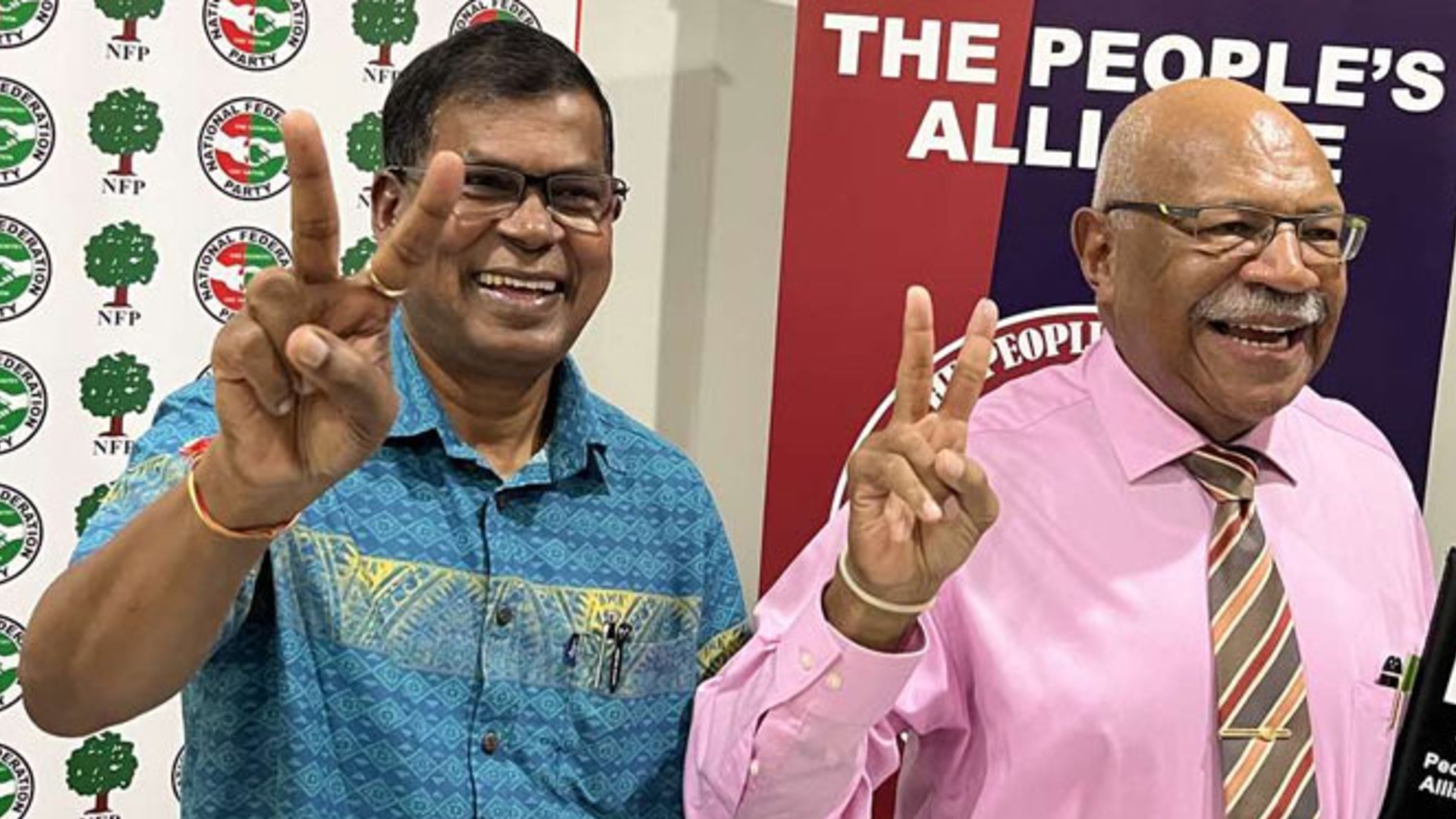 One of the coalition government partners, the National Federation Party has outrightly rejected Prime Minister, Sitiveni Rabuka’s attempt to fast-track the Constitution Amendment Bill by announcing that the Referendum on the Constitution will take place on 9th December without it firstly undergoing required parliamentary and constitutional process.
NFP Leader, Professor Biman Prasad says the draft Constitution belongs to the people, it does not belong to the politicians, the politicians should not try to force it on us, and the Prime Minister must reconsider his position and respect the people.
Professor Prasad says the Prime Minister’s announcement is inconsistent with Section 160(3) of the 2013 Constitution that is clear on the National Referendum process.
Professor Prasad says this is not how to formulate a genuine, meaningful and fair Constitution for all our people. He says it is clear that the Prime Minister is pre-empting the outcome even before the bipartisan special parliamentary committee unanimously agreed to by parliament last week has met and started scrutiny and consultation with the people on the draft constitution.
Professor Prasad says the NFP agreed to vote for the Constitution Bill at its second reading last week because they want the people to participate in the constitution making process.
He says they should discuss it and agree on the changes it needs but they do not agree to this fast-tracking.
The NFP Leader says they must first go back to the people to ask them what they think, all our citizens must understand what the draft Constitution says and what it means for them, and we could never do this in 30 days.
He says if this process must be finished after the next election, so be it.
Professor Prasad says the Prime Minister is now trying to rush the process by announcing a referendum on 9th December and this is not his decision as under the law only the President can do that, and only after the Bill has been passed by Parliament.
He says NFP, along with People's Alliance and SODELPA, rejected the 2013 Constitution because it was a rushed document, imposed by force by Voreqe Bainimarama and Aiyaz Sayed-Khaiyum.
Professor Prasad says they cannot make the same mistakes.
He stresses the current draft Constitution must be considered in Committee and it will take longer than 30 days for public consultations.
We have sent questions to Prime Minister, Sitiveni Rabuka. He is yet to respond.
Students Associations raise concern on child chastisement provision in the Constitution BillBy Vanshika Rao 06/10/2026 UniFiji Students Association President Rodney Vakaloloma and USPSA representatives
Student Association representatives from the University of the South Pacific and the University of Fiji have raised concerns over the proposed Constitutional Amendment Bill that has a section on moderate chastisement of children for the purposes of correction.
They say while parents and teachers have a responsibility to guide children and maintain discipline, any form of physical punishment must be carefully considered because of its possible effects on children's confidence, learning and well-being.
University of the South Pacific Students Association President Adi Cama says the proposed amendment needs to be considered carefully, particularly the meaning and application of the term “moderate chastisement”.
Cama says parents and teachers have a responsibility to guide and correct children, but discipline should respect the dignity, safety and wellbeing of the child.
USPSA says if the amendment becomes law, there should be clear definitions, safeguards and proper guidance for parents and teachers.
The University of Fiji Students Association President Rodney Vakaloloma also says he does not support physical violence against children as a form of correction or discipline.
Vakaloloma says the student perspective should also be considered through documents such as the Law 205 Constitution and the Constitution draft prepared by students.
He has advised people to refer to the student Constitution draft, which raises and reflects the views of students on constitutional matters.
Meanwhile a medical student who wishes to remain anonymous says that he does not support physical punishment, saying there are other measures that can be used to maintain discipline among children.
The student also raised concerns about the possible impact of physical punishment on students' schoolwork, confidence and participation in the classroom.
He says children could become afraid to ask questions or speak openly in the classroom if they fear being physically punished.
The students associations' representatives say the views of students and young people should be considered as discussions continue on the proposed constitution amendments.
Student Association representatives from the University of the South Pacific and the University of Fiji have raised concerns over the proposed Constitutional Amendment Bill that has a section on moderate chastisement of children for the purposes of correction.
They say while parents and teachers have a responsibility to guide children and maintain discipline, any form of physical punishment must be carefully considered because of its possible effects on children's confidence, learning and well-being.
University of the South Pacific Students Association President Adi Cama says the proposed amendment needs to be considered carefully, particularly the meaning and application of the term “moderate chastisement”.
Cama says parents and teachers have a responsibility to guide and correct children, but discipline should respect the dignity, safety and wellbeing of the child.
USPSA says if the amendment becomes law, there should be clear definitions, safeguards and proper guidance for parents and teachers.
The University of Fiji Students Association President Rodney Vakaloloma also says he does not support physical violence against children as a form of correction or discipline.
Vakaloloma says the student perspective should also be considered through documents such as the Law 205 Constitution and the Constitution draft prepared by students.
He has advised people to refer to the student Constitution draft, which raises and reflects the views of students on constitutional matters.
Meanwhile a medical student who wishes to remain anonymous says that he does not support physical punishment, saying there are other measures that can be used to maintain discipline among children.
The student also raised concerns about the possible impact of physical punishment on students' schoolwork, confidence and participation in the classroom.
He says children could become afraid to ask questions or speak openly in the classroom if they fear being physically punished.
The students associations' representatives say the views of students and young people should be considered as discussions continue on the proposed constitution amendments.
SODELPA questions legal basis of PM’s 9th Dec referendum date announcementBy Mansi Chand 07/10/2026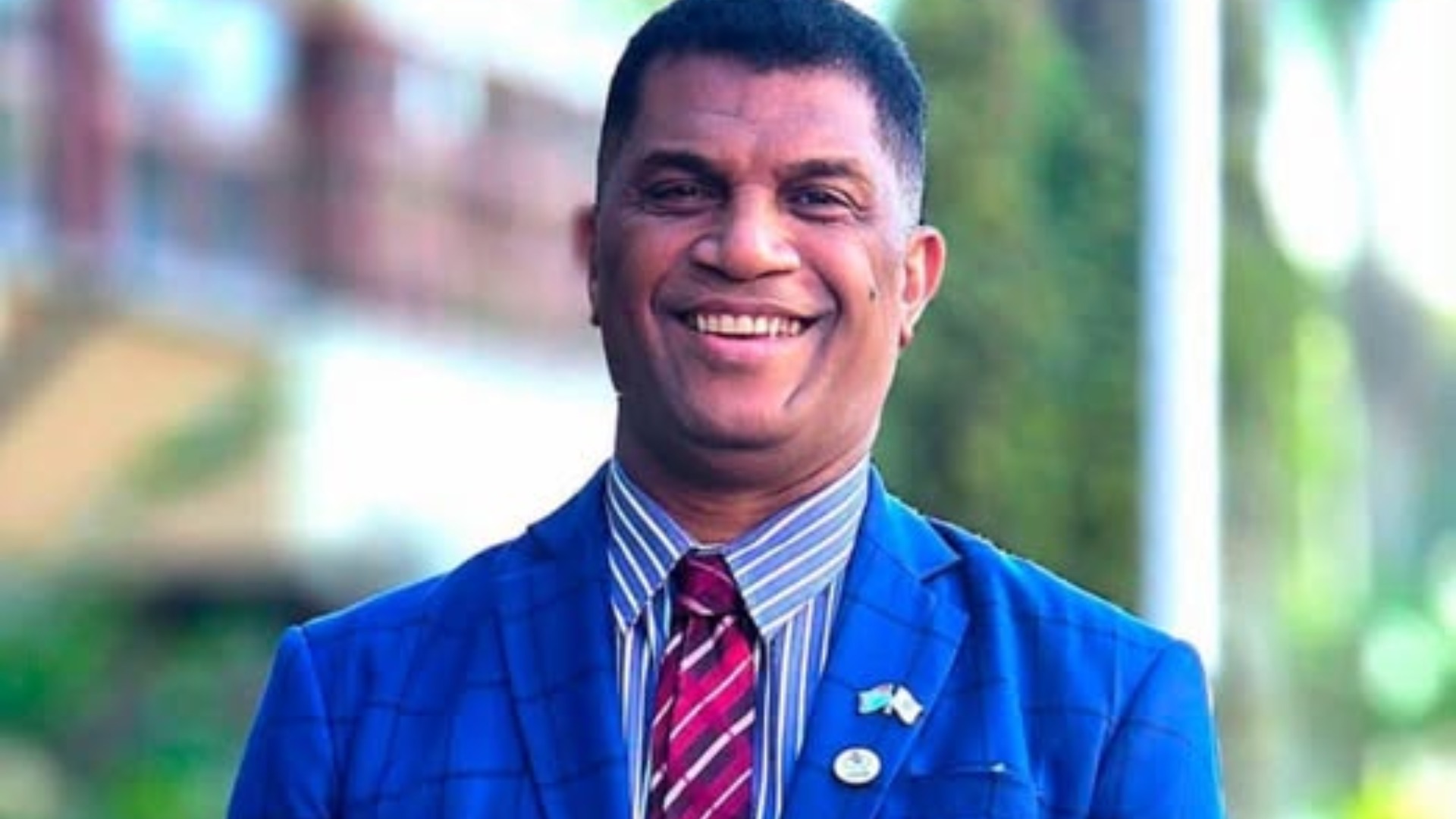 The Social Democratic Liberal Party is calling on Prime Minister Sitiveni Rabuka and his Government to immediately respect constitutional boundaries and statutory dueness regarding the national referendum process.SODELPA Leader Aseri Radrodro raised strong concerns over the Prime Minister’s declaration fixing 9th December 2026 as the national referendum date, warning that the Executive branch is attempting to prempt parliamentary processes, compromise constitutional roles and bypass independent institutions.Radrodro says the rule of law and constitutional order in Fiji cannot be subordinated to executive convenience or political scheduling.He says national referendum is a grave constitutional mechanism governed strictly by law, not an executive prerogative to be announced at a press conference before statutory and parliamentary prerequisites are complete.SODELPA is formally submitting crucial legal questions to Acting Attorney-General Siromi Turaga demanding clear public clarification on the legal validity of the Prime Minister’s announcement.They ask what is the precise statutory or constitutional provision that empowers the Prime Minister to fix or declare the date of a national referendum.They also ask if no such provision exists, is the 9th December date merely a political proposal rather than a legally binding polling day.SODELPA also asks under Section 10 of the National Referendum Act 2026, does the statutory authority to appoint the "day of polling" belong strictly to the President via the issuance of a referendum writ.The party asks how can the Prime Minister legally declare a fixed date before the President’s writ is issued.They ask under Section 160 of the Constitution of the Republic of Fiji, has the Constitution Amendment Bill fully satisfied all parliamentary requirements prior to referral.The also ask on what legal basis can a fixed referendum date be announced when the Constitution Amendment Bill has not yet completed all constitutionally prescribed stages in Parliament.SODELPA further asks if the Government is inappropriately anticipating parliamentary outcomes, does the Attorney-General consider the Prime Minister’s 9th December announcement legally binding on the President and the Electoral Commission, or is it merely an executive timetable, how can a 30-day statutory timeline calculated from the writ's issuance be locked into 9th December before the writ itself is actually issued, can the Attorney-General confirm that the President remains constitutionally free and unbound to appoint a different polling day when issuing the writ, regardless of the Prime Minister’s public statements, can the Executive direct the Electoral Commission to conduct the vote on 9th December, or is the Commission bound exclusively to act under the Presidential writ and its statutory independence.
We have sent questions to the Acting Attorney General, Siromi Turaga.
The SODELPA Leader is stressing that no one is above the law and all parliamentarians must make decisions that prioritize the people of this country who put them in parliament and at no stage must their rights and lives be compromised.
Rabuka maintains referendum process is within the lawBy Rashika Kumar 07/10/2026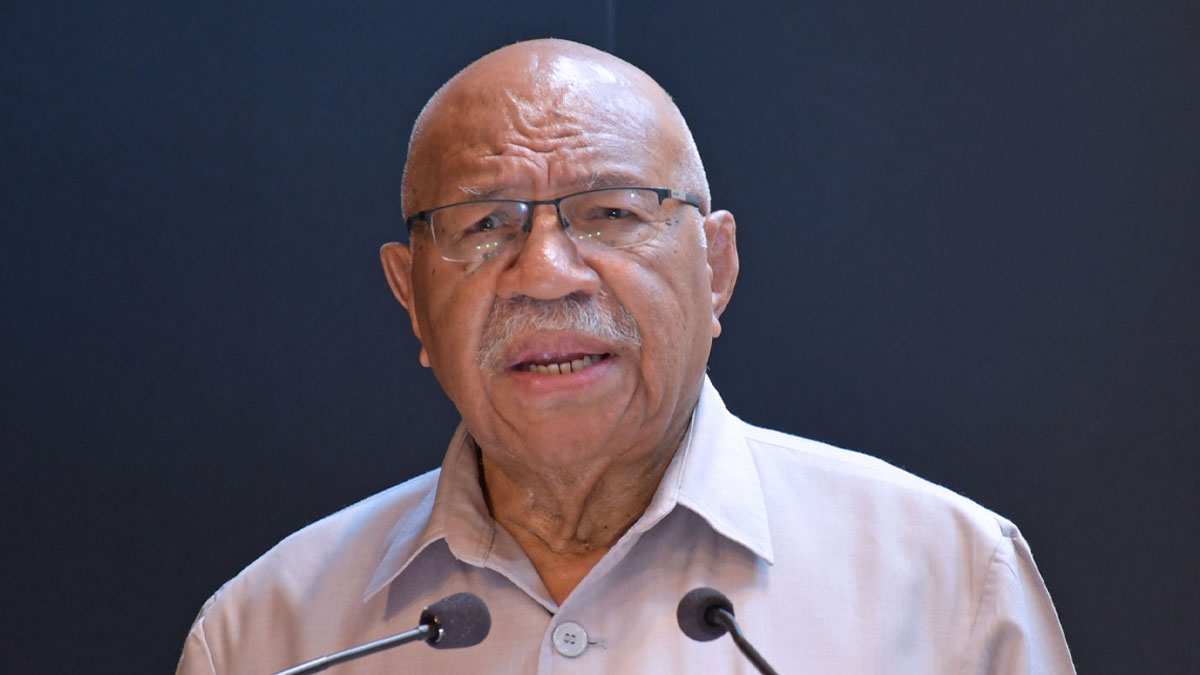 Prime Minister Sitiveni Rabuka has maintained that in making the announcement on the dates for the referendum, he only announced the date for the issuance of the Writ for the referendum, the polling date, and the date by which the results must be returned.
He stresses he did not make any announcement regarding the commencement of the referendum campaign period.
Rabuka says the Government has clearly communicated its intentions to all relevant stakeholders, including the Parliamentary Standing Committee on Justice, Law and Human Rights, the Fijian Elections Office, the Electoral Commission, and the Office of the Solicitor-General.
He says because this is Fiji's first referendum, they are navigating uncharted waters; however, they are strictly operating within the provisions of the electoral and referendum legislation.
While responding to claims that the Prime Minister was ill-advised on the legal or constitutional requirements surrounding the announcement, Rabuka stresses he has not been ill-advised, adding they are very clear on the legal processes and the necessary steps they must take.
While responding to the National Federation Party and SODELPA’s response to the announcement, and whether this will affect the future of the Coalition Government, Rabuka maintains that the Coalition Government remains completely intact.
He says the appointed select committee will receive all submissions, and together, they will deliberate on them.
The Prime Minister says in a healthy democracy, there is room to agree to disagree, but they will ultimately move forward with the business of implementing the necessary changes for our people, strictly within the confines of the law.
He is assuring all Fijians that the Government has always abided by the Constitution and the rule of law, and will continue to do so.
Rabuka says while the Government can make recommendations to the Electoral Commission, the ultimate decision rests with them, and the Government will fully respect their independence.
He further says one of the practical reasons for announcing the proposed referendum date early is tied to voter access.
Rabuka says Section 68 of the Electoral Act provides that postal voting applications open upon the announcement of the election date.
He adds Section 6(1) of the National Referendum Act 2026 allows the postal voting provisions from the Electoral Act to apply to referendums.
He says therefore, announcing the date now ensures that voters have ample time to decide which electoral process they will use.
Rabuka adds if voters are aware that they will not be near their polling station on voting day, or if they have any other lawful reason for absence, this early announcement allows them to apply and register as postal voters immediately.
Concerns raised after inciteful comments and swear words used by FTA General Secretary in a recent facebook postVosarogo says there is no place for this kind of outbursts
By Vijay Narayan, Mikaele Liga 07/10/2026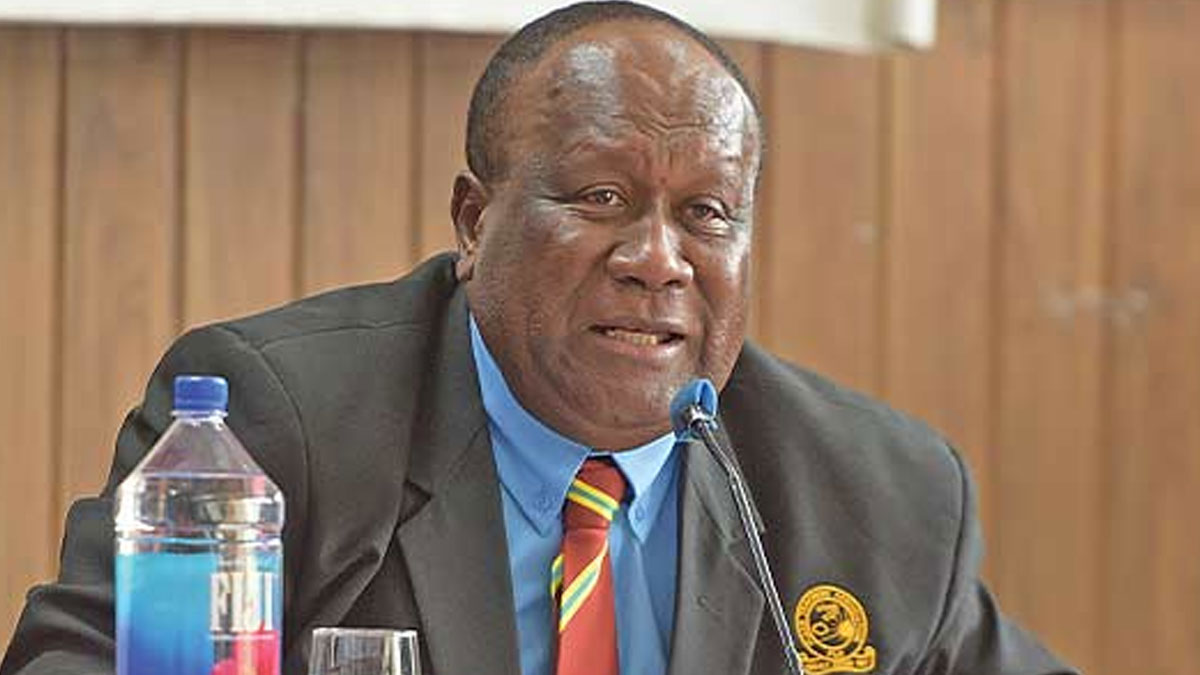 Serious concerns are being raised after inciteful and discriminatory comments and swear words used in a recent facebook post by the General Secretary of the Fijian Teachers Association, Paula Manumanunitoga.While telling people not to discredit the chiefs of the country, Manumanunitoga asks didn't anyone tell you how and why you are here in this country instead of your original country.He says you and your kind are here because of the decision our chiefs made to cede Fiji to Queen Victoria of Great Britain in October 1874.
Manumanunitoga goes on to use swear words and tells people to just mind their own business before "we catch you and roast you in earth ovens."
People have reached out to us saying this is unbecoming of a General Secretary of a teachers organisation, and are calling on authorities to take action.
They say the inciteful and discriminatory comments, and the swear words are unacceptable.
Some say it is also worse coming from the same person calling for corporal punishment to be reintroduced to correct our children.
When contacted by fijivillage News, Manumanunitoga defended his comments saying his message was directed at a few who he accused of swearing at the chiefs.He says he is proud to be an iTaukei and that he did not like seeing people swear at or disrespect the chiefs of the country.We have sought comments from Prime Minister Sitiveni Rabuka, Minister for Education Aseri Radrodro, Great Council of Chiefs Chairman Ratu Viliame Seruvakula, the Fiji Human Rights and Anti Discrimination Commission, the Police, the Online Safety Commission, and Minister for Lands Filimoni Vosarogo.
Vosarogo says he knows Manumanunitoga from common acquaintances and he knows him to be passionate about indigenous issues. Vosarogo stresses that there is however, no place for the kind of outbursts he has recently done. He is urging social media commentators to exercise extreme caution when approaching sensitive issues that are part of the Constitutional Amendment Bill so that those issues are not used to divide us and cause societal fracture. Vosarogo says there has to be a certain level of maturity exercised by people holding public office when involved in public discourse. The Lands Minister stresses that decorum is not optional.We are still waiting for others to respond.
Manumanunitoga goes on to use swear words and tells people to just mind their own business before "we catch you and roast you in earth ovens."
People have reached out to us saying this is unbecoming of a General Secretary of a teachers organisation, and are calling on authorities to take action.
They say the inciteful and discriminatory comments, and the swear words are unacceptable.
Some say it is also worse coming from the same person calling for corporal punishment to be reintroduced to correct our children.
When contacted by fijivillage News, Manumanunitoga defended his comments saying his message was directed at a few who he accused of swearing at the chiefs.He says he is proud to be an iTaukei and that he did not like seeing people swear at or disrespect the chiefs of the country.We have sought comments from Prime Minister Sitiveni Rabuka, Minister for Education Aseri Radrodro, Great Council of Chiefs Chairman Ratu Viliame Seruvakula, the Fiji Human Rights and Anti Discrimination Commission, the Police, the Online Safety Commission, and Minister for Lands Filimoni Vosarogo.
Vosarogo says he knows Manumanunitoga from common acquaintances and he knows him to be passionate about indigenous issues. Vosarogo stresses that there is however, no place for the kind of outbursts he has recently done. He is urging social media commentators to exercise extreme caution when approaching sensitive issues that are part of the Constitutional Amendment Bill so that those issues are not used to divide us and cause societal fracture. Vosarogo says there has to be a certain level of maturity exercised by people holding public office when involved in public discourse. The Lands Minister stresses that decorum is not optional.We are still waiting for others to respond.
Ketan Lal challenges Constitutional Amendment Bill in High CourtBy Temalesi Vono 09/10/2026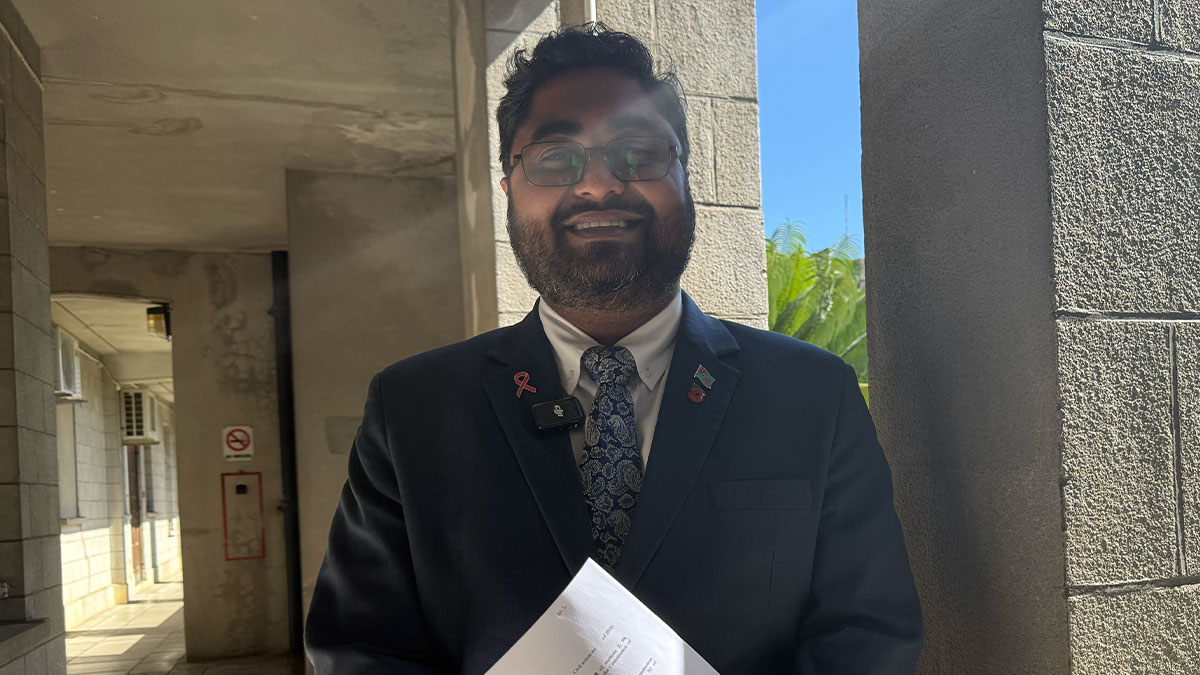
Independent Member of Parliament Ketan Lal has filed proceedings in the High Court against the Speaker of Parliament, the Acting Attorney-General and the Electoral Commission over the Constitutional Amendment Bill.
He will be represented by lawyer Mohammed Saneem.
Speaking to the media at the High Court Registry this afternoon, Lal says he is concerned about the state of democracy in Fiji and stressed the importance of upholding the rule of law.
In his court application, Lal is seeking declarations on the voting threshold required to amend the 2013 Constitution, arguing that at least three-quarters of Members of Parliament must support the changes.
He is also challenging the Speaker's decision to allow a two-thirds majority as the required threshold, with 53 MPs identified as the number needed to support the Bill.
Lal is seeking an alternative declaration that, if a two-thirds majority is applied, the required support should be calculated using all 55 MPs rather than 53.
He is also arguing that the second reading of the Bill was not preceded by a full opportunity for debate.
Lal is seeking a declaration that the Bill cannot lawfully proceed to a third reading and that any third reading would have no legal effect.
He is further seeking a declaration that the Speaker cannot lawfully notify the President about the Bill and that a referendum on the Constitution Bill cannot lawfully be conducted.
The application also seeks orders restraining the Speaker from putting the questions on the third reading and the Electoral Commission from conducting a referendum on the Constitution Bill until the court determines the Summons.
Lal says young people and citizens have the right to know what is happening in the country and stresses that the Constitution remains as the supreme law of Fiji.
He says its provisions must be respected and that the voices of all Fijians, particularly young people, must be heard.
Independent Member of Parliament Ketan Lal has filed proceedings in the High Court against the Speaker of Parliament, the Acting Attorney-General and the Electoral Commission over the Constitutional Amendment Bill.
He will be represented by lawyer Mohammed Saneem.
Speaking to the media at the High Court Registry this afternoon, Lal says he is concerned about the state of democracy in Fiji and stressed the importance of upholding the rule of law.
In his court application, Lal is seeking declarations on the voting threshold required to amend the 2013 Constitution, arguing that at least three-quarters of Members of Parliament must support the changes.
He is also challenging the Speaker's decision to allow a two-thirds majority as the required threshold, with 53 MPs identified as the number needed to support the Bill.
Lal is seeking an alternative declaration that, if a two-thirds majority is applied, the required support should be calculated using all 55 MPs rather than 53.
He is also arguing that the second reading of the Bill was not preceded by a full opportunity for debate.
Lal is seeking a declaration that the Bill cannot lawfully proceed to a third reading and that any third reading would have no legal effect.
He is further seeking a declaration that the Speaker cannot lawfully notify the President about the Bill and that a referendum on the Constitution Bill cannot lawfully be conducted.
The application also seeks orders restraining the Speaker from putting the questions on the third reading and the Electoral Commission from conducting a referendum on the Constitution Bill until the court determines the Summons.
Lal says young people and citizens have the right to know what is happening in the country and stresses that the Constitution remains as the supreme law of Fiji.
He says its provisions must be respected and that the voices of all Fijians, particularly young people, must be heard.
Parliament could sit until Christmas Eve to complete Constitution Bill process - RabukaBy Antornette Vuniuca 12/10/2026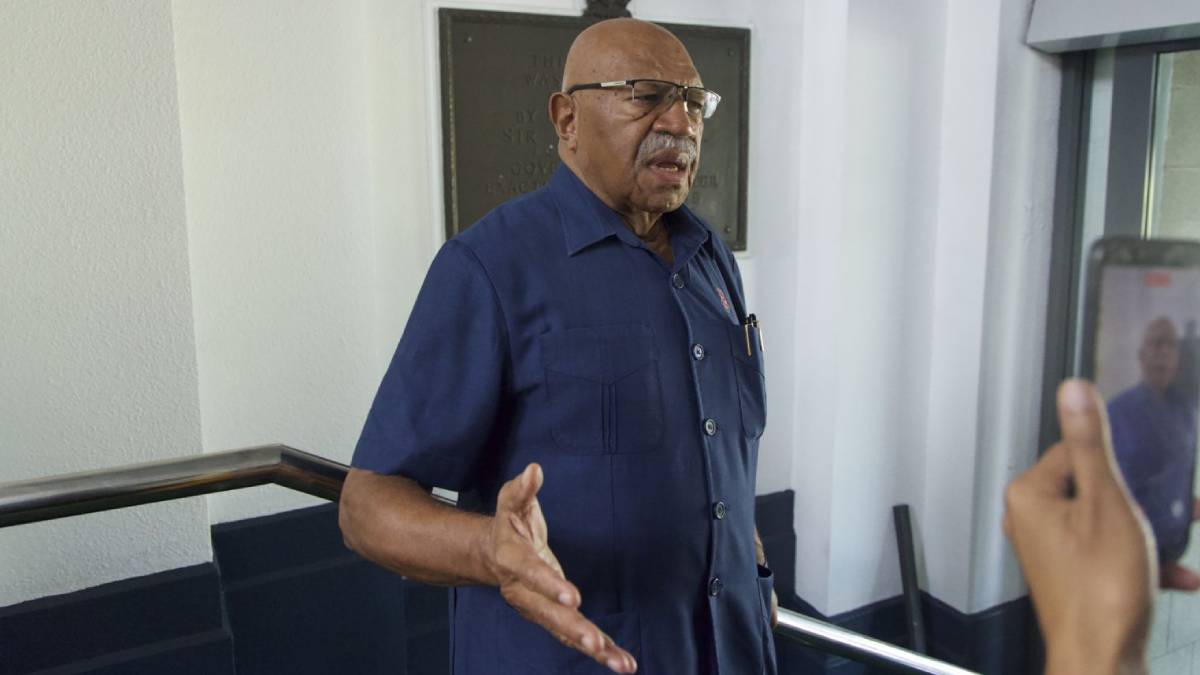 Parliament could continue sitting until December 24th this year to allow more time for discussions and the final stages of the Constitution Amendment Bill, which will determine the future of Fiji's Constitution.
Prime Minister Sitiveni Rabuka highlighted this after the Joint Parliamentary Select Committee on Constitution Review met at Parliament today.
Rabuka says Parliament was originally expected to hold its final sitting in the first week of November, but this could now be extended.
He says Parliament may return in the first week of November to seek additional sitting days, with further sittings possibly held in the second or third week of the month.
Insert: PM on the Constitution Ammendment Bill. 12th October,26
The Prime Minister says the previous parliamentary sitting allowed 30 days for the process, but the past week was spent dealing with other matters.
He says today's committee meeting was the first opportunity to finalise the agenda and programme for the week.
When asked whether other political parties had raised concerns during the meeting, Rabuka says no further concerns were raised about the main issues in the proposed constitutional changes.
He also says Cabinet has agreed with the Special Committee on the Constitution.
The Constitution Amendment Bill has already passed its second reading and will need another vote in Parliament before it can proceed to a national referendum.
Prime Minister Sitiveni Rabuka highlighted this after the Joint Parliamentary Select Committee on Constitution Review met at Parliament today.
Rabuka says Parliament was originally expected to hold its final sitting in the first week of November, but this could now be extended.
He says Parliament may return in the first week of November to seek additional sitting days, with further sittings possibly held in the second or third week of the month.
Insert: PM on the Constitution Ammendment Bill. 12th October,26
The Prime Minister says the previous parliamentary sitting allowed 30 days for the process, but the past week was spent dealing with other matters.
He says today's committee meeting was the first opportunity to finalise the agenda and programme for the week.
When asked whether other political parties had raised concerns during the meeting, Rabuka says no further concerns were raised about the main issues in the proposed constitutional changes.
He also says Cabinet has agreed with the Special Committee on the Constitution.
The Constitution Amendment Bill has already passed its second reading and will need another vote in Parliament before it can proceed to a national referendum.
SODELPA continues election preparations regardless of Constitution Amendment Bill outcomeBy Mansi Chand 13/10/2026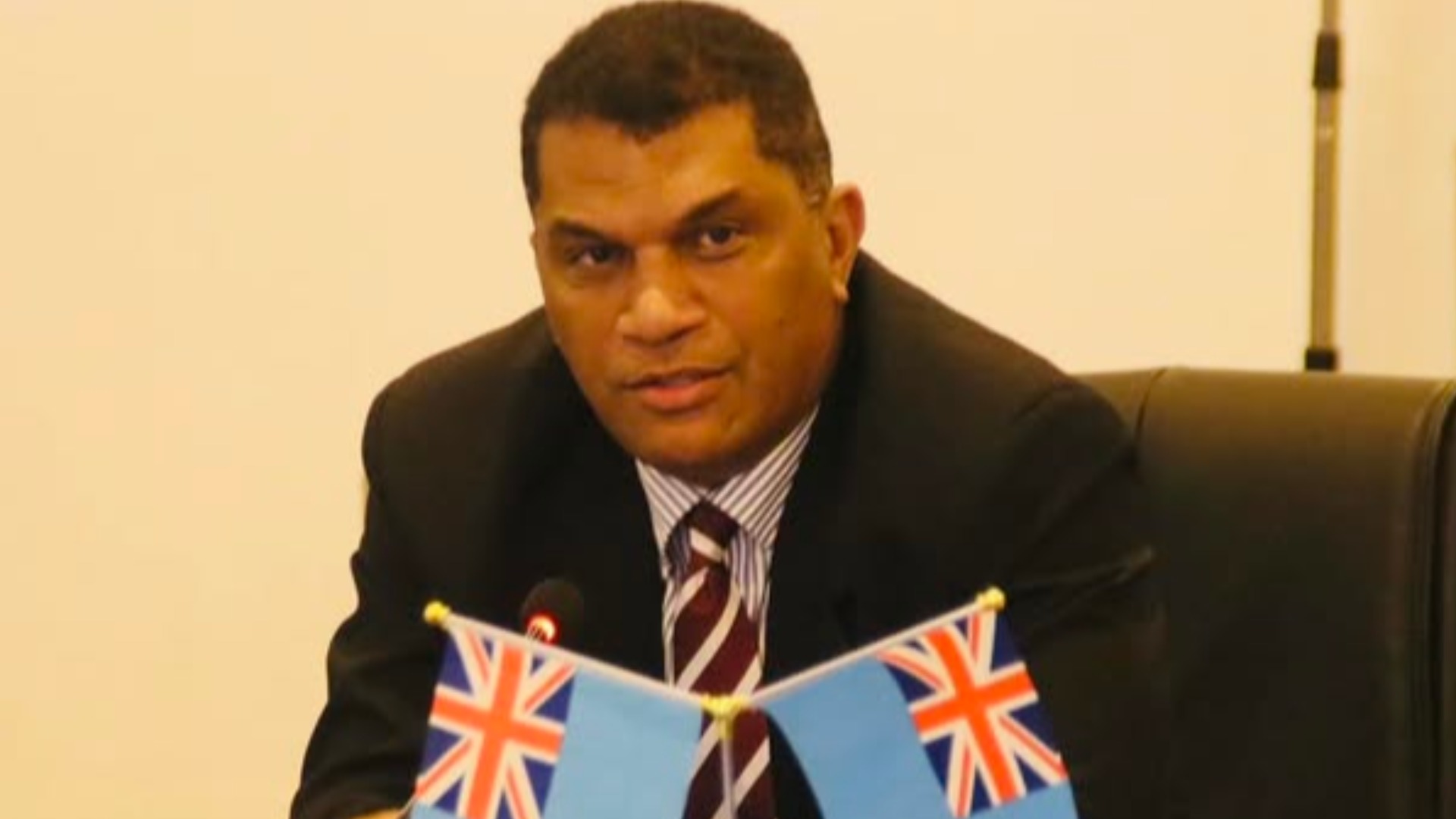 The Social Democratic Liberal Party (SODELPA) says it will continue preparations to contest the next General Election regardless of whether the Constitution Amendment Bill 2026 is passed by Parliament.
SODELPA Leader Aseri Radrodro says the party respects Parliament's constitutional responsibilities and the legislative process, but stresses that the proposed constitutional changes should not create unnecessary uncertainty over the election timetable.
Radrodro says the party's readiness to contest the next election is not dependent on the outcome of the Bill.
He says with December 24th, 2026 identified as a critical date in the current electoral timetable, there must be clarity on the constitutional requirements, the issuing of the election writ and arrangements for the next General Election.
The party says the legal implications of this date must be determined in accordance with the Constitution and electoral laws.
Radrodro says SODELPA will respect Parliament's decision on the Bill while continuing to prepare its provisional candidates, strengthen its grassroots structures and engage with communities.
He says that constitutional reform must be considered transparently, with proper parliamentary scrutiny and respect for democratic processes.
SODELPA is also calling on the relevant authorities to clearly communicate the next steps following Parliament's decision on the Bill.
The party says its priorities include protecting indigenous rights and interests, improving public services, creating economic opportunities and addressing the rising cost of living.
Radrodro is urging party members, provisional candidates and supporters to remain united, disciplined and focused as preparations continue for the next General Election.
NFP calls for removal of Christianity as a founding constitutional value and preservation of national common identityParty wants removal of moderate chastisement of children and complete removal of constitutional immunity provisions
By Mansi Chand 14/10/2026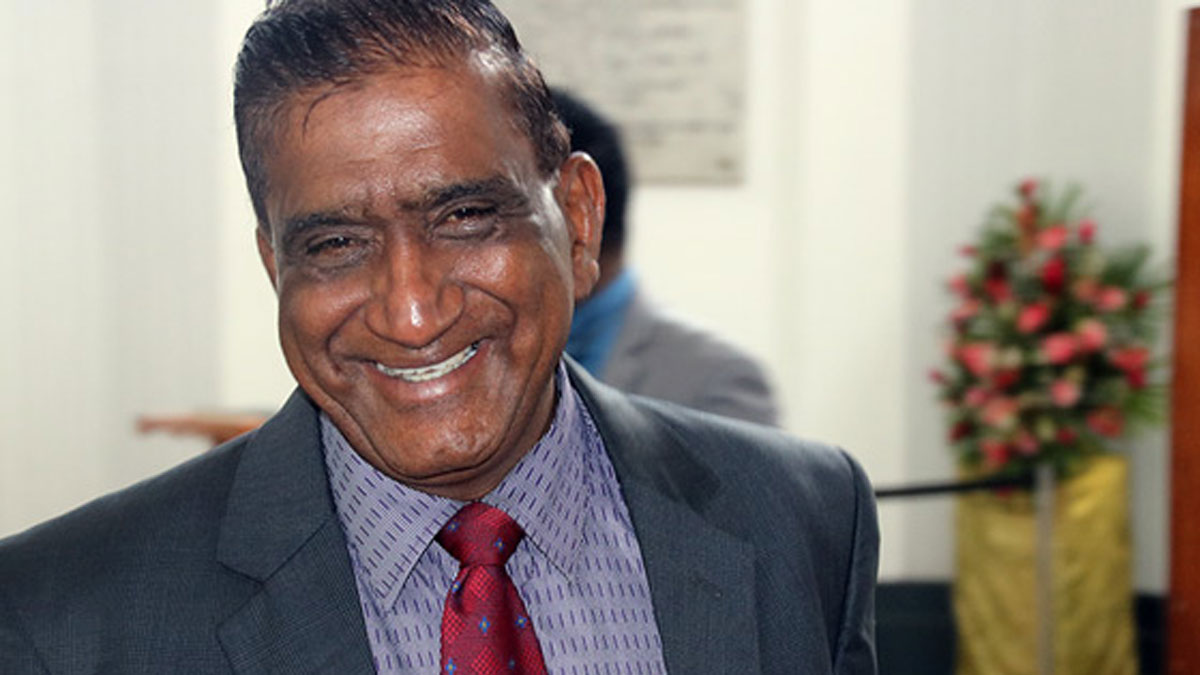
The National Federation Party wants the removal of Christianity as a founding constitutional value of the State in Clause 1 of the Constitution Amendment Bill, while permitting appropriate historical recognition of Christianity and other faiths in the Preamble.
The Party’s Management Board during its special meeting today discussed the Constitution Amendment Bill, identifying its shortcomings and proposed changes that the Party believes are necessary.
NFP President, Parmod Chand says the party wants preservation of the common national identity of all citizens as Fijians, with equal political rights and constitutional protection for the identities, cultures and traditions of all communities.
They want absolute protection of iTaukei, Rotuman, Banaban and freehold land ownership, together with enforceable security of tenure for agricultural and residential tenants, including sublessees.
NFP wants a 56-member House elected through Mixed Member Proportional Representation, comprising 28 constituency members and 28 proportional representation members, with separate constituency and party votes.
They also want genuine representative Senate reflecting Fiji's diverse communities, without a majority of seats being controlled by the Bose Levu Vakaturaga.
NFP stressed removal of the provision permitting the lawful and moderate chastisement of children and complete removal of constitutional immunity provisions protecting those responsible for unconstitutional political upheavals and related conduct.
They want the removal of constitutional restrictions preventing citizens from seeking judicial remedies for unlawful or arbitrary actions of the State, depoliticisation of the Constitutional Offices Commission and the appointment of independent constitutional officeholders, enforceable constitutional provisions establishing the Ombudsman and requiring legislation on the Code of Conduct, accountability, transparency and freedom of information.
NFP wants strengthening of the Bill of Rights and removing excessive restrictions on freedom of expression, association, assembly, political participation and equality before the law, removal of any discretionary power of the President to determine when the Constitution comes into force, unambiguous constitutional subordination of the Republic of Fiji Military Forces to elected civilian authority, with no independent military mandate to intervene in government.
NFP wants an independent Constituency Boundaries Commission, fair electoral laws, transparent electoral administration and protection against political manipulation of elections, abolition of FICAC in its present form and the establishment of independent, accountable and effective arrangements for investigating and prosecuting corruption.
They want stronger constitutional safeguards against environmental degradation, protection of natural resources and provision for animal welfare, a fair, democratic and accessible constitutional amendment process, without permanent immunity provisions or disproportionate veto powers vested in any single institution and adequate time for public consultation, translation of the proposed Constitution into the vernacular languages, independent scrutiny and comprehensive parliamentary deliberation before its final passage.
The Party says these are principles upon which the NFP has stood for more than six decades.
NFP says it's support for the Constitution Amendment Bill and continued participation in the Special Parliamentary Committee on the Constitution is conditional and dependent on the extension of the timeline for public consultation until mid-December.
They say it will also depend on changes that the Party has identified and the principles that the NFP wants in the Constitution Amendment Bill are significantly important.
NFP is represented in Parliament’s Special Committee to review the Constitution Bill by its leader, Professor Biman Prasad.
NFP's President says the Government’s current timetable is for the Constitution Amendment Bill to return to Parliament in the first week of November and the Party is seriously concerned that of the 19 days, consultation is only for 13 days, 2 days is for Report writing and one day is to finalise the Report.
The Prime Minister indicated on Monday that he is prepared to look at a longer consultation and deliberation process, perhaps up to the end of the Parliament in late December.
Chand says NFP has consistently called for the replacement of the undemocratic 2013 Constitution, but replacing one Constitution with another cannot become another exercise in imposing constitutional arrangements upon the people without their informed consent.
He says Constitution's legitimacy must come from the people, not the political convenience of those in power.
The National Federation Party wants the removal of Christianity as a founding constitutional value of the State in Clause 1 of the Constitution Amendment Bill, while permitting appropriate historical recognition of Christianity and other faiths in the Preamble.
The Party’s Management Board during its special meeting today discussed the Constitution Amendment Bill, identifying its shortcomings and proposed changes that the Party believes are necessary.
NFP President, Parmod Chand says the party wants preservation of the common national identity of all citizens as Fijians, with equal political rights and constitutional protection for the identities, cultures and traditions of all communities.
They want absolute protection of iTaukei, Rotuman, Banaban and freehold land ownership, together with enforceable security of tenure for agricultural and residential tenants, including sublessees.
NFP wants a 56-member House elected through Mixed Member Proportional Representation, comprising 28 constituency members and 28 proportional representation members, with separate constituency and party votes.
They also want genuine representative Senate reflecting Fiji's diverse communities, without a majority of seats being controlled by the Bose Levu Vakaturaga.
NFP stressed removal of the provision permitting the lawful and moderate chastisement of children and complete removal of constitutional immunity provisions protecting those responsible for unconstitutional political upheavals and related conduct.
They want the removal of constitutional restrictions preventing citizens from seeking judicial remedies for unlawful or arbitrary actions of the State, depoliticisation of the Constitutional Offices Commission and the appointment of independent constitutional officeholders, enforceable constitutional provisions establishing the Ombudsman and requiring legislation on the Code of Conduct, accountability, transparency and freedom of information.
NFP wants strengthening of the Bill of Rights and removing excessive restrictions on freedom of expression, association, assembly, political participation and equality before the law, removal of any discretionary power of the President to determine when the Constitution comes into force, unambiguous constitutional subordination of the Republic of Fiji Military Forces to elected civilian authority, with no independent military mandate to intervene in government.
NFP wants an independent Constituency Boundaries Commission, fair electoral laws, transparent electoral administration and protection against political manipulation of elections, abolition of FICAC in its present form and the establishment of independent, accountable and effective arrangements for investigating and prosecuting corruption.
They want stronger constitutional safeguards against environmental degradation, protection of natural resources and provision for animal welfare, a fair, democratic and accessible constitutional amendment process, without permanent immunity provisions or disproportionate veto powers vested in any single institution and adequate time for public consultation, translation of the proposed Constitution into the vernacular languages, independent scrutiny and comprehensive parliamentary deliberation before its final passage.
The Party says these are principles upon which the NFP has stood for more than six decades.
NFP says it's support for the Constitution Amendment Bill and continued participation in the Special Parliamentary Committee on the Constitution is conditional and dependent on the extension of the timeline for public consultation until mid-December.
They say it will also depend on changes that the Party has identified and the principles that the NFP wants in the Constitution Amendment Bill are significantly important.
NFP is represented in Parliament’s Special Committee to review the Constitution Bill by its leader, Professor Biman Prasad.
NFP's President says the Government’s current timetable is for the Constitution Amendment Bill to return to Parliament in the first week of November and the Party is seriously concerned that of the 19 days, consultation is only for 13 days, 2 days is for Report writing and one day is to finalise the Report.
The Prime Minister indicated on Monday that he is prepared to look at a longer consultation and deliberation process, perhaps up to the end of the Parliament in late December.
Chand says NFP has consistently called for the replacement of the undemocratic 2013 Constitution, but replacing one Constitution with another cannot become another exercise in imposing constitutional arrangements upon the people without their informed consent.
He says Constitution's legitimacy must come from the people, not the political convenience of those in power.
Methodist Church President calls for nightclubs to close at 11pm and proposes National Day of PrayerBy Pita Toganivalu 15/10/2026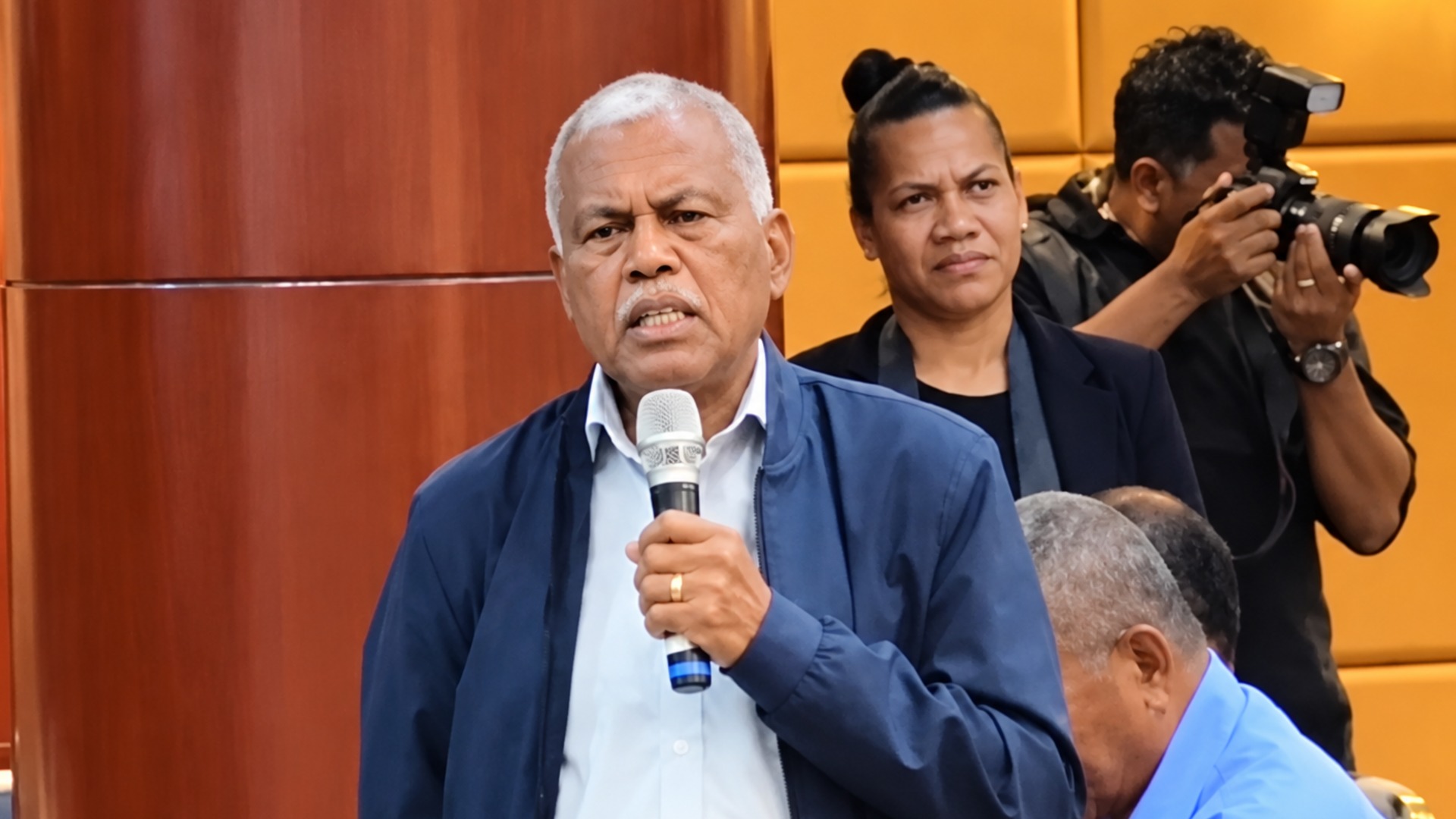
All nightclubs in Fiji should close at 11pm to allow parents to spend more time with their families, according to Methodist Church President Reverend Dr Semisi Turagavou, who is also calling for a National Day of Prayer for people of all faiths.
Reverend Dr Turagavou raised these issues during consultations on the Constitution Amendment Bill, saying there needs to be greater control over nightclub operating hours and more emphasis on family responsibilities.
He says nightclubs have previously remained open until 1am, raising concerns about parents going out at night and leaving their children at home until the following morning.
Turagavou says this is an issue the country needs to seriously consider, as both mothers and fathers should return home earlier and spend time with their families.
He is proposing that all nightclubs close at 11pm to allow parents to return home earlier and fulfil their responsibilities towards their children and families.
The Methodist Church President also believes Fiji should have a National Day of Prayer, when people of different faiths can pray for the country.
He says the proposal does not mean everyone must gather under one roof, as people can pray from their homes or wherever they are.
Turagavou says Christians, Muslims, Hindus and members of other religious groups should all be encouraged to take part in praying for the nation.
He believes that when people pray collectively, God will hear their prayers.
His proposals focus on the importance of faith, family responsibilities and encouraging parents to spend more time with their children.
All nightclubs in Fiji should close at 11pm to allow parents to spend more time with their families, according to Methodist Church President Reverend Dr Semisi Turagavou, who is also calling for a National Day of Prayer for people of all faiths.
Reverend Dr Turagavou raised these issues during consultations on the Constitution Amendment Bill, saying there needs to be greater control over nightclub operating hours and more emphasis on family responsibilities.
He says nightclubs have previously remained open until 1am, raising concerns about parents going out at night and leaving their children at home until the following morning.
Turagavou says this is an issue the country needs to seriously consider, as both mothers and fathers should return home earlier and spend time with their families.
He is proposing that all nightclubs close at 11pm to allow parents to return home earlier and fulfil their responsibilities towards their children and families.
The Methodist Church President also believes Fiji should have a National Day of Prayer, when people of different faiths can pray for the country.
He says the proposal does not mean everyone must gather under one roof, as people can pray from their homes or wherever they are.
Turagavou says Christians, Muslims, Hindus and members of other religious groups should all be encouraged to take part in praying for the nation.
He believes that when people pray collectively, God will hear their prayers.
His proposals focus on the importance of faith, family responsibilities and encouraging parents to spend more time with their children.
Takayawa describes use of Fijian as national identity under 2013 Constitution as technical genocideBy Pita Toganivalu 15/10/2026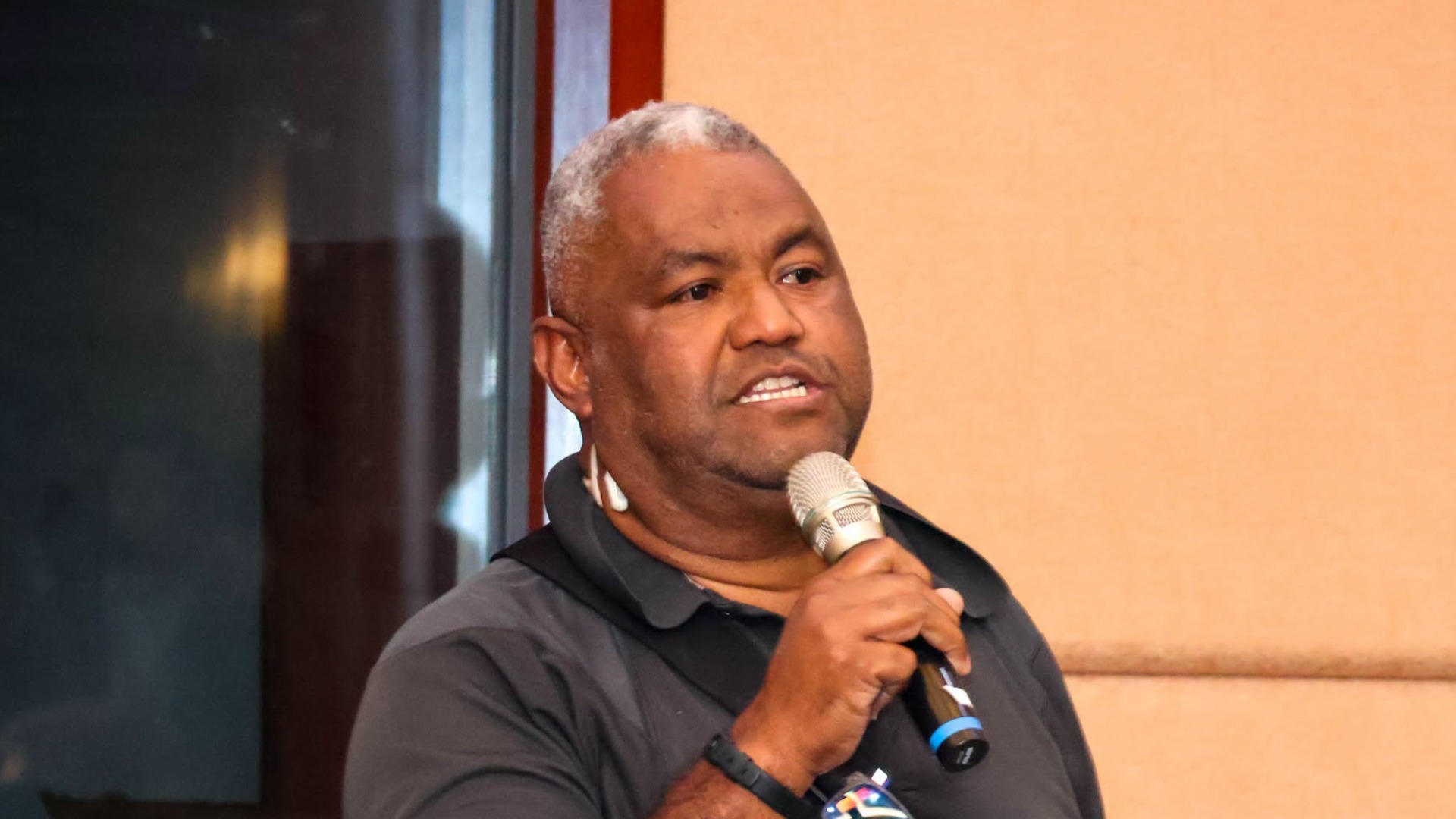 Image: Fiji Parliament
Former SODELPA General Secretary Viliame Takayawa describes the use of 'Fijian' as a national identity under the 2013 Constitution as 'technical genocide', saying it has taken away part of the indigenous people's history and identity.
Takayawa made the comments during public consultation on the Constitution Amendment Bill, where he raised concerns about the national identity introduced under the 2013 Constitution.
He says the term 'Fijian' was historically used to identify the indigenous people of Fiji and believes its use as a national identity has taken away something important from them.
Takayawa says removing the term from its previous use also means deleting part of the history and heritage of indigenous people and their ancestors.
He describes this as 'technical genocide', explaining that he believes genocide can involve not only the killing of people but also the removal of a group's history and identity.
Takayawa also refers to discussions held in 1997, saying the term Fiji Islander was proposed as a national identity that could be shared by all citizens.
He says he believes this would have been a democratic approach to national identity.
Takayawa maintains that indigenous identity should still be recognised, suggesting that an indigenous name could be retained alongside the national identity.
He also says people across the region share a Pacific Islander identity, while reiterating his support for the recognition of Fiji Islanders.
His submission focuses on the relationship between national identity, indigenous heritage and the recognition of the history of Fiji's people.
Former SODELPA General Secretary Viliame Takayawa describes the use of 'Fijian' as a national identity under the 2013 Constitution as 'technical genocide', saying it has taken away part of the indigenous people's history and identity.
Takayawa made the comments during public consultation on the Constitution Amendment Bill, where he raised concerns about the national identity introduced under the 2013 Constitution.
He says the term 'Fijian' was historically used to identify the indigenous people of Fiji and believes its use as a national identity has taken away something important from them.
Takayawa says removing the term from its previous use also means deleting part of the history and heritage of indigenous people and their ancestors.
He describes this as 'technical genocide', explaining that he believes genocide can involve not only the killing of people but also the removal of a group's history and identity.
Takayawa also refers to discussions held in 1997, saying the term Fiji Islander was proposed as a national identity that could be shared by all citizens.
He says he believes this would have been a democratic approach to national identity.
Takayawa maintains that indigenous identity should still be recognised, suggesting that an indigenous name could be retained alongside the national identity.
He also says people across the region share a Pacific Islander identity, while reiterating his support for the recognition of Fiji Islanders.
His submission focuses on the relationship between national identity, indigenous heritage and the recognition of the history of Fiji's people.
25-year-old says children are not bullocks to be beaten into obedienceBy Nilufa Buksh 15/10/2026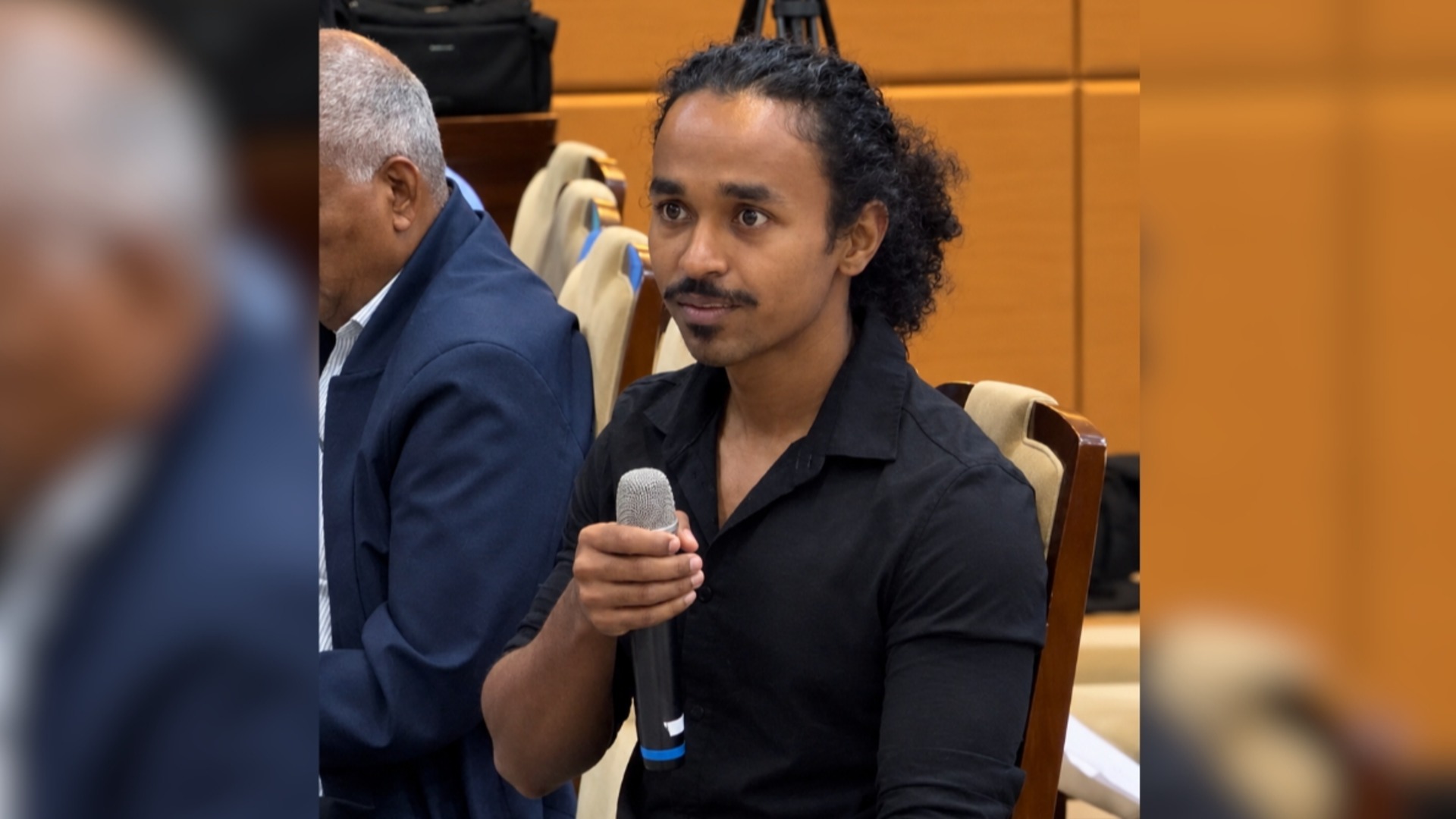
A 25-year-old youth Nitish Sharma says children are not bullocks and cannot be beaten into obedience, raising concerns about the chastisement of children during the consultation on the Constitution Amendment Bill in Suva.
Sharma, who is originally from Cuvu, Sigatoka, says although children may not always listen to their parents and teachers, physical punishment is not the solution.
He says issues such as drugs and HIV are concerning, but beating children will not necessarily change their behaviour.
Insert:Sharma on chastisement of children nb 15th Oct
He also raises concerns about several other proposed constitutional changes, including immunity provisions, saying it is time for the country to move forward, learn from the past and focus on preventing similar violations in the future.
Sharma questions the need for a Senate, arguing that Parliament should be strong enough to prevent unnecessary bills from being passed.
He also questions the process of repeatedly sending bills between the two chambers and says Senate members should be elected rather than appointed.
Sharma says Fiji is a diverse country and all communities should have an opportunity to be represented in Parliament.
On the selection of the President, he says Parliament should elect the Head of State rather than leaving the decision solely to a group of people.
He acknowledges the role of chiefs but questions whether they should be the only ones deciding who becomes President.
Sharma also calls for the current four-year parliamentary term to remain, rather than being extended to five years.
He says people should continue to have a say in future constitutional amendments through referendums, arguing that the Constitution belongs to the people and they should not be excluded from decisions about it.
On the electoral system, Sharma supports retaining the current single nationwide open-list system, saying it allows voters to choose candidates regardless of where they live.
He questions whether a constituency-based system could restrict voters to candidates from their own areas and raises concerns about how electoral boundaries and seats would be allocated, particularly for outer islands and other communities.
Sharma says the electoral system should ensure votes are fairly represented and that people have a genuine choice in who represents them.
A 25-year-old youth Nitish Sharma says children are not bullocks and cannot be beaten into obedience, raising concerns about the chastisement of children during the consultation on the Constitution Amendment Bill in Suva.
Sharma, who is originally from Cuvu, Sigatoka, says although children may not always listen to their parents and teachers, physical punishment is not the solution.
He says issues such as drugs and HIV are concerning, but beating children will not necessarily change their behaviour.
Insert:Sharma on chastisement of children nb 15th Oct
He also raises concerns about several other proposed constitutional changes, including immunity provisions, saying it is time for the country to move forward, learn from the past and focus on preventing similar violations in the future.
Sharma questions the need for a Senate, arguing that Parliament should be strong enough to prevent unnecessary bills from being passed.
He also questions the process of repeatedly sending bills between the two chambers and says Senate members should be elected rather than appointed.
Sharma says Fiji is a diverse country and all communities should have an opportunity to be represented in Parliament.
On the selection of the President, he says Parliament should elect the Head of State rather than leaving the decision solely to a group of people.
He acknowledges the role of chiefs but questions whether they should be the only ones deciding who becomes President.
Sharma also calls for the current four-year parliamentary term to remain, rather than being extended to five years.
He says people should continue to have a say in future constitutional amendments through referendums, arguing that the Constitution belongs to the people and they should not be excluded from decisions about it.
On the electoral system, Sharma supports retaining the current single nationwide open-list system, saying it allows voters to choose candidates regardless of where they live.
He questions whether a constituency-based system could restrict voters to candidates from their own areas and raises concerns about how electoral boundaries and seats would be allocated, particularly for outer islands and other communities.
Sharma says the electoral system should ensure votes are fairly represented and that people have a genuine choice in who represents them.
Tikaram questions immunity provisions and calls for protection of Indo-FijiansBy Nilufa Buksh 16/10/2026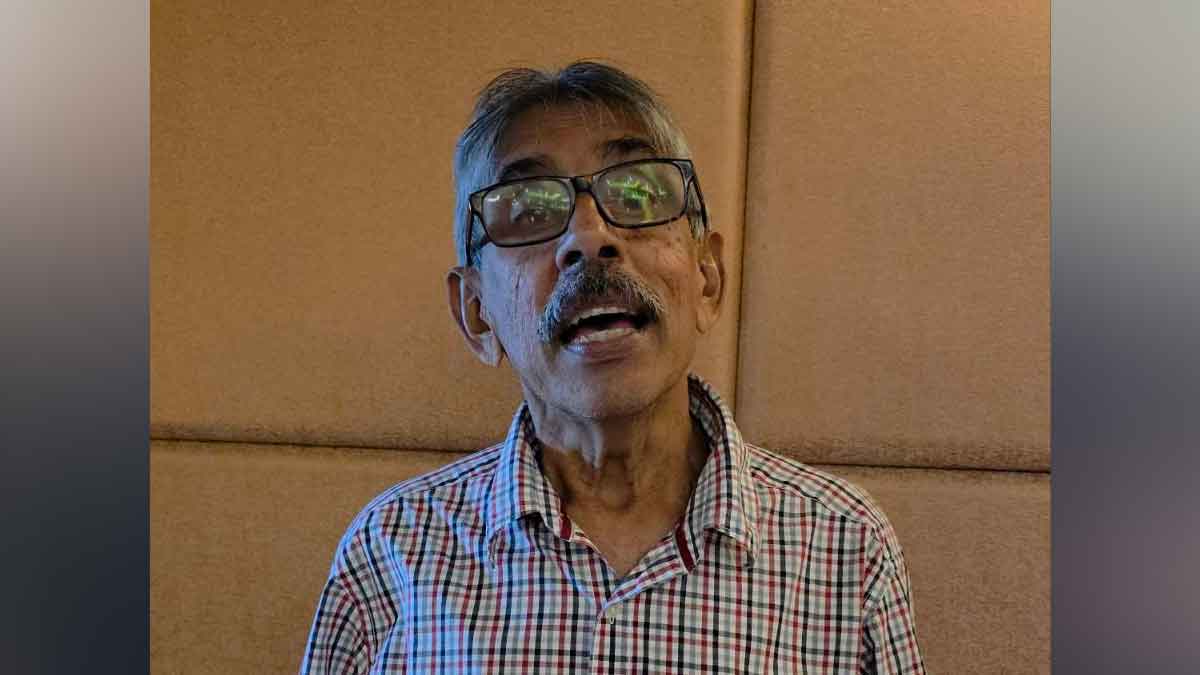
Lami resident Tarun Tikaram has questioned the immunity provisions in the proposed Constitution amendments, calling for accountability for wrongdoing and stronger protections for Fijians of Indian descent.
Speaking during the consultation on the Constitution Amendment Bill, Tikaram says if people are found to have done something wrong, they should be subject to litigation or prosecution rather than simply being told not to repeat their actions.
He questions the point of allowing immunity while expecting the country to move forward through reconciliation.
Tikaram also calls for more time to review the proposed Constitution Amendment bill, saying the Constitution is an important document that should not be rushed.
He says people must have the opportunity to understand the document, take ownership of it and uphold its provisions.
He also questioned the legal process for holding a referendum, asking whether the Prime Minister has the authority to call for one, set its date or direct the Electoral Commission to conduct it.
Tikaram urges the committee to carefully examine the relevant laws to avoid potential legal challenges, while asking members to verify whether his interpretation of the process was correct.
He further calls for stronger protections for people born in Fiji, saying he wants everyone to have a sense of belonging and feel that their identity as Fijians is respected.
Insert:Â Tikaram on Go back to India 16th Oct
Tikaram says he believes iTaukei land and interests are protected through existing laws and institutions,and called for greater consideration of protections for Fijians of Indian Decent.
Prime Minisiter and Joint Parliamentary Select Committee Chair Sitiveni Rabuka says written submissions will be summarised and considered as it reviews the proposed amendments, with some provisions potentially amended depending on the feedback received.
Lami resident Tarun Tikaram has questioned the immunity provisions in the proposed Constitution amendments, calling for accountability for wrongdoing and stronger protections for Fijians of Indian descent.
Speaking during the consultation on the Constitution Amendment Bill, Tikaram says if people are found to have done something wrong, they should be subject to litigation or prosecution rather than simply being told not to repeat their actions.
He questions the point of allowing immunity while expecting the country to move forward through reconciliation.
Tikaram also calls for more time to review the proposed Constitution Amendment bill, saying the Constitution is an important document that should not be rushed.
He says people must have the opportunity to understand the document, take ownership of it and uphold its provisions.
He also questioned the legal process for holding a referendum, asking whether the Prime Minister has the authority to call for one, set its date or direct the Electoral Commission to conduct it.
Tikaram urges the committee to carefully examine the relevant laws to avoid potential legal challenges, while asking members to verify whether his interpretation of the process was correct.
He further calls for stronger protections for people born in Fiji, saying he wants everyone to have a sense of belonging and feel that their identity as Fijians is respected.
Insert:Â Tikaram on Go back to India 16th Oct
Tikaram says he believes iTaukei land and interests are protected through existing laws and institutions,and called for greater consideration of protections for Fijians of Indian Decent.
Prime Minisiter and Joint Parliamentary Select Committee Chair Sitiveni Rabuka says written submissions will be summarised and considered as it reviews the proposed amendments, with some provisions potentially amended depending on the feedback received.
No extension for Constitution Amendment Bill consultation period – RabukaBy Rashika Kumar 15/10/2026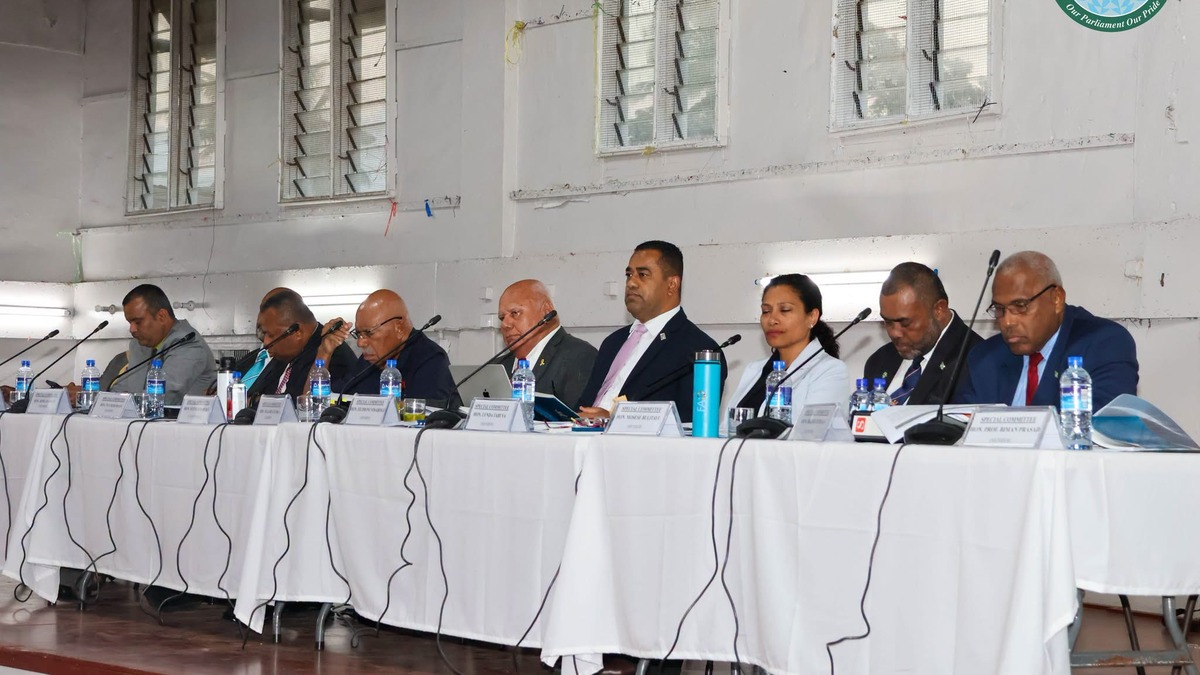 Prime Minister Sitiveni Rabuka has ruled out extending the consultation period on the proposed Constitution Amendment Bill, saying the Government must follow the prescribed timeframe to avoid becoming unconstitutional.
While responding to questions following the consultations at Vunimono Hall, Nausori where many questioned why the process is being rushed, Rabuka says the Government has a programme to follow and cannot go beyond the allowable timeframe.
He says the Bill has provided an opportunity for people to express their views on changes they believe should be made to the Constitution, and those submissions will now be considered by the relevant committee and Parliament.
Rabuka says many of the concerns raised during the consultations are views people have held since the current Constitution came into force in 2013.
He says people have been discussing possible improvements within their communities, political parties and Bose Vakoro, and the consultation process has allowed them to bring those views forward.
When questioned by fijivillage News on why the Constitution Amendment Bill must be passed before the next general elections, Rabuka says the Bill is already before Parliament and was brought forward by the current Parliament.
He says if it is not passed now, it will have to be treated as an entirely new Bill.
Rabuka also defended the Government’s decision to prepare a Bill that differs from the version proposed by the Constitution Review Commission, stating that the CRC was not empowered to make the final decision on the proposed constitutional changes, and its recommendations were used as the basis for the Government’s Bill.
Rabuka says this is consistent with the work of previous commissions, whose recommendations were reviewed and modified before Parliament made the final decision.
He says the purpose of the CRC process was to allow Parliament to consider the views gathered during the review, rather than automatically adopt the commission’s proposed version.
Rabuka also rejected suggestions that the CRC report had been completely discarded, saying the Government had not simply adopted the commission’s draft in its entirety.
On concerns about the immunity provisions, particularly Chapter 14 and the extension of immunity until the next Constitution comes into force, Rabuka says the Government has received views both for and against retaining the provisions.
He says those submissions will be considered and the relevant committee can still recommend whether Chapter 14 should be retained or removed.
Rabuka says future Parliaments would also be able to change Chapter 14 more easily and could remove it.
The National Federation Party has threatened to withdraw its support for the Bill if the Government does not meet its 12 considerations, including removing the immunity clause and the reference to Christianity.
Asked whether the Bill could lose support in Parliament, Rabuka says it may not secure enough votes.
He says the Government has made an honest effort to gather the views of the people, but if the Bill fails to secure the necessary support, it would mean the Coalition Government had failed to fulfil its election promise to change the Constitution.
Rabuka says the Government must convince Parliament to pass the Bill, and failure to do so would be a failure of the administration.
Youths question rushed consultation on Constitution Amendment BillBy Rashika Kumar 16/10/2026 Photo credit: Parliament of the Republic of FijiYoung people have questioned the rushed consultation process for the Constitution (Amendment) Bill 2026, saying more time is needed for the public to understand the proposed changes and ensure their voices are heard.
While speaking before the Special Committee on the Constitution (Amendment) Bill 2026 at Vunimono Hall in Nausori, Suva resident Lavetanalagi Seru has urged the Government to consider extending the consultation period, saying a process conducted over a few weeks does not do justice to a document that would become the supreme law of the country.
He has also raised concerns about the concentration of political power and has called for a clear separation between the executive, legislature and judiciary.
Seru questioned the proposed role of the Prime Minister in appointing the Chief Justice, opposed the reintroduction of an unelected Senate because of the cost to taxpayers, and supported constituency-based voting, saying it would make Members of Parliament more directly accountable to the people they represent.
He also called for more equitable sharing of mineral resources between the State and landowners, and said prosecutorial powers should remain with the Office of the Director of Public Prosecutions rather than be used against political opponents.
Former Youth Parliamentarian, Patricia Subhaiya has opposed the proposed introduction of an exception permitting moderate chastisement, saying it could weaken protections against violence and put children’s rights at risk.
Subhaiya says the wording could make it difficult to distinguish discipline from abuse.
She says discipline should prioritise a child’s safety, dignity and well-being, rather than expose children to physical punishment that could cause fear, anxiety, shame and low self-esteem.
She says physical punishment could normalise violence across generations, as children who experience it may come to believe physical force is an acceptable way to resolve conflict.
Another Youth Parliamentarian, Nishaal Narayan has opposed the justification for retaining blanket immunity provisions, asking what had gone wrong during the past four years and whether the provisions were intended to protect something that might happen in the future.
Narayan also recommended that the country’s identity remain Fijian.
While speaking on the proposal for Fiji to become a Christian State, Narayan questioned whether this was necessary for people to practise Christian values or whether it was a political move to influence the public.
While quoting Matthew 22:37–39 of the Bible, Narayan says Christian values should be demonstrated through how people treat others, rather than through the religious identity of the State.
He is urging the Commission to protect freedom of religion, freedom of conscience and equal treatment for all citizens, regardless of their beliefs.
Proposed SODELPA candidate, AnnMary Raduva has also questioned whether the consultation process is adequately representing the people of Nausori, referring to the town’s population of 57,866.
She asked whether the number of people attending the consultation reflected the wider community and has raised concerns about whether the constitutional amendment process was moving too quickly.
She further questioned whether the rights of persons with disabilities were being adequately considered, asking whether they were represented at the consultation and whether sign language interpreters were available.
Raduva urged the committee to ensure the public had a meaningful opportunity to have its say on the proposed amendments.
The Special Committee’s public consultation is currently underway at the Namosi Provincial Council Hall in Navua.
Proposed SODELPA candidate, AnnMary Raduva has also questioned whether the consultation process is adequately representing the people of Nausori, referring to the town’s population of 57,866.
Proposed Constitution could trigger crisis if commenced between 24th and 31st December – LalBy Nilufa Buksh 16/10/2026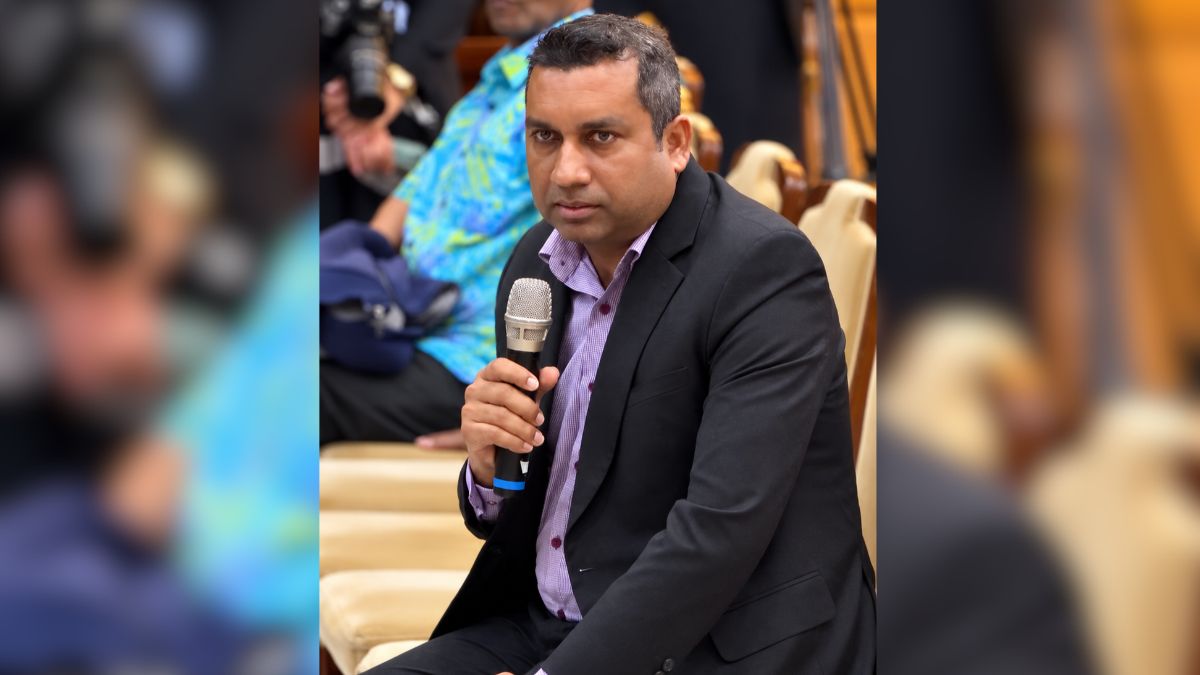
Centre for Democracy and Dialogue (CDD) Director Nilesh Lal warns that bringing the proposed Constitution into force between 24th December and 31st December this year could trigger a constitutional crisis, with Parliament's term expiring while Cabinet continues in power.
Lal says under this scenario, Parliament would expire on 24th December 2026, while Cabinet could continue to exist, creating a situation where elections cannot be held and the current Cabinet remains in power undemocratically.
He describes this as an unacceptable situation that could amount to a self-coup.
Insert:Lal on writ 16th Oct
He warns that this could undermine Fiji's democratic progress, noting that the country has held three successful elections since returning to democracy in 2014 and experienced its first peaceful and enduring transfer of power.
Lal raised these concerns while discussing the proposed Constitution Amendment Bill, saying the Government draft is much closer to the 2013 Constitution than the Constitution Review Commission (CRC) draft in how constitutional power is distributed.
He says the Government draft gives even greater powers to the executive, despite concerns about the concentration of power under the 2013 Constitution.
Lal says the CRC draft included important safeguards that his organisation had publicly welcomed, but these have been removed or weakened in the Government draft.
These include provisions protecting judicial independence, limiting the Prime Minister's influence over appointments of the Chief Justice and President of the Court of Appeal, and capping Cabinet at 15 members.
He also raises concerns about the proposed Senate, saying 18 of its 24 members would be appointed upon Bose Levu Vakaturaga advice.
Lal says moving away from a fully elected legislature is a regression, arguing that lawmaking should be confined to elected representatives.
He says the proposed electoral system is incomplete and open to manipulation because it lacks an overhang mechanism to correct disproportionality arising from communal or constituency seats.
Lal also warns that the proposed Electoral Boundaries Commission could be vulnerable to political influence, as the Prime Minister would appoint its chair and most of its members.
He says this creates a risk of gerrymandering, where electoral boundaries are manipulated to give a political party an advantage, and maintains that a single national constituency would reduce opportunities for such manipulation.
Lal also questions the removal of accountability institutions, including FICAC, saying it should be depoliticised rather than abolished.
He says the Constitution Amendment Bill contains serious drafting problems, including internal inconsistencies, conflicting deadlines, unclear cross-references and transitional provisions, which he describes as dangerous defects in a constitutional document.
Lal further questions whether the public has been given enough time to participate in the process, saying the greater Suva area, with about 300,000 people between Lami and Nausori, has been allocated only about a day to make submissions despite representing more than a third of the population.
He says the CRC draft was made public on 22nd September, followed by the Constitution Amendment Bill on 30th September, and the two documents differ significantly.
Lal says CDD is preparing an approximately 80-page written submission for the Special Parliamentary Committee and questions whether the committee will have enough time to properly consider submissions within the 11-day period allowed.
He says the proposed Constitution contains 230 sections and requires careful examination before decisions are made.
Centre for Democracy and Dialogue (CDD) Director Nilesh Lal warns that bringing the proposed Constitution into force between 24th December and 31st December this year could trigger a constitutional crisis, with Parliament's term expiring while Cabinet continues in power.
Lal says under this scenario, Parliament would expire on 24th December 2026, while Cabinet could continue to exist, creating a situation where elections cannot be held and the current Cabinet remains in power undemocratically.
He describes this as an unacceptable situation that could amount to a self-coup.
Insert:Lal on writ 16th Oct
He warns that this could undermine Fiji's democratic progress, noting that the country has held three successful elections since returning to democracy in 2014 and experienced its first peaceful and enduring transfer of power.
Lal raised these concerns while discussing the proposed Constitution Amendment Bill, saying the Government draft is much closer to the 2013 Constitution than the Constitution Review Commission (CRC) draft in how constitutional power is distributed.
He says the Government draft gives even greater powers to the executive, despite concerns about the concentration of power under the 2013 Constitution.
Lal says the CRC draft included important safeguards that his organisation had publicly welcomed, but these have been removed or weakened in the Government draft.
These include provisions protecting judicial independence, limiting the Prime Minister's influence over appointments of the Chief Justice and President of the Court of Appeal, and capping Cabinet at 15 members.
He also raises concerns about the proposed Senate, saying 18 of its 24 members would be appointed upon Bose Levu Vakaturaga advice.
Lal says moving away from a fully elected legislature is a regression, arguing that lawmaking should be confined to elected representatives.
He says the proposed electoral system is incomplete and open to manipulation because it lacks an overhang mechanism to correct disproportionality arising from communal or constituency seats.
Lal also warns that the proposed Electoral Boundaries Commission could be vulnerable to political influence, as the Prime Minister would appoint its chair and most of its members.
He says this creates a risk of gerrymandering, where electoral boundaries are manipulated to give a political party an advantage, and maintains that a single national constituency would reduce opportunities for such manipulation.
Lal also questions the removal of accountability institutions, including FICAC, saying it should be depoliticised rather than abolished.
He says the Constitution Amendment Bill contains serious drafting problems, including internal inconsistencies, conflicting deadlines, unclear cross-references and transitional provisions, which he describes as dangerous defects in a constitutional document.
Lal further questions whether the public has been given enough time to participate in the process, saying the greater Suva area, with about 300,000 people between Lami and Nausori, has been allocated only about a day to make submissions despite representing more than a third of the population.
He says the CRC draft was made public on 22nd September, followed by the Constitution Amendment Bill on 30th September, and the two documents differ significantly.
Lal says CDD is preparing an approximately 80-page written submission for the Special Parliamentary Committee and questions whether the committee will have enough time to properly consider submissions within the 11-day period allowed.
He says the proposed Constitution contains 230 sections and requires careful examination before decisions are made.
Retaining immunity clause could encourage future wrongdoing “ O'DriscollBy Nilufa Buksh 17/10/2026
Lawyer Gavin O'Driscoll is calling for the removal of the immunity clause in the proposed Constitution, saying it could encourage people to repeat similar actions in the future.
Speaking before the Special Committee on the Constitution (Amendment) Bill 2026 in Suva, O'Driscoll says Fiji needs to move forward with transparency and accountability.
He says retaining the immunity clause could perpetuate the same system by encouraging people who may be considering similar actions to believe they will also receive immunity.
O'Driscoll also raised concerns about corporal punishment, saying physical punishment is not an effective way to discipline people.
Insert:Â O'Driscoll on his experience with corporal punishment 16th Oct
He says there is no reason to physically punish anyone in this day and age.
O'Driscoll also stresses the importance of protecting the land rights of iTaukei people, saying they need to feel secure in their land and ownership.
He says ensuring that security would contribute to a more secure country.
O'Driscoll says the relevant provisions need to be closely scrutinised, adding that there are concerns about potential weakening of land rights.
Lawyer Gavin O'Driscoll is calling for the removal of the immunity clause in the proposed Constitution, saying it could encourage people to repeat similar actions in the future.
Speaking before the Special Committee on the Constitution (Amendment) Bill 2026 in Suva, O'Driscoll says Fiji needs to move forward with transparency and accountability.
He says retaining the immunity clause could perpetuate the same system by encouraging people who may be considering similar actions to believe they will also receive immunity.
O'Driscoll also raised concerns about corporal punishment, saying physical punishment is not an effective way to discipline people.
Insert:Â O'Driscoll on his experience with corporal punishment 16th Oct
He says there is no reason to physically punish anyone in this day and age.
O'Driscoll also stresses the importance of protecting the land rights of iTaukei people, saying they need to feel secure in their land and ownership.
He says ensuring that security would contribute to a more secure country.
O'Driscoll says the relevant provisions need to be closely scrutinised, adding that there are concerns about potential weakening of land rights.
Social worker and former principal call for iTaukei language in schoolsBy Temalesi Vono 16/10/2026 Social worker Gavula Rakuita and former school principal Govind Singh at the consultation on the Constitution Amendment Bill in Nausori last night
A social worker and a former school principal are calling for iTaukei to be taught in all schools, saying constitutional support for language education is key to preserving indigenous culture and strengthening unity between communities.
Gavula Rakuita and Govind Singh made their submissions during the consultation on the Constitution Amendment Bill at Vunimono in Nausori, where they also raised concerns about children's literacy, equal citizenship and the need for a more inclusive society.
Nainoka is calling for iTaukei to be recognised as Fiji's national language, saying indigenous Fijians had accepted the use of the common name Fijian for all citizens.
Insert: Rakuita - You have embraced our language Oct 16
She is also calling for children to learn in their mother tongue during kindergarten and the early years of primary school, particularly Years 1 and 2.
She adds that she is concerned that some children progress through primary school without developing basic reading and communication skills.
She attributes this partly to education policies that prevented students from repeating classes regardless of their reading proficiency, saying children who struggle to read can continue through the school system without receiving the support they need.
She believes these challenges can contribute to children dropping out of school and becoming vulnerable to social problems.
Nainoka also expressed support for corporal punishment, saying some members of her community believe in it because of their religious beliefs.
Meanwhile, Govind Singh, who is also the President of the School Management Association of Fiji, says he has been advocating for iTaukei language education for more than 30 years.
He says teaching iTaukei in schools would give children from other communities the opportunity to understand the language, culture and way of life of indigenous Fijians.
Singh says many Indo-Fijians have not had adequate opportunities to learn iTaukei, making it difficult for them to communicate confidently with indigenous communities and contribute to discussions at provincial council meetings.
He says the Constitution should provide a foundation for policies that ensure iTaukei language education is implemented, warning that the opportunity to improve understanding between communities has been overlooked for too long.
Singh says learning another community's language can open the door to a better understanding of its culture and values.
He is also calling for the Constitution to guarantee equal citizenship, saying no citizen should be considered more or less Fijian because of ancestry, race or colour.
Singh says the Constitution should protect people from racial discrimination and hostility, uphold freedom of religion and belief, respect cultural and linguistic identities, and encourage cooperation between communities and the peaceful resolution of disputes.
Singh also raised concerns about the pace of the constitutional reform process, saying the Government should allow sufficient time for public discussion and consideration of the Constitution Review Commission's recommendations.
He says the process of developing the Constitution is as important as the document itself, and people should be given enough time to discuss the proposed changes and help shape a Constitution that reflects their aspirations.
A social worker and a former school principal are calling for iTaukei to be taught in all schools, saying constitutional support for language education is key to preserving indigenous culture and strengthening unity between communities.
Gavula Rakuita and Govind Singh made their submissions during the consultation on the Constitution Amendment Bill at Vunimono in Nausori, where they also raised concerns about children's literacy, equal citizenship and the need for a more inclusive society.
Nainoka is calling for iTaukei to be recognised as Fiji's national language, saying indigenous Fijians had accepted the use of the common name Fijian for all citizens.
Insert: Rakuita - You have embraced our language Oct 16
She is also calling for children to learn in their mother tongue during kindergarten and the early years of primary school, particularly Years 1 and 2.
She adds that she is concerned that some children progress through primary school without developing basic reading and communication skills.
She attributes this partly to education policies that prevented students from repeating classes regardless of their reading proficiency, saying children who struggle to read can continue through the school system without receiving the support they need.
She believes these challenges can contribute to children dropping out of school and becoming vulnerable to social problems.
Nainoka also expressed support for corporal punishment, saying some members of her community believe in it because of their religious beliefs.
Meanwhile, Govind Singh, who is also the President of the School Management Association of Fiji, says he has been advocating for iTaukei language education for more than 30 years.
He says teaching iTaukei in schools would give children from other communities the opportunity to understand the language, culture and way of life of indigenous Fijians.
Singh says many Indo-Fijians have not had adequate opportunities to learn iTaukei, making it difficult for them to communicate confidently with indigenous communities and contribute to discussions at provincial council meetings.
He says the Constitution should provide a foundation for policies that ensure iTaukei language education is implemented, warning that the opportunity to improve understanding between communities has been overlooked for too long.
Singh says learning another community's language can open the door to a better understanding of its culture and values.
He is also calling for the Constitution to guarantee equal citizenship, saying no citizen should be considered more or less Fijian because of ancestry, race or colour.
Singh says the Constitution should protect people from racial discrimination and hostility, uphold freedom of religion and belief, respect cultural and linguistic identities, and encourage cooperation between communities and the peaceful resolution of disputes.
Singh also raised concerns about the pace of the constitutional reform process, saying the Government should allow sufficient time for public discussion and consideration of the Constitution Review Commission's recommendations.
He says the process of developing the Constitution is as important as the document itself, and people should be given enough time to discuss the proposed changes and help shape a Constitution that reflects their aspirations.
Dakuitoga calls for clear commitment on next general elections dateBy Pita Toganivalu 16/10/2026 Source: Parliament of the Republic of Fiji
The Government is being urged to provide a clear commitment on when Fijis next general elections will be held and ensure the proposed constitutional changes do not delay the election or extend Parliaments term.
Content creator and influencer Eliki Dakuitoga shared this before the Joint Parliamentary Select Committee on the Constitution (Amendment) Bill 2026 at Vunimono Hall in Nausori, calling for stronger legal safeguards to protect the next elections.
Dakuitoga says the existing lawful deadline for the election must be clearly protected in legislation, even if the new Constitution comes into effect earlier than expected.
He is seeking clarification on Section 219, saying the proposed provision should not restart Parliaments four-year term, revive an expired or dissolved Parliament, or allow it to continue without a general election.
Dakuitoga also wants the committee to explain how the proposed Section 211, which allows the President to bring the new Constitution into effect earlier through a proclamation published in the Gazette, would affect the election timetable.
He says the committee must clearly identify which electoral system, nomination requirements, polling rules and deadlines will apply to the next general elections, particularly if constitutional changes take effect while election preparations are already underway.
He is also raising concerns about the proposed emergency powers under Section 201, saying these must not be used to extend Parliaments term or delay an election for political reasons.
Using a severe cyclone as an example, Dakuitoga says there must be clear legal procedures for dealing with genuine disruptions to polling, including who can authorise a delay, the reasons required, independent scrutiny and access to the courts.
He is asking the Government to confirm whether the election will be held in 2026 or January 2027, and if not, to confirm that it will take place no later than 6th February 2027, which he identifies as the last possible date published by election authorities.
Dakuitoga says the preparation of a new Constitution or electoral system should not, by itself, justify extending the current parliamentary term.
He is also calling for the final wording of the relevant constitutional provisions to be published, together with a clear explanation of how the changes would affect the election under either outcome of a possible referendum.
Dakuitoga says the public needs certainty about the election timetable, the applicable laws and the safeguards that will prevent any misuse of constitutional or emergency powers.
The Government is being urged to provide a clear commitment on when Fijis next general elections will be held and ensure the proposed constitutional changes do not delay the election or extend Parliaments term.
Content creator and influencer Eliki Dakuitoga shared this before the Joint Parliamentary Select Committee on the Constitution (Amendment) Bill 2026 at Vunimono Hall in Nausori, calling for stronger legal safeguards to protect the next elections.
Dakuitoga says the existing lawful deadline for the election must be clearly protected in legislation, even if the new Constitution comes into effect earlier than expected.
He is seeking clarification on Section 219, saying the proposed provision should not restart Parliaments four-year term, revive an expired or dissolved Parliament, or allow it to continue without a general election.
Dakuitoga also wants the committee to explain how the proposed Section 211, which allows the President to bring the new Constitution into effect earlier through a proclamation published in the Gazette, would affect the election timetable.
He says the committee must clearly identify which electoral system, nomination requirements, polling rules and deadlines will apply to the next general elections, particularly if constitutional changes take effect while election preparations are already underway.
He is also raising concerns about the proposed emergency powers under Section 201, saying these must not be used to extend Parliaments term or delay an election for political reasons.
Using a severe cyclone as an example, Dakuitoga says there must be clear legal procedures for dealing with genuine disruptions to polling, including who can authorise a delay, the reasons required, independent scrutiny and access to the courts.
He is asking the Government to confirm whether the election will be held in 2026 or January 2027, and if not, to confirm that it will take place no later than 6th February 2027, which he identifies as the last possible date published by election authorities.
Dakuitoga says the preparation of a new Constitution or electoral system should not, by itself, justify extending the current parliamentary term.
He is also calling for the final wording of the relevant constitutional provisions to be published, together with a clear explanation of how the changes would affect the election under either outcome of a possible referendum.
Dakuitoga says the public needs certainty about the election timetable, the applicable laws and the safeguards that will prevent any misuse of constitutional or emergency powers.
Dr Bhim challenges Rabuka to seek pardon while Nunu asks Govt to reconsider immunity, Singh opposes SenateBy Rashika Kumar 16/10/2026 Source: Parliament of the Republic of FijiPrime Minister, if you believe you require immunity, or if certain members of your Cabinet require it, I ask you to list the activities for which immunity is needed and apply to the Mercy Commission for the President to grant a pardon for those activities.
University lecturer Dr Mosmi Bhim made this call to Prime Minister and Chair of the Joint Committee on the Constitution (Amendment) Bill 2026 Sitiveni Rabuka at Vunimono Hall in Nausori, saying the public deserves to know which activities require protection.
Dr Bhim says identifying the activities and seeking pardons would provide a transparent way of dealing with the matter, rather than granting broad constitutional immunity.
She says the proposed protection would cover the offices of the President and Prime Minister, Cabinet, the military, Police, Corrections Service, Judiciary, Public Service and other public office-holders until the first sitting of Parliament under the new Constitution, expected in 2028.
Dr Bhim has also questioned what wrongdoing these institutions have committed that requires immunity, adding blanket protection risks damaging their reputations by creating the impression that they have something to hide.
She has also made a submission to remove the immunity clause, stressing that democracy requires accountability, transparency and equality before the law.
Dr Bhim warns that granting immunity to the Prime Minister and Cabinet until 2028 would undermine Fijis transition to democracy by placing some people beyond public accountability.
The academic is also calling for the consultation process to be extended so that a wider part of our country can take part in it.
She further says the proposed emergency powers that would allow the House of Representatives to extend its term by up to 12 months if its term expires during a state of emergency.
Dr Bhim says the provision could be misused to keep the Government in power.
Dr Bhim has also questioned how the Government would ensure accountability when 14 of the 23 members of the Senate would be nominated by the Bose Levu Vakaturaga.
She says some chiefs supported previous coups and has questioned what would prevent that from happening again.
SODELPA's proposed candidate Pateresio Nunu has also called on the Government to reconsider retaining immunity, saying the Constitution Review Commission had proposed removing the provisions while recognising the legal complexities and the need to consider reconciliation and alternative remedies.
He says continued constitutional protection raises questions about equality before the law, justice for victims, accountability for unconstitutional conduct and the prevention of future coups.
Nunu is recommending publishing an independent legal assessment of existing immunity and the lawful options for reform, alongside clarification on whether the Governments proposal preserves existing protection or creates additional immunity.
He is also calling for safeguards against future military intervention, an express prohibition on unlawful government takeovers without automatic constitutional protection, and arrangements for truth-telling, reconciliation, reparations and remedies for victims.
Nunu, who is a fourth-generation descendant of Melanesian labourers from Malaita in the Solomon Islands, is also seeking constitutional recognition of Fijis Melanesian descendants and other historically marginalised communities.
He says their contributions should be acknowledged through stronger protection for cultural and linguistic identities, fair access to education, housing, employment and essential services, and participation in national policy decisions.
Nunu is also urging the Government to explain significant departures from the Constitution Review Commissions recommendations.
Nunu says any referendum must be lawful, transparent and independently administered, with enough time for citizens to understand and assess the proposed changes.
We Unite Fiji Party proposed candidate Sandeep Singh says reinstating the Senate with a total of 78 legislators would place an unnecessary financial burden on taxpayers through salaries, allowances, staffing and administration.
He says Fiji should retain a single elected chamber and strengthen scrutiny through parliamentary committees, independent expertise and meaningful public consultation.
Singh says the Great Council of Chiefs should focus on cultural leadership, community welfare and national development, independent of party politics.
He is also encouraging minority communities to establish representative councils, with these bodies and the Great Council of Chiefs serving as independent advisers to the Government.
Singh also says the Constitution should acknowledge God and recognise Christianity historical contribution alongside those of other faiths, while protecting equal citizenship and freedom of conscience.
He proposes replacing the reference to Christianity and family values with religion and family values, or a list of shared principles including truthfulness, compassion, justice, integrity, service and respect for human dignity.
Singh also wants an explicit provision stating that Fiji has no official religion and that religious belief must not be a requirement for citizenship, public office or public service.
He also calls for Hindi to be specifically recognised in the Constitutions language provisions, alongside the protections proposed for iTaukei and Rotuman.
Singh also proposes a legal framework allowing the Government to address idle land, including freehold land, to support national development.
He says large areas should not remain unused indefinitely while communities need land for productive purposes.
Public consultations on the Constitution Amendment Bill continues in Nadi and Lautoka tomorrow.
The academic is also calling for the consultation process to be extended so that a wider part of our country can take part in it.
She further says the proposed emergency powers that would allow the House of Representatives to extend its term by up to 12 months if its term expires during a state of emergency.
Dr Bhim says the provision could be misused to keep the Government in power.
Serua Province recommends iTaukei Fiji name, State to be co-owners of resources, and Vosa Vakaviti to be compulsoryBy Navitalai Naivalurua 17/10/2026 The people of Serua are recommending that the indigenous people of Fiji should be known as iTaukei Fiji or Fijian iTaukei and not iTaukeinivanua as proposed by the draft Constitution, Fiji should incorporate Christian concept and that the Bill of Rights should be renamed as Bill of Rights and Responsibilities.
They are also recommending that iTaukei language be compulsory from kindergarten and the State to be co-owners of land and resources with the indigenous Fijians.
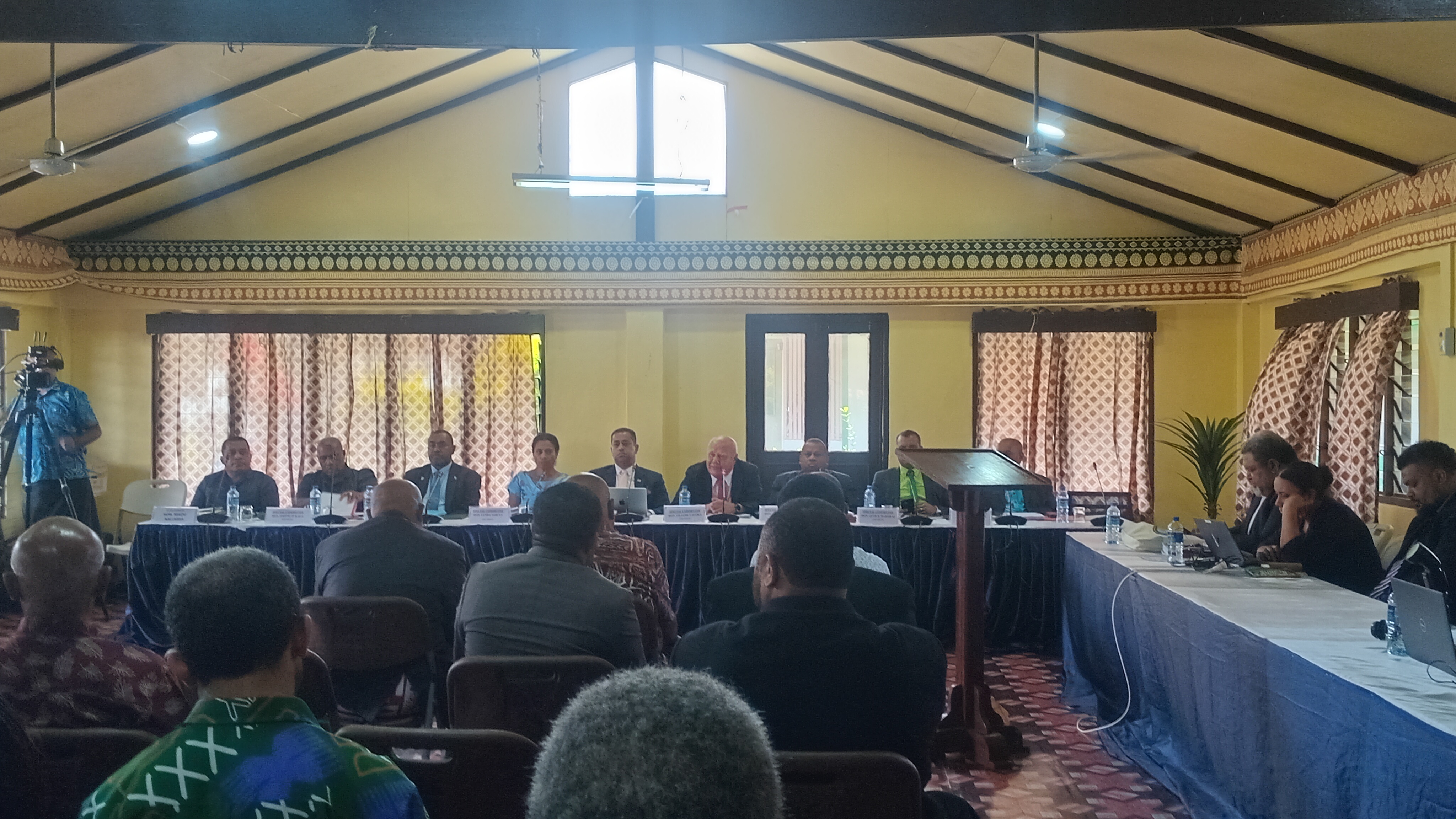
While making submissions before the Special Committee on the Constitution (Amendment) Bill at the Namosi Provincial Council Hall in Navua, Serua Provincial Council Chairman Tevita Boseiwaqa says he believes the word Itaukeinivanua is inconsistent with the Constitution because in iTaukei language, Itaukeinivanua means land and people ownership but some of things is not solely owned by the people but by the State.
He says they also support the Christian concept because it links to the past with Christianity being the reason for the change in the morale of our elders.
On the Bill of Rights, Boseiwaqa says many people are only focused on the rights but not on the responsibility.
He says they are hopeful that the Committee can consider amending the Bill of Rights to Bill of Rights and Responsibilities so people know that with rights come responsibilities.
The Chairman also recommended that the iTaukei language be made compulsory from kindergarten and not only in Primary Schools because children nowadays are forgetting our values and cultures.
He adds that he supports the idea of joint ownership by the government and the landowners because many of the fruits from development are going to the State then the people.
Boseiwaqa says if its a 50/50 partnership, then both will gain from our resources.
He adds that Government can continue to manage the resources but there should be a partnership with the land and resource owners.
Everyone who calls Fiji home deserves to be called Fijian – Dr ShariffBy Antornette Vuniuca 17/10/2026 [Image: Fiji Medical Association]
People whose families have lived, worked and contributed to Fiji for generations should not have their national identity questioned, says Dr Ahmed Shakeel Shariff, who believes everyone who calls Fiji home deserves to be recognised as a Fijian.
In a video sharing his views on the national identity debate, Dr Shariff says his parents and grandparents worked hard and contributed to the country's development, yet questions remain over their recognition as Fijians.
He says while his mother's siblings chose to move overseas, she remained in Fiji and encouraged her children to build their lives here.
Dr Shariff questions why people who have called Fiji home for generations and contributed to its progress should not be able to share a common national identity.
He stresses that recognising everyone as Fijian should not mean taking away anyone's culture, heritage or traditional identity, but should instead give people a greater sense of belonging.
Dr Shariff also refers to former Fiji 7s coach Ben Ryan, who was given a chiefly title in recognition of his contribution to the country, and questions why families who have contributed to Fiji over generations should not share a common national identity.
He says people from different backgrounds have stood together during difficult times, including the COVID-19 pandemic, showing the strength of unity among communities.
Dr Shariff believes being called Fijian should be a source of pride for everyone who considers Fiji their home, regardless of their background.
He says Fiji must recognise the contributions of all its people and create a country where everyone feels accepted and valued.
Dr Shariff stresses that a shared national identity should bring people together rather than divide them.
People whose families have lived, worked and contributed to Fiji for generations should not have their national identity questioned, says Dr Ahmed Shakeel Shariff, who believes everyone who calls Fiji home deserves to be recognised as a Fijian.
In a video sharing his views on the national identity debate, Dr Shariff says his parents and grandparents worked hard and contributed to the country's development, yet questions remain over their recognition as Fijians.
He says while his mother's siblings chose to move overseas, she remained in Fiji and encouraged her children to build their lives here.
Dr Shariff questions why people who have called Fiji home for generations and contributed to its progress should not be able to share a common national identity.
He stresses that recognising everyone as Fijian should not mean taking away anyone's culture, heritage or traditional identity, but should instead give people a greater sense of belonging.
Dr Shariff also refers to former Fiji 7s coach Ben Ryan, who was given a chiefly title in recognition of his contribution to the country, and questions why families who have contributed to Fiji over generations should not share a common national identity.
He says people from different backgrounds have stood together during difficult times, including the COVID-19 pandemic, showing the strength of unity among communities.
Dr Shariff believes being called Fijian should be a source of pride for everyone who considers Fiji their home, regardless of their background.
He says Fiji must recognise the contributions of all its people and create a country where everyone feels accepted and valued.
Dr Shariff stresses that a shared national identity should bring people together rather than divide them.
Year 8 student calls for stronger action to protect children from drugsBy Mansi Chand 17/10/2026
A Year 8 student of Korovuto Primary School is calling for stronger action against drug dealers targeting young people, while stressing that education, rehabilitation and family support are equally important in protecting children from drugs.
Speaking during a consultation on the Constitution (Amendment) Bill 2026, Krystal Kumar questioned whether the Government is doing enough to prevent illegal drugs from reaching schools and communities.
Kumar also raised concerns about whether children are being properly educated about the dangers of drugs before they face pressure to try them.
She says fighting drugs requires more than punishment, stressing the need for early prevention, counselling, rehabilitation and effective law enforcement.
The 14-year-old believes young people who make mistakes should not automatically be treated as having no future, but should instead receive guidance and support to make better choices.
The student also called for schools to provide safe learning environments, while families and communities should support young people through sports, education, cultural activities and youth programmes.
Kumar has urged the Joint Committee to carefully consider how the proposed constitutional changes could affect the rights, safety and future of children.
She says any changes to the Constitution should be clearly explained to the public, with young people also given an opportunity to share their views.
The student stressed that although they are only in Year 8, age should not prevent young people from speaking up on issues affecting their future.
Kumar also says protecting children from drugs is a shared responsibility involving the Government, schools, families and communities.
A Year 8 student of Korovuto Primary School is calling for stronger action against drug dealers targeting young people, while stressing that education, rehabilitation and family support are equally important in protecting children from drugs.
Speaking during a consultation on the Constitution (Amendment) Bill 2026, Krystal Kumar questioned whether the Government is doing enough to prevent illegal drugs from reaching schools and communities.
Kumar also raised concerns about whether children are being properly educated about the dangers of drugs before they face pressure to try them.
She says fighting drugs requires more than punishment, stressing the need for early prevention, counselling, rehabilitation and effective law enforcement.
The 14-year-old believes young people who make mistakes should not automatically be treated as having no future, but should instead receive guidance and support to make better choices.
The student also called for schools to provide safe learning environments, while families and communities should support young people through sports, education, cultural activities and youth programmes.
Kumar has urged the Joint Committee to carefully consider how the proposed constitutional changes could affect the rights, safety and future of children.
She says any changes to the Constitution should be clearly explained to the public, with young people also given an opportunity to share their views.
The student stressed that although they are only in Year 8, age should not prevent young people from speaking up on issues affecting their future.
Kumar also says protecting children from drugs is a shared responsibility involving the Government, schools, families and communities.
Namara representative calls for GCC recognition, provincial Senate representation and removal of FICACBy Antornette Vuniuca 17/10/2026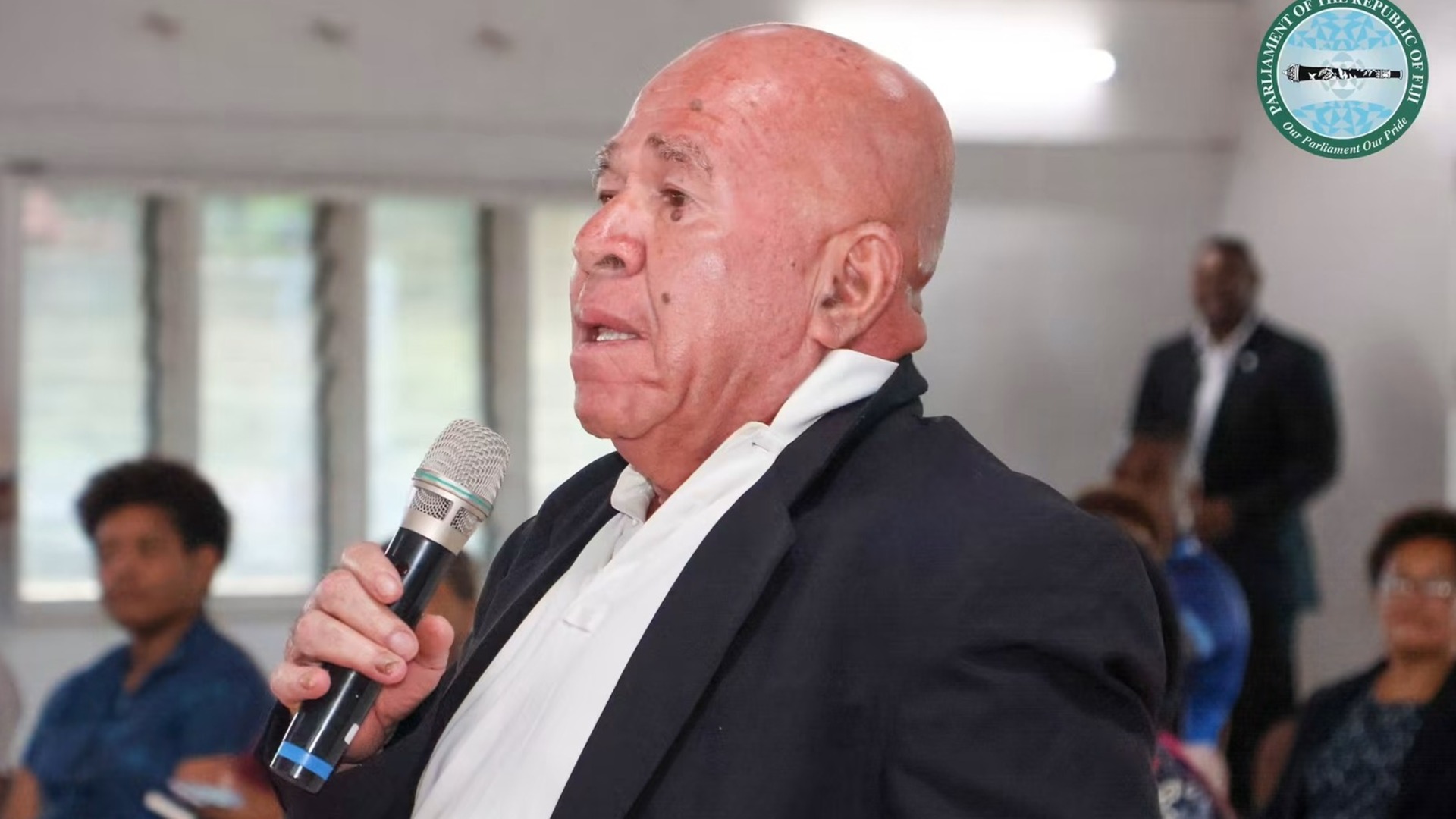 [Image: Parliament of the Republic of Fiji]
The Mata-ni-Tikina of Namara, Sekaia Mua, is calling for the Great Council of Chiefs to be formally recognised under the proposed constitutional changes, provincial representation in the Senate and the removal of the Fiji Independent Commission Against Corruption.
Mua raised these issues while making his submission to the Joint Parliamentary Select Committee on the Constitution (Amendment) Bill 2026 at Vunimono Hall in Nausori.
He says the Great Council of Chiefs plays an important role in protecting iTaukei culture, traditions and the interests of indigenous communities.
Mua believes the removal of the Council in the past weakened the traditional authority and identity of indigenous Fijians, and says its role should be strengthened under the proposed constitutional changes.
He also supports provincial representation in the Senate, saying this would help maintain the traditional chiefly system and ensure provincial voices are represented.
On FICAC, Mua called for the Commission to be removed, arguing that corruption investigations should instead be handled by the Fiji Police Force.
He questioned FICAC's effectiveness and raised concerns about how corruption cases are handled.
Mua also urged the Committee not to rush the proposed referendum, saying people in villages and rural communities must be given enough time to understand the proposed constitutional changes before making a decision.
He says the Government must ensure the concerns of indigenous Fijians are heard and their interests protected when decisions are made about the country's future.
Meanwhile, Mua also highlighted the serious water shortage affecting people in Namara, Tailevu, saying some families have been forced to use a water source previously declared unsafe by the Ministry of Health.
He says villagers have no alternative water supply, while dry conditions continue to affect their access to clean drinking water.
Mua says the Water Authority of Fiji delivered water on one occasion, but no further supplies have been received.
He says residents have been requesting a proper water supply for years and are still waiting for a lasting solution.
Mua, who has served as Mata-ni-Tikina for four years, says villagers continue to ask him when assistance will arrive.
He is calling on the Government and the Water Authority of Fiji to urgently address the shortage, saying rural communities should not be forgotten.
The Mata-ni-Tikina of Namara, Sekaia Mua, is calling for the Great Council of Chiefs to be formally recognised under the proposed constitutional changes, provincial representation in the Senate and the removal of the Fiji Independent Commission Against Corruption.
Mua raised these issues while making his submission to the Joint Parliamentary Select Committee on the Constitution (Amendment) Bill 2026 at Vunimono Hall in Nausori.
He says the Great Council of Chiefs plays an important role in protecting iTaukei culture, traditions and the interests of indigenous communities.
Mua believes the removal of the Council in the past weakened the traditional authority and identity of indigenous Fijians, and says its role should be strengthened under the proposed constitutional changes.
He also supports provincial representation in the Senate, saying this would help maintain the traditional chiefly system and ensure provincial voices are represented.
On FICAC, Mua called for the Commission to be removed, arguing that corruption investigations should instead be handled by the Fiji Police Force.
He questioned FICAC's effectiveness and raised concerns about how corruption cases are handled.
Mua also urged the Committee not to rush the proposed referendum, saying people in villages and rural communities must be given enough time to understand the proposed constitutional changes before making a decision.
He says the Government must ensure the concerns of indigenous Fijians are heard and their interests protected when decisions are made about the country's future.
Meanwhile, Mua also highlighted the serious water shortage affecting people in Namara, Tailevu, saying some families have been forced to use a water source previously declared unsafe by the Ministry of Health.
He says villagers have no alternative water supply, while dry conditions continue to affect their access to clean drinking water.
Mua says the Water Authority of Fiji delivered water on one occasion, but no further supplies have been received.
He says residents have been requesting a proper water supply for years and are still waiting for a lasting solution.
Mua, who has served as Mata-ni-Tikina for four years, says villagers continue to ask him when assistance will arrive.
He is calling on the Government and the Water Authority of Fiji to urgently address the shortage, saying rural communities should not be forgotten.
University of Fiji Law students urge Govt to abandon Constitution Amendment BillBy Karishma Kumari 17/10/2026 The University of Fiji and its law students have urged the Government to abandon the Constitution Amendment Bill 2026, raising concerns about its drafting, human rights protections and the lack of a clear justification for introducing a new constitution.
Presenting a submission to the Parliamentary Select Committee on the Constitution Amendment Bill 2026, University of Fiji Vice Chancellor Professor Shaista Shameem says the Government must first explain why Fiji needs a new constitution before determining what it should contain.
Professor Shameem says the proposed amendments contain numerous typographical and grammatical errors, internal inconsistencies and unclear provisions that make the document difficult to understand.
She presented the submission on behalf of the university, with contributions from constitutional law students and members of its legal team.
Professor Shameem also questioned whether Fiji needs a supreme and entrenched constitution, arguing that previous constitutions had been accompanied by political instability and disagreements over their provisions.
She suggested that stronger domestic legislation, supported by international law, particularly international human rights law, could provide an alternative approach.
She also raised concerns about the drafting of the proposed Bill, saying its explanatory notes did not accurately reflect what the clauses stated.
Professor Shameem says the number of human rights provisions appears to have decreased from about 37 under the 2013 Constitution to around 30 in the proposed draft.
She further raised concerns about Clause 41C, which refers to the chastisement of children.
Professor Shameem questioned the absence of a definition of “chastisement” in the interpretation section, asking what the term would permit in practice and how the proposed reference to moderate chastisement would be interpreted.
She says the lack of clarity could lead to different interpretations of what is acceptable, with potentially harmful consequences.
Professor Shameem urged the committee to take the law students’ work seriously, stressing that Fiji must establish both why it needs a constitution and what kind of constitution would best serve all Fijians.
She says any future constitution should be built around principles that people with differing views can agree on.
If we are all equal in the eyes of God, why change that in the Constitution - KumarBy Mansi Chand 18/10/2026 If the Bible says we are all equal in the eyes of the Lord, why are we changing that in the Constitution.
This
question was raised by Nadi Chamber of Commerce and Industry
President, Lawrence Kumar during the Constitution (Amendment)
Bill 2026 consultation at Nadi Civic Centre.
Kumar
has urged the Joint Committee to reconsider the proposed
constitutional amendment.
He
is calling for Fiji to remain a secular state, raising concerns that
the proposed Constitution places greater emphasis on Christianity.
Kumar
says although he is a Christian himself, his religious beliefs do not
give him the right to impose his faith on others.
He
stresses that everyone should be treated equally under the
Constitution, regardless of their religious beliefs.
This question was raised by Nadi Chamber of Commerce and Industry President, Lawrence Kumar during the Constitution (Amendment) Bill 2026 consultation at Nadi Civic Centre.
Kumar has urged the Joint Committee to reconsider the proposed constitutional amendment.
He is calling for Fiji to remain a secular state, raising concerns that the proposed Constitution places greater emphasis on Christianity.
Kumar says although he is a Christian himself, his religious beliefs do not give him the right to impose his faith on others.
He stresses that everyone should be treated equally under the Constitution, regardless of their religious beliefs.
PM assures public their views on Constitution Bill will be consideredBy Mansi Chand 18/10/2026 Image: Fiji Government
Prime Minister Sitiveni Rabuka has assured members of the public that their submissions on the Constitution (Amendment) Bill 2026 will be considered by the Special Committee before the Bill proceeds to its third reading in Parliament next month.
Speaking during the public consultation at the Nadi Civic Centre Hall, Rabuka, who chairs the Special Committee says the views and concerns raised will be discussed during the Committee's deliberations later this month.
The consultation provided an opportunity for members of the public to ask questions, express their views and make submissions on the proposed constitutional amendments.
Rabuka thanked those who attended and contributed to the discussions, including those who made written submissions, while acknowledging the importance of public participation in the constitutional review process.
The next public consultation will be held tomorrow at the Ba Market Hall from 10am to 1pm.
Prime Minister Sitiveni Rabuka has assured members of the public that their submissions on the Constitution (Amendment) Bill 2026 will be considered by the Special Committee before the Bill proceeds to its third reading in Parliament next month.
Speaking during the public consultation at the Nadi Civic Centre Hall, Rabuka, who chairs the Special Committee says the views and concerns raised will be discussed during the Committee's deliberations later this month.
The consultation provided an opportunity for members of the public to ask questions, express their views and make submissions on the proposed constitutional amendments.
Rabuka thanked those who attended and contributed to the discussions, including those who made written submissions, while acknowledging the importance of public participation in the constitutional review process.
The next public consultation will be held tomorrow at the Ba Market Hall from 10am to 1pm.
Calls for constitutional reform consultations to be extended by 6 months to a yearBy Karishma Kumari 18/10/2026 Calls have been made for the consultation period on Fiji's proposed constitutional reforms to be extended by at least six months to a year to ensure meaningful participation from young people and communities facing barriers to access information.
Speaking during the consultation, Tamani Rarama of Nadi says the Constitution is the foundation of the country, and the consultation process must reflect true democracy through equal, active and meaningful participation.
He says young people have never had the opportunity to proactively participate in a national constitutional process of this nature until this year therefore, a minimum of six months is essential to allow meaningful public participation, particularly for communities facing systemic barriers to accessing information.
Rarama stresses that the process must reach youth, women, girls, gender-diverse people and persons with disabilities.
This includes those living in informal settlements, semi-urban and rural communities, and remote and maritime islands such as Yasawa, Kadavu, Gau, Rabi and Kioa.
He says the current one-month consultation period is insufficient to raise awareness and encourage young people to participate in such an important national process.
He also highlights that Fiji's geographical challenges, gaps in constitutional knowledge and financial barriers to organising community participation make it difficult for more young people and young leaders to be involved.
He suggests that any extension must be supported by a publicly communicated consultation plan.
Rarama says this should include nationwide community meetings, accessible information in relevant languages and disability-friendly formats, as well as opportunities for independent civic engagement.
Rarama also calls for full transparency on how public submissions will be assessed, analysed and incorporated into the next stages of constitutional reform.
He is urging national leaders and those involved in the process to listen to the concerns raised and ensure that the Constitution is shaped through participation across generations.
He adds that the Constitution must be shaped by the people and for the people.
Meanwhile, Nadi resident Narayan Reddy says the Constitution Review Commission should be given at least six months to a year to conduct comprehensive public consultations, including visits to informal settlements, rural areas and maritime communities.
He says constitutional reform cannot be rushed and must be developed through widespread public engagement to ensure every citizen understands the country's supreme law.
Reddy says Fiji's history has shown that constitutions imposed from the top down have failed to secure lasting stability.
He believes rushed or inadequate consultations could repeat past mistakes and undermine national unity.
He says the voices of the Fijian people must be respected throughout the review process.
Reddy also says the reference to Christianity in the state values should be replaced with the words "religion and family values", arguing that the existing reference conflicts with constitutional protections for freedom of religion.
He says although he is a Christian and attends the Methodist Church, he strongly believes that everyone should have equal rights and freedom of religion.
He also recommends that Fiji continue to be recognised as a secular state, maintaining the secular framework contained in the 2013 Constitution.
Vineel Nand says the Constitution must also strengthen protections for senior citizens and people with disabilities.
He recommended the CRC to mandatory include 5 percent of people living with disabilities to be employed by the private sector and the government sector as many people with disabilities struggle to secure employment.
Nand adds the Constitution must protect the people, preserve Fiji's national identity and ensure that no generation is forgotten.
He has also called for the iTaukei language to be made a compulsory subject in all schools, stating that if people of all races can be recognised as Fijians, they should also learn the iTaukei language.
Fiji Constitution Hub launched to help people access critical information on ConstitutionBy Priya Nand 18/10/2026 People will now have easier access to critical information and documents on Fiji’s constitutional review process, with the launch of the Fiji Constitution Hub aimed at helping them make informed and meaningful submissions on the proposed constitutional changes.
The Hub was launched by the Centre for Democracy and Dialogue to address the lack of readily available information amid the fast and furious constitution review process currently unfolding in Fiji.
CDD Executive Director Nilesh Lal says people are being expected to make submissions on the Constitution Amendement Bill, but often do not have access to the critical information.
INSERT: Lal on Constitution Hub 16th Oct
Lal says many people, including technically savvy individuals, have told him that they have not seen either the Government’s draft constitution or the Constitution Review Commission's draft.
He says the hub is not just a repository of documents, but also a digital constitutional library, a historical archive, a research platform and a civic education platform.
He says it brings together Fiji’s constitutions and constitutional drafts, documents relating to the review process, timelines, historical records, plain-language explainers and CDD’s constitutional analysis and publications.
Lal says the platform also provides comparative information on previous constitution-making processes, including the consultations undertaken, the number of submissions received and the outcomes.
He says this information is critical in allowing people to assess the legitimacy of the current process based on facts rather than politically motivated information.
Lal says the hub is particularly important given the limited time available for public consultations, with barely 10 to 11 days for people to make submissions.
He says the consultation process started yesterday, while the third reading of the Constitution Amendment Bill is planned for 2nd November.
He says CDD is proposing at least six months of meaningful public consultation on the bill and at least 12 weeks for referendum preparation and campaigning.
Lal says the constitutional requirement that at least 30 days must pass between the second and third readings does not mean Parliament must proceed with the third reading within 30 days.
He says the 30 days is the minimum period, not the maximum.
He says the hub also allows users to examine Fiji’s constitution-making history and compare the 1997 and 2013 processes with the proposed 2026 process.
He says Fiji has had four constitutions in just over 50 years of post-independence history and is now well on its way to having a fifth.
The hub includes the 1970, 1990, 1997 and 2013 constitutions, as well as the Constitution Review Commission's draft and the Government’s proposed draft.
Lal says the platform is particularly useful at a time when people are forming opinions based on what others are saying and writing on social media.
He says some long essays being shared on social media are generated using artificial intelligence tools, with people sometimes not understanding the technical material they are sharing.
Lal says in a context where misinformation is rampant, resources containing official information and key documents become very useful.
The Fiji Constitution Hub is now available at:cdd.org.fj/constitution
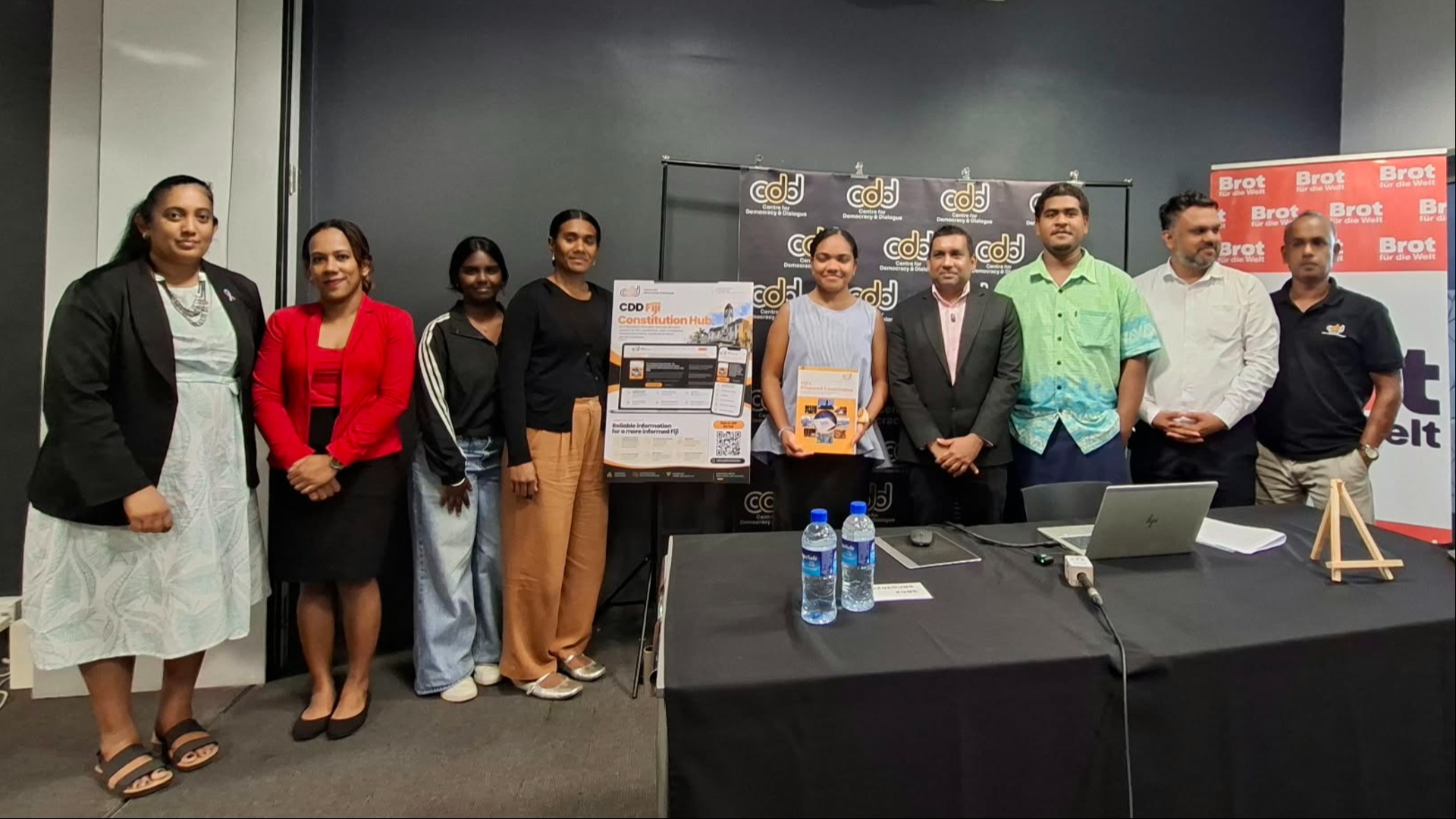
SODELPA warns proposed constitutional changes could delay elections by up to 12 monthsBy Antornette Vuniuca 18/10/2026
The Social Democratic Liberal Party is raising concerns that proposed changes to Fiji's Constitution, could allow Parliament's term to be extended by up to 12 months during a state of emergency, potentially delaying elections.
SODELPA is calling on the Special Parliamentary Select Committee and Cabinet, to urgently review Sections 201 and 202 of the Constitution (Amendment) Bill 2026 to safeguard people's democratic rights and freedoms.
The party says under Sections 201(3) and (4), if a state of emergency is declared towards the end of Parliament's term, the President, acting on Cabinet's advice, could extend the parliamentary term by up to 12 months.
SODELPA is concerned this could allow a government to remain in power beyond the normal parliamentary term without an election.
While acknowledging the need for emergency powers to respond to natural disasters, health crises and security threats, the party says these should not interfere with people's right to vote.
They also point out that the 2013 Constitution did not provide a mechanism for Cabinet to extend Parliament's four-year term during a state of emergency.
SODELPA is calling for Sections 201(3) and (4) to be removed from the Bill to ensure Parliament's term remains fixed and elections are held as scheduled.
The party has also raised concerns about Section 202, which it says could allow restrictions on certain rights and freedoms during a state of emergency.
These include freedom of speech, assembly and movement, personal privacy and access to information.
SODELPA warns that such powers could be misused to prevent people from speaking out, holding peaceful gatherings or questioning government decisions.
They also want freedom of speech, assembly and movement to be protected from suspension during a state of emergency.
The party stresses that it supports changes to the 2013 Constitution but believes any amendments must safeguard democracy and the rights of all Fijians.
SODELPA is also urging the Government to provide clear and accurate information, about the proposed changes so people can make informed decisions.
They say the constitutional review process must be handled carefully to protect people's rights and avoid unnecessary instability.
The Social Democratic Liberal Party is raising concerns that proposed changes to Fiji's Constitution, could allow Parliament's term to be extended by up to 12 months during a state of emergency, potentially delaying elections.
SODELPA is calling on the Special Parliamentary Select Committee and Cabinet, to urgently review Sections 201 and 202 of the Constitution (Amendment) Bill 2026 to safeguard people's democratic rights and freedoms.
The party says under Sections 201(3) and (4), if a state of emergency is declared towards the end of Parliament's term, the President, acting on Cabinet's advice, could extend the parliamentary term by up to 12 months.
SODELPA is concerned this could allow a government to remain in power beyond the normal parliamentary term without an election.
While acknowledging the need for emergency powers to respond to natural disasters, health crises and security threats, the party says these should not interfere with people's right to vote.
They also point out that the 2013 Constitution did not provide a mechanism for Cabinet to extend Parliament's four-year term during a state of emergency.
SODELPA is calling for Sections 201(3) and (4) to be removed from the Bill to ensure Parliament's term remains fixed and elections are held as scheduled.
The party has also raised concerns about Section 202, which it says could allow restrictions on certain rights and freedoms during a state of emergency.
These include freedom of speech, assembly and movement, personal privacy and access to information.
SODELPA warns that such powers could be misused to prevent people from speaking out, holding peaceful gatherings or questioning government decisions.
They also want freedom of speech, assembly and movement to be protected from suspension during a state of emergency.
The party stresses that it supports changes to the 2013 Constitution but believes any amendments must safeguard democracy and the rights of all Fijians.
SODELPA is also urging the Government to provide clear and accurate information, about the proposed changes so people can make informed decisions.
They say the constitutional review process must be handled carefully to protect people's rights and avoid unnecessary instability.
Remove immunity provisions to prevent future coups – NataBy Karishma Kumari 19/10/2026 Josefa Nata who was sentenced to life in prison for treason after the 2000 coup led by George Speight and later pardoned after 23 years, is calling on the Parliamentary Special Committee reviewing Fiji's Constitution Amendment Bill to remove the immunity provisions, warning that retaining them could encourage future coups and undermine national unity.
While making his submission before Prime Minister Sitiveni Rabuka and members of the Committee, Nata says the proposed Constitution is a significant improvement on the 2013 Constitution however, further changes are needed.
He says his call to remove immunity is not driven by revenge against those involved in past coups, but by the need to prevent similar events in the future.
Nata says he does not want people prosecuted for their involvement in past political upheavals and believes Fiji must find a way to forgive and heal.
However, he says future coup makers must never be granted immunity, regardless of how long it takes to bring them before the courts.
He proposes including a commitment in the Constitution's preamble that those responsible for illegally removing elected governments will not be granted immunity and will face trial.
Nata also raises concerns that retaining constitutional immunity could send a message to Indo-Fijians, particularly descendants of the Girmitiyas, that Fiji is not a safe place for them.
He says refusing to remove immunity fails to acknowledge the fear, anxiety and insecurity experienced by communities affected by previous coups.
He further argues that the economic and social costs of coups extend beyond damage to property, businesses and livelihoods, contributing to distrust, racial divisions and insecurity.
Nata also questions the proposed expansion of immunity to cover a wider range of public officials, saying this could encourage future attempts to seize power illegally.
He urges the Committee to take seriously the position of Republic of Fiji Military Forces Commander Major General Ro Jone Kalouniwai, who he says has opposed retaining the immunity provisions.
Nata also expresses support for considering disclosure-based immunity through an expanded Truth and Reconciliation Commission.
He says removing immunity alone will not end Fiji's coup culture, and that historical grievances, economic inequality and divisions between communities must also be addressed.
Nata calls for stronger partnerships between iTaukei landowners and Indo-Fijian businesses to help reduce economic disparities and promote national unity.
He also proposes that the iTaukei language be taught as a compulsory second language in schools, describing it as a potential unifying force for the country.
He also suggests replacing the reference to a secular state with wording recognising Fiji as a nation under God.
Nata further proposes an elected Senate, an elected President and Vice-President, and consideration of a presidential system that would separate executive and legislative powers.
On the tenure of the Prime Minister, he says there should be a limit on the number of terms a person can serve.
While acknowledging the Constitution Review Commission's recommendation of two terms, Nata suggests that three terms could be reasonable to allow capable younger leaders to continue serving.
He stresses that Fiji must learn from its political history and take meaningful steps to prevent future coups while strengthening reconciliation, fairness and national unity.
Former Lautoka Mayor calls for protection of iTaukei rights while supporting recognition of Fiji as a Christian StateBy Karishma Kumari 19/10/2026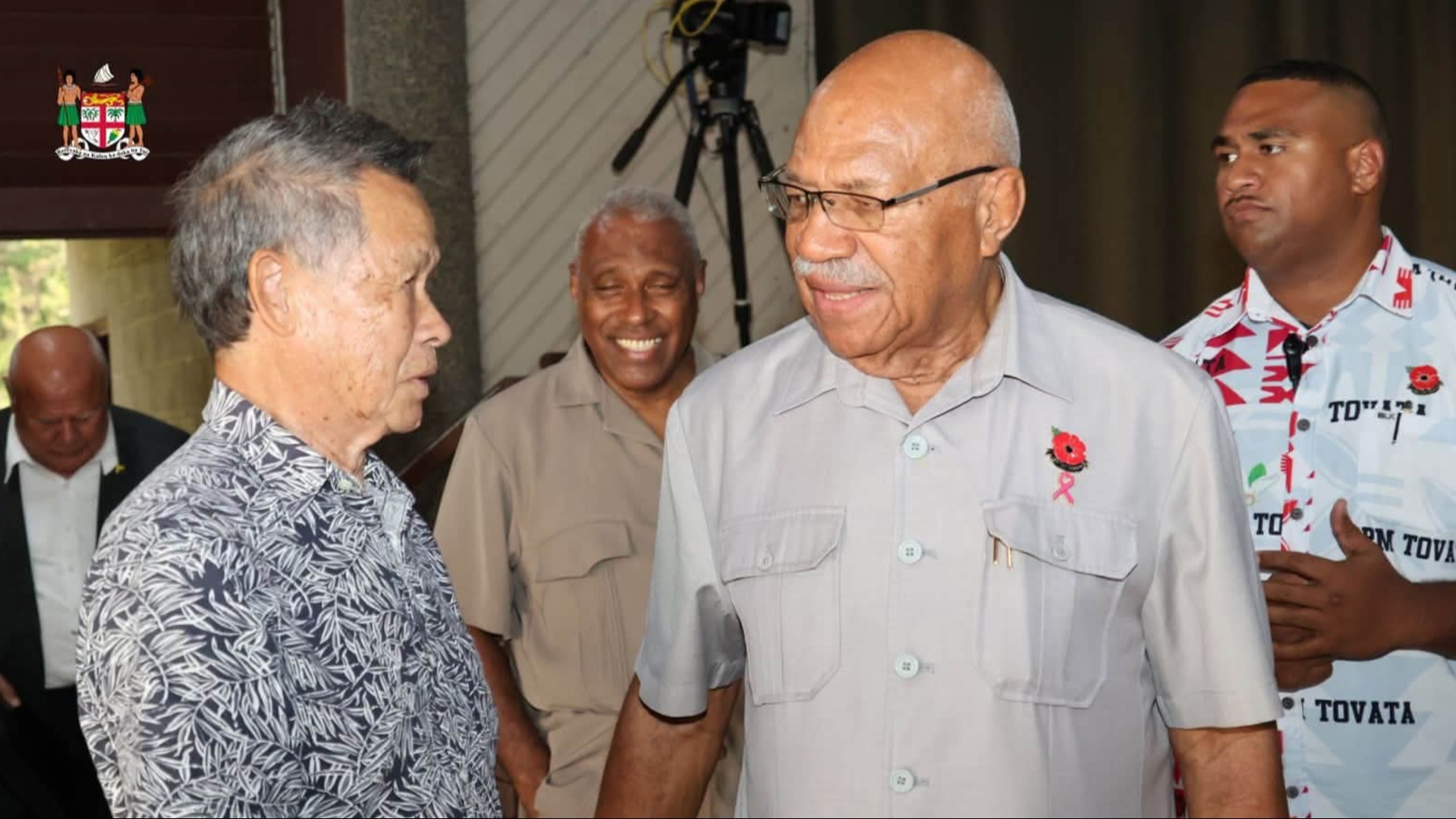 Source: Fiji Government
Former Lautoka Mayor Kenneth Low has called for the protection of iTaukei rights, culture and traditions in the Constitution and has also expressed his support for recognising Fiji as a Christian State.
During consultations on proposed constitutional amendments, Low says his family has lived in Fiji for four generations, and he believes the Constitution must safeguard the interests of indigenous Fijians for future generations.
Low says he fully supports the Great Council of Chiefs and believes there is nothing wrong with recognising Fiji as a Christian State because, Fiji's identity is closely linked to the culture, traditions and values of its indigenous people.
He raised concerns about immigration and citizenship, saying the indigenous Fijian population is relatively small and constitutional safeguards are needed to protect their culture, rights and interests as the country's population changes.
Low also expressed support for the government's decision to amend the 2013 Constitution rather than replacing it entirely.
He acknowledged that constitutional reform involves political considerations and differing views however, he says developing a Constitution that will serve future generations should take priority over political considerations, including the timing of the next general election.
Low says the government and the committee should take additional time if necessary to ensure Fiji has a Constitution that will benefit future generations.
He says there are people accusing the government for delaying the elections or possibly trying to get more money stating that is just rubbish talk.
He adds the contributions of Indo-Fijians to the country's development should be recognised alongside the interests of indigenous landowners.
Low says landowners should be given greater opportunities and support to benefit from their land.
He has also called for an increase in the retirement age of judges, saying older professionals still have valuable experience and knowledge to contribute.
Low also raised concerns about corruption, drug-related activities and law enforcement, questioning whether authorities are doing enough to address these issues.
Former Lautoka Mayor Kenneth Low has called for the protection of iTaukei rights, culture and traditions in the Constitution and has also expressed his support for recognising Fiji as a Christian State.
During consultations on proposed constitutional amendments, Low says his family has lived in Fiji for four generations, and he believes the Constitution must safeguard the interests of indigenous Fijians for future generations.
Low says he fully supports the Great Council of Chiefs and believes there is nothing wrong with recognising Fiji as a Christian State because, Fiji's identity is closely linked to the culture, traditions and values of its indigenous people.
He raised concerns about immigration and citizenship, saying the indigenous Fijian population is relatively small and constitutional safeguards are needed to protect their culture, rights and interests as the country's population changes.
Low also expressed support for the government's decision to amend the 2013 Constitution rather than replacing it entirely.
He acknowledged that constitutional reform involves political considerations and differing views however, he says developing a Constitution that will serve future generations should take priority over political considerations, including the timing of the next general election.
Low says the government and the committee should take additional time if necessary to ensure Fiji has a Constitution that will benefit future generations.
He says there are people accusing the government for delaying the elections or possibly trying to get more money stating that is just rubbish talk.
He adds the contributions of Indo-Fijians to the country's development should be recognised alongside the interests of indigenous landowners.
Low says landowners should be given greater opportunities and support to benefit from their land.
He has also called for an increase in the retirement age of judges, saying older professionals still have valuable experience and knowledge to contribute.
Low also raised concerns about corruption, drug-related activities and law enforcement, questioning whether authorities are doing enough to address these issues.