Older people in Fiji are expressing appreciation for the social pension support they receive, but there is growing concern that it is no longer keeping pace with the rising cost of living.
This has been highlighted by Ministry of Women, Children and Social Protection consultant Pauline Tweedie who says many senior citizens are now supplementing their income through family contributions, informal work, and small-scale household gardens to meet daily needs.
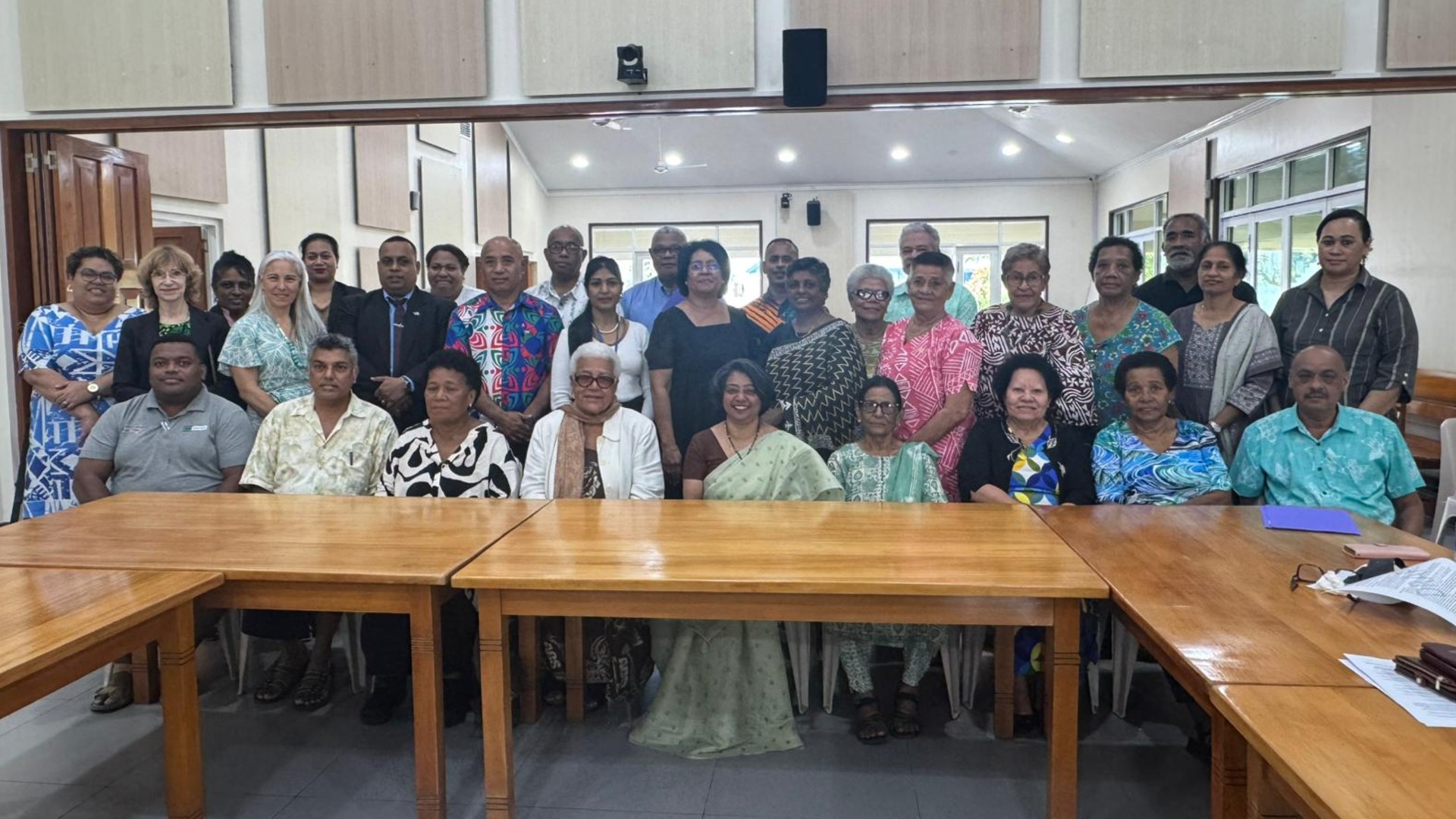
While speaking during the Validation Workshop for the National Ageing Policy, Tweedie says with almost 11 percent of the people in the country over the age of 60, support systems are not keeping up, so the policy aims to improve the quality of life, protection, healthcare, and financial security of older persons.
She says there is limited financial security for older persons, and 70 percent of older people are reliant on the social pension scheme as their only source of income.
She says the healthy life expectancy, unfortunately, is not as long as life expectancy, highlighting the underlying health concerns of an ageing population.
Tweedie says the policy is to ensure that this is addressed.
The consultant further says during consultations, concerns on mental health and healthcare have been highlighted with an emphasis on helping people age in a healthy way.
She says the policy also looks at improving access to healthcare services and mobile clinics, particularly in remote and maritime areas, which remains a major concern.
Tweedie says the policy also addresses transport and accessibility issues, noting that the public transport system is not always disability-friendly for older people.
She further says buses and boat services are costly if people need to come from remote islands to Suva or to other places to access those services, and so remote communities also face higher costs.
Tweedie says the policy also aims to ensure older people are aware of the services available to them, as there is currently a gap in both access and awareness.
She says as more government services move online, the policy also highlights the need for digital safety and training programs to help older people protect themselves and confidently use online services.
Tweedie adds that there are a number of laws, including the constitution, that protects the rights of all people, but there are some legal gaps so the policy is recommending the establishment of an Older Persons Act.
While officiating at the event, Minister for Women, Children and Social Protection, Sashi Kiran says older persons do not wish to be viewed solely as recipients for assistance but they are a wisdom bridge for values, culture and more than anything, archives of lived experiences that we need so much right now in guiding us through difficult phases.
She says the draft National Aging Policy 2026-2035 will seek to respond to these priorities through a strengthened, coordinated, inclusive and people-centered framework.
Kiran confirms following the validation process, the Ministry and the National Council of Older Persons will review the final feedback and recommendations before finalising the draft policy.
She says the policy must then go through consultations with other ministries, permanent secretaries, cabinet officials, and Cabinet before approval.
Kiran adds the process takes time because the policy affects multiple sectors and must be supported by legal and institutional reforms, including the proposed Older Persons Act, to ensure it can be properly implemented and make a real difference in the lives of older people.