Disaster response teams will be activated within 72 hours before a potential disaster, with provincial and district teams preparing communities directly in the projected path and coordinating resources based on the severity of the expected impact.
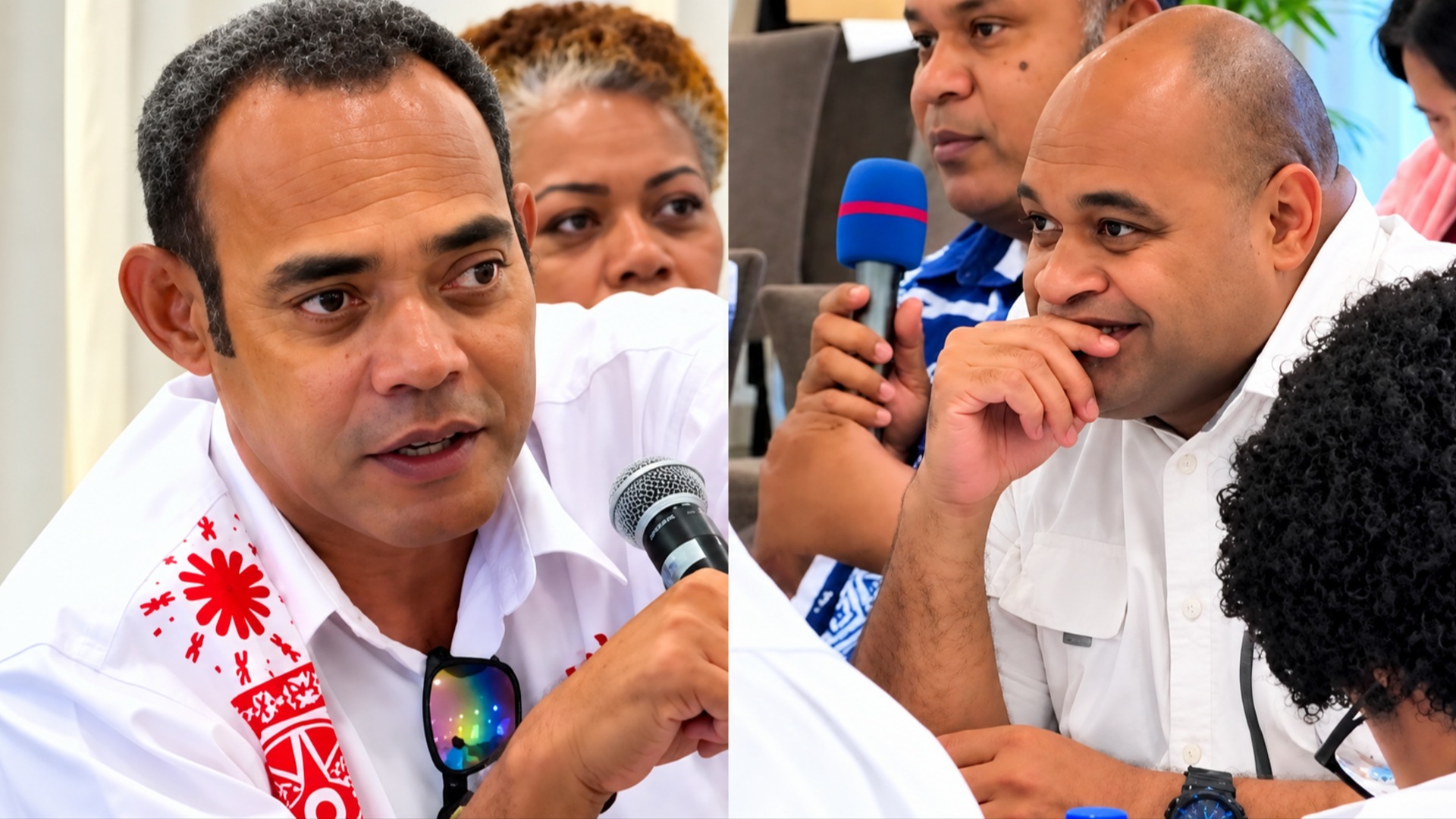
This was highlighted by Provincial Administrator in Lomaiviti, Ravuama Nagatalevu during the National Disaster Risk Management Awareness Week – National SIMEX 26, being held at Novotel in Lami.
Nagatalevu says preparedness work is carried out throughout the year, and the province does not usually follow the five-day activation period, instead activating its response within 72 hours before a potential disaster.
He says once a disaster track map is available, the first step is to follow up with Heads of Departments through the Divisional Commissioner and convene a meeting with relevant stakeholders.
Communities directly in the projected path will then be informed and prepared, while provincial and district disaster teams will be activated through the Commissioner’s Office to coordinate work on the ground.
Nagatalevu says response teams will be placed on standby with a skeleton crew within the 72-hour period.
Additional resources may be requested from other Heads of Departments at district and provincial level, or through the Commissioner’s team, depending on the severity of the expected impact.
He says the National Disaster Management Office also provides advice and funding to support response operations.
Meanwhile, Director of the National Disaster Risk Management Office, Napolioni Boseiwaqa, says the office will inform the National Disaster Control once the readiness trigger is met.
Boseiwaqa says an inter-cluster meeting will then be convened to review planned interventions with all relevant clusters.
Divisional offices will also be briefed on the planned interventions so they can coordinate the response on the ground, while other relevant agencies will be informed where possible.
The National SIMEX 26 exercise brings together disaster management officials, government agencies, emergency services and humanitarian partners to strengthen preparedness, test emergency coordination and practise decision-making during a disaster.
The programme includes sessions on national emergency response arrangements, inter-agency collaboration, tsunami response, anticipatory action and regional and international assistance.
The tabletop exercise also allows decision-makers to work through simulated disaster scenarios, including declaring a national state of disaster, coordinating the initial response and requesting regional and international assistance.
The exercise comes ahead of the 2026–2027 tropical cyclone season, which began yesterday.
