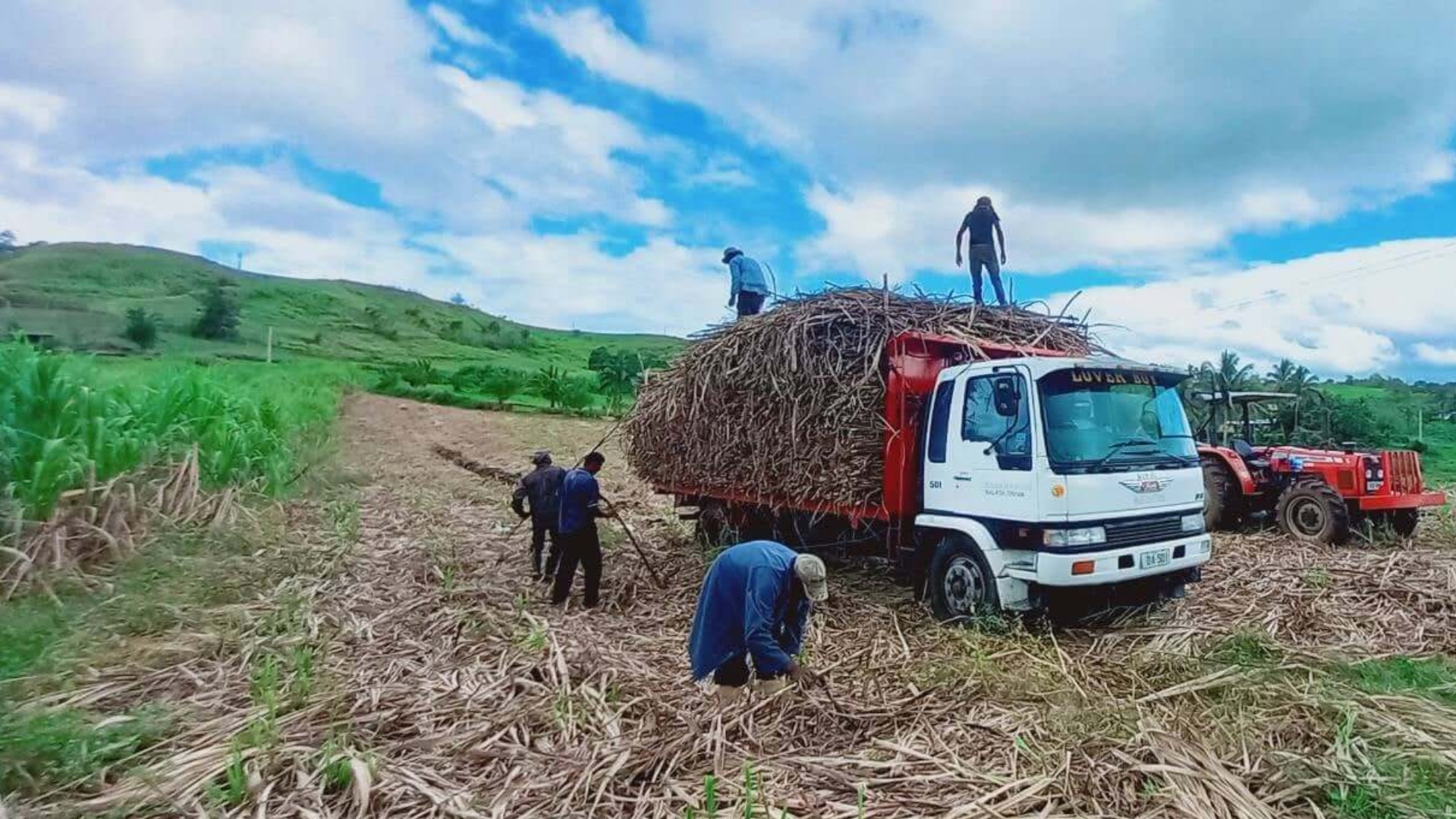
Many sugarcane farmers in Seaqaqa and Sigatoka have not harvested their cane and continue to call for an increase in guaranteed cane price from $85 to $110 while also demanding the restoration of the $65 cane delivery payment, saying rising labour, transport and production costs are making harvesting unviable.
The government has increased the payments for manual sugar cane harvesters from $3 to $5 per tonne while also confirming that $5 million has been allocated from its 2025/2026 budget to support sugarcane farmers in meeting the rising fuel costs of cartage and mechanical harvesting.
However, Sigatoka farmer Ashish Sharma is adamant they will not begin harvesting until the guaranteed price is increased, and the increase in harvesting payment is still not enough to make it viable for farmers facing rising labour, transport and production costs.
He says there are about 30 farmers in the Lomawai, Ciriwai and Kabisi sectors who will collectively not harvest about 3,000 tonnes of cane until their demands are met.
Sharma, who farms 6.5 acres of sugar cane in Lomawai, says his family previously harvested about 500 tonnes of cane, but production has now fallen significantly, with only about 180 tonnes harvested last year.
While speaking to fijivillage News, Sharma says a major concern for farmers is that the payment will be made on a first-come, first-served basis and manual harvesting takes longer than mechanical harvesting, leaving farmers struggling to cover costs even with the increased payment.
Sharma says a manually loaded lorry may carry about 10 to 12 tonnes of cane, while mechanical harvesting can move significantly larger volumes, making it difficult for farmers relying on manual harvesting to earn a reasonable return.
He says while farmers welcome government assistance, including the $5 million fuel subsidy and support for manual harvesting, more targeted assistance is needed for those who continue to rely on manual labour.
Sharma says farmers are ready to harvest but need a workable subsidy or other financial support to ensure they are not left with little or no profit after paying harvesting, labour and transport costs.
He says if no further solution is provided, some farmers may leave their cane standing and wait until next year rather than harvest at a loss.
Sharma says farmers are not asking for unnecessary assistance but want a subsidy structure that allows them to recover costs and retain some income at the end of the harvesting season.
He rejects claims that the issue is being politicised, saying meetings involving Fiji Labour Party Leader and National Farmers Union General Secretary Mahendra Chaudhry and George Shiu Raj were about farmers’ concerns.
When questioned about claims that the guaranteed cane price issue was being raised because elections are approaching, Sharma says politics is a different matter, adding that farmers are dealing with rising costs and declining returns from sugar cane farming.
80-year-old Dagau, Seaqaqa sugarcane farmer Mohammed Gulab is also calling for the restoration of the $65 cane delivery payment, saying farmers in remote interior areas face higher transport costs because of poor road conditions.
Gulab says while the Government has introduced subsidies for the sugar industry, only a small number of farmers are benefiting, leaving many growers struggling with harvesting, labour, fuel and transport costs.
He says sugarcane remains the main source of income for many families in Seaqaqa and is urging the Government to review the current payment structure to ensure farmers can cover their costs and sustain their livelihoods.
Meanwhile, the Parliamentary Select Committee on the Sugar Industry, headed by Prime Minister Sitiveni Rabuka, is carrying out consultations with cane farmers in the West.