Fiji’s HIV epidemic has changed rapidly, and health workers must adapt – Dr Mitchell
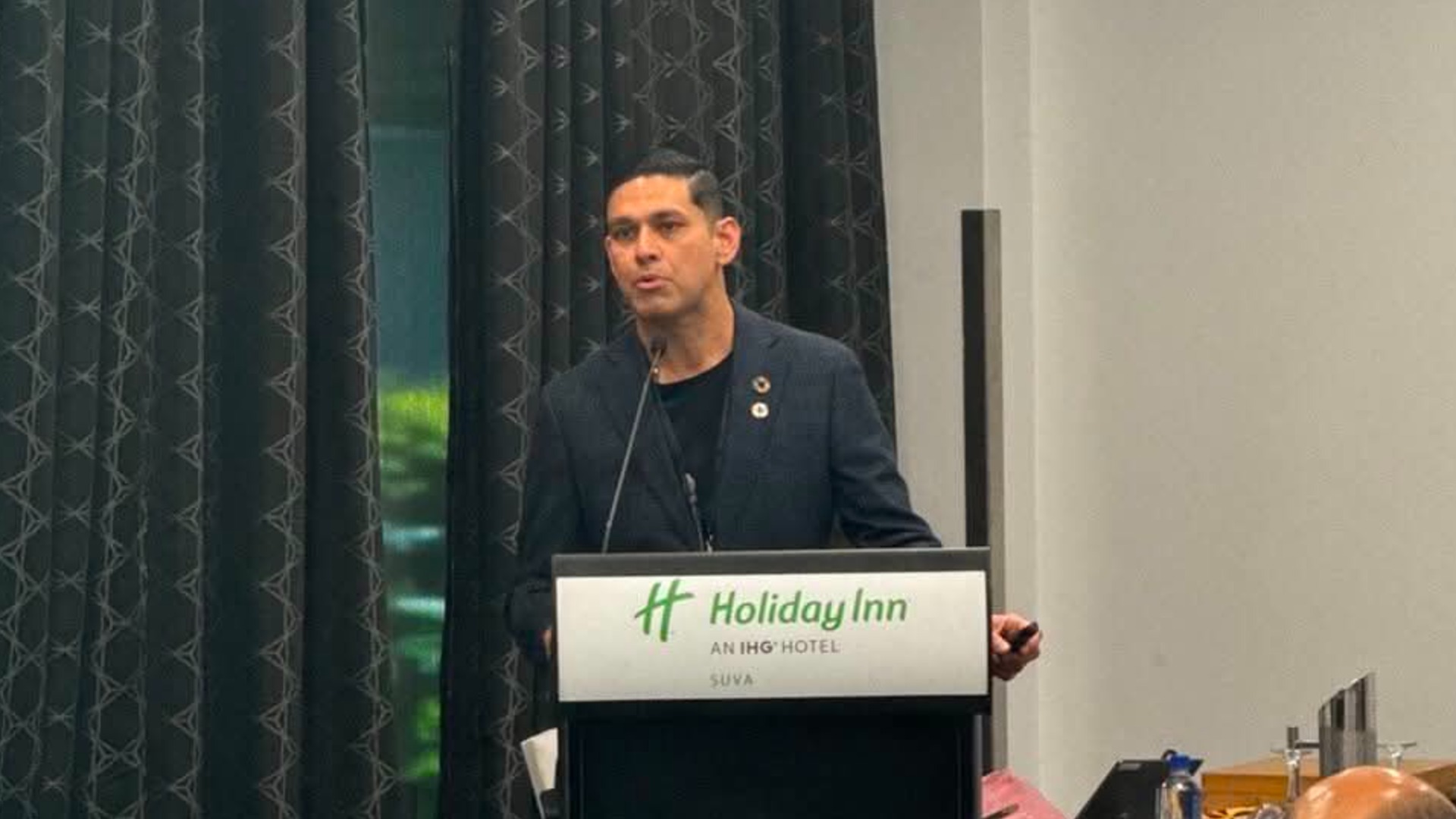
National HIV Outbreak and Cluster Response Chair Dr Jason Mitchell says Fiji is now facing a much larger HIV epidemic than health experts expected, with rising infections linked to drug use and changing risk behaviour.
While speaking at the Fiji Medical Association Mini Conference, Dr Mitchell says Fiji diagnosed less than 1,000 HIV cases over 30 years, but more than 2,000 people were diagnosed last year alone.
He says the country has now moved from a low-prevalence HIV epidemic to a generalised epidemic, with growing cases among people who inject drugs, sex workers, men who have sex with men, and heterosexual populations.
Dr Mitchell says shared needles and syringes among drug users are helping drive the rapid spread of HIV and hepatitis C in Fiji.
He also highlighted concerns over rising HIV infections among pregnant women and children, saying more people are still not being tested early enough.
He says healthcare workers must now think about HIV earlier when treating patients, especially when symptoms do not clearly match other illnesses.
Dr Mitchell says Fiji has expanded HIV care services from three clinics to 17 care teams around the country, with plans to increase that number further.
He also stressed the importance of getting people tested and immediately started on treatment, saying treatment not only improves health but also helps stop the spread of HIV.
He says Fiji needs stronger prevention programmes, better testing, and more support to keep people on treatment long term.
