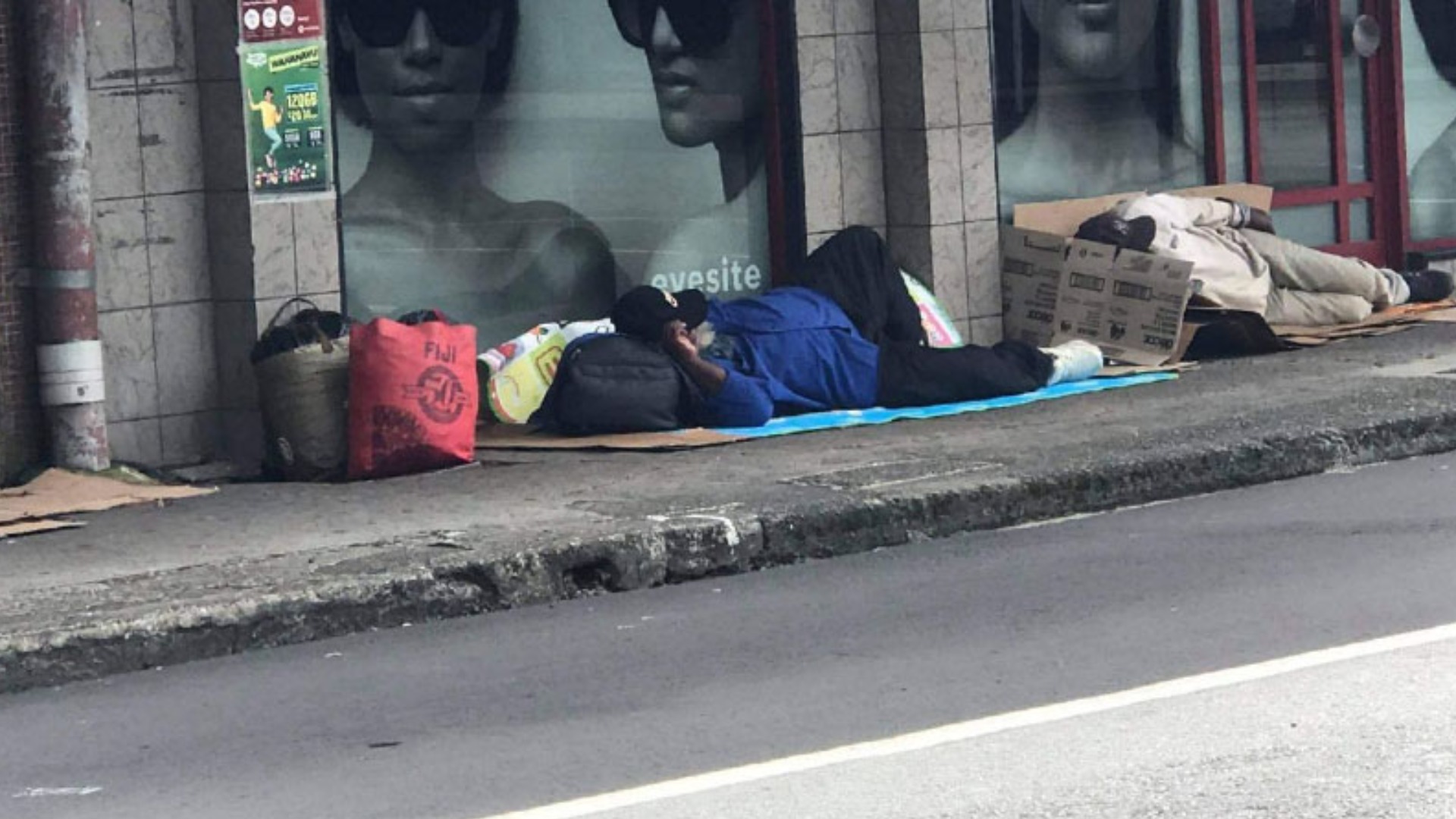
More than 80 people have been identified and assisted through Government efforts to support people living on the streets in Lautoka, Nadi, Labasa and Raiwaqa, with about 75 percent profiled in Lautoka aged between 15 and 35.
This has been confirmed by Minister for Women, Children and Social Protection Sashi Kiran while responding to a written question by Assistant Minister for Agriculture Inosi Kuridrani.
Kiran says during the Lautoka operation last month, the Ministry profiled 56 people, comprising 20 people engaged in begging and 36 street dwellers.
She says of the eight senior citizens identified, five returned home with assistance and three were taken into aged-care facilities while another 12 youths, including four girls, were taken into care facilities.
Kiran also confirms nine boys are currently being supported at Kauwai Restoration Home in Raiwaqa, most of whom are aged between 14 and 17.
She says six have been enrolled in secondary school, while three are being assisted into vocational education and skills training.
Kiran says care orders have been secured for seven, while the Ministry is working to finalise the remaining two.
The Minister says in Nadi, operations identified 12 people, comprising eight street dwellers and four people engaged in begging where four required medical intervention, five were reintegrated with their families and three were placed in a shelter.
She confirms in Labasa, an operation on 7th August identified and profiled four males who were street dwellers or engaged in begging.
The Minister says the streets of Sigatoka are currently clear of identified street dwellers and people engaged in begging, although monitoring will continue.
Kiran says in Suva and Nausori, interventions have focused particularly on people sleeping under bridges and those requiring medical assistance.
She says some individuals have declined alternative accommodation and chosen to remain on the streets.
In Nasinu, the Ministry's teams have monitored areas around Vivrass and Nayan Supermarket following concerns about children selling roti parcels and puddings late at night.
Kiran says families experiencing hardship are offered livelihood options, while warnings and action may be taken against repeat offenders.
The Ministry further says simply removing someone from the street and placing them in a home or shelter does not address the circumstances that led them there.
They say individual assessments and case management are undertaken, with support including family tracing and mediation, medical treatment, counselling, accommodation, education, vocational training, rehabilitation and social protection assistance.
The Ministry confirms a total of 28 young men have successfully completed the Blue Light Training Program in partnership with the Fiji Police Force.
They say the programme focuses on discipline, responsibility, respect, positive decision-making, teamwork, life skills, mentoring and identifying education and employment pathways.
The Ministry acknowledges that adults cannot be forced to remain with their families or in residential institutions.
They say some decline accommodation or later return to the streets, making continued outreach, counselling and family engagement necessary.
The Ministry is also building a recovery facility for vulnerable children and has established Na Salavou, a drug rehabilitation facility for children, in partnership with Empower Pacific. It also supports the Salvation Army's Kauwai Restoration facility and other rehabilitation and shelter services.
They say children in these facilities are linked with educational and vocational opportunities, including placements at Chevalier Homes and CATD Nadave.
The Ministry says preventing people from returning to the streets requires cooperation from families, Police, health services, municipal councils, faith-based organisations, civil society, employers, training providers and communities.
The add its goal is not merely to move people from public spaces, but to restore their safety and dignity, address the causes that brought them to the streets and provide opportunities for them to rebuild their lives.