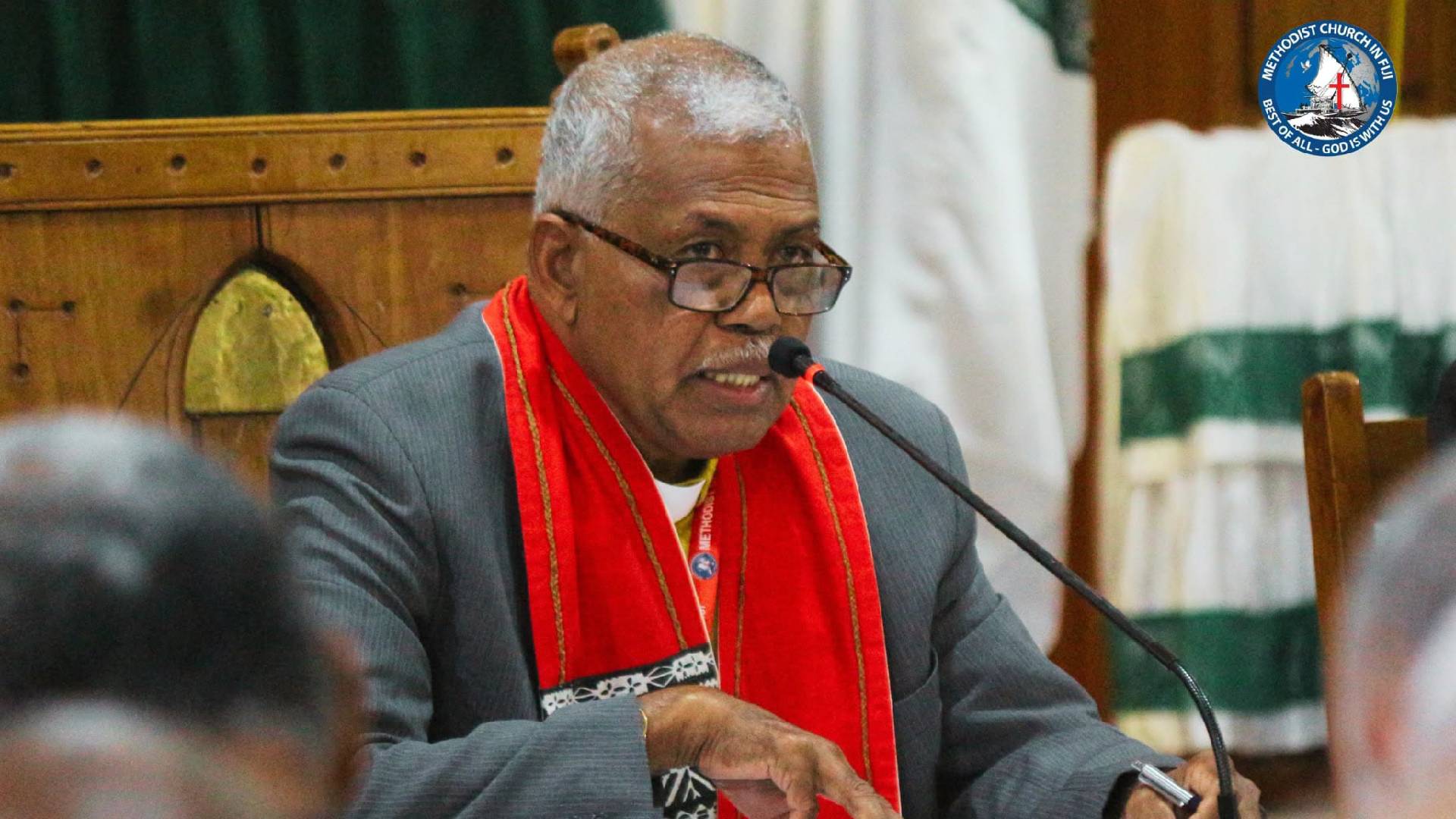
A strong statement has been made today regarding the overconsumption of yaqona by many Methodist Church ministers and lay pastors which is affecting their roles.
While opening the Methodist Church 2026 Annual Conference at the Centenary Church in Suva, President of the Methodist Church in Fiji and Rotuma, Reverend Dr. Semisi Turagavou says they are called to liberate and reform the organisation, and this process can only be realised if ministers and deaconesses are at the forefront.
He says liberation begins with the discipline of ministers, as the greatest revival in the Church will never happen unless it first begins in the life of the minister.
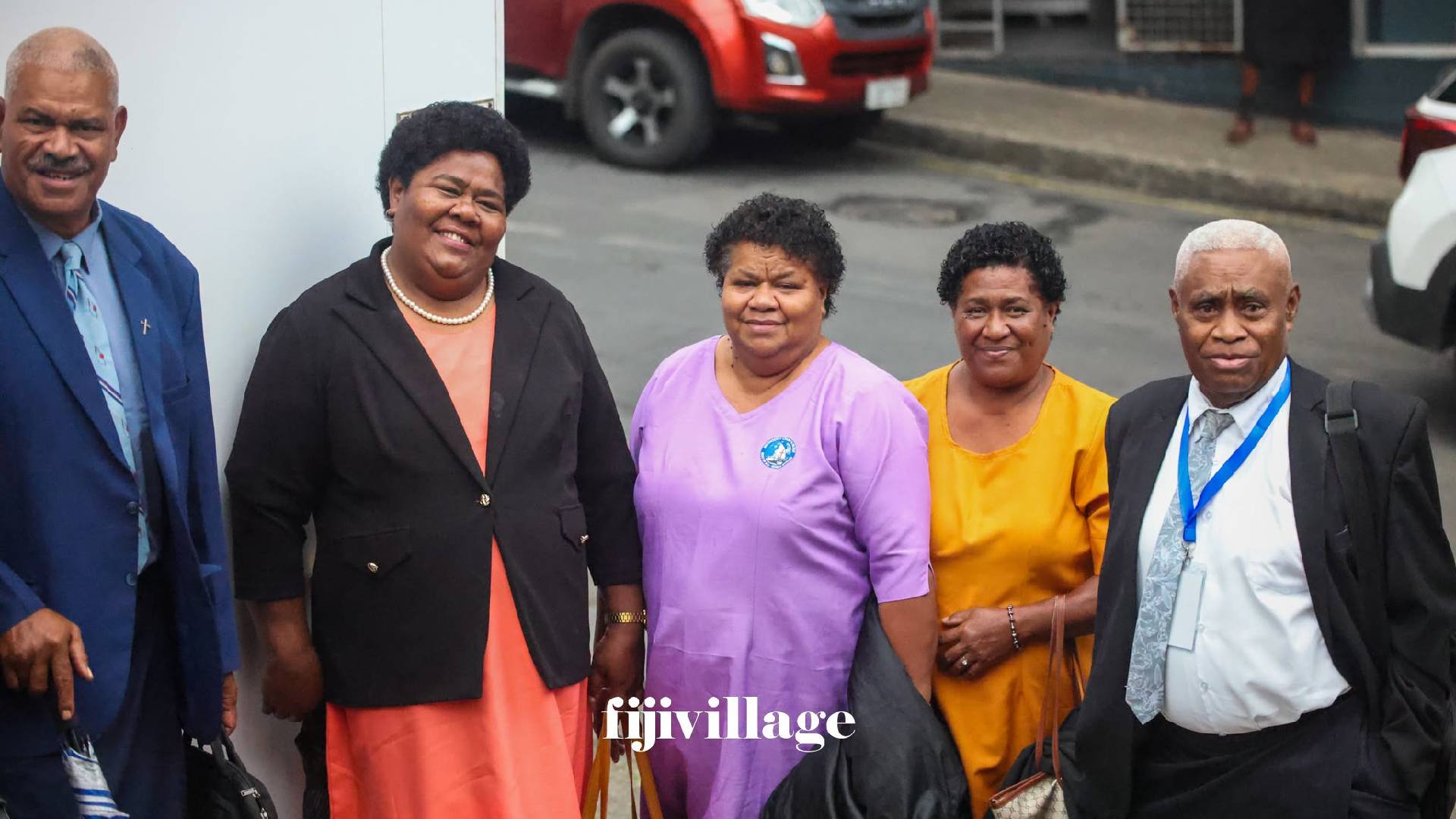
The Church President says the overconsumption of yaqona has affected the ministry and many ministers and it has reduced their effectiveness in pastoral visitation, weakened their commitment to Bible study and sermon preparation, and affected their attendance at training programmes.
Reverend Dr. Turagavou says it has diminished their energy for evangelism and social outreach.
He adds that, in some cases, it has even weakened their witness before their own congregation and the wider community, becoming a source of ridicule rather than respect.
Insert: Rev Turagavou on yaqona, 20th Aug 26
He says others quietly leave their churches, seeking what they believe to be greener pastures, not because the gospel has failed, but because they have been unable to find the spiritual leadership and pastoral care they long for.
The Church President says they are hungry for shepherds who are present, attentive, prayerful, spiritual and alive.
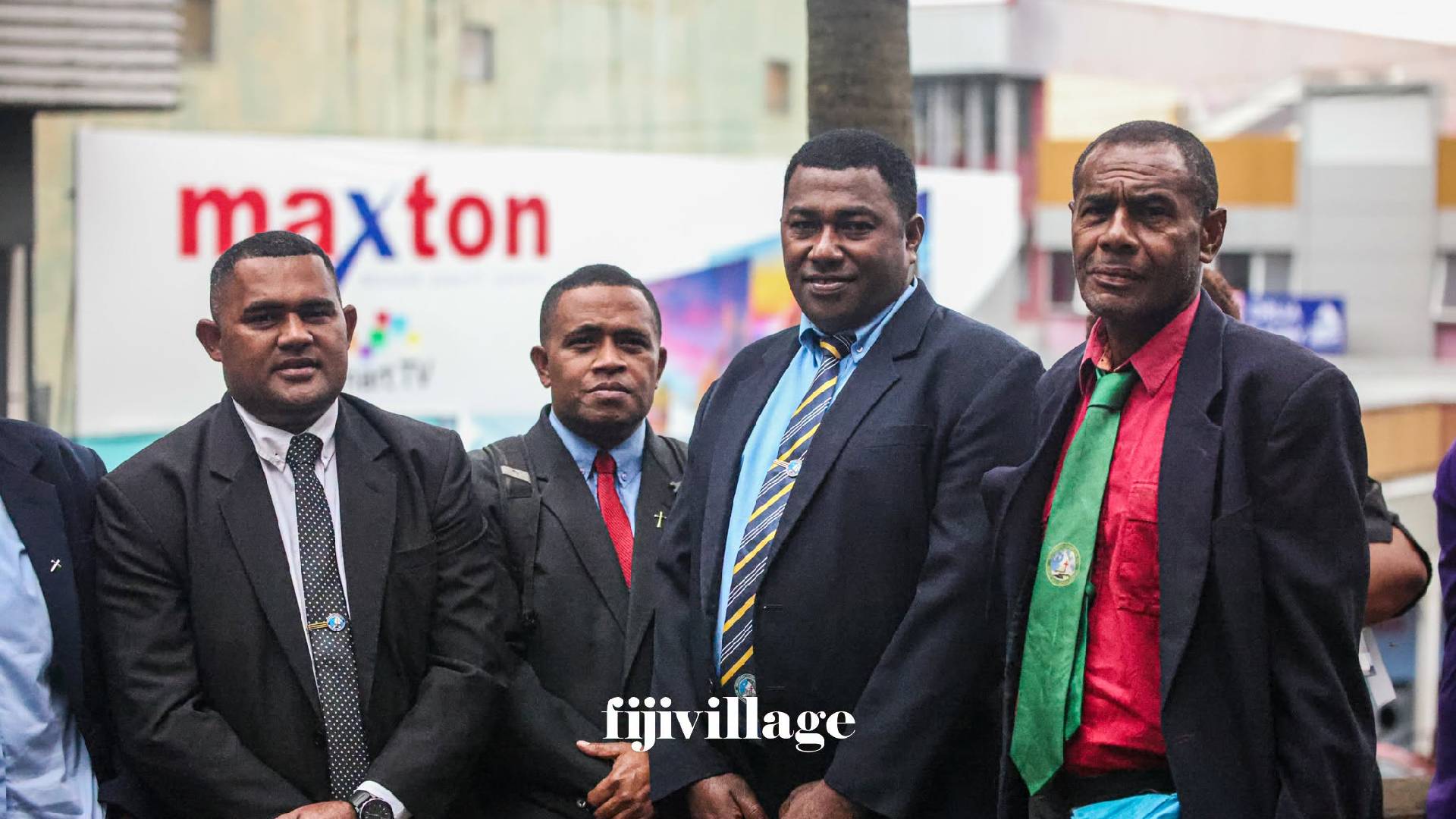
He adds that every member who quietly slips away should cause them to examine themselves before they examine anyone else.
Reverend Turagavou also affirms that the Church's discipline regarding smoking remains unchanged, and he asks not only every ordained minister but also every lay pastor to embrace this standard with equal seriousness.
He says this is not merely a regulation imposed by the Church, but an expression of their calling to honour their bodies as the temple of the Holy Spirit and live lives worthy of the gospel they preach.
He adds that when it comes to Christian example, people do not distinguish between a minister and a lay pastor therefore, the standard of discipline cannot be different.
Reverend Dr. Turagavou addressed several further areas of concern: the Church’s standing within the vanua and among its people, which he said depends on character rather than position; the dress and presentation of ministers, which he said should reflect the decorum of their calling; and physical wellbeing, warning those preventable non-communicable diseases continue to shorten and limit ministry across the Pacific.
On leadership, the President warned against stagnation in circuits and divisions, calling for visionary ministers who lead their congregations with courage and clear direction rather than “managing decline.”
He also appealed for the mending of strained relationships between Divisional Superintendents and Circuit Ministers, describing unity among ministers as essential to the Church’s witness.
Looking ahead, Reverend Dr. Turagavou shared his vision for the future of the ministry, centred on the health, deployment and stationing of ministers.
He proposed that the office of Superintendent, or Talatala Qase, be held by ministers who are both responsive and in good health, noting that leadership is demanding and requires a healthy body and a sound mind.
He appealed to senior ministers to be honest with themselves about their health and to make way for capable brothers and sisters to carry out leadership roles.
He further proposed that ministers above the age of 65 years be posted to a circuit rather than serve as a Divisional Superintendent, saying the change would keep the ministry moving from strength to strength while allowing senior ministers to continue serving meaningfully within a smaller circuit.
He acknowledged that the proposal may seem awkward or disrespectful to some ministers, but said it would ultimately benefit the ministry as a whole.
On the stationing of ministers, the President called for reform of the regulation governing the first, second and third readings of Conference appointments, saying the practice has remained largely unchanged for more than 30 years and that the movement of the Spirit of God is rarely evident during the second and third readings.
He cautioned that the process has, in some cases, been used to campaign and lobby for particular outcomes, and proposed that a single reading would be sufficient, calling on ministers to be submissive and to place their faith in God.